Skip to content
  • Home
  • Events
    • Events
    • Event Submission
    • Play Dates
  • Jobs
    • Jobs
    • Post Your Job
    • Job Dashboard
  • Store
    • Store
    • Downloads
    • A Workbook for Creating Healthy Relationships for Children
    • Cart
  • Childcare
    • Childcare
    • Childcare Catalog Submission
  • Blog
    • Blog
    • Video Blog
  • Contact Us
    • Contact Us
    • Advertise
    • Privacy Policy
    • Terms and Conditions
  • My Account
Login/Register

Tag: advice

Encourage Healthy Eating Habits

LIFESTYLE, PARENTING

Raising healthy eaters isn’t just about packing lunches with broccoli. It’s about nurturing a positive and playful relationship with food that empowers kids to make good choices and encourage healthy eating habits. Let’s explore some fun, positive ways to encourage healthy eating habits in your little ones!

Encourage Healthy Eating Habits

1. Food is Fun, Not Fear:

Find it on Amazon

Embrace the joy of food! Imagine mealtimes not as a battlefield of negotiations, but as a vibrant celebration of flavors and textures. Talk about food with excitement, describing the vibrant orange of a sweet potato, the satisfying crunch of a fresh apple, or the comforting warmth of a homemade stew.

Let your kids explore the world through their taste buds, trying new cuisines without judgment. Remember, mealtimes are a shared adventure, not a power struggle. Food is about connection, joy, discovery, and embracing the delicious possibilities!

2. Grocery Shopping Adventures:

Transform grocery shopping into a treasure hunt! Bring your kids along and let them help choose fruits and vegetables they find interesting. Encourage them to pick out new grains or proteins to try. This fosters curiosity and ownership over their own food choices.

Empower your tiny treasure hunters. Equip them with a reusable grocery bag and let them be your sous chefs for the day. Challenge them to find the “weirdest” looking vegetable, a fruit with the brightest color, or a grain they’ve never seen before. Let them inspect the different textures, compare sizes, and sniff out the freshest aromas. This isn’t just about filling the cart; it’s about fostering curiosity and sparking an interest in healthy choices.

Find it on Amazon

3. The Tiny Chef is in the Kitchen:

Find it on Amazon

Make cooking a family activity! Give your child age-appropriate tasks like stirring, measuring, or decorating. Let them help choose recipes and personalize their dishes. This builds confidence, introduces them to healthy ingredients, and creates lasting positive memories around food.

Transform your child into a junior chef by entrusting them with age-appropriate tasks. For little ones, stirring batter or adding spices lets them feel like valuable contributors. As they grow older, graduate them to measuring ingredients, cracking eggs (with supervision, of course!), or even chopping vegetables with a kid-safe knife.

4. Rewards Beyond the Bite:

Food shouldn’t be used as a bargaining chip or reward. This creates negative associations and undermines the intrinsic value of healthy choices.

Instead, try creating positive mealtimes with family, focusing on conversation and exploration of different flavors. Celebrate trying new foods, and explain the importance of a balanced diet for their growing bodies. By fostering a positive and informative environment around food, you’ll set your child up for a healthy relationship with eating that goes far beyond rewards and punishments.

Amazon find

5. Options, Options, Options:

Amazon Find

Kids are individuals with diverse preferences. Offer a variety of healthy options across different food groups and let them choose what appeals to them. Don’t force or pressure them to eat something they dislike. This fosters autonomy and encourages them to develop their own tastes.

Encourage your child to become a tiny flavor detective, exploring different textures, tastes, and smells. Offer a variety of healthy options within each food group, from sweet berries to earthy mushrooms, creamy avocado to nutty quinoa. Let them choose what appeals to them, respecting their preferences without judgment.

This isn’t about forcing down unwanted bites; it’s about fostering autonomy and encouraging them to develop their own tastes. By offering choices, you empower them to take ownership of their food journey. Maybe they’ll gravitate towards crunchy carrots one day and creamy yogurt the next. Trust their instincts and celebrate their discoveries, no matter how unexpected.

Remember:

Be a role model: Kids learn by observing. Show them you enjoy eating healthy and make healthy choices yourself.

Don’t sweat the occasional slip-up: Perfection doesn’t exist, especially with kids. Focus on long-term progress and celebrate small wins.

Keep it positive and playful: Make mealtimes and food exploration a fun and enjoyable experience for everyone.

Find it on Amazon

By fostering a positive relationship with food from an early age, you’re setting your child up for a lifetime of healthy eating habits and joyful experiences around the table. So, grab your aprons, and get ready for a delicious adventure with your tiny chefs!

Disclosure: We use affiliate links to earn a small commission. If you choose to purchase something through one of these links, there is no cost to you. 

Homepage
Homepage
Posted in Lifestyle, ParentingTagged advice, kids, parenting

A Parent’s Holiday Guide

PARENTING

The holidays are a magical time filled with joy and family traditions. However, amidst the excitement, parents often face the pressure of creating a perfect holiday experience. In this Parent’s Holiday Guide find support and practical tips to help you navigate the season with ease and ensure a memorable time for the whole family.

Parent’s Holiday Guide

Planning and Preparation:

Find Amazon pajamas

  • Set realistic expectations: Discuss finances openly and prioritize creating meaningful experiences over expensive gifts.
  • Plan ahead: Create a budget, schedule activities, delegate tasks, and plan meals to avoid last-minute stress.
  • Maintain routines: As much as possible, stick to your children’s regular sleep, meal, and activity routines for better behavior and stress management.
  • Involve children in preparations: Get your children involved in decorating, baking, or choosing gifts to build excitement and create lasting memories.
  • Initiate conversations about traditions: Discuss the different traditions your family celebrates and explore incorporating new ones together.

Managing Stress and Emotions:

  • Prioritize self-care: Take time for yourself to relax and recharge. This could include exercise, meditation, spending time in nature, or pursuing hobbies.
  • Communicate openly and honestly: Express your feelings and needs to your partner, family, and friends.
  • Set boundaries and say no: Don’t feel obligated to attend every event or participate in everything. Prioritize activities that are enjoyable and manageable.
  • Seek support: Don’t be afraid to ask for help from family, friends, or professionals if you’re feeling overwhelmed or struggling.
  • Practice gratitude: Take time to appreciate the positive aspects of the season and the people you love.

Christmas Candle on Amazon

Creating Meaningful Experiences:

Christmas Crackers on Amazon

  • Focus on quality time together: Make time for family traditions, play games, read stories, and simply enjoy each other’s company.
  • Give back to others: Volunteer in your community, donate to charities, or perform acts of kindness to spread holiday cheer.
  • Embrace winter activities: Go sledding, build a snowman, have a snowball fight, or enjoy the beauty of nature.
  • Start new traditions: Create your own family traditions that reflect your values and interests.
  • Focus on experiences over material gifts: Plan fun outings, create handmade gifts, or offer gifts of service.

Additional Tips:

  • Manage sugar intake: Be mindful of how much sugar your children consume to avoid hyperactivity and meltdowns.
  • Stay organized: Keep track of gift lists, travel schedules, and event details to avoid last-minute chaos.
  • Be flexible: Things don’t always go according to plan, so be prepared to adapt and roll with the punches.
  • Focus on the positive: Remember, the holidays are about spending time with loved ones and creating lasting memories.
  • Have fun!: Don’t take things too seriously. Enjoy the laughter, the joy, and the magic of the season.

Snow Globe on Amazon

By following these tips, you can navigate the challenges of the holidays and create a positive and memorable experience for your family. Remember, the most important thing is to relax, enjoy the time together, and create lasting memories. Happy Holiday, Nannies and Mommies.

Disclosure: We use affiliate links to earn a small commission. If you choose to purchase something through one of these links, there is no cost to you.

Homepage
Homepage
Posted in ParentingTagged advice, parenting

Hospital bag checklist

BABY, PARENTING

Congratulations on your impending arrival! It’s an exciting time filled with anticipation and preparation. As you approach the end of your pregnancy journey, one essential task on your to-do list is packing your hospital bag. Don’t worry—I’m here to help you navigate through this process and ensure you have everything you need for you, your partner, and your precious little one.

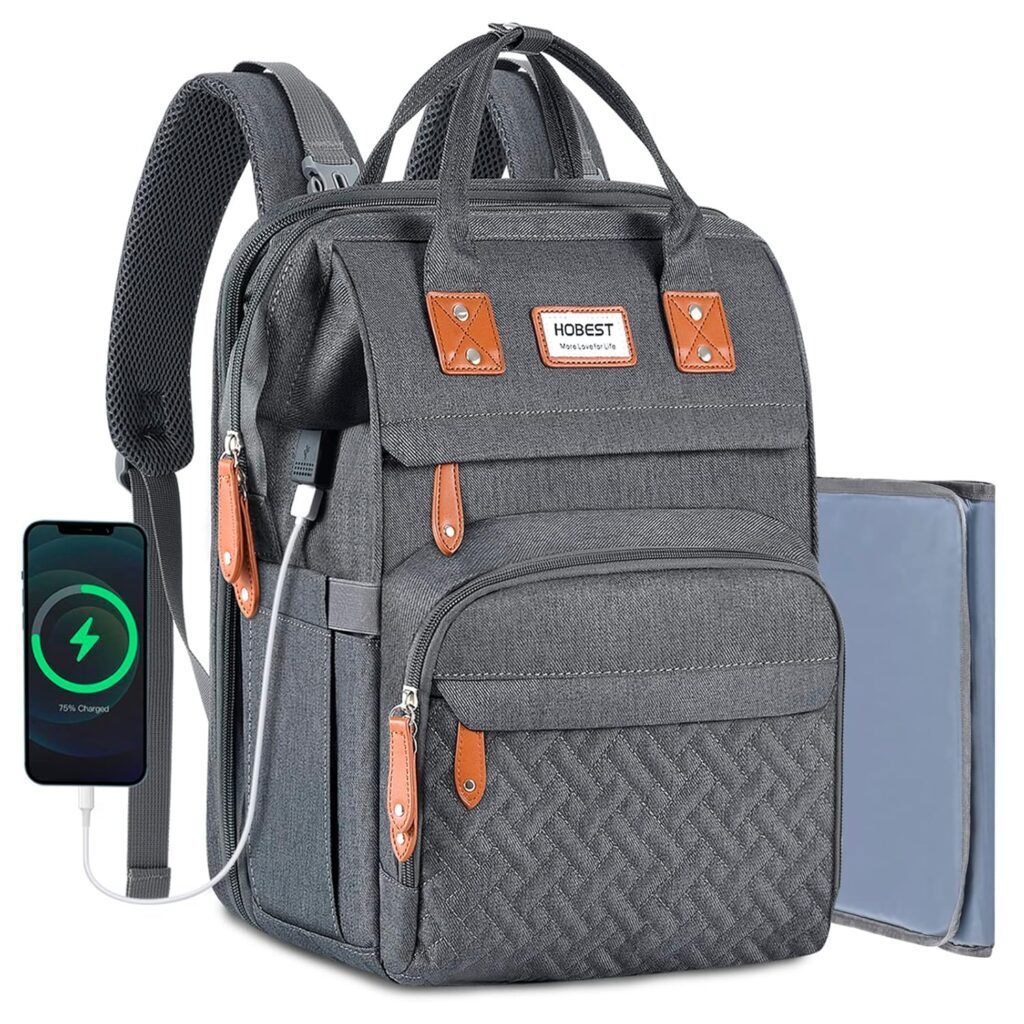
Find it on Amazon

First things first, it’s important to decide when to pack your hospital bag. It’s recommended to have it ready to go by around 36 weeks, just in case your baby decides to make an early entrance. Now, let’s dive into the checklist to ensure you’re well-prepared for your hospital stay.

For you:

  • Photo ID
  • Insurance Card
  • Any paperwork for your doctor
  • Birth Plan
  • Cell Phone 
  • Cell phone Charger
  • Nursing Bra
  • Nursing Pads
  • Nightgown
  • Bathrobe
  • Slippers  
  • Warm Socks 
  • Extra Underwear
  • Going home Outfit
  • Toothbrush
  • Toothpaste
  • Deodorant
  • Hairbrush
  • Shampoo and Conditioner 
  • Lotion 
  • Make up
  • Chapstick
  • Hairdryer
  • Hair clip or Hair tie 
  • Sanitary Pads 
  • Something to Read 
  • Mints or Gums 
  • Sugar hard candy 
  • Snacks
  • Folder for any paperwork you will get from the hospital 
  • Nursing pillow
  • WashCloths
  • Favorite Pillow

Amazon Find

Find it on Amazon

Amazon Find

Hospital bag checklist

For baby:

  • Baby Car Seat
  • Hat
  • Going Home Outfit
  • Socks 
  • Blanket 
  • Mittens
  • Wipes
  • Diapers
  • Baby Book

Amazon Find

Disclosure: We use affiliate links to earn a small commission. If you choose to purchase something through one of these links, there is no cost to you. 

Homepage
Homepage
Posted in Baby, ParentingTagged advice, baby, parenting

How to Ask for a Raise as a Nanny

LIFESTYLE

If you’re a struggling nanny in terms of asking for a raise. Unsure of how to approach it? Check out our engaging guide!

how to ask for a raise as a nanny…

Don’t be shy about requesting a raise! Research typical nanny rates in your area and rehearse your talking points beforehand. Schedule a dedicated time to discuss compensation with the family. Approach the conversation with courtesy and professionalism, but be clear and direct about your request for a raise.

Highlight the value you bring to the family – mention the positive impact you’ve had on the children’s development, your reliability, or any additional responsibilities you’ve taken on. By confidently presenting your worth and the value you provide, you can have a productive conversation and secure the compensation you deserve.

Find it on Amazon

Remember..

Before approaching your family, take time to plan what you want to say. Prepare an honest but direct statement on why you feel you deserve a raise and back it up with facts.

Explain..

Find it on Amazon

Respectfully explain why you are asking for a raise and make your case in a persuasive way. Show that you understand the value of money and express appreciation for all they have done for you so far. Explain the values you bring, for example, consistent, reliable care, providing stability and peace of mind for parents; and knowledge and trust.

You develop a deep understanding of their child’s personality and needs, you respond effectively to situations, and introduce enriching educational activities. You have a strong bond with the child and provide nurturing and stimulating environment.

Share..

Example: There’s something I’d love to discuss with you regarding my role here. Since I started, I’ve noticed [Child’s name] thriving in [specific area of development], and I believe my contributions have gone beyond the initial duties we outlined. For example, I’ve begun incorporating [specific educational activity] into our playtime, which has sparked [Child’s name]’s interest in [related topic]. Additionally, I’ve taken on the responsibility of [additional duty], which has helped to [positive impact on family life, e.g., streamline mornings, create a more organized space].

I’ve also done some research on nanny rates in our area. With my experience level and the responsibilities I handle, a fair compensation range would be [mention the desired raise range.

Find it on Amazon

Find it on Amazon

Ensure..

Ensure that you find or schedule some time to discuss your raise. Instead of waiting for a casual moment, take the initiative to schedule a dedicated time. This shows respect for their time and allows for a focused conversation. You could say something like, “Hi [Family name], I’d love to schedule a time to chat about my role here. Would [suggest specific time] work for you?”

Find it on Amazon

Be prepared..

Find it on Amazon

Remember, the family loves you and want to keep you in their family. Be prepared to answer any questions the family might have. They value you and want to keep you happy. There’s a chance they may have additional requests, and those are things you should be open discuss openly.

Appreciation…

Once the conversation is over, express your appreciation for their time and consideration. Regardless of the outcome, having the conversation shows that you are serious about your job and value yourself as a nanny. 

Find it on Amazon

With these tips and your dedication, you’re well-equipped to confidently request a raise and secure the compensation you deserve!

Disclosure: We use affiliate links to earn a small commission. If you choose to purchase something through one of these links, there is no cost to you.

Homepage
Homepage
Posted in LifestyleTagged advice, nanny

Healthy breakfast for kids

BREAKFAST

Mornings are often busy. Parents are rushing to work and kids rushing to school, so serving a healthy breakfast option can be a struggle. But putting a little extra effort into your breakfast routine can make a huge difference for your child!

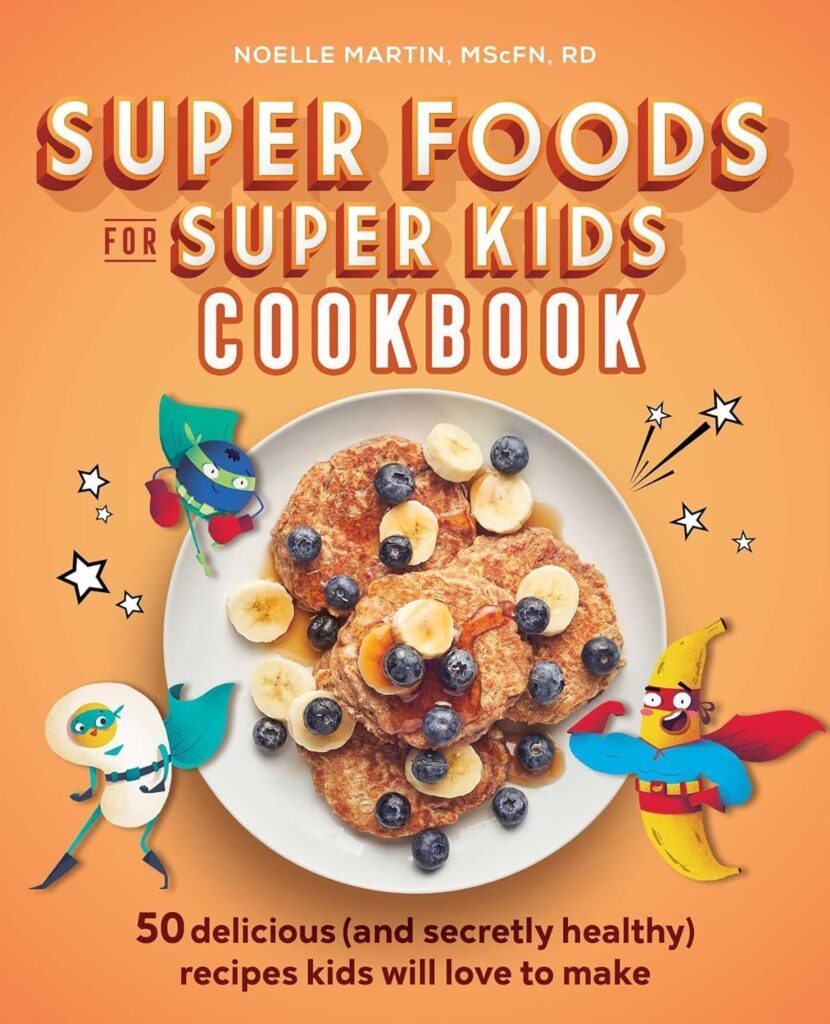
Healthy Cookbook

Breakfast is the most important meal of the day. After a long night of sleep, choosing healthy foods to start the day off well can really impact a child’s energy level, concentration, mood, and other food choices later in the day.

While we may be tempted to settle for convenient breakfast options, remember that we are shaping our children’s long-term patterns around eating. We can probably all agree a healthy breakfast is important- but what exactly makes up a healthy breakfast? 

“Breakfast foods” 

Foods such as breakfast bars, granola bars, cereals, and toaster pastries are typically high in sugar and refined carbs and severely lacking in nutritional value. Marketing for these foods is often misleading.

Healthy Breakfast

Breakfast Bible

When I try to read nutrition labels I am easily overwhelmed. Sometimes it feels so impossible to feed our children…healthy food….three times a day. I know I’m not the only one who feels that way. One way I have been able to cut down my stress is to try to mainly buy whole, real foods. I’ve crafted a good list of basic healthy breakfast item ingredients, and have actually enjoyed the challenge of finding a variety of ways to serve this nutritious food to my children. 

So, let’s start with focusing on what ARE the important ingredients for a healthy breakfast for kids!

What constitutes a healthy breakfast?

My mom friends and I always joke that when our kids eat cereal for breakfast they are usually hungry (or should I say hangry) within the next hour! Why is that? Well, the extra sugar added in most cereals gives our children quick energy that is unfortunately quickly depleted.

So when we think about a healthy breakfast we want to think about what will nourish our child and give them energy for all the learning, growing, and moving they will do throughout the day. When planning for your child’s breakfast meals, think about protein, complex carbohydrates like whole grains, and healthy fats. 

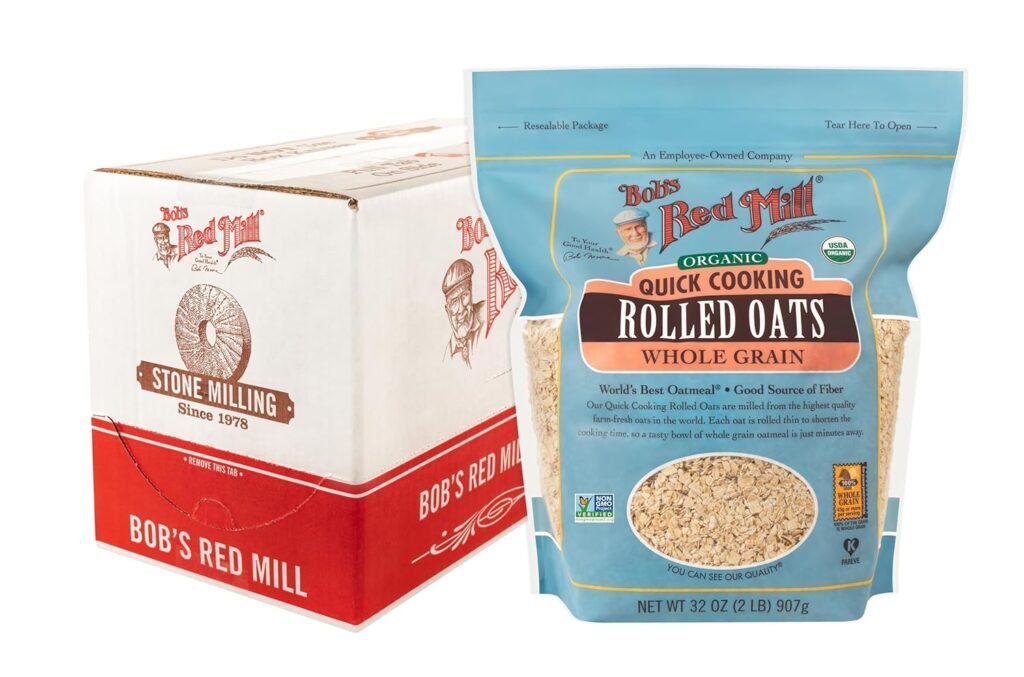
Oats

What’s in a healthy breakfast?

Protein

Proteins are important because they act as the building blocks for our bodies- they are a vital nutrient! Proteins are essential for our muscles, hair, skin, organs, as a source of energy for our bodies, and so much more! We need proteins to help our bodies grow, develop, restore, and repair. A child’s need for protein as part of a healthy diet is extra important as their bodies are growing and developing significantly as they mature.

If you aren’t sure how much protein your child should be consuming, the USDA has a helpful table with recommended daily serving sizes based off of age range, located here Protein Foods | MyPlate. The website includes a table showing ounce equivalents for foods such as nuts and seeds, beans, and eggs which is a helpful tool as you try to plan healthy meals. 

Whole grains and other complex carbohydrates

Carbohydrates are essential for our bodies, and allow both our brain and body to function. Complex carbohydrates fuel our bodies for longer because they take longer to digest. The slow release of energy over time allows our body’s blood sugar levels to remain stable, which is important to manage hunger cravings and mood. Many foods that have complex carbs contain vitamins, minerals, and fiber as well!

Healthy Fats

In our diet-obsessed culture, “fats” get an ugly name. But the reality is that fats are an essential part of a healthy breakfast (or any meal!) for kids. Fats are needed for body and brain development, and are needed to help our constantly growing children to feel full.

Healthy Breakfast Building Blocks

Protein sources- breakfast edition

A great protein source for children is eggs. The great thing about eggs is how much variety they allow! There are so many different ways to prepare them, so you can be almost certain to find something your child will like!

Yogurt is a great healthy breakfast choice for kids and also high in protein. Be aware that Greek yogurt contains more protein than regular yogurt. I recommend plain unsweetened Greek yogurt, but if you choose something different do read the nutrition label carefully. Check the amount of protein (a good Greek yogurt can contain 15 to 20 grams of protein in an 8 ounce container). Also check sugar content, as some yogurt brands are notorious for adding a significant amount of sugar. 

Whole grains and complex carbs sources- breakfast edition

Fruit and vegetables are both great additions for a healthy breakfast for our kids. I always feel great about my mom skills when my kids start the day off with vegetables and fruits as part of their breakfast!

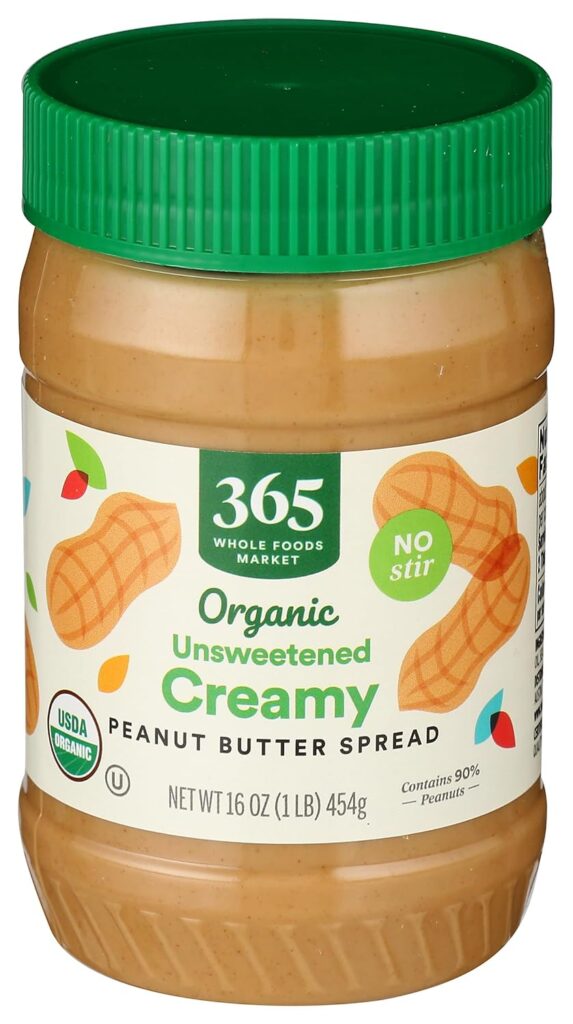
Oatmeal is an excellent healthy breakfast choice for kids! Like eggs, oatmeal can be prepared in many different ways. You can easily add seeds, nuts, nut butters, fruit, and so much more to get added protein and healthy fats. Every child can find a combination that they enjoy eating!

Healthy Breakfast Ideas

Top 5 Quick Healthy Breakfast Ideas

  1. Egg in a hole on whole wheat bread (my 2 year old loves to help prepare this one). 
  2. Yogurt parfait topped with fruit, nuts, and chia
  3. Oatmeal (try with nut spreads, nuts, seeds, pumpkin puree, apple chunks, etc)
  4. Avocado toast with egg
  5. Vegetable omelet

Top 5 Make ahead Healthy Breakfast Ideas

  1. Overnight oats (my children love carrot cake overnight oats and I love getting in a whole serving of vegetables at breakfast time)
  2. Oat bake
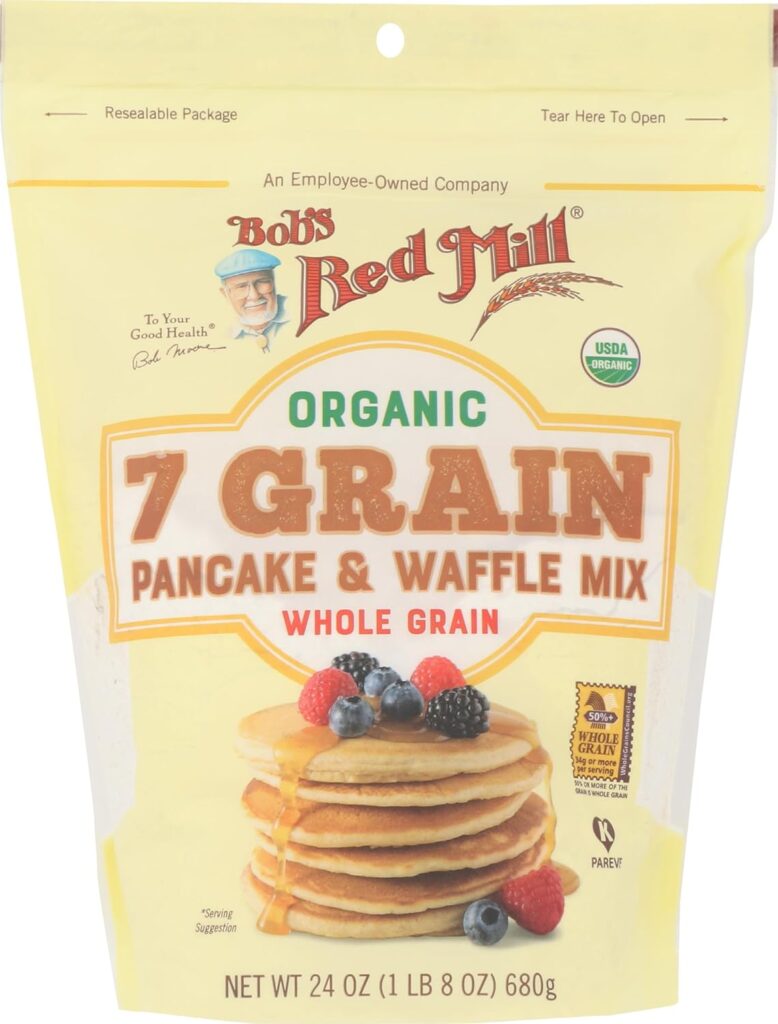
  3. Whole grain waffles
  4. Egg and veggie bake
  5. Turkey and tomato whole wheat bagel sandwich

Eat on-the-go Breakfast ideas

  1. Breakfast Burrito
  2. Smoothie
  3. Yogurt with cereal
  4. Egg and veggie muffins
  5. Energy Bites

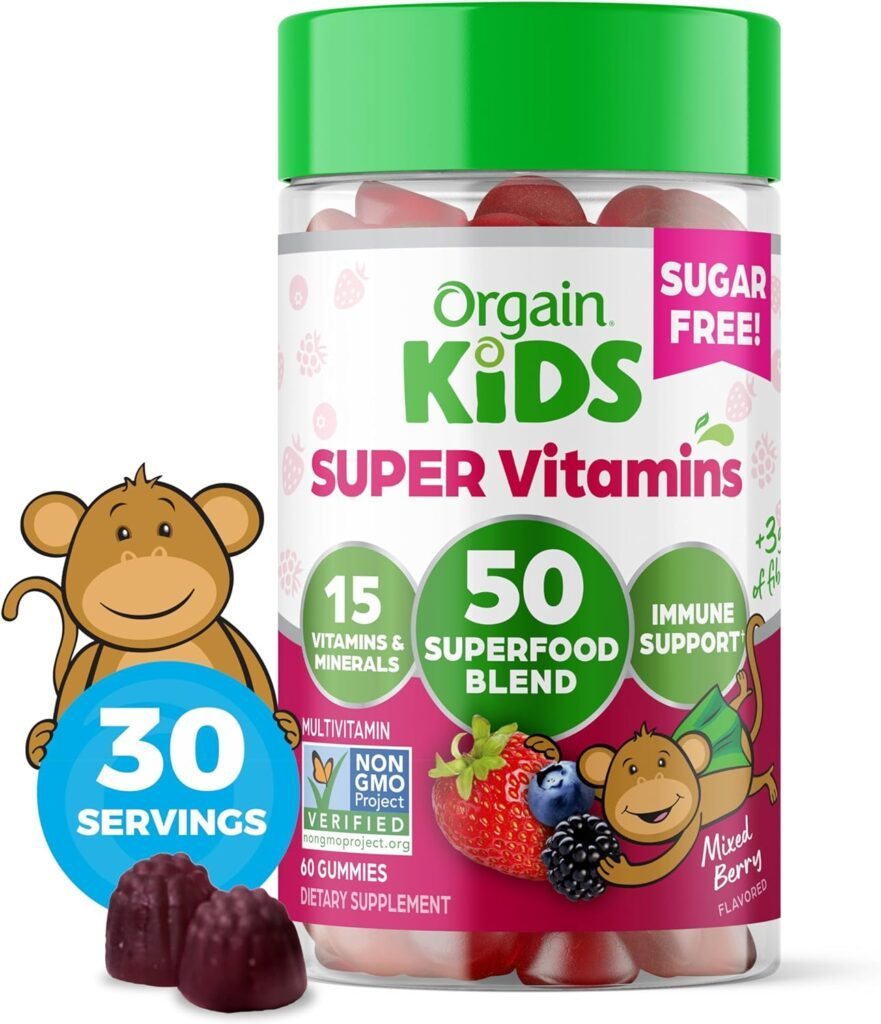
Add Kid’s vitamins

Disclosure: We use affiliate links to earn a small commission. If you choose to purchase something through one of these links, there is no cost to you.

Homepage
Homepage
Posted in BreakfastTagged advice, kids, parenting

Before hiring a nanny

PARENTING

So, you have decided that the right decision for your family is hiring a nanny? This is a big step for a family and there are often many decisions to make as you prepare to invite someone new into your life to help care for your little one. While this next step is exciting, it can be overwhelming to figure out where to start! Here are our suggestions of where to begin when hiring a nanny:  

Clearly Communicated Expectations

The first thing you need to decide is what exactly you want your nanny’s job to be. If you have a partner, take time to discuss and set expectations with them prior to meeting with potential nannies to ensure that you are on the same page. Think through expectations around caring for the baby, baby related household chores, how and to whom you would like the nanny to communicate with, expectations around discipline, and so on.

When meeting with potential nannies, it is important to clearly explain all the duties you are expecting of them as well as any ideals around discipline style and so on. Clearly articulating your needs and values will help prospective nannies know if they will be a good fit with your family. 

Secondly, it is important to clearly communicate working hours to prospective nannies. This includes overtime, sick days, holidays, and time off, etc. Important part of communication is payment and should be something that is agreed upon together. Remember to consider things like annual raises, Christmas or other bonuses, and so on, so as to ensure no one is surprised later on. 

Perlimpinpin Lifestyle

Contract/Trial Period

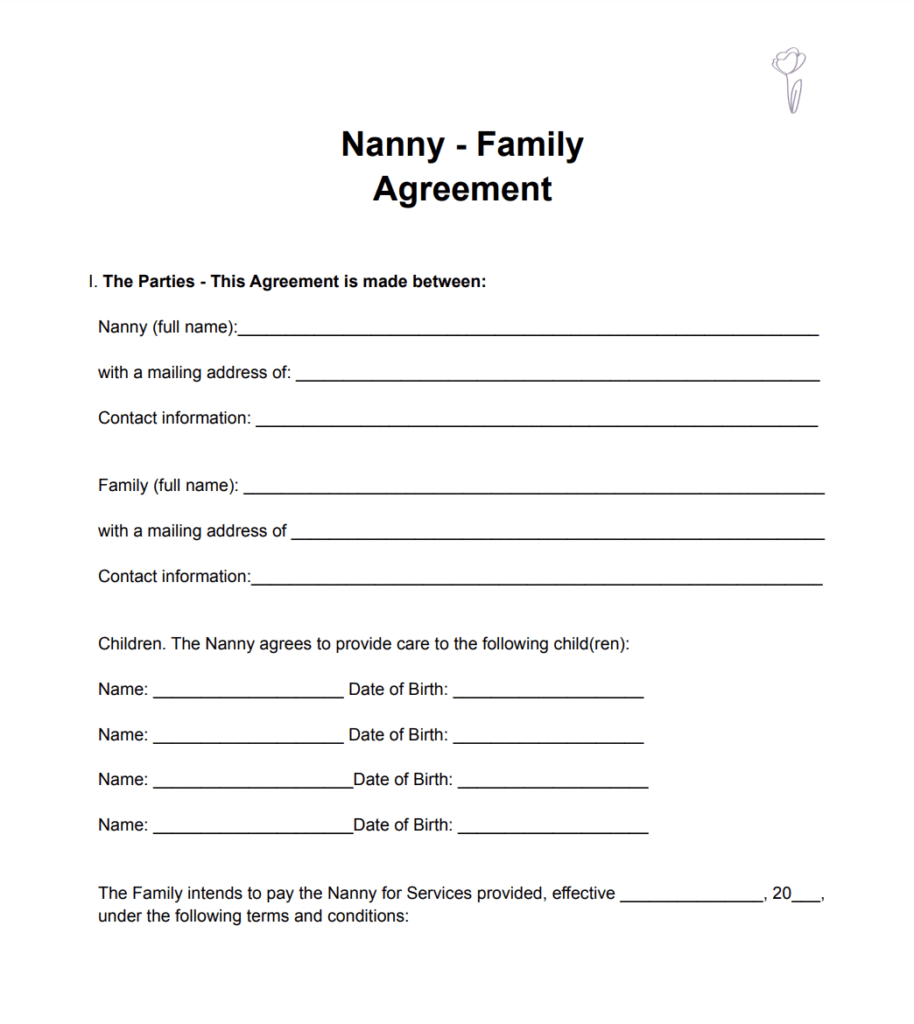
When these things are all thoroughly discussed and agreed upon, draw up contract This does not need to be an overly serious exchange, but something in writing that lists out job expectations, working hours and time off, and salary will suffice. This document is always signed by both parties, with each receiving a copy.  A contract not only protects both parties, it can also be used as a tool to evaluate performance or discuss unmet expectations if the need arises. 

Finally, set a trial period with your prospective nanny– and once that time has passed (whether it’s two weeks or one month or whatever time you have decided on) , really take the time to discuss how the partnership is working out – for both parties. Revisit the contract together to discuss how expectations are being met. Ask your nanny how the job is going and whether it seems like a good fit.

Safety 

When it comes to our little ones, safety is our top priority. Once you have interviewed prospective nannies and decided on your top choice, get a background check done. Some nanny hiring agencies require all of their candidates to complete background checks. But if you are hiring a nanny without the help of an agency, consider using an organization such as Trustline is a California based database of nannies and babysitters that have cleared background checks. 

Find it on Amazon

Alway call the references. Consider the values and expectations you have highlighted in your contract with your nanny. Ask previous employees questions about how your prospective nanny handled similar expectations in the past. Checking references can not only give you peace of mind, but also be a great way to get to know your new nanny on a different level.

Develop a Relationship

The last recommendation is – build a relationship!

Remember when you are hiring a nanny, you are inviting a person to partner with your family in the important task of caring for your child!

It’s important to try to take opportunities to build a relationship with your nanny. Of course it is easy to have conversations about them. Ask about their interests, their day, their significant others, and so on.

Find it on Amazon

As you develop a relationship with your nanny, keep the clear communication on-going. Give your nanny opportunities to share what is going well with your little one as well as what may be challenging. 

Trust/Instinct

Find it on Amazon

Hiring a nanny can be a huge adjustment for some parents. It is so important for the parent-nanny relationship that a level of trust exists. Micromanaging can be very difficult for nannies when they are working with overbearing parents.

Remember to let go a little and trust your nanny to do a great job! And enjoy knowing that your little one (or ones) have the great privilege of having another adult in their life. Reflect on how wonderful it is for your child to have someone else to play with and to learn from. Consider how wonderful it is that your child has another adult in their life who cares for them.

And finally, when hiring a nanny, the most important thing is to trust your instincts. You know what you are looking for because you know what your child needs are. If you don’t feel good about the first nanny you interview, don’t settle. Listen to your gut until you feel happy and secure with your choice!


Disclosure: We use affiliate links to earn a small commission. If you choose to purchase something through one of these links, there is no cost to you.

Homepage
Homepage
Posted in ParentingTagged advice, mom, nanny

Potty Training 101

CHILD, PARENTING

Potty training is one of the biggest worries among new parents. So many questions arise about when to start and how to do it. Well-meaning grandparents, neighbors, and childcare workers all want to offer advice, but the fact is – you are the parent and only you will know when you and your child are ready.

When to Begin Potty Training

There is no magic age when potty training should begin, but most children begin to show interest at around two years old. Forcing the child to learn before they are ready will just lead to frustration for you and them. 

Find it on Amazon

Is My Child Ready? 

A considerable portion of successful potty training depends on the child understanding the process and following instructions. 

Find it on Amazon

  • Begin using words such as potty or toilet, pee, poo or BM. 
  • Your child should be able to walk to the potty by himself for a few minutes. 
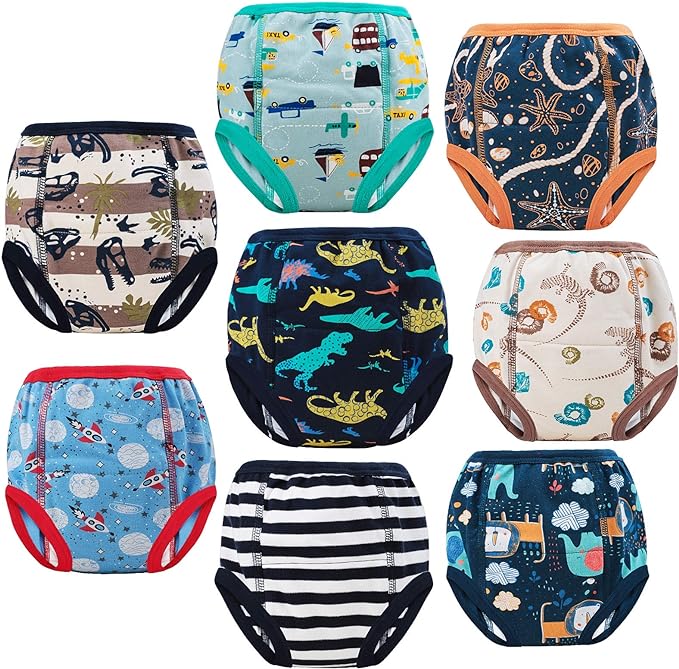
  • The child should be able to pull down a training pant or diaper,
  • The child should be able to use words to voice their toilet needs
  • The child follows simple commands (i.e. pick up the blocks and put them in the box)

If your child isn’t ready, don’t stress. Children mature at different rates. Just because the neighbor’s two-year-old is using the toilet and your 28-month-old is not, that does not reflect your success as a parent. Also, don’t let well-meaning grandparents or childcare workers push you into starting before your child is ready. You know your child best.

Signs to Look For

Every child is different and accomplishes tasks at different stages, but there are certain signs that your child may be ready for toilet training. 

  • Pulling off a wet or dirty diaper
  • Staying dry for 2 hours or more
  • Hiding in a corner to pee or poop
  • Following others into the bathroom 
  • Flushing the toilet
  • Waking up dry from a nap
  • Telling you after they went pee or poo in their diaper
  • Specific body movements or facial expressions (i.e. the pee-pee dance)

Find it on Amazon

Not all children display all these signs, but you should begin talking to your child about the potty if you notice any of these behaviours.

How to begin

Let your child go into the restroom with you and talk to them about what is going on. (ie. I am going potty because I felt like I needed to pee.) Explain the need to flush and wash hands.

Find it on Amazon

  • Let the child flush the toilet. Have them stand on a stool and wash their hands while you wash yours.
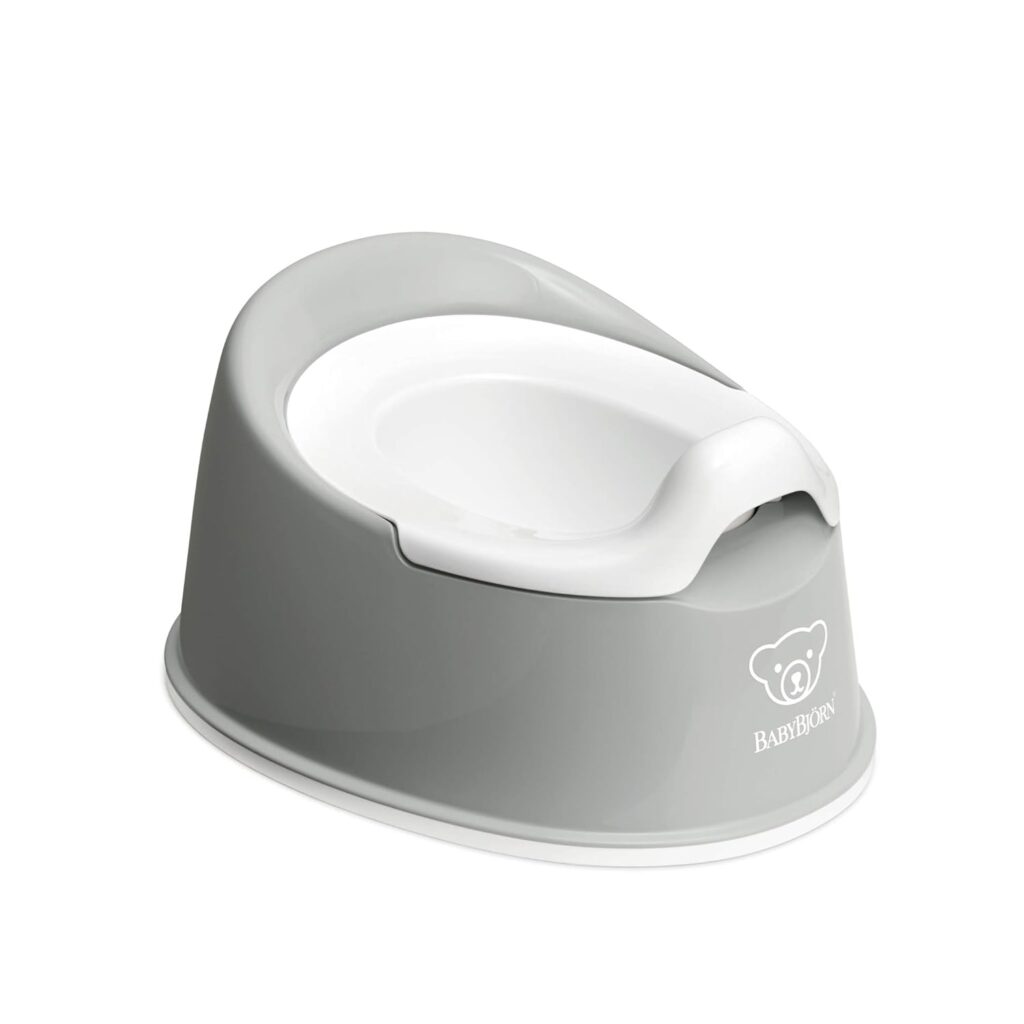
  • Take the child shopping for training diapers and a potty chair. Let them help pick it out. Make a big deal about it.
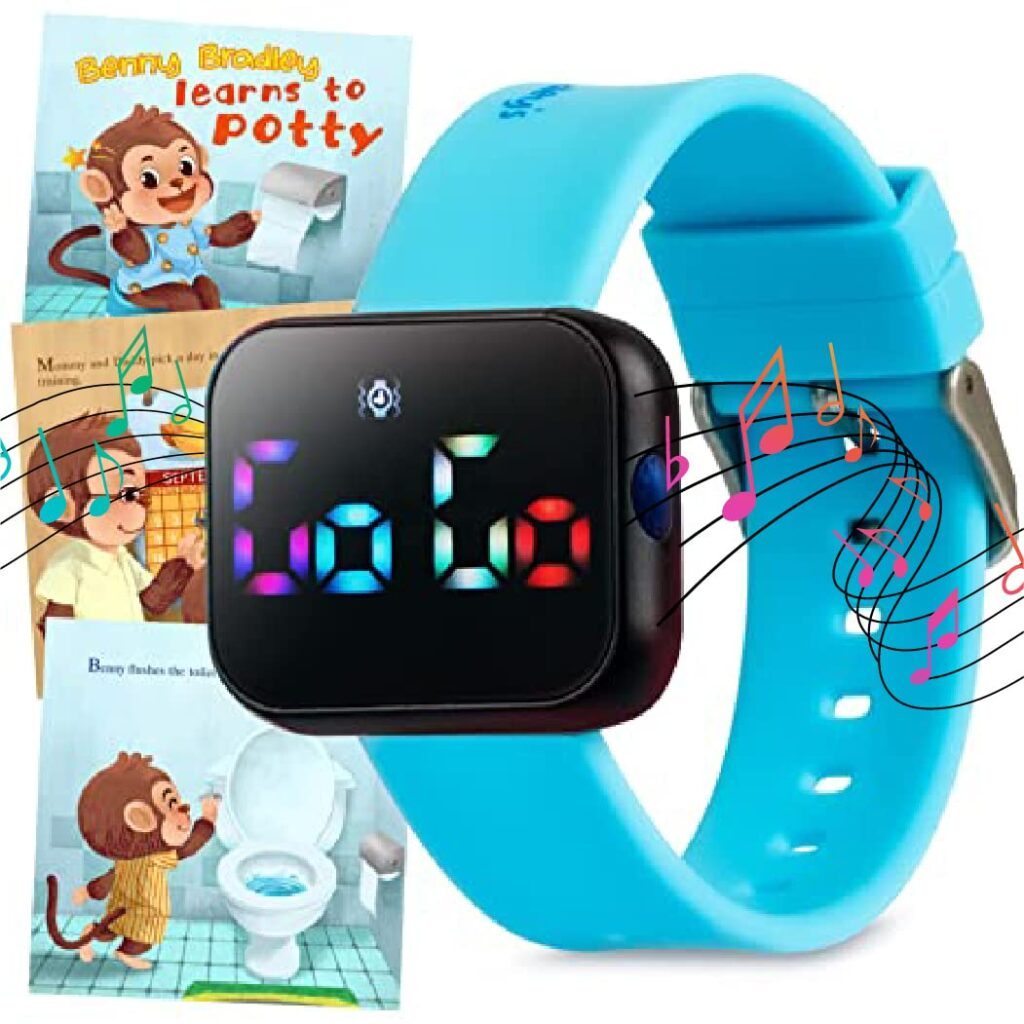
  • Visit the library or bookstore for books about potty training. Many children’s authors have written about popular characters going through toilet training. 
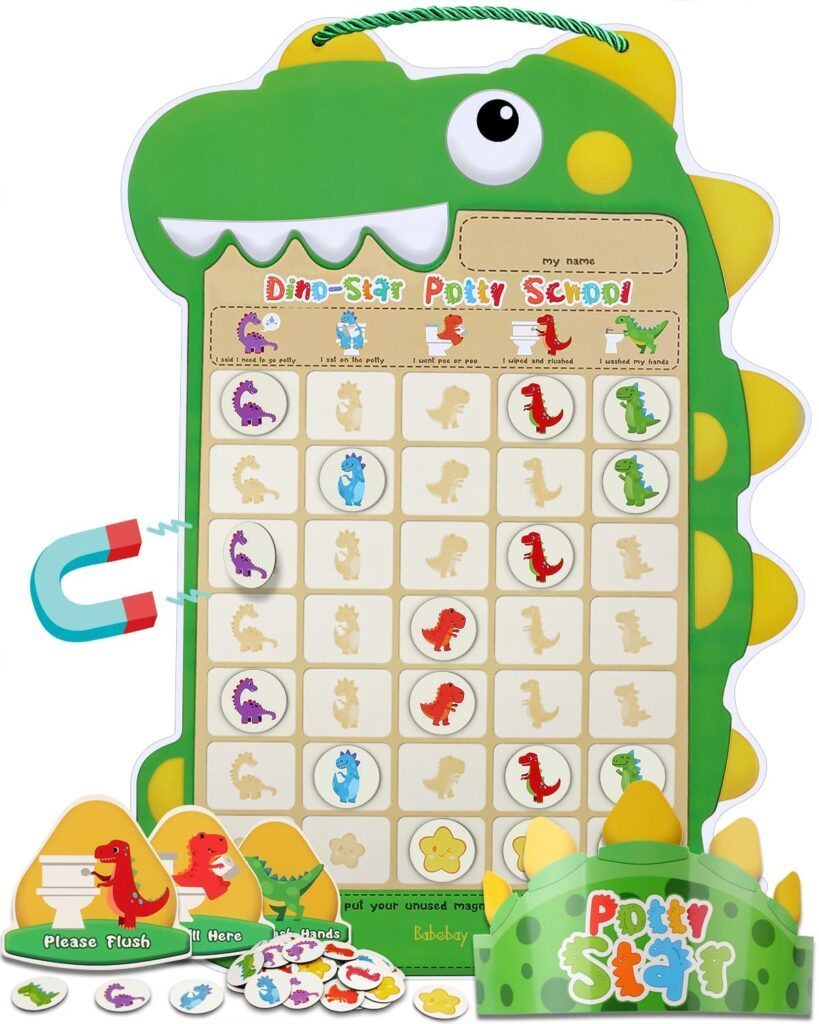
  • Purchase or make a potty training chart and choose stickers in the shape of favorite cartoon characters.
  • Encourage the child to use his potty words when you are changing his diaper. 
  • Let the child sit on the potty with their diaper on while you read a story, or they play with a favorite toy. This eliminates the scary newness before toilet training begins.

Find it on Amazon

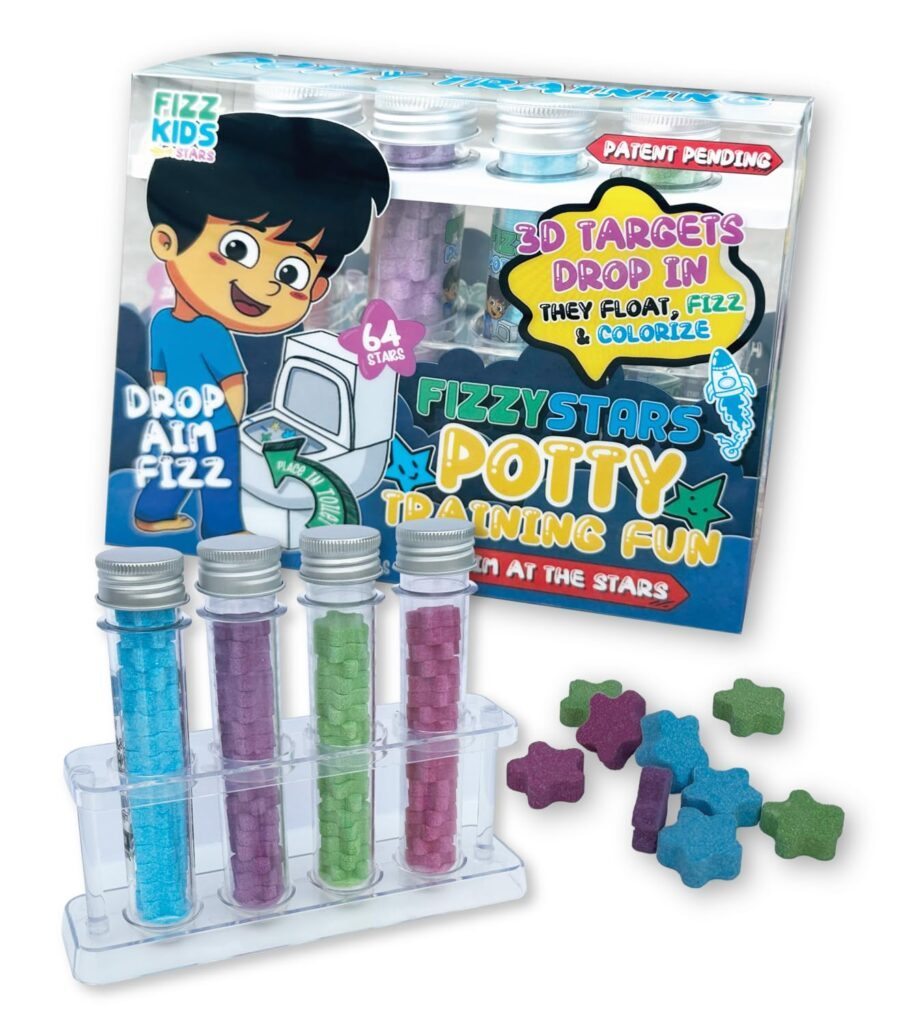
Once your child has become comfortable with the potty, begin by having them sit on it immediately after waking up in the morning or before nap time. If your child uses the potty, offer praise and add a sticker to the chart. If not, simply reassure them that you’ll try again in a few minutes.

Find it on Amazon

Remind your child about the potty every thirty minutes or so. Make sure he sits on the potty at least once every hour. 

Always use verbal praise, even if they only sits there for a minute and does not go. Silly songs, hugs, high fives, and crazy laughs are all types of praise children respond to.

Helpful Tips

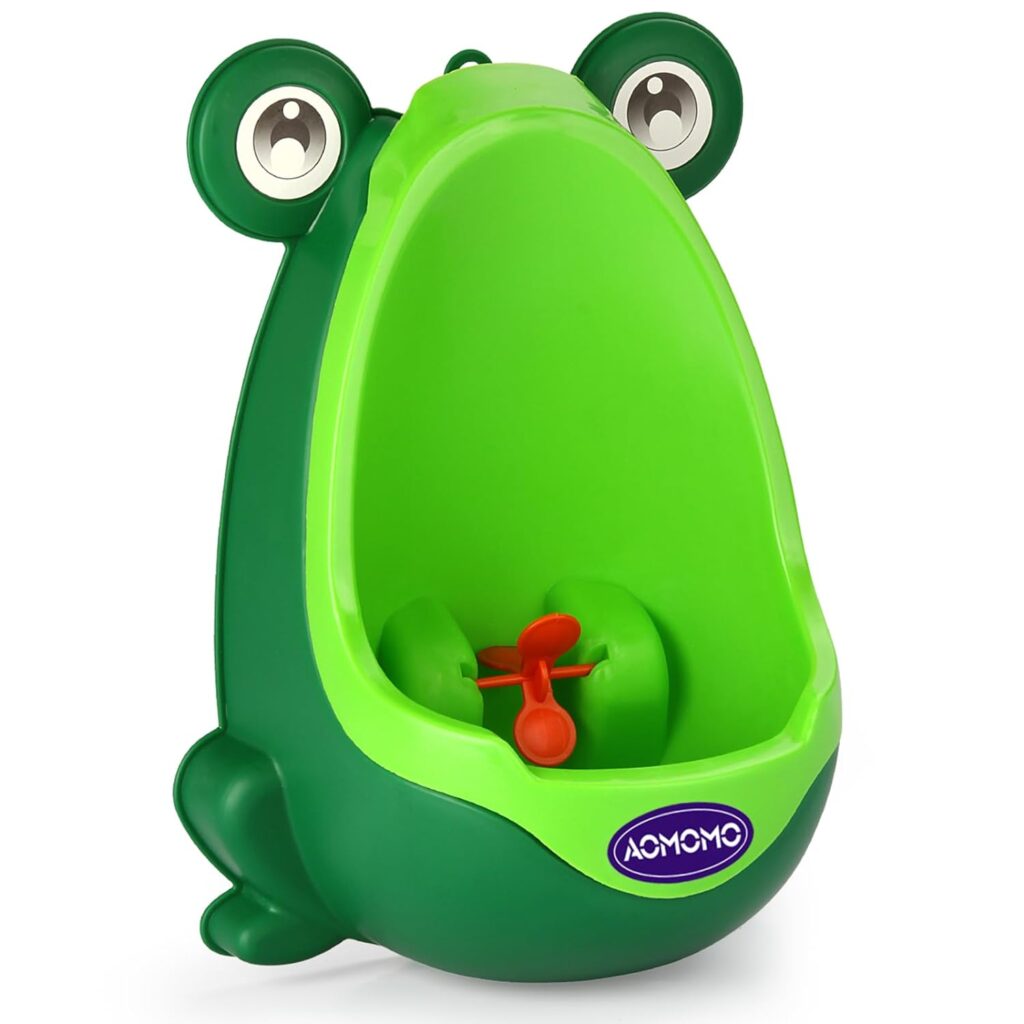
If you are training a boy, start out with him sitting down to use the potty. He will be ready to stand and urinate after he has control of when he needs to go.

Some children get off to a great start, then suddenly decide they don’t want to use the potty anymore. That’s a regular occurrence. Try new reward system or purchase some big boy underwear. Remember that it should be fun for the child.

Find it on Amazon

Find it on Amazon

Find it on Amazon

Be patient!! Accidents will happen. Children will mess on the floor. Clothing will be soiled.

Try potty training when it is warm in the house so your child can run around in just a shirt and a training diaper.

Make sure clothing is a little loose and easy to remove. Now is not the time for those cute overalls or a fancy party dress.

Always have the child try to go when you are near a restroom. Always! 

After two weeks of consistent potty use with no accidents, go shopping for big kid underwear. Make a big deal out of selecting the ones the child wants.


Disclosure: We use affiliate links to earn a small commission. If you choose to purchase something through one of these links, there is no cost to you.


Homepage
Homepage
Posted in Child, ParentingTagged advice, mom, parenting

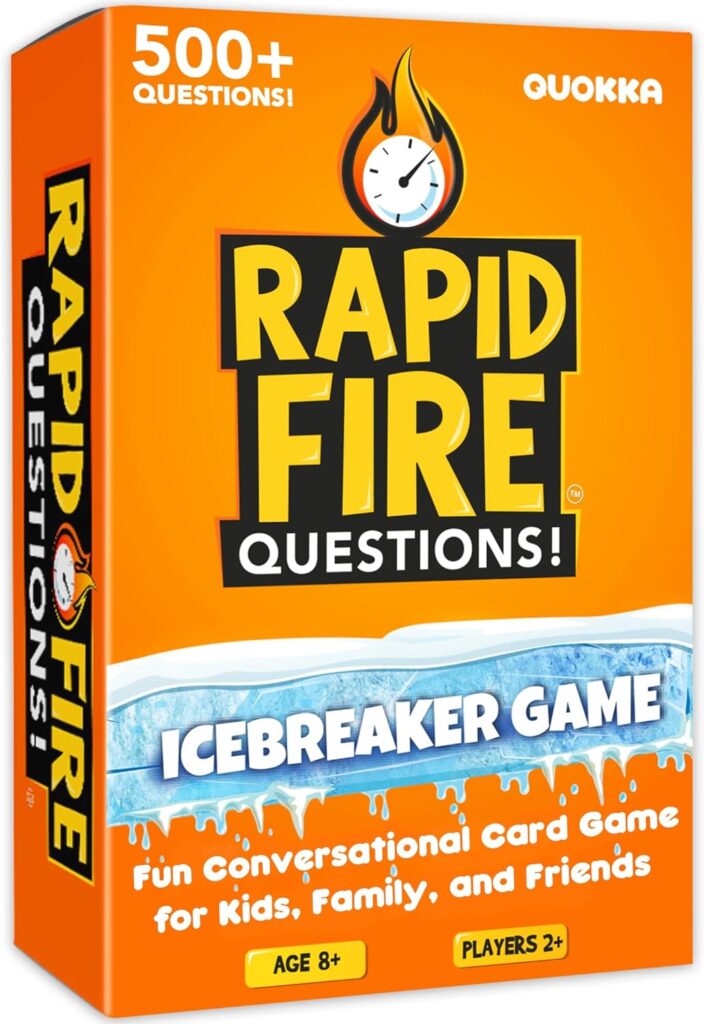
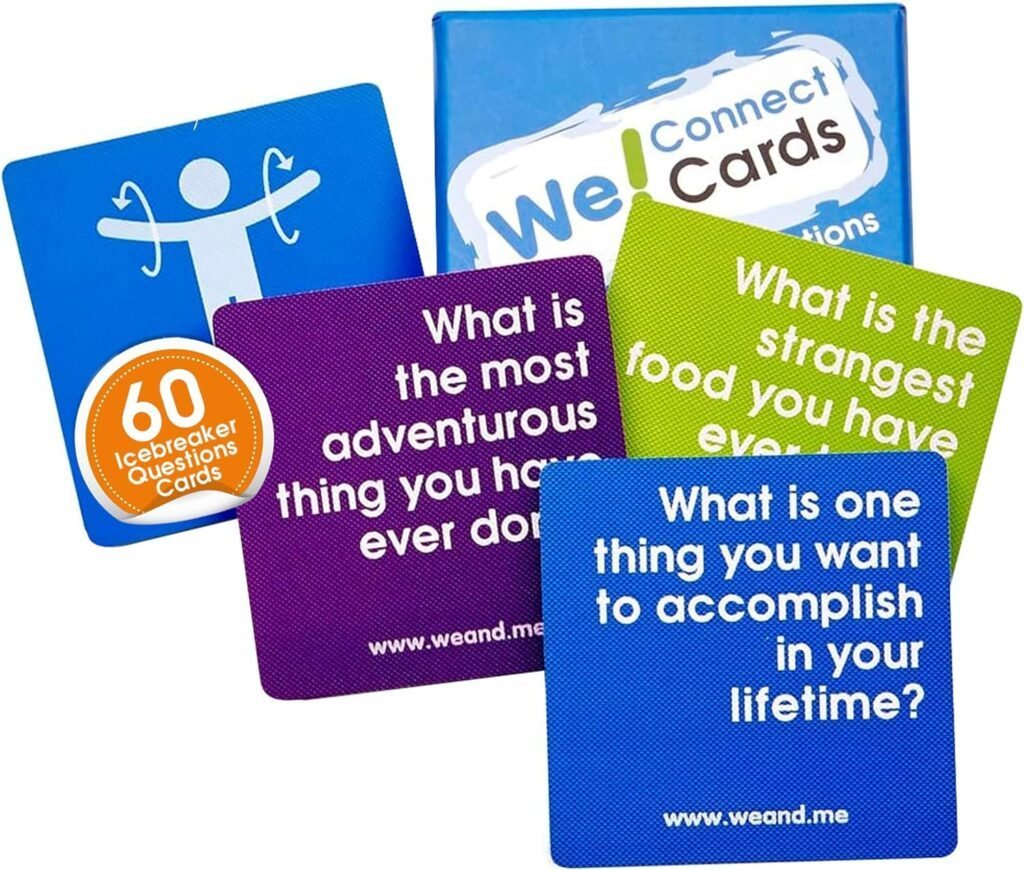
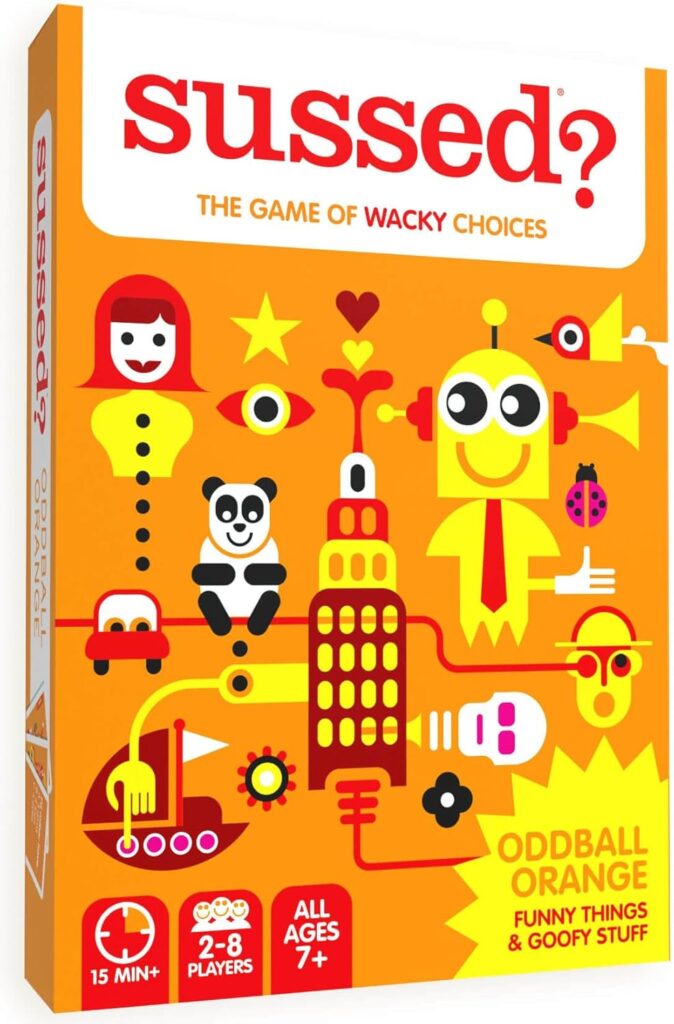
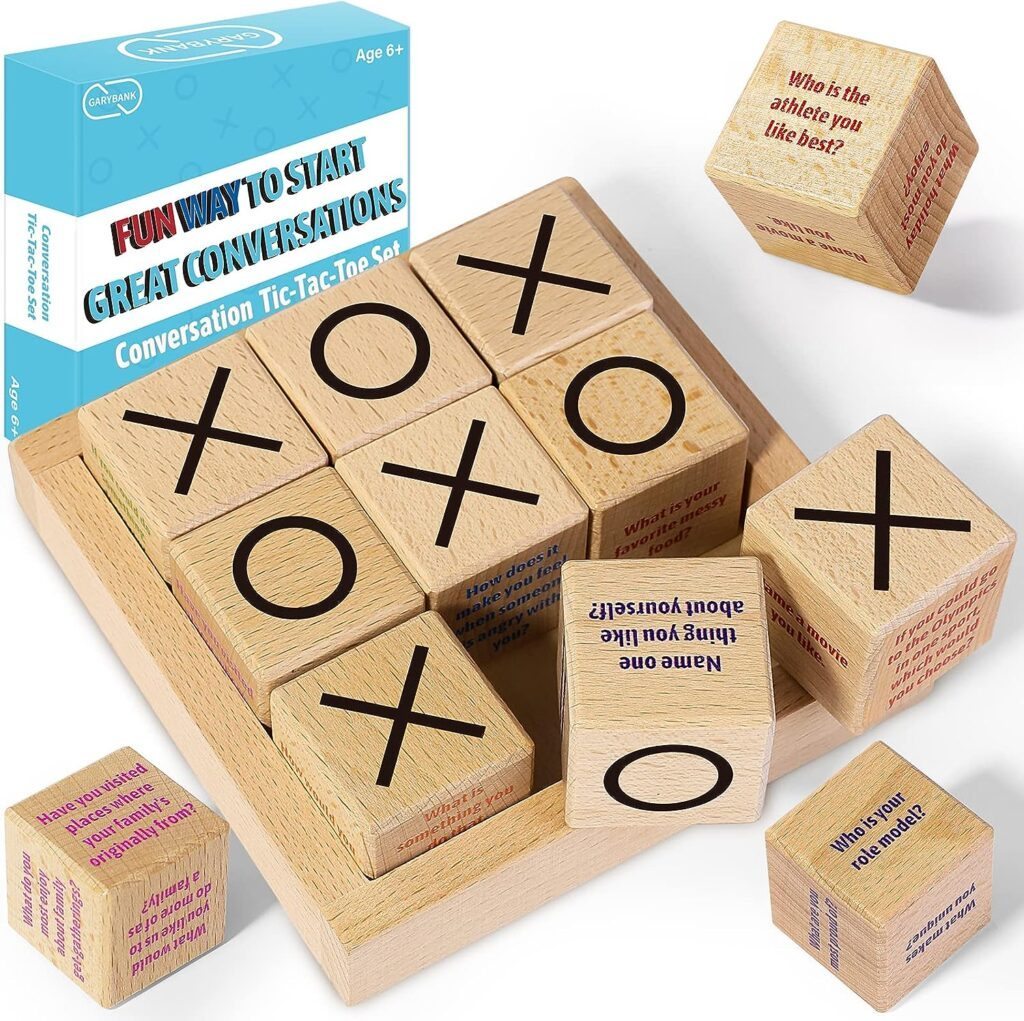
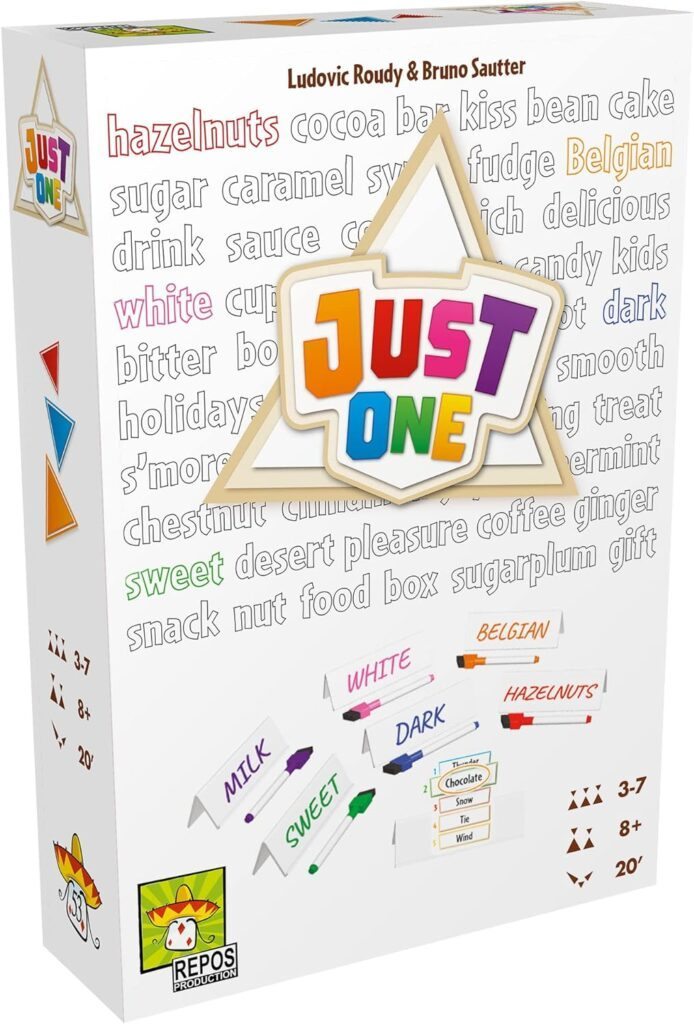
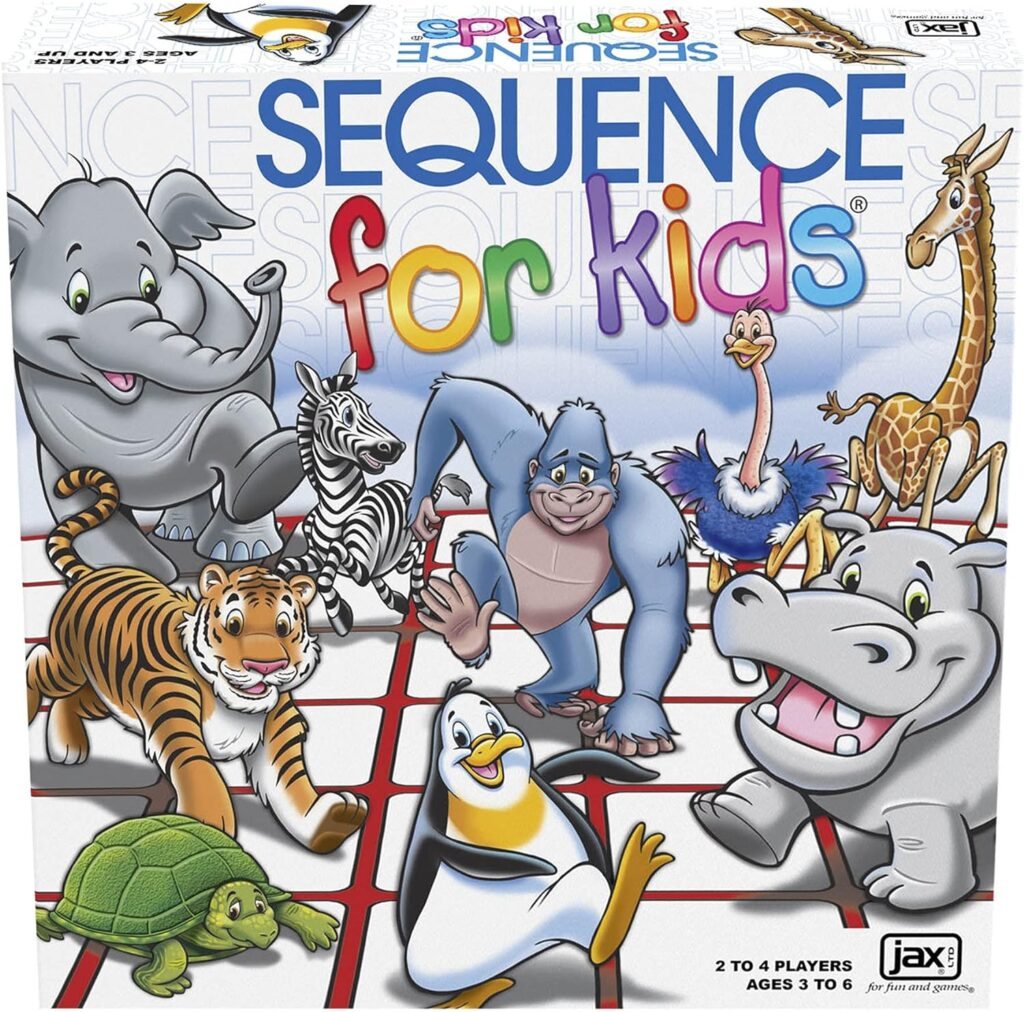
12 Amazing Icebreaker Games for Kids

CHILD, FAMILY FUN, GAMES, PARENTING

We as caretakers know how important first days are. Your children often feel nervous or shy. You want to set everyone up for success and start strong, and the best way to do that is with an icebreaker Games! 

Find it on Amazon

An icebreaker is a game or activity that will “break the ice” for your learners. These game ideas don’t have to just be for the first days, either! You can use these any time. In fact, I’d recommend using these often. Routines are a great way to help children feel comfortable, and playing these activities regularly will be great for getting your kids warmed up.

You can’t go wrong with these 12 icebreaker games for kids that will wake them up and get them talking!

1. All My Friends…

This icebreaker is similar to musical chairs. All the kids will stand or sit in a big circle with one volunteer in the middle. The volunteer will say “All my friends…” and think of something that they enjoy! For example, “All my friends like to ride bikes!” or “All my friends like ice cream!”. It can be anything. 

If they agree, the other students must stand up and find another spot anywhere in the circle. Whoever is left standing is the next volunteer. Repeat until most everyone has been in the middle.

Find it on Amazon

2. Two Truths, One Lie

Find it on Amazon

Many great icebreaker games, the following one is a classic one for kids. Have the learners think of three sentences: two are true, one is a lie. For example, it could be something like:

  1. My favorite subject is English
  2. I like dogs more than cats
  3. I went to New York this summer

The other kids then have to guess what two are true and what is the lie. This icebreaker is great for introducing children to each other.

3. One Rose, One Thorn

If you’re coming back from a long vacation (or just a weekend), you can have your learners share what they did. They’ll give one “rose” = best part of it and one “thorn” = worst part of it. 

Usually kids will love talking about their lives. Plus with this icebreaker game, you’ll get them thinking about the positives and negatives of something they did. 

Find it on Amazon

4. The Human Knot

Find it on Amazon

For this one of the next icebreaker games split kids into two teams. They will start in a big circle. Have everyone lift their left hand, reach across, and shake another person’s hand. Then have them raise their right hand and take a different person’s hand. Make sure no one is holding hands with the person directly next to them.

They must figure out how to untangle the knot and become a circle again without ever letting go of hands! First team to finish wins. This icebreaker is great for getting them to communicate and cooperate with each other.

5. Inside-Outside Circle

Have the kids form two circles with an equal number of members. One circle will be on the inside, the other will be on the outside. Each kid in the inside circle will pair with a student on the outside. Then, the leader (can be the teacher or another child) will come up with a topic, such as “favorite foods.” 

The children will have ten seconds to share their favorite foods. When the time is up, they’ll move clockwise to the next person and repeat with a new topic until they’re back at the beginning.

This icebreaker game is a great way to have children familiarize themselves with each other, and they have to think fast on their feet. 

Find it on Amazon

6. Pass the Ball

Find it on Amazon

Children will start in a big circle sitting on the ground. They’ll have a big beach ball or similar fuzzy one and you’ll play music. They must pass the ball quickly (no throwing!) around the circle until the music stops. 

When the music stops, you can have them say whatever you like! For example, they can introduce themselves, say something they like or don’t like, or review the material they’re learning. A child with the ball can then stay in the circle or leave–your choice. Then, they keep playing.

7. Four Corners

Start by labeling each corner of the room with Strongly Agree, Agree, Disagree, Strongly Disagree. Children will start in the middle of the room.

Adult will read out a statement, such as “I love pineapple on pizza” or “I think P.E. is better than art.” The children will then move to the corner that represents their opinion best. Add timer and gets the kids making decisions fast!

Find it on Amazon

8. Find My Partner

Find it on Amazon

Write out matching names on index cards. For example, “Ariel” and “Prince Eric” or “Peanut butter” and “Jelly”. Tip: Disney, Marvel or other popular movies and tv shows are good to use!

Then give each child a card. They can hold it up to their forehead or you can tape it on their back. They’ll stand up and ask the other kids yes-or-no questions so they can find hints as to a) who they are and b) who their match is.

Some questions they can ask are: 

  • “Am I a cartoon?” 
  • “Can you eat me?”
  • “Am I a boy?” 
  • “Do I have magical powers?” 

Once everyone is matched up or time is up, you can ask who they think they are. Then they can reveal their cards and see who got it right! 

9. Who Started It?

Pick one child to leave the room. Pick another child to choose a motion, like rubbing their heads, jazz hands, or clapping. All the other kids will copy their movement. 

Then, have the first child come back into the room. They will have three chances to guess who started the movement. Repeat until several people get the chance to guess who started it!

Find it on Amazon

10. Tell Me A Story

Find it on Amazon

Have children get into a big circle on the floor. One child will start the chain story by saying 4 words, such as “Once upon a time,” or “Last weekend I saw.”

The next child will repeat what they said and add one word. Then, the next child will repeat everything and add another word. This will keep going until someone messes up and can’t remember the sentence! Create some really silly stories. 

11. Silent Line

Children must organize themselves in a line silently and as quickly as possible. The line can be based on any criteria, like height or birthday. They must do all of this without talking, but you can allow them to use their hands or whisper. 

You can make this more competitive by having them face off against another classes’ time. This is a great way to get them working cooperatively even on the first day!

Find it on Amazon

12. Silent Interview

Find it on Amazon

The last one of our icebreaker games is a little like charades. Start by pairing off children. They will then have 3 minutes to tell their partner three things about themselves, like their favorite movie, food, or sport without talking, mouthing, or whispering. They can only use their body!

After the time is up, call everyone back and ask the other children to introduce their partner and tell the class about their three things. 

This game is best played with older children because it can get a little challenging. You can also play it as a whole group instead of pairs if you want to make it easier for younger children.

12 engaging, thought-provoking icebreaker games for kids

Disclosure: We use affiliate links to earn a small commission. If you choose to purchase something through one of these links, there is no cost to you.

Homepage
Homepage
Posted in Child, Family Fun, Games, ParentingTagged advice, games, kids

Nanny vs Babysitter

PARENTING

If you’re considering what sort of childcare your children need, a common dilemma for busy parents is the choice between nanny vs babysitter. Both will take care of your children but what’s the difference? Why choose a nanny over a babysitter or vice versa? First, let’s break down the terms.

Babysitters

Babysitter are short term caregivers. They are hired for nights or weekends when you need a caretaker for a few hours. While they might provide basic child-minding like food or entertainment, they are not as involved as a nanny. Babysitters can be of any age or experience level, and they usually have no formal training.

Nannies

Nannies are long-term, or live-in, or out childcare specialists. They are very involved in your children’s lives and play a bigger role with your children, food preparation, or education. They usually come with years of experience working with children, and it’s common for them to have a degree in early childhood development or education. 

Who is a babysitter?

Sleep Sacks for Baby

Most people are familiar with the concept of babysitters or even have experience being one themselves! Perhaps your babysitter is the neighborhood teenager who needs a part-time job. They might be the retired older woman who has raised several children of her own. They could even be a family member who offers to take the child for the evening.

Whatever your relation to these babysitters is, it’s usually a short-term, hourly-paid position. They are usually hired for 3-6 hours at a time and their role consists of basic childcare. For example, a babysitter’s expected role is something along the lines of making dinner, entertaining the kids, and putting them to bed.

Babysitters can be of any age and any experience level. Since this is a casual work relationship, they do not require the experience or training of a nanny. However, these days many parents expect a babysitter to have CPR and first aid certification.

The babysitter will ideally get along well with your children and give them all the nurturing you would while you’re away, but their bond won’t be as strong or long-lasting nanny’s bond.

Pros of babysitters:

Rate — They are often paid an hourly rate based on their experience level. If this is a babysitter’s first job, they will not charge as much as an experienced nanny. 

Flexibility — Babysitters are hired as needed, and usually for only a few hours. Date night out or if you have some quick meeting and you need someone to watch your kids.

Trial Run — Can be a good “trial run” before committing to a long-term caregiver. Allows you to assess your child’s comfort level with different caregivers and identify potential personality matches for future needs.

Cons of babysitters:

Lack of training — Babysitters generally are not as specialized or experienced as nannies. At most, they might have CPR and first aid certification. 

Less familiar — Because babysitters are not around as much as nannies, they won’t be as involved in your children’s lives. If your children are shy, they may not be as comfortable around their caretaker.

Availability — A younger babysitter probably won’t be available during daytime hours if they’re in school or working another job. Scheduling might be more of a headache.

Who is a nanny?

Nannies are specialized and experienced child caretakers. Because they often studied child development, education or psychology, they have much more training. For most nannies, childcare is a long-term career, not just a part-time gig. 

Usually, being a nanny is a full-time position and they will work five days a week, around 40-50 hours. In addition to childcare, they might perform extra duties such as making food, driving children to extracurriculars, or engage in developmental games. 

Keep in mind that a nanny hired as your employee, not an independent contractor, so most likely they will be entitled to benefits and you will pay employment taxes.

Nannies often have CPR certification, complete educational courses, and many years of experience. They know how to create a nurturing environment that fosters your child’s well-being.

Pros of nannies:

Specialized training — Nannies are professionals and come with many qualifications and experience. You can feel at ease knowing someone skilled is taking care of your child.

Stability — Because a nanny is around so often, they will provide a consistent nurturing presence in your children’s lives. They can offer more attention and engagement than a babysitter.

Childs’ development — Nannies will often be far more involved in a child’s development. Engage with children via games, reading, exercises, etc. 

Cons of nannies:

Personal differences — Parents and nannies might have different styles of childcare or discipline. Nannies will be spending a lot of time with your children and you should be very clear about your parenting style. It’s important to discuss these expectations beforehand and decide whether you will be a good match.

A Professional Relationship — As their employer, you have more legal responsibilities. You will be responsible for your nanny’s taxes and benefits, like sick leave. Because you will need a contract, there is more paperwork and liability. 

Cost — Nannies are more expensive than a babysitter due to their extensive training and qualifications. As mentioned above, you are also responsible for their benefits and, depending on your agreement.

NANNY LANE

Nanny vs. Babysitter – which option is right for you?

Now that we’ve laid out the differences between a nanny vs babysitter, the question becomes: what will work best for you? The choice between a nanny vs a babysitter is ultimately very personal. 

Are you looking for someone to be very involved and focused on your children? Maybe your household has two full-time parents and you need consistent assistance with childcare. Perhaps you would feel better knowing your children are with an experienced professional.

Nannies or Babysitters may not always follow this terminology breakdown. There is always some overlap in caretaker roles.

Disclosure: We use affiliate links to earn a small commission. If you choose to purchase something through one of these links, there is no cost to you.

Homepage
Homepage
Posted in ParentingTagged advice, nanny

Posts navigation

Newer posts
  • Contact Us
  • Terms and Conditions
  • Privacy Policy

© 2026 Nannies and Mommies, all rights reserved.