Skip to content
  • Home
  • Events
    • Events
    • Event Submission
    • Play Dates
  • Jobs
    • Jobs
    • Post Your Job
    • Job Dashboard
  • Store
    • Store
    • Downloads
    • A Workbook for Creating Healthy Relationships for Children
    • Cart
  • Childcare
    • Childcare
    • Childcare Catalog Submission
  • Blog
    • Blog
    • Video Blog
  • Contact Us
    • Contact Us
    • Advertise
    • Privacy Policy
    • Terms and Conditions
  • My Account
Login/Register

Category: Child

Puzzles for Kids

CHILD, GAMES

Puzzles for kids aren’t just a fun pastime; they are powerful tools for cognitive growth in children. From toddlers mastering their first simple jigsaw to older children tackling intricate 3D puzzles, this engaging activity offers many benefits.  

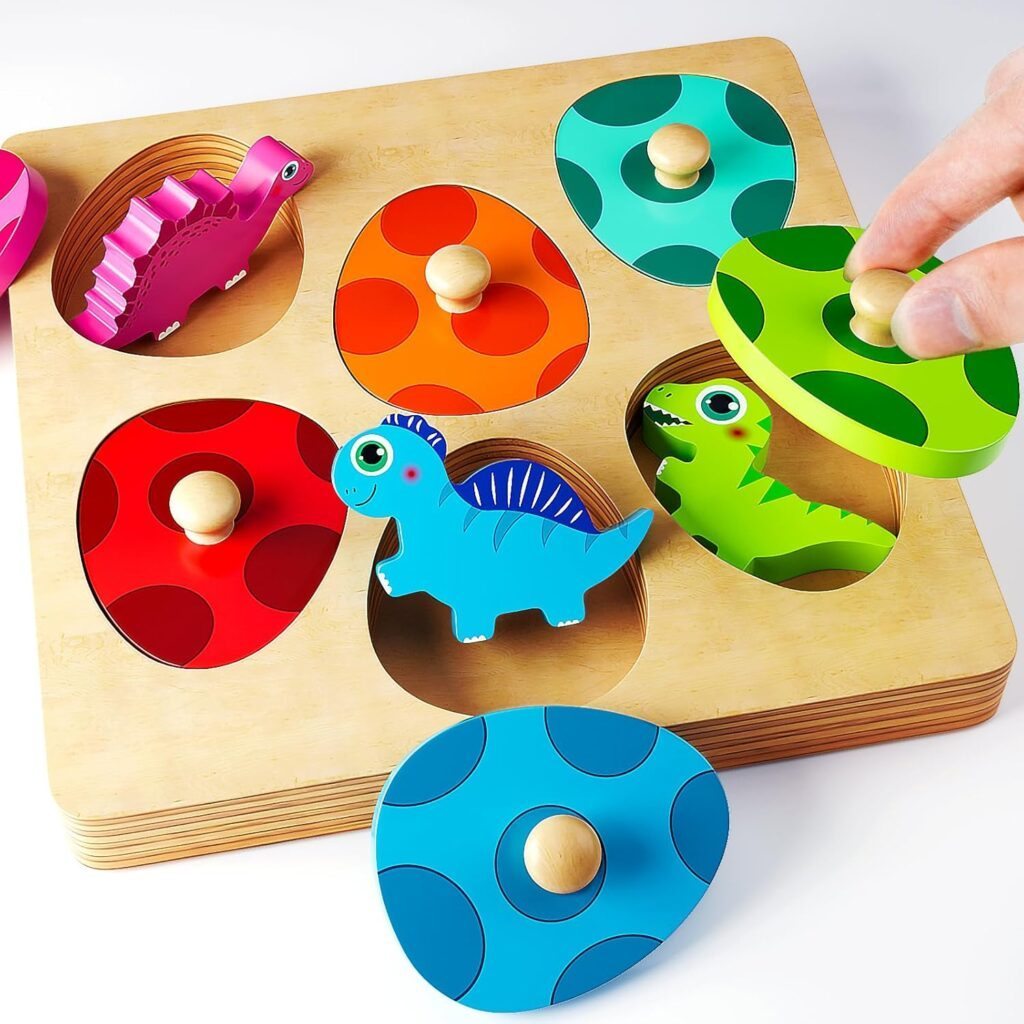
12 – 24 Months Old
Amazon Find

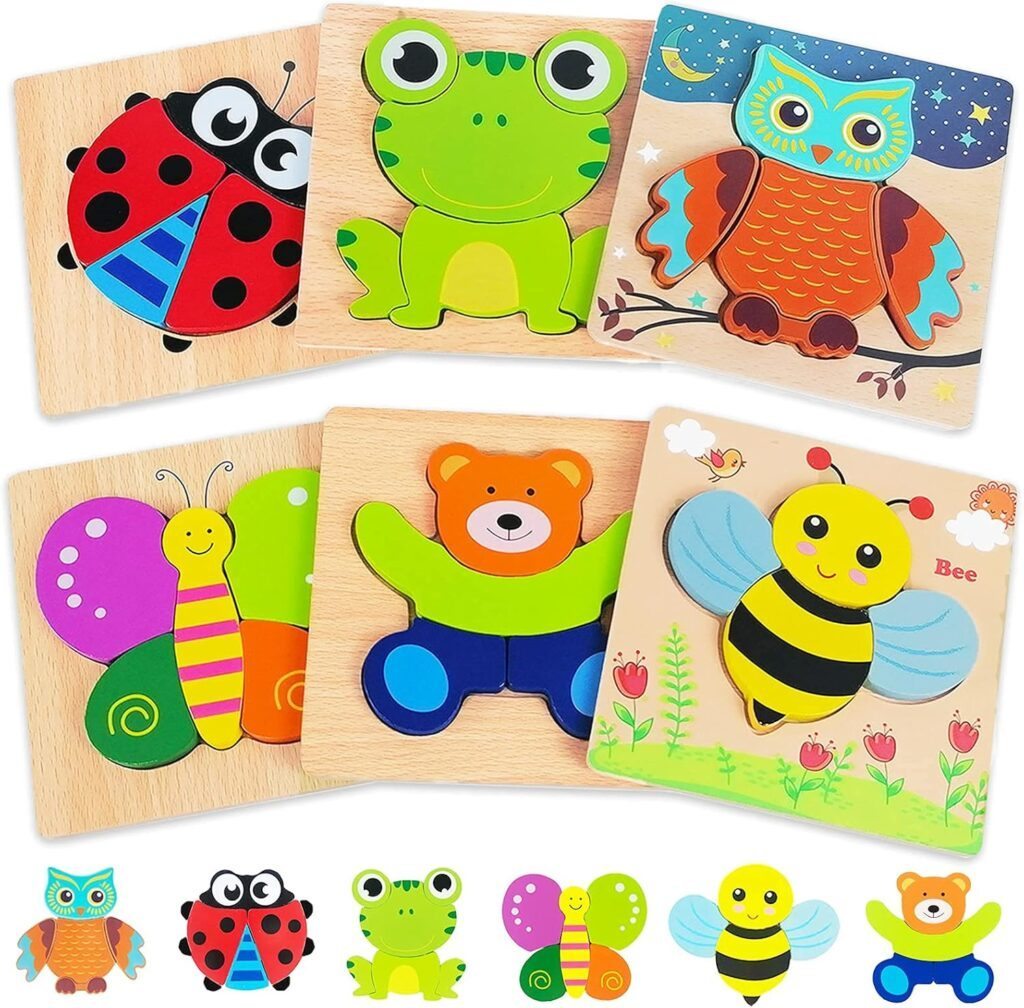
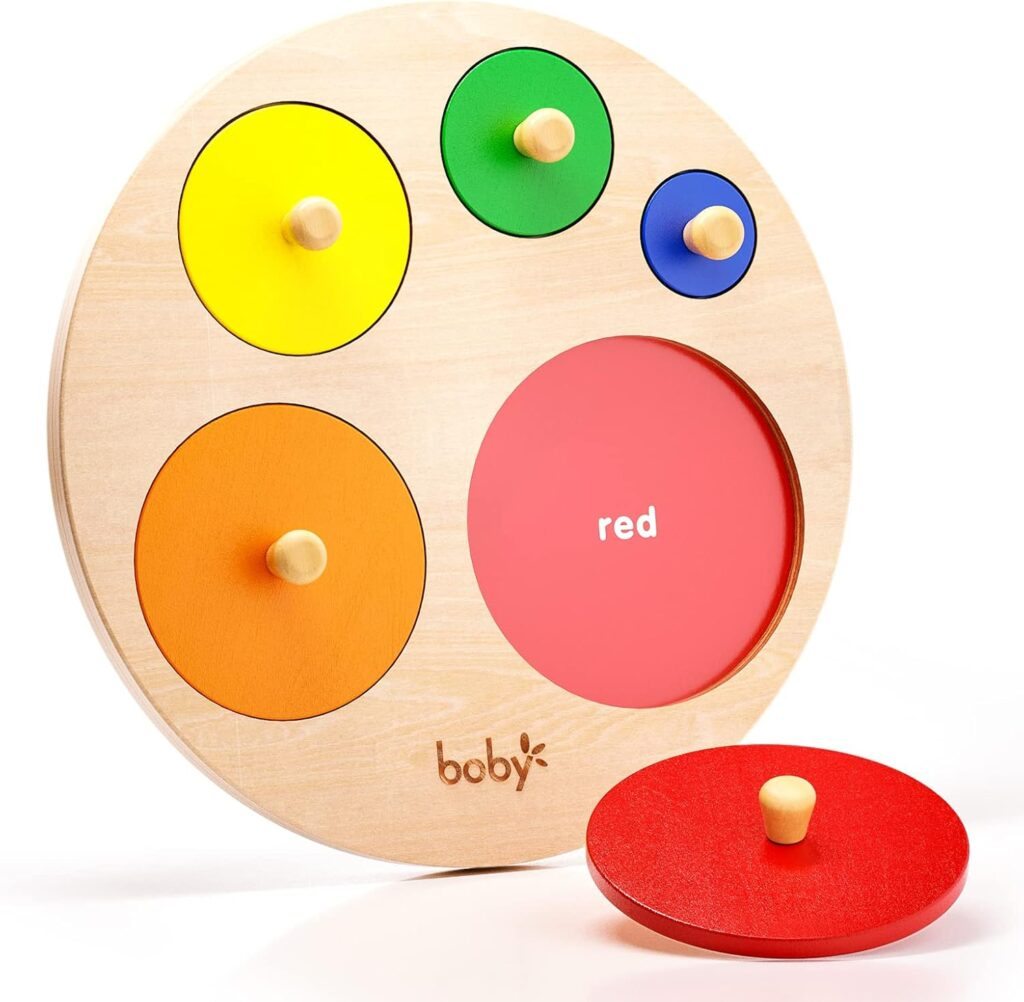
Use around 3-10 pieces puzzles for babies. These chunky, colorful pieces are easy for little hands to grasp and manipulate, helping to develop fine motor skills. Use puzzles with a different, easily recognizable shape, such as a circle, square, or star, making them perfect for learning about shapes and colors. A great way to introduce young children to the world of learning and play.

Enhanced Cognitive Skills, puzzles sharpen problem-solving, critical thinking, and spatial reasoning abilities.

2 – 4 Years Old

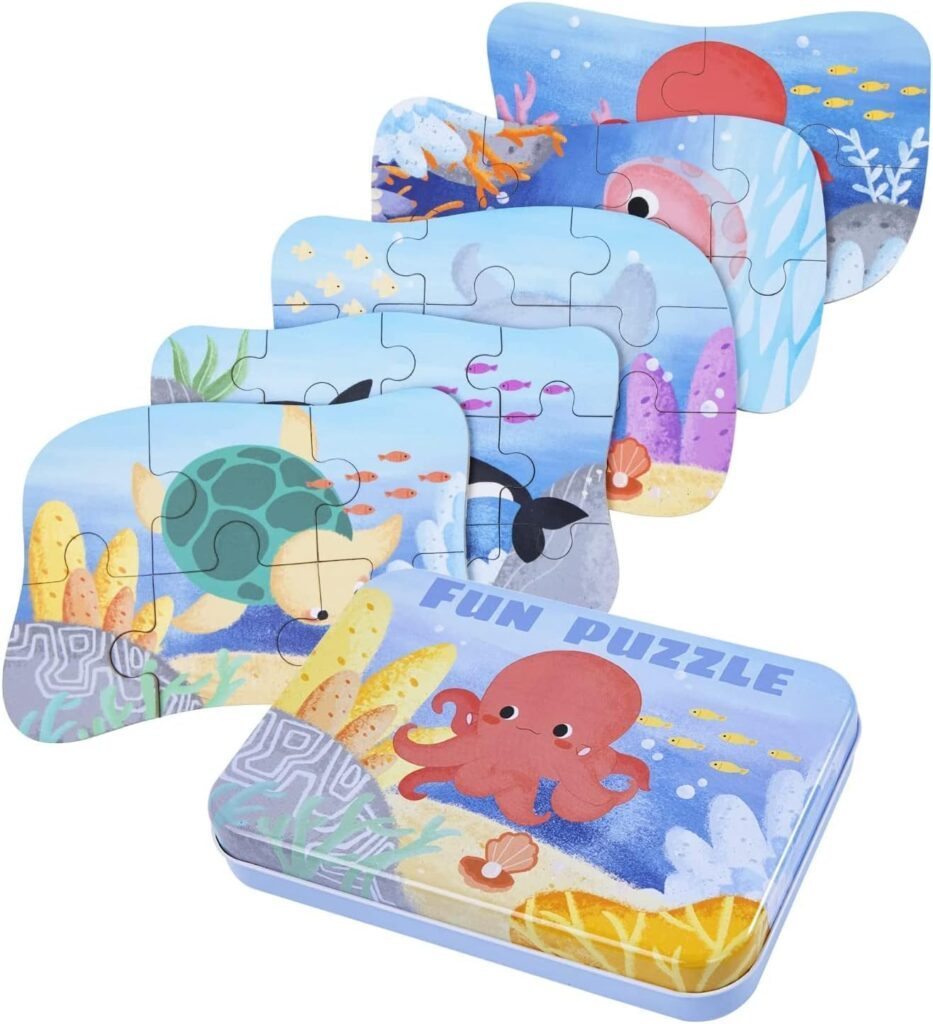
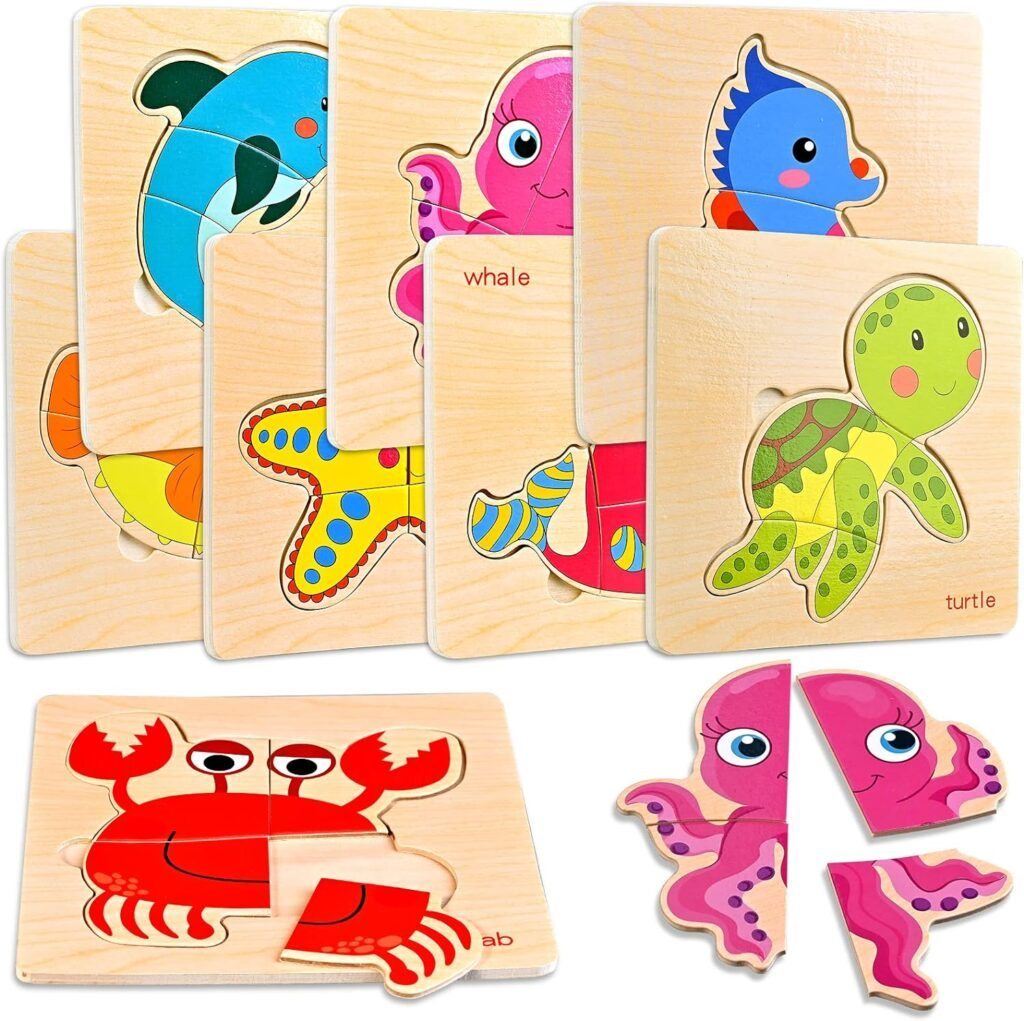
Introduce more complicated puzzles that help develop fine motor coordination, hand-eye coordination, and problem-solving. Many puzzles also encourage language development by introducing colors, shapes, and animal names, while sparking imaginative play as children create stories around the completed scenes.

Find it HERE


Improved Fine Motor Skills: The intricate movements required to manipulate puzzle pieces refine dexterity and hand-eye coordination.  
4 -6 Years Old

Amazon Find

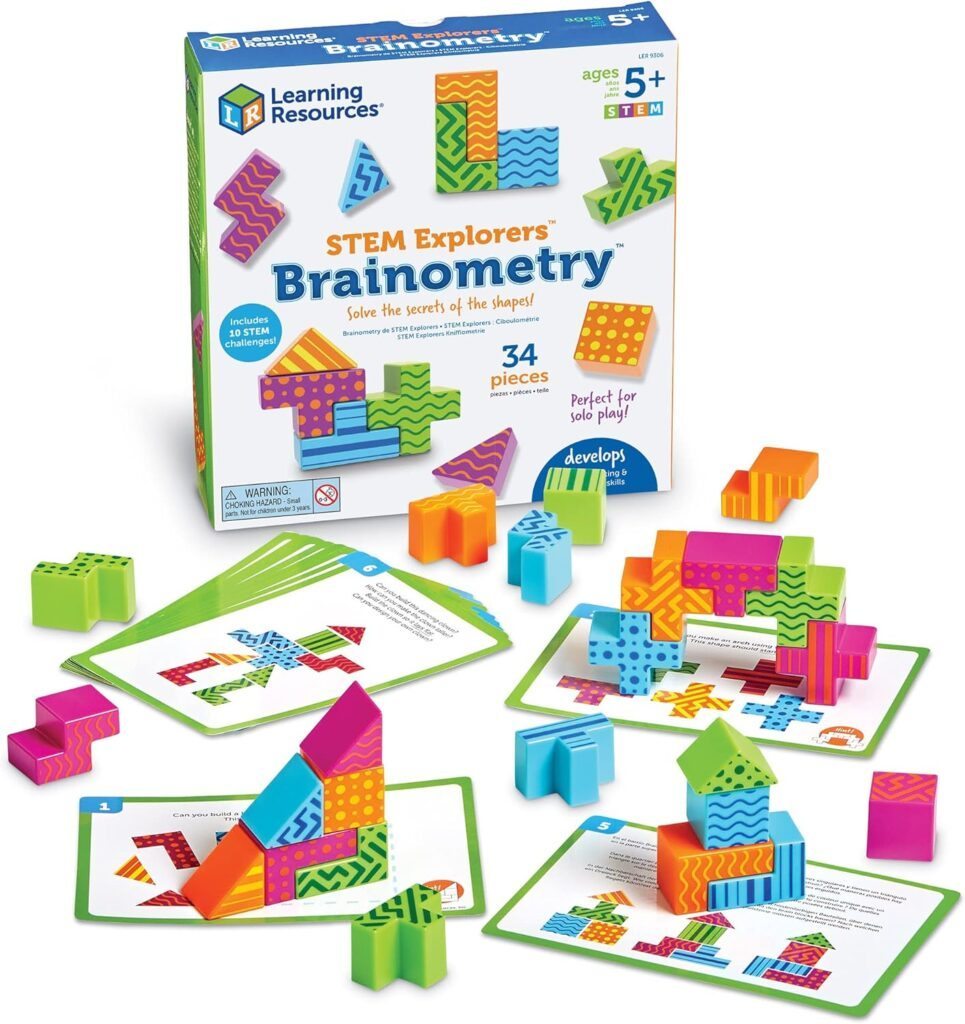
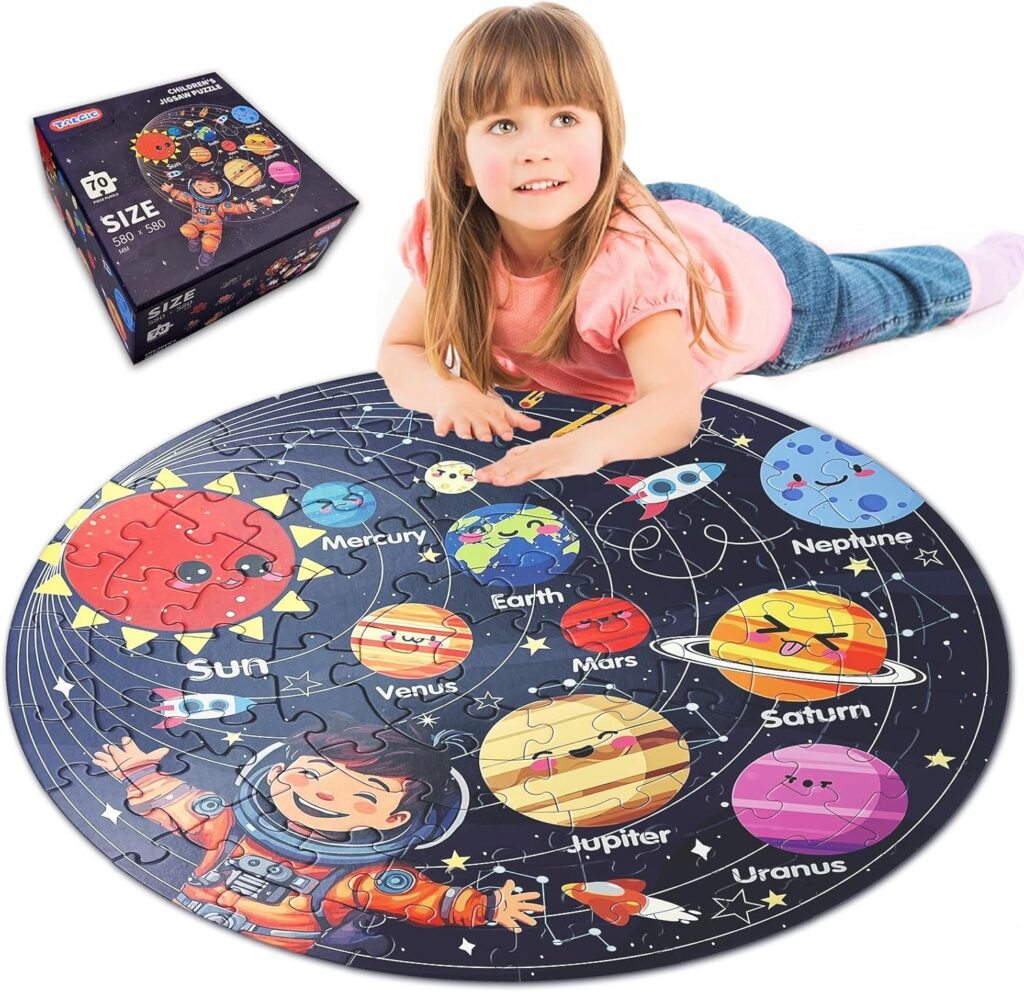
As children grow, their cognitive abilities expand, and they are ready for more challenging puzzles. Puzzles for 4-6 year olds typically range from 12 to 48 pieces, offering a greater level of difficulty and complexity. These puzzles often incorporate educational elements, such as the alphabet, numbers, and simple words. They may also feature themes like animals, vehicles, or everyday objects, making learning fun and engaging. Puzzles at this age continue to develop fine motor skills, problem-solving abilities, and spatial reasoning. They also foster a sense of accomplishment as children successfully complete more challenging tasks.


Boosted Confidence: Completing a puzzle, especially a challenging one, fosters a sense of accomplishment and boosts self-esteem.  
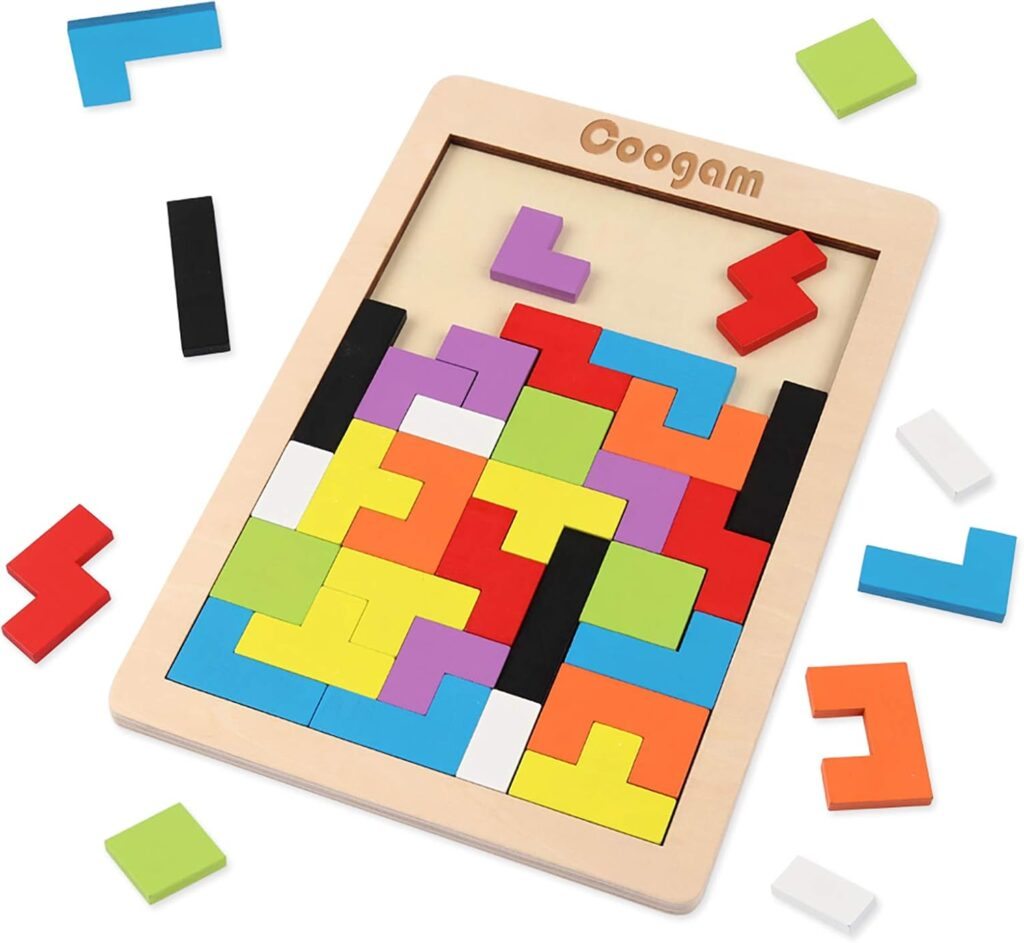
6-8 Years Old

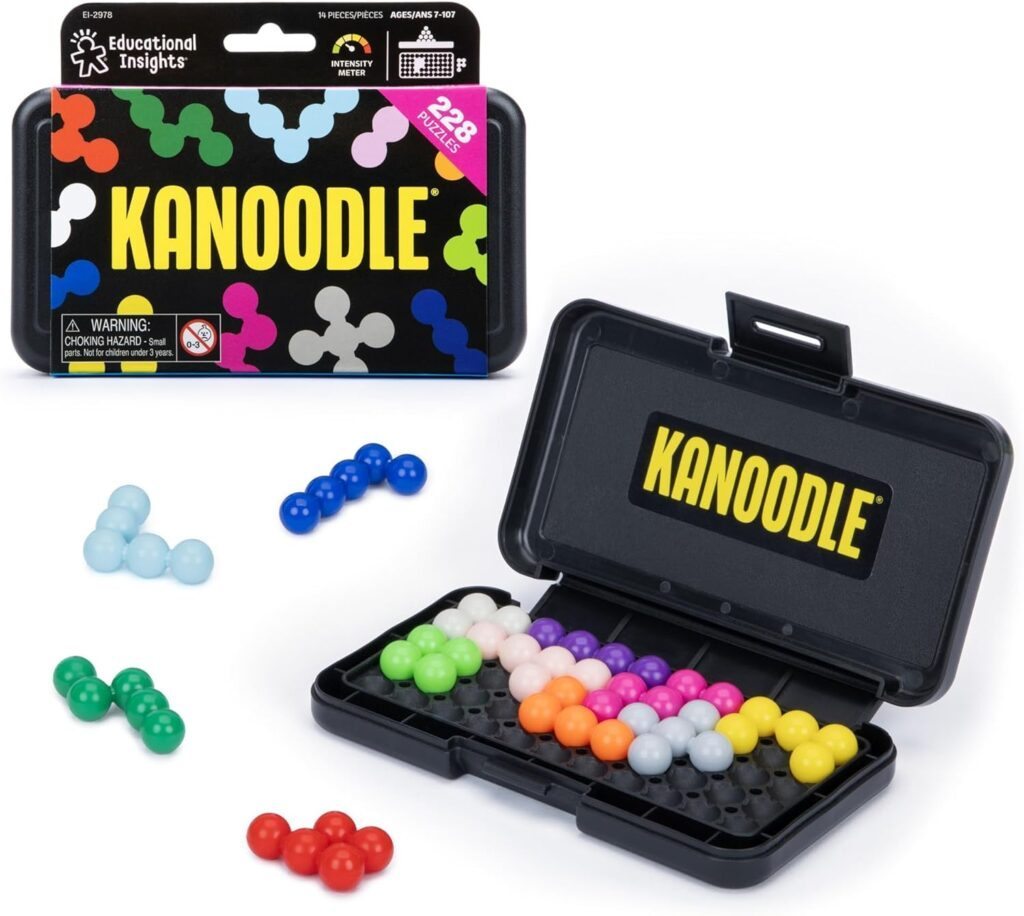
By age 6-8, children are ready for a significant increase in puzzle complexity. Puzzles at this stage typically range from 48 to 200 pieces, demanding greater focus and spatial reasoning skills. Themes may include geography, history, or more intricate scenes from nature or everyday life. These challenges not only enhance cognitive development but also foster a sense of accomplishment and pride as children successfully complete these more demanding puzzles.
Find it here


Increased Patience and Persistence: Puzzles teach children the value of perseverance and the importance of staying focused on a task.  
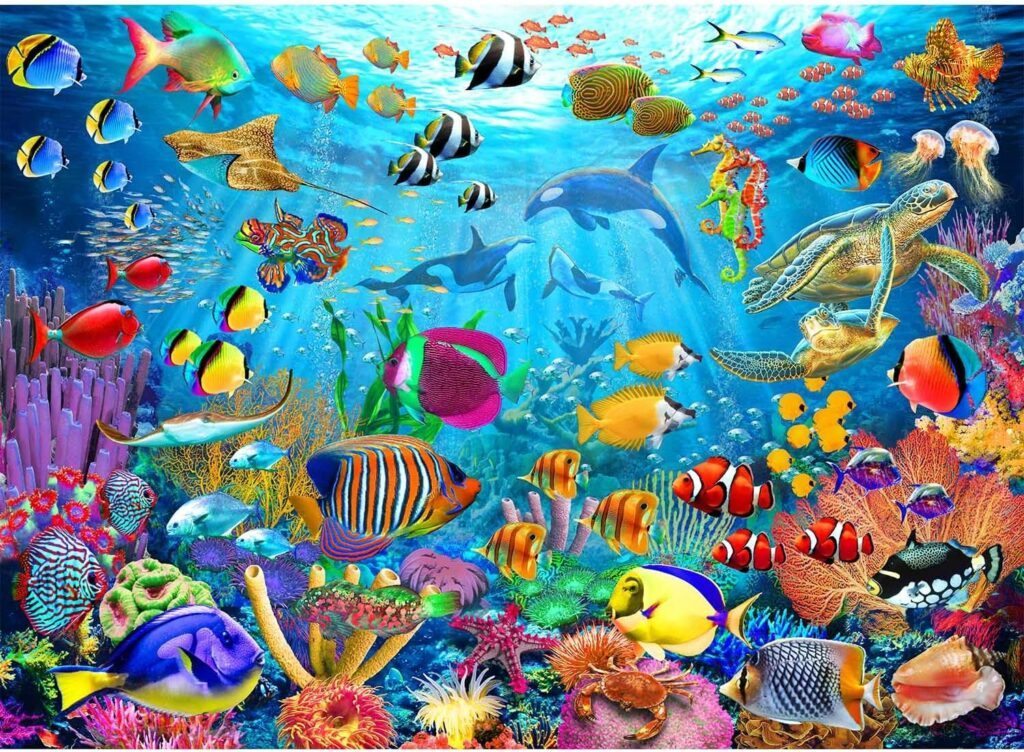
8+ Years Old

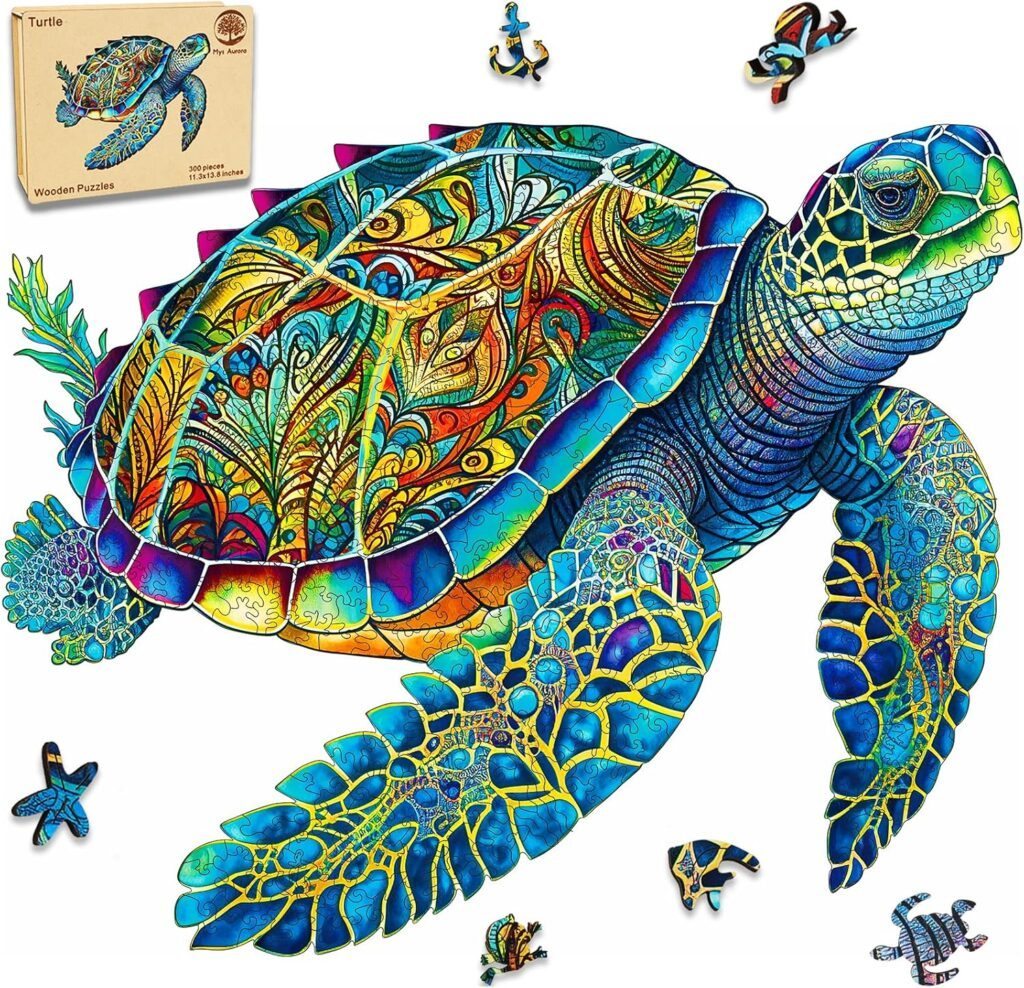
For children aged 8 and above, puzzles can become a captivating and intellectually stimulating activity. These puzzles 200+ , and more challenging puzzles. Stimulate their mind with advanced difficulty.
Amazon Link

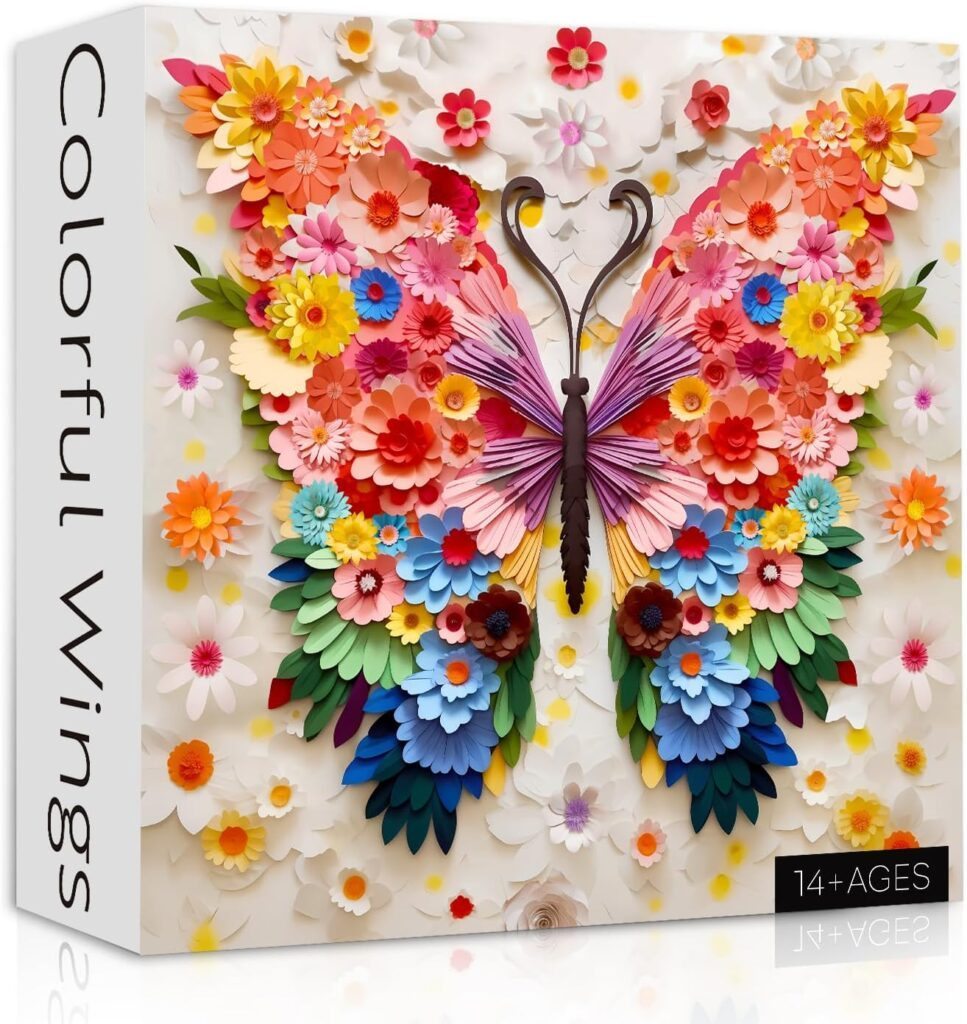
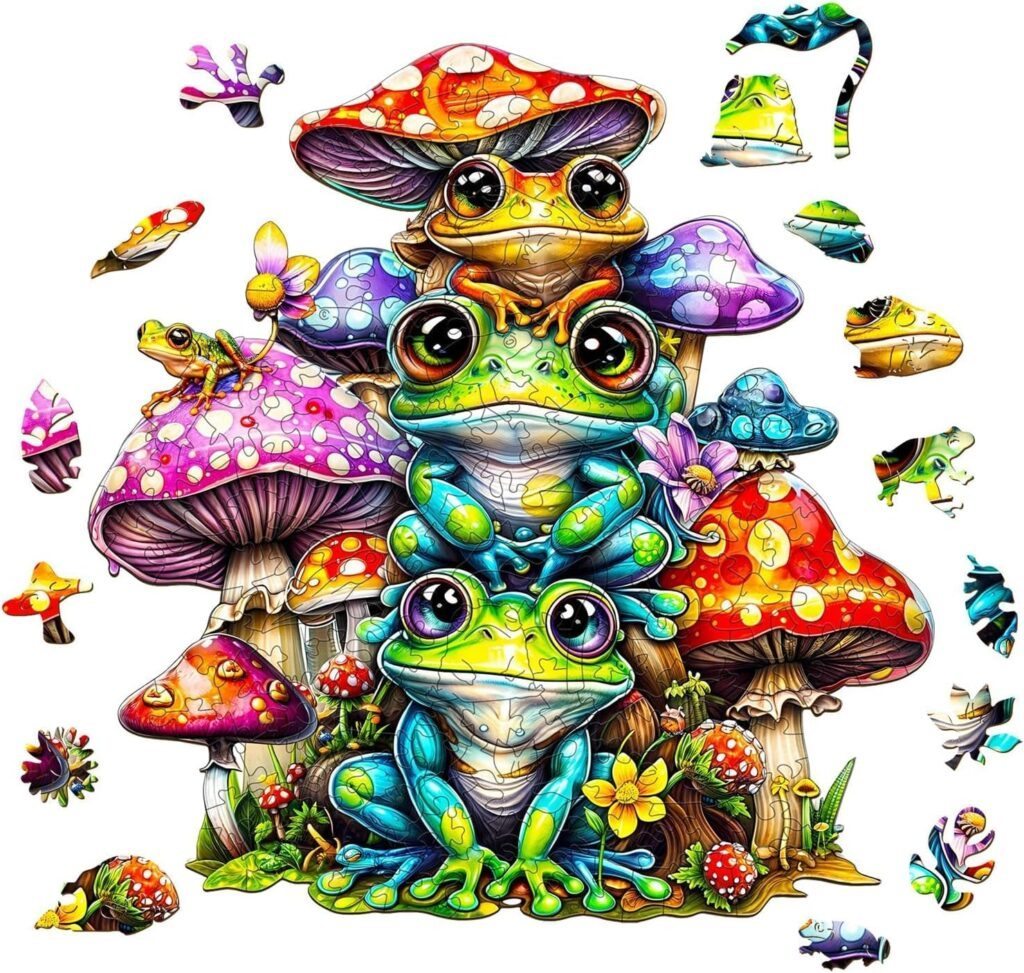
Teen and Adults

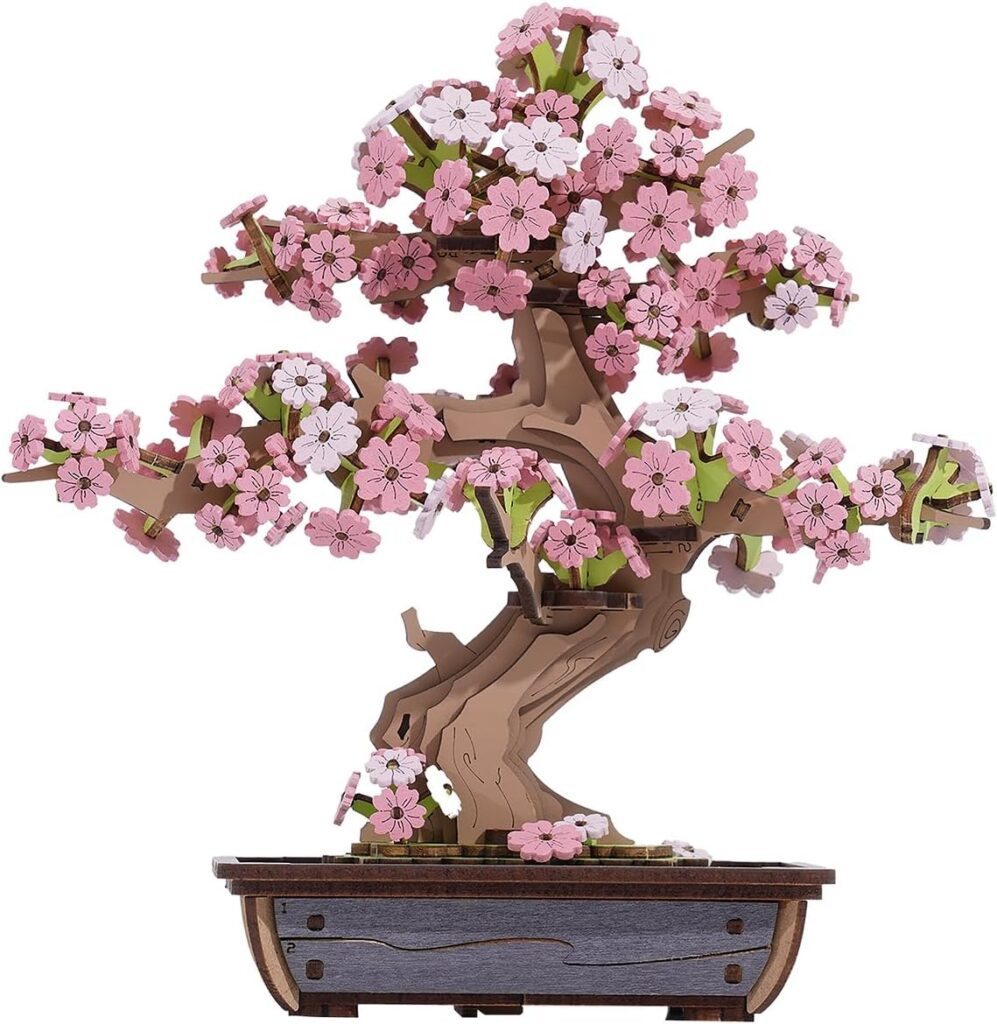
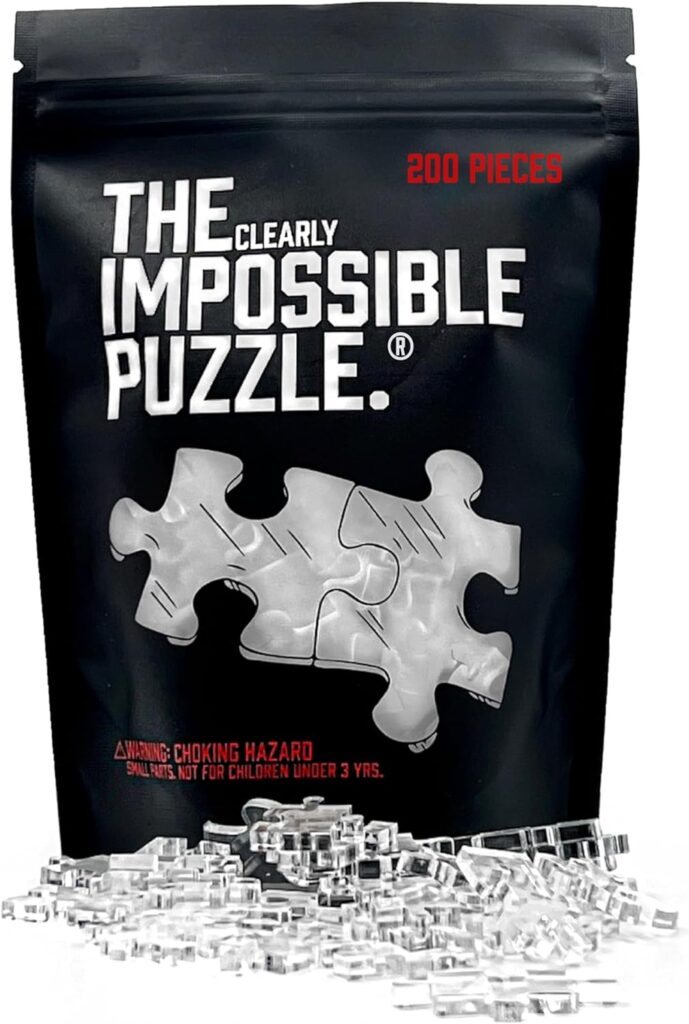
Teen and adult puzzles for a mental escape. From detailed landscapes to complex 3D models, these puzzles demand focus, strategy, and attention to detail. Puzzles offers benefits like reduces stress, and sharpens cognitive skills.


Disclosure: We use affiliate links to earn a small commission. If you choose to purchase something through one of these links, there is no cost to you.
Homepage
Homepage
Posted in Child, GamesTagged activities, kids, toys

Protect Your Little Monsters: Halloween Safety Guide

CHILD, HOLIDAY, PARENTING

Halloween is a magical time for children, filled with excitement and anticipation. As parents, it’s our responsibility to ensure their safety while they enjoy this special night. Here’s a guide to help with Halloween Safety.

Costume Safety

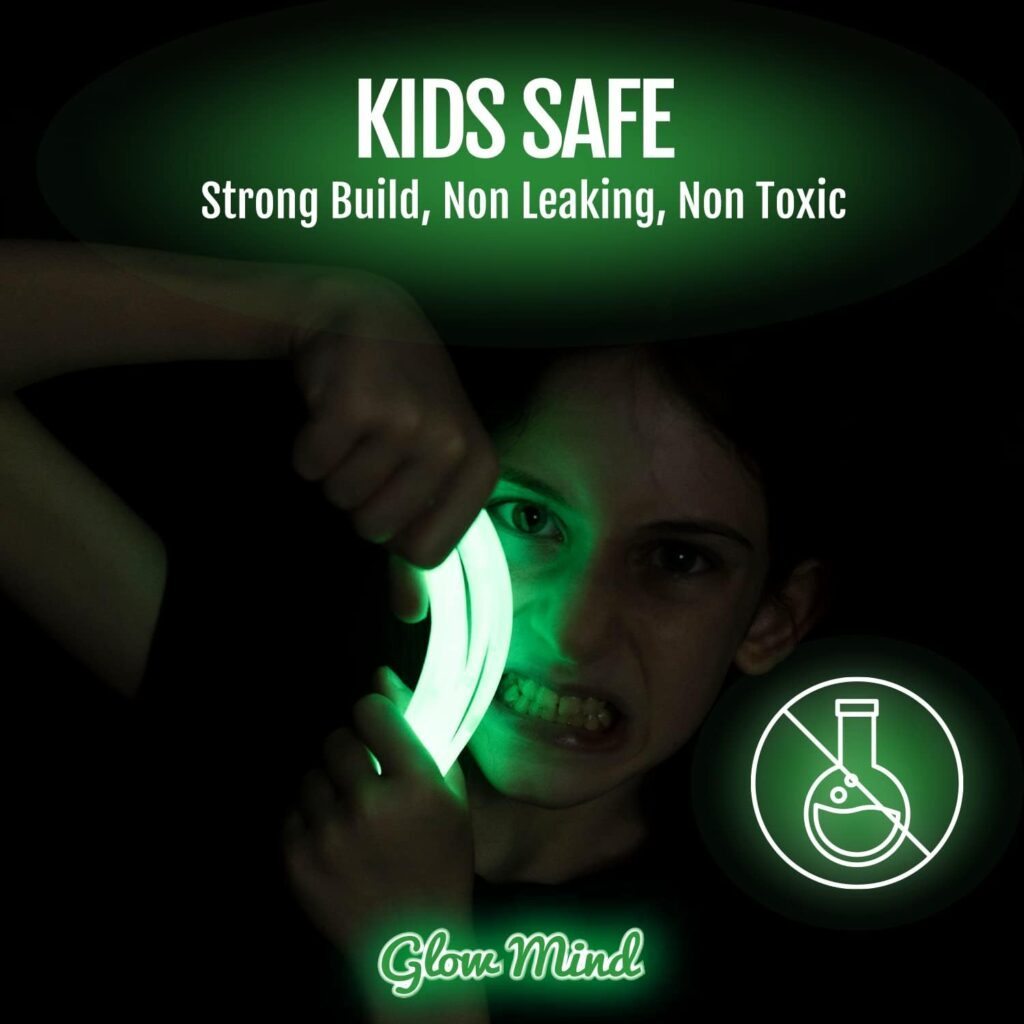
Glow Sticks

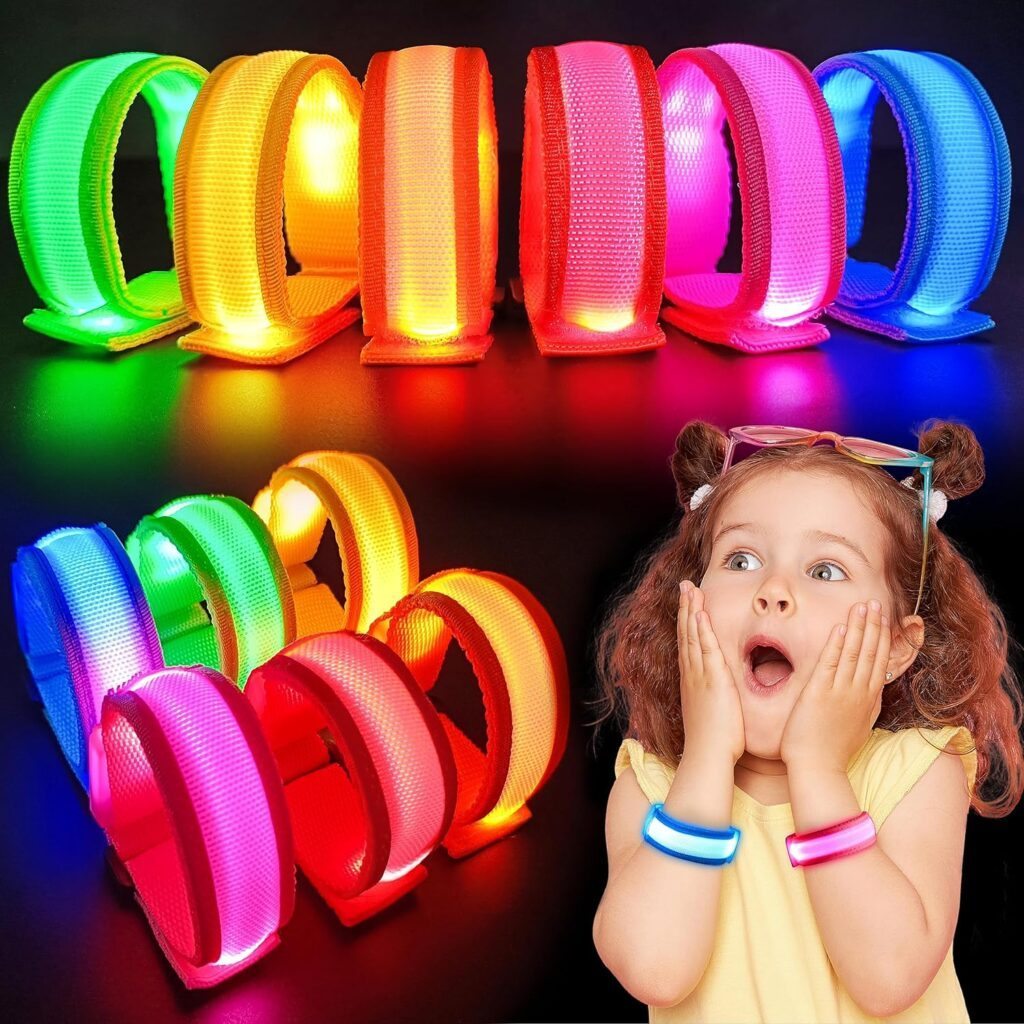
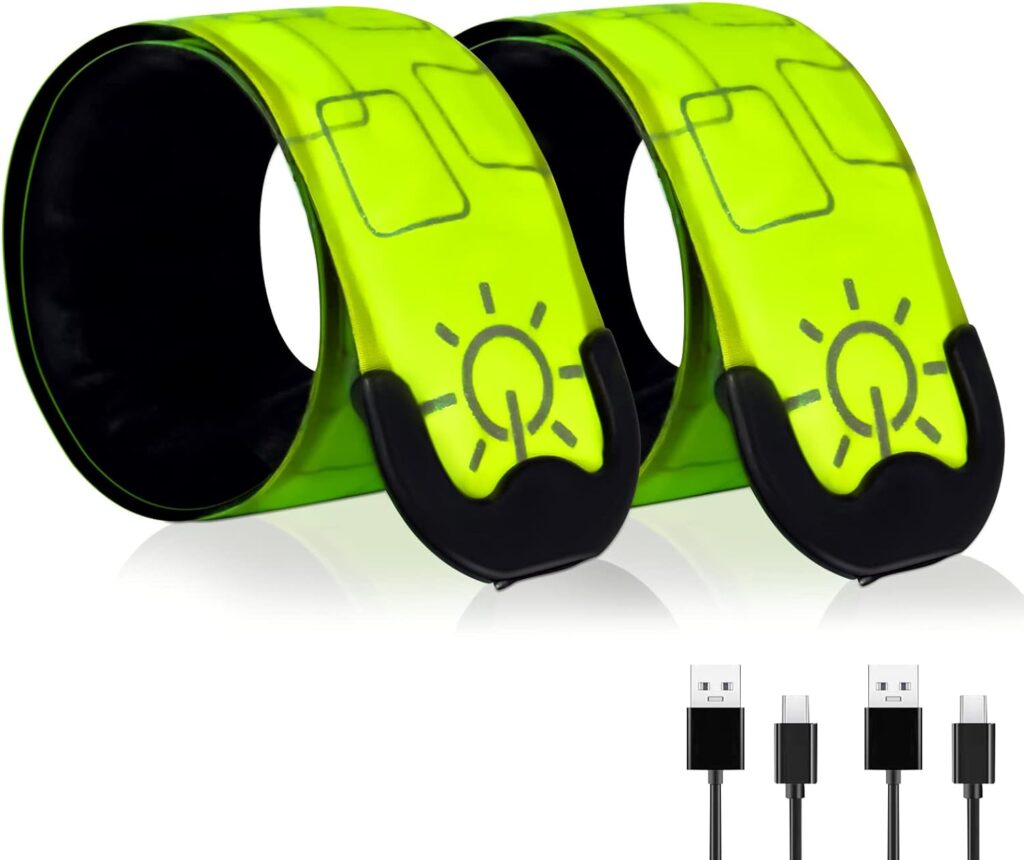
Visibility is important for trick-or-treaters. Choose brightly colored costumes that stand out in the night. Enhance visibility further by adding reflective tape to costumes, bags, or even shoes. For an extra safety boost, create glow-in-the-dark necklaces or bracelets using glow sticks. These luminous accessories will make your child easily spotted by drivers in the dark night.

Costume Fit: Ensure costumes are the right size for your child to move freely. Avoid overly long or baggy outfits that can cause tripping hazards. Proper fit is essential for a safe and enjoyable Halloween night.

Glowing Wings

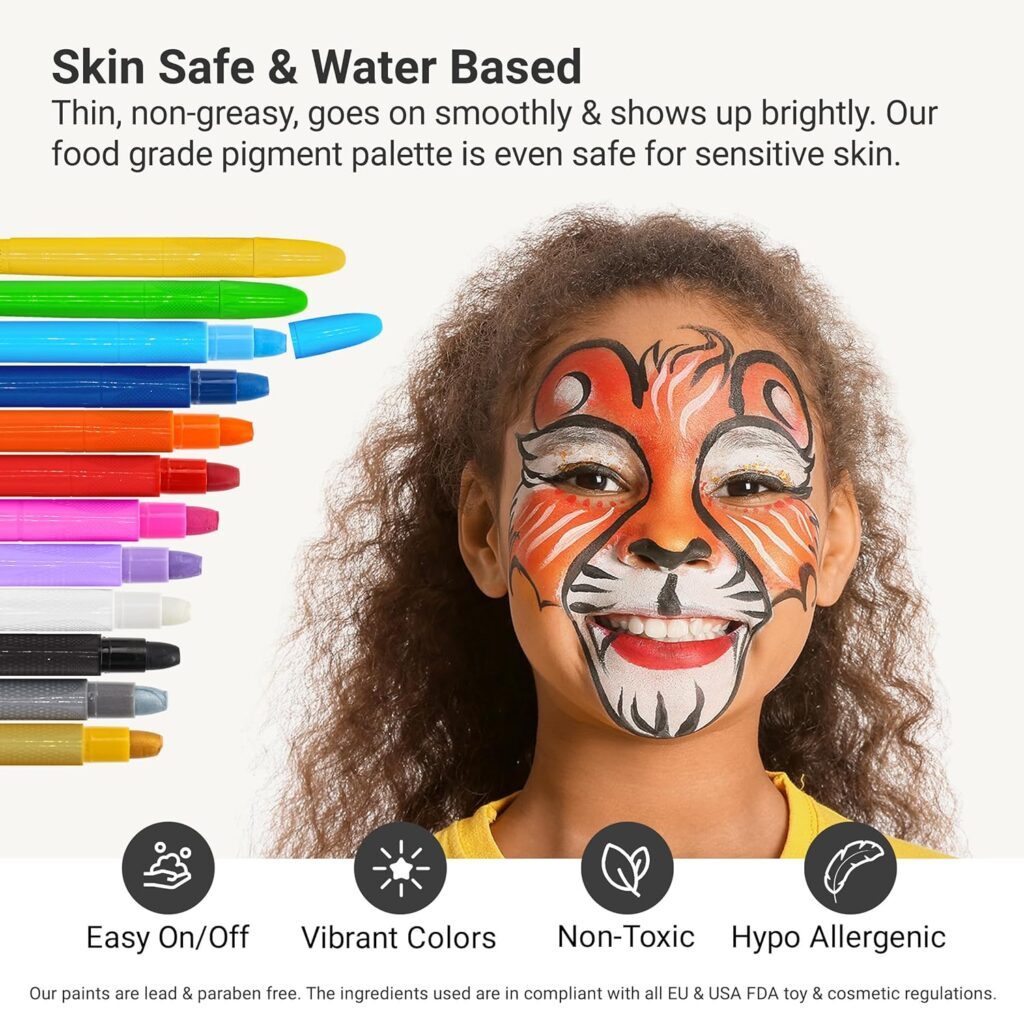
Water base face paint

Face Visibility: Prioritize clear vision for your child. Opt for face paint over masks to ensure clear sight. Not only does this enhance safety, but it also adds a special touch to their costume.

Trick-or-Treating Safety

Adult Supervision: Young children should always be accompanied by an adult while trick-or-treating. Designate a responsible adult to supervise the group, ensuring their safety at all times. To maintain full awareness of your surroundings, avoid distractions like cell phone use or alcohol consumption.

Glowing Bracelets

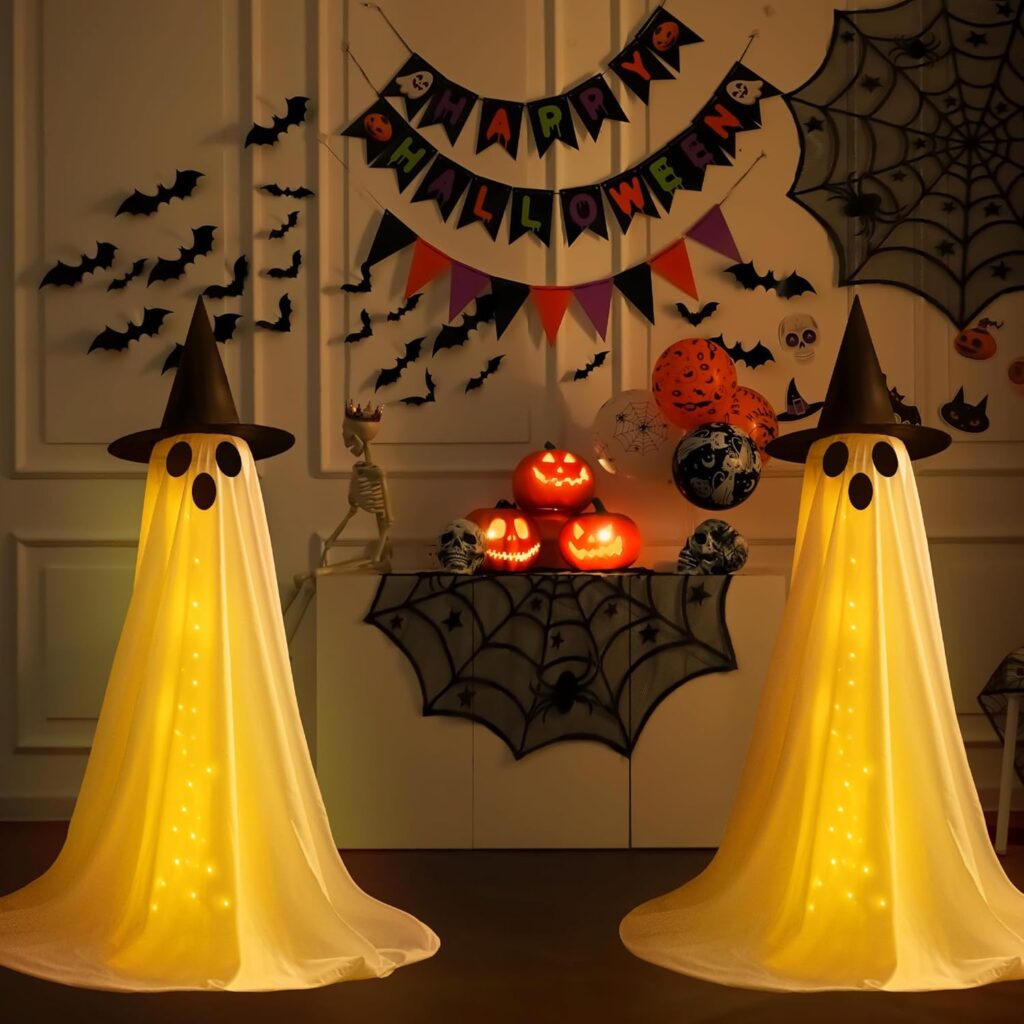
Halloween Decoration

Familiar Territory: Stick to well-lit, familiar neighborhoods for trick-or-treating. If you’re new to the area, take a daytime walk with your child to familiarize them with the surroundings and identify safe spots.

Crosswalk Safety: Always use designated crosswalks for street crossings. Teach children to follow the “look left, look right, look left again” rule before stepping off the curb. Establish eye contact with drivers to ensure they see them before crossing. Remember, it’s essential to wait for vehicles to come to a complete stop before proceeding.

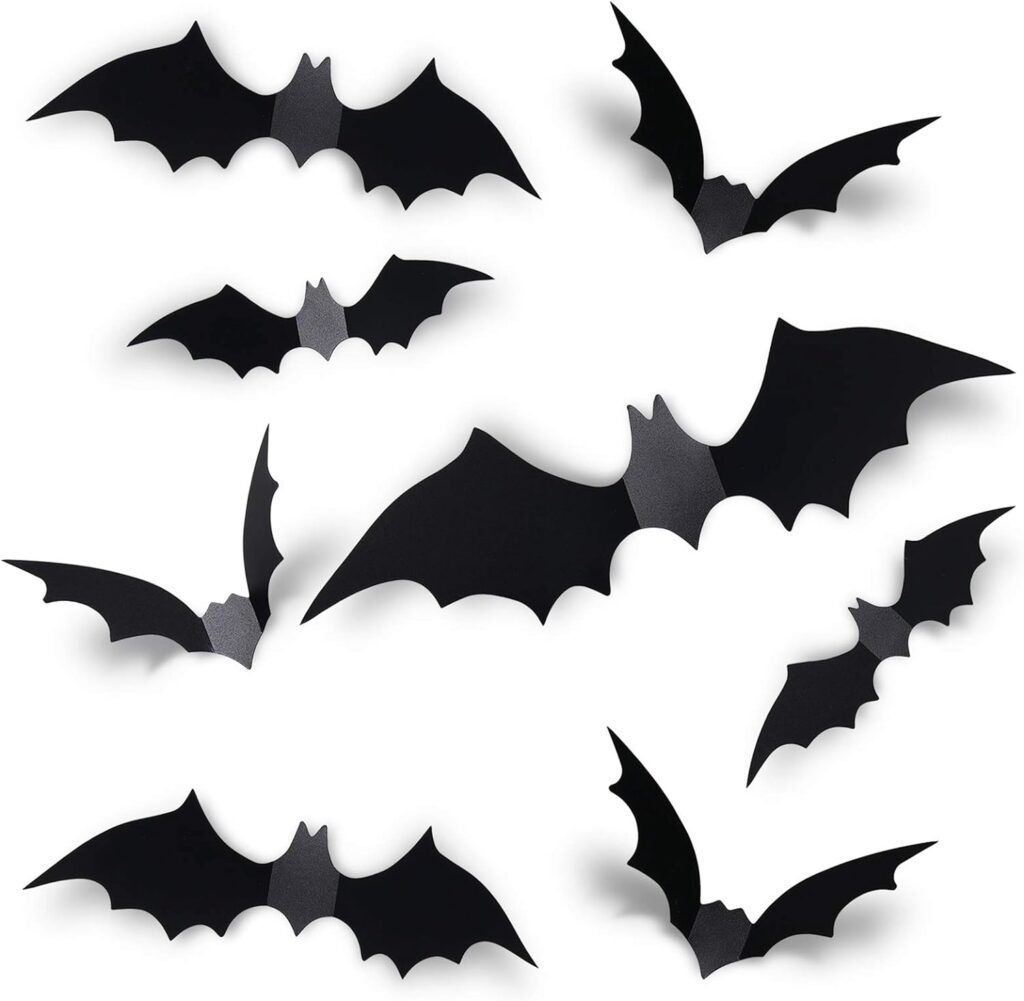
Bat Home Decoration

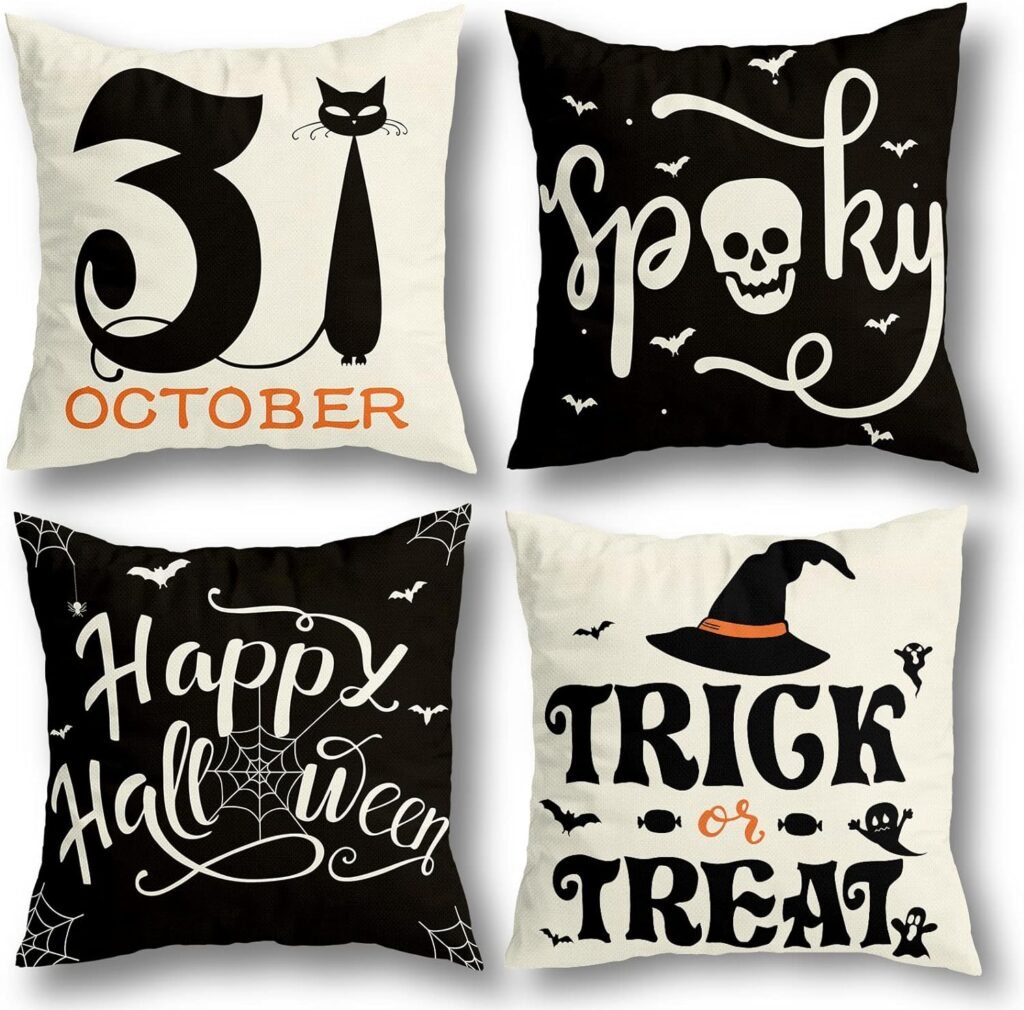
Halloween Pillows

Stranger Safety: Reinforce the importance of stranger safety. Teach children that they should never accept rides, or invitations from strangers. Emphasize the importance of staying with a trusted adult or group of friends. Avoid homes with no lights or decorations.

Child Safety Technology: For added peace of mind, consider inserting air tag or using smartphone locator for older kids. These tools can provide real-time location updates, offering an extra layer of safety during Halloween night.

Air Tag

Halloween Safety Guide

Reflective Bracelets

Driver Safety on Halloween Night: As you navigate through neighborhoods filled with excited trick-or-treaters, exercise extreme caution. Reduce your speed and pay particular attention to areas with poor lighting, as costumes may obscure visibility. Always come to a complete stop at crosswalks and yield to pedestrians. Turn on your headlights well in advance to increase visibility for both yourself and children.

Candy Consumption and Selection: Before trying all the Halloween treats, have an open conversation with your child about the importance of moderation. Discuss the potential effects of excessive sugar intake, such as hyperactivity and dental health. Encourage them to make mindful choices about which candies to eat. Thoroughly inspect all treats for any signs of tampering before eating them.

Lollipops

Disclosure: We use affiliate links to earn a small commission. If you choose to purchase something through one of these links, there is no cost to you.

Homepage
Homepage
Posted in Child, Holiday, ParentingTagged advice, parenting

Preschool Books Every Child Should Read

CHILD, GAMES, PARENTING

Reading to your child is one of the most important things you can do to foster their development. It builds a strong bond, stimulates their imagination, and lays the foundation for a lifelong love of learning. While every child is unique and will enjoy different books, we created a guide of preschool books that every child should experience.

Why Reading to Your Preschooler Matters

Before diving into book recommendations of preschool books, let’s explore the benefits of reading aloud to your child:

Cognitive development: Stories help children understand the world around them, develop critical thinking, and problem-solving abilities. Imagination: Reading sparks creativity and allows children to explore different worlds and possibilities.  

Language development: Exposure to new words and sentence structures expands vocabulary and grammar skills. Emotional development: Books can help children identify and express their emotions, building empathy and resilience. Bonding: Shared reading time creates a special connection between parent and child.  

Preschool Books Every Child Should Read

Classic Tales:

Here are some beloved books that offer a solid foundation for young minds:

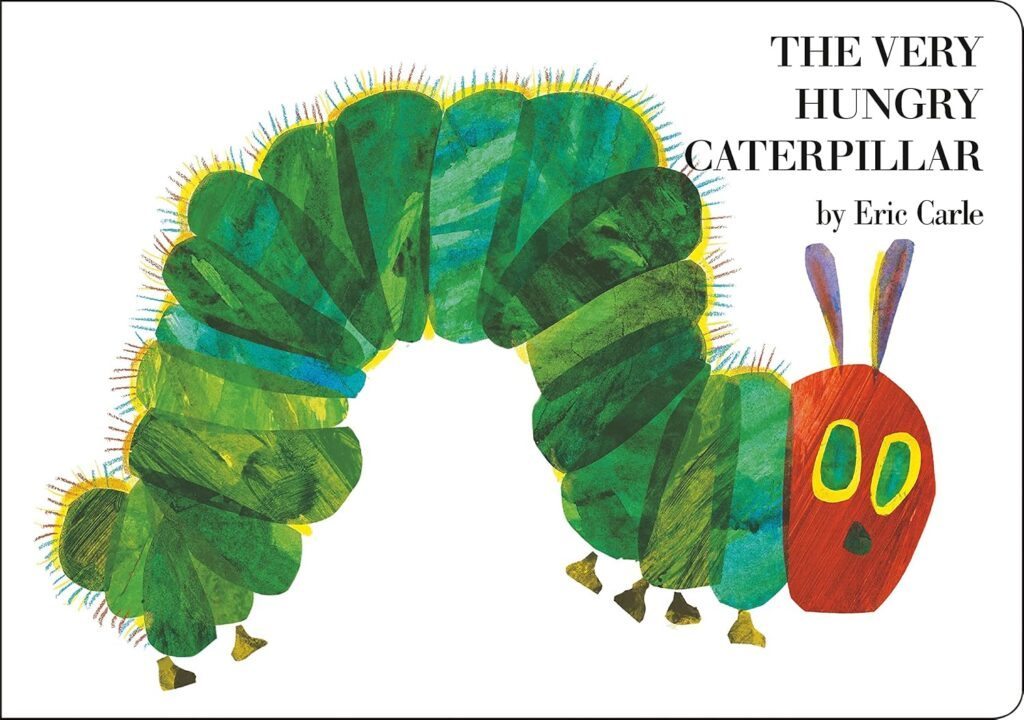
The Very Hungry Caterpillar by Eric Carle: Introduces colors, days of the week, and the life cycle of a butterfly in a captivating way. Kids love naming all the food that the caterpillar eats and you can use it in very interactive way asking questions about what your child likes to eat or what healthy choices caterpillar makes.

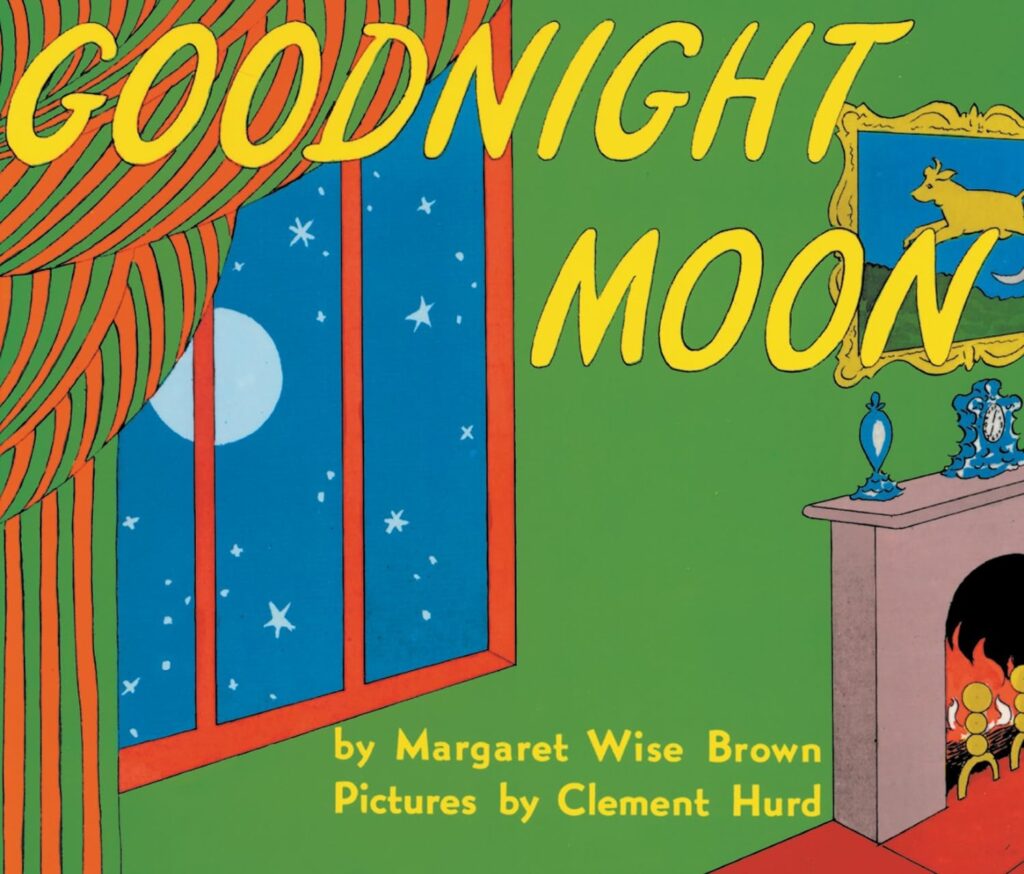
Goodnight Moon by Margaret Wise Brown: A soothing bedtime story with gentle rhymes and capturing illustrations. Kids love to explore this book and find all little details in the room. Help them to notice different things in the room but very soon your child will tell you their favorite things from this book.

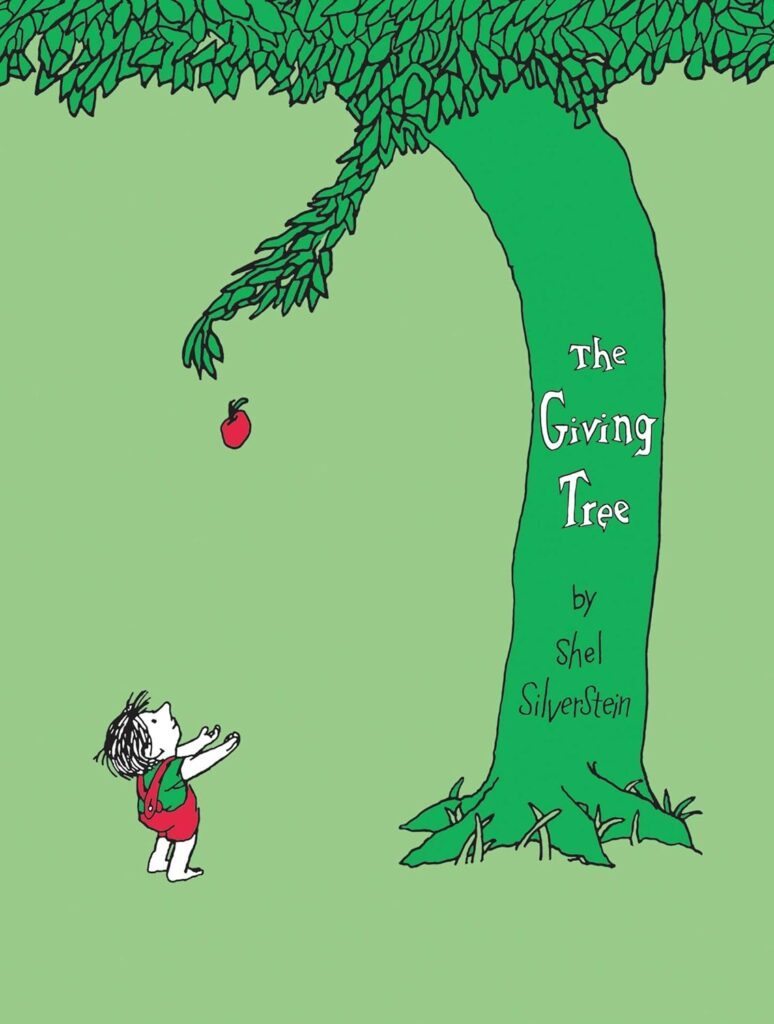
The Giving Tree by Shel Silverstein: A poignant tale about unconditional love and friendship. Great book for children to learn about gifts and life lesson of unconditional love. It is also book that shows sadness with a lot of hope.

Funny and Engaging:

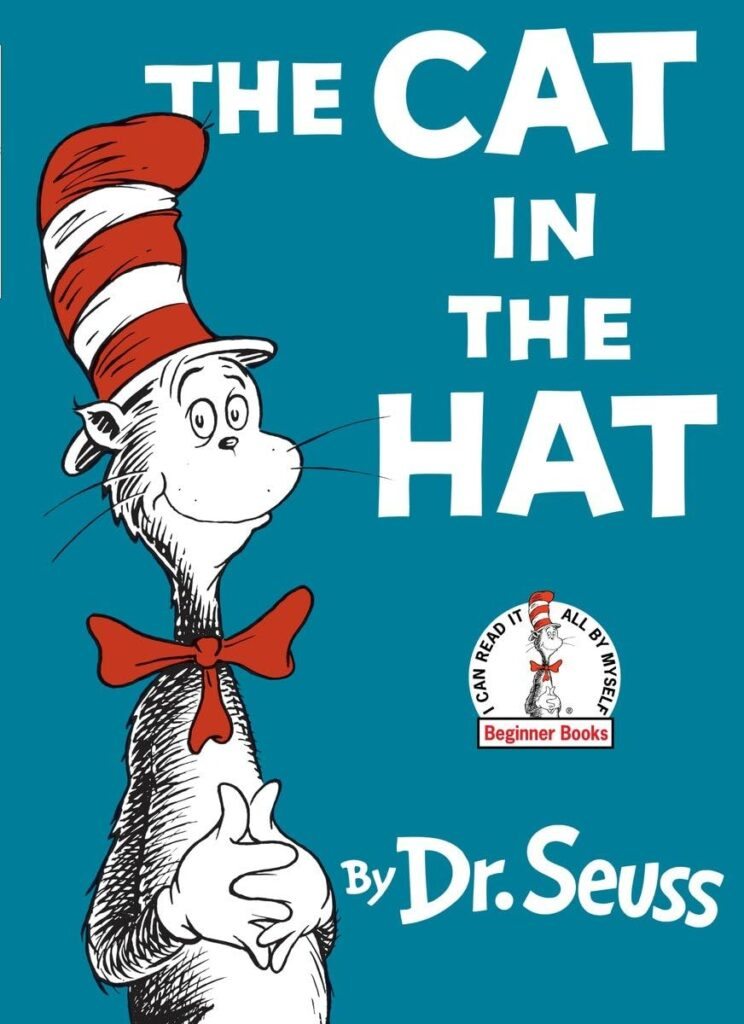
The Cat in the Hat by Dr. Seuss: A playful and rhyming adventure that introduces new words and sounds. Great for kids’ imagination and all the mischief adventures that cat will take you on. Allow kids to have them good laugh and recognize what behavior is right and what is wrong.

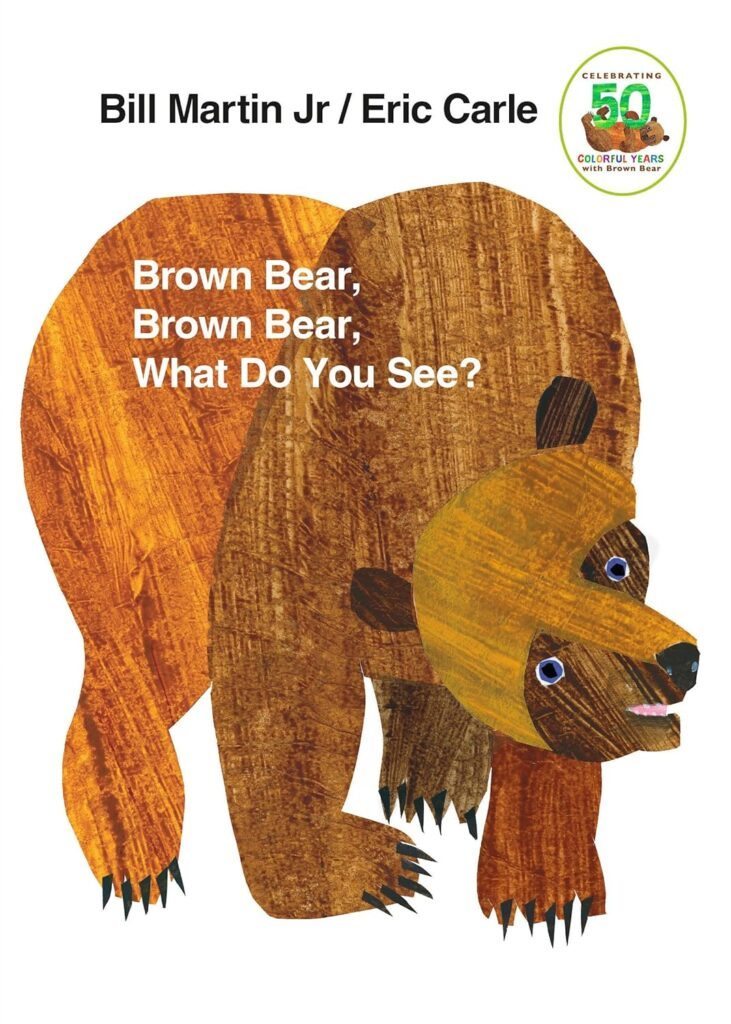
Brown Bear, Brown Bear, What Do You See? by Bill Martin Jr.: Interactive and colorful, this book encourages participation and observation. Interactive and funny way how to have children recognize colors and animals. What colors the real animals are?

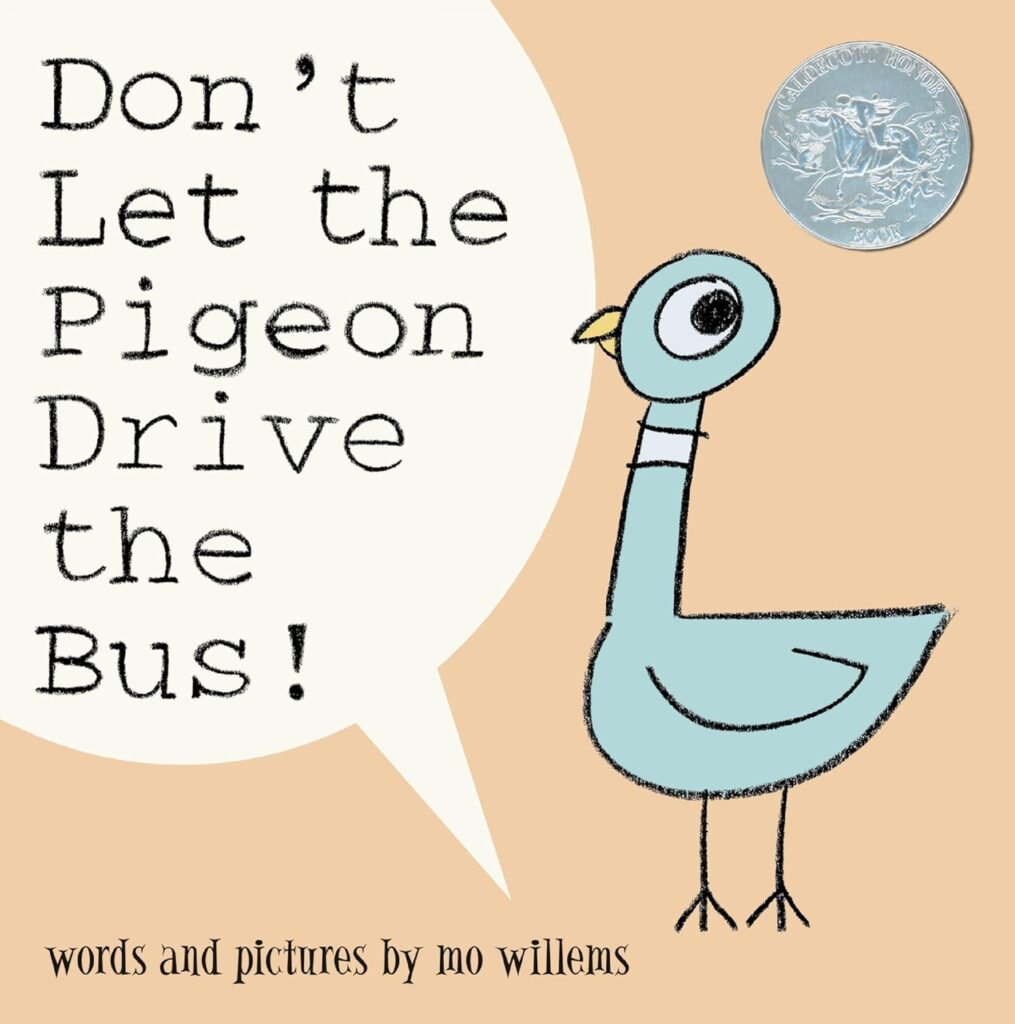
Don’t Let the Pigeon Drive the Bus! by Mo Willems: A hilarious and relatable story that captures the preschooler mindset. Your children will have a lot of laughs and engaging moments with this book. Just don’t let that silly pigeon drive, you know he is sneaky!

Learning and Growing:

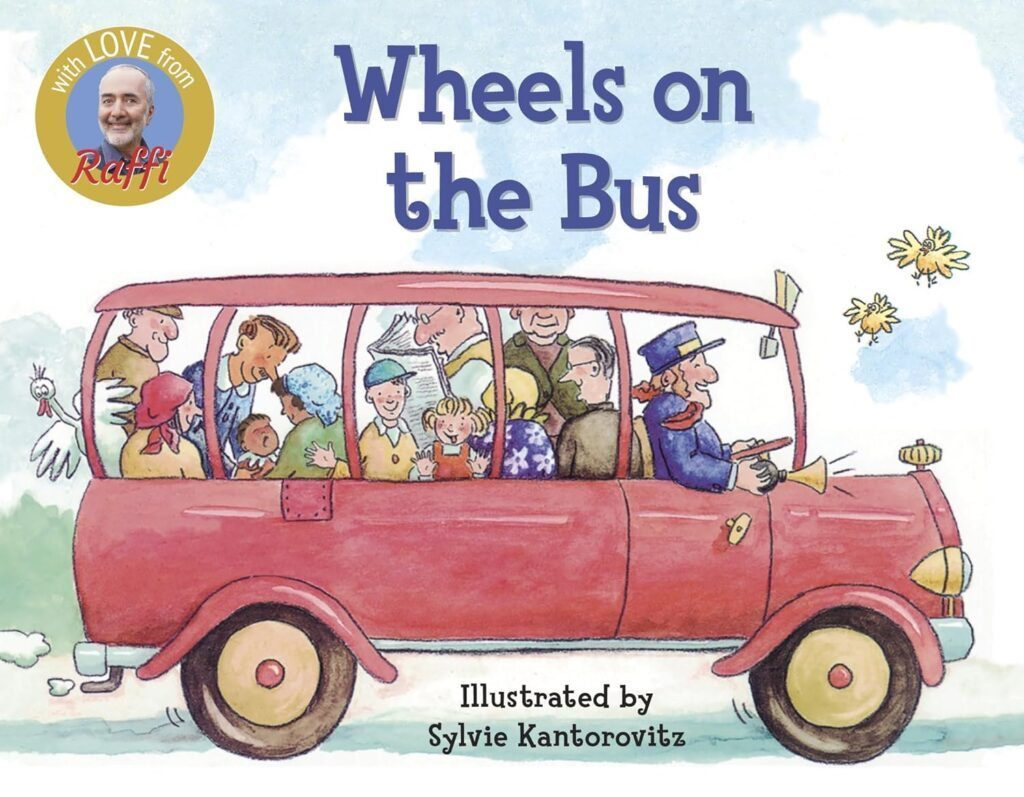
The Wheels on the Bus by Raffi: is more than just a catchy tune; it’s a supercharged learning tool! This vibrant book turns bath time, car rides, or quiet moments into fun-filled language lessons. Your little one will be clapping, singing, and learning in no time!

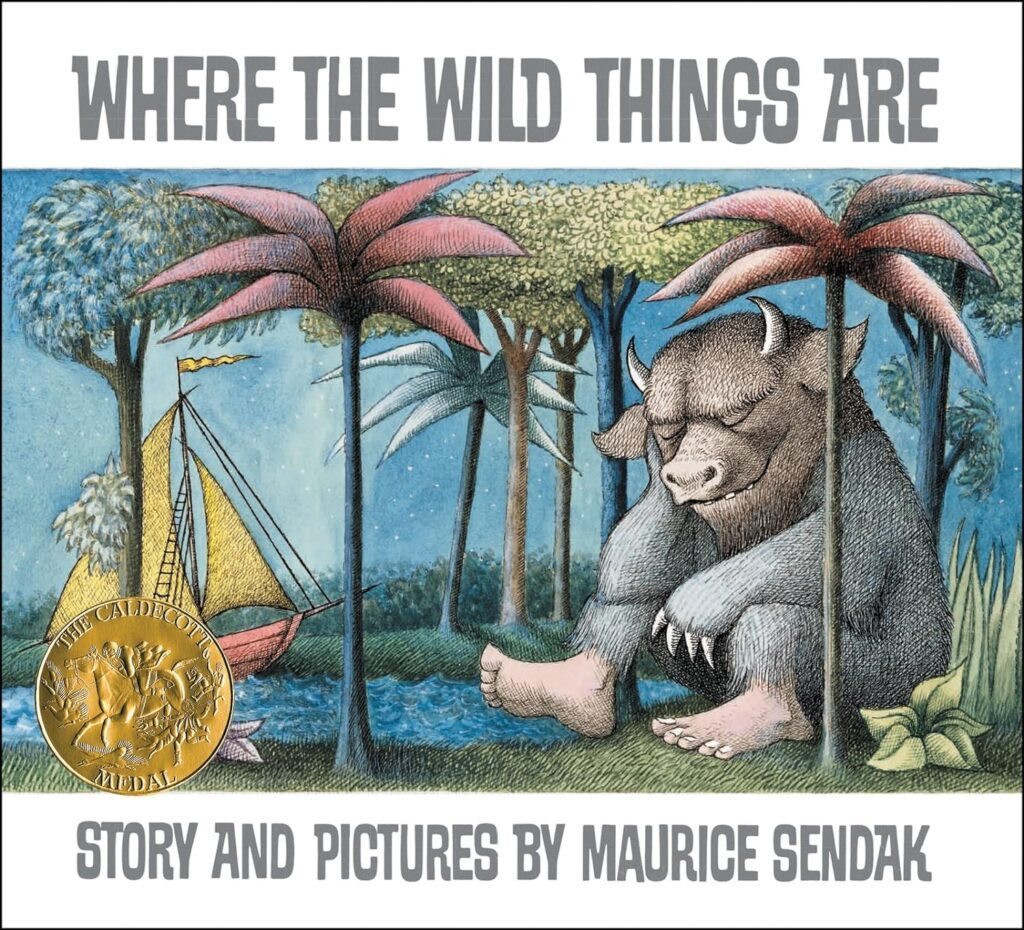
Where the Wild Things Are by Maurice Sendak: A fantastical journey that explores emotions and imagination. When dress up game turns into adventure and imagination. Max is the king of wild things and your child can share same adventure from their room.

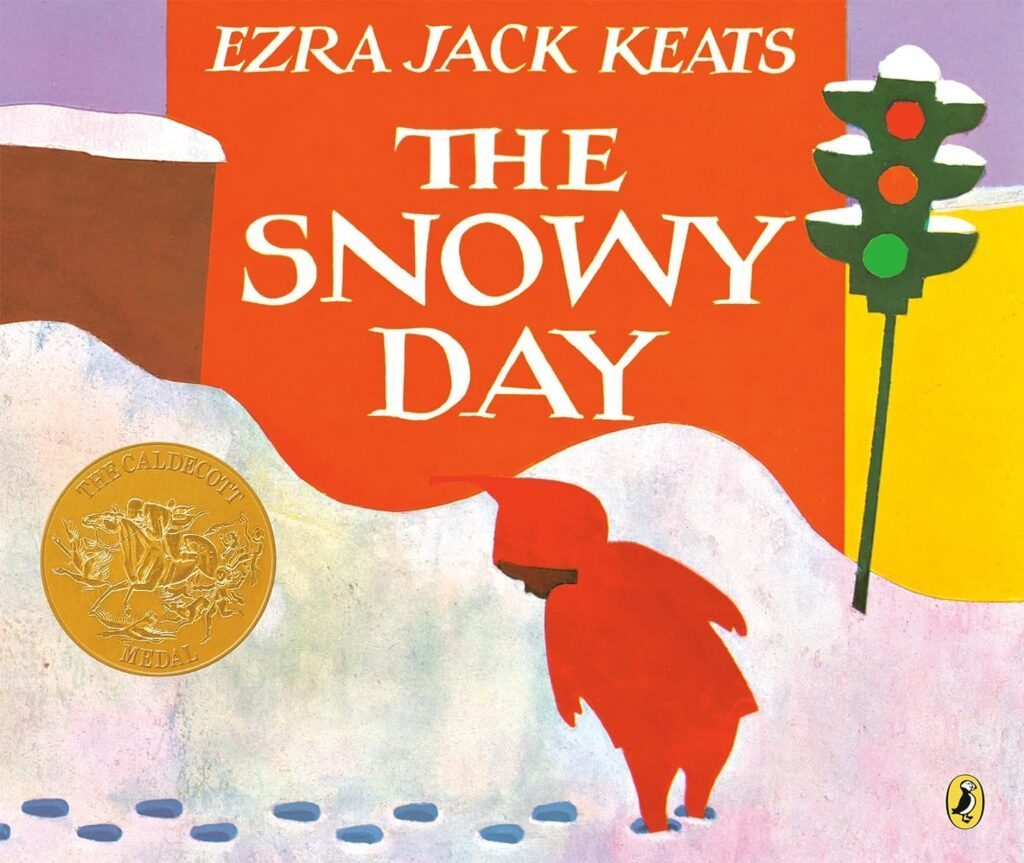
The Snowy Day by Ezra Jack Keats: A beautiful picture book that captures the magic of winter and wonder. With simple text that matches the bright pictures, it’s easy for kids to follow along and remember. Even the busiest toddlers can enjoy.

Remember: The best books are the ones that you and your child enjoy together. Explore different genres, authors, and topics to find stories that spark your child’s interest. Most importantly, make reading a fun and enjoyable experience!

Disclosure: We use affiliate links to earn a small commission. If you choose to purchase something through one of these links, there is no cost to you.

Homepage
Homepage
Posted in Child, Games, ParentingTagged books, kids

Gentle parenting: Discipline

CHILD, PARENTING

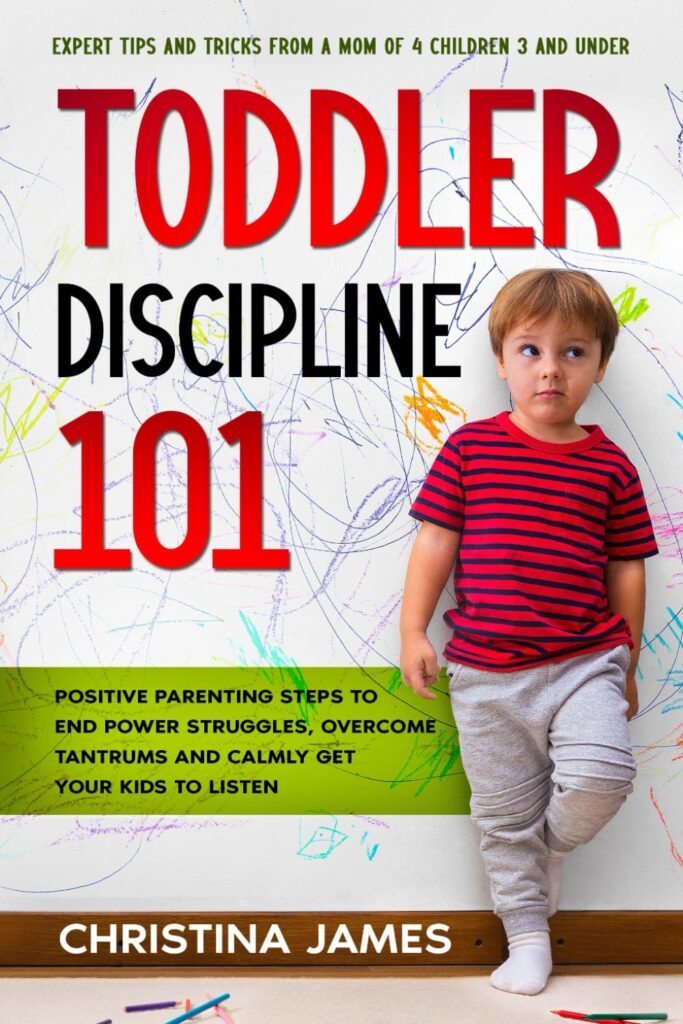
Gentle parenting, also known as positive discipline, offers a different approach to dealing with discipline when children are misbehaving. Discipline focuses on fostering cooperation and respect and has longer term results rather than relying on punishment that has only monetary solution.

Here are some key points about gentle discipline:

Focus on Teaching, Not Punishment:

FIND IT ON AMAZON

It’s natural for children to explore, and sometimes this exploration leads to behaviors. Remember, they’re trying to understand the world around them and what’s expected.  By focusing on teaching rather than punishing, we can guide this exploration in a positive way.

Instead of yelling or spanking, explain why a behavior is wrong and offer alternatives.

Situation: Your child is throwing toys across the room.

Gentle Discipline: “Whoa! Throwing toys can hurt someone. Let’s find a safe way to play with them. How about we build a tower with these blocks instead?”

Help your child understand the natural consequences of their actions Gentle Discipline: Throwing a toy might mean it gets put away as a natural consequence of their action 

Find it on Amazon

Set Clear Expectations and Boundaries:

Find it on Amazon

Structure is key for children’s development. Clear boundaries provide a safe space for exploration, and well-defined expectations help them understand what’s acceptable. Most importantly, consistency in enforcing these expectations and boundaries is what truly guides their behavior.

Establish age-appropriate rules and routines for your child.

For example, toddlers routines: Establish regular times for waking up, healthy meals, naps, and bedtime. Focus on safety and basic expectations. “No throwing toys,” “Hold onto my hand when crossing the street,” Repeat expectations consistently and use positive reinforcement for good behavior.

Validate Feelings:

Create a safe space for your child’s feelings and emotions. While tears may seem overwhelming, remember they’re a natural way for them to express what’s going on inside them. By acknowledging their emotions with empathy, we can help them navigate difficult moments and develop healthy coping mechanisms.

Find it on Amazon

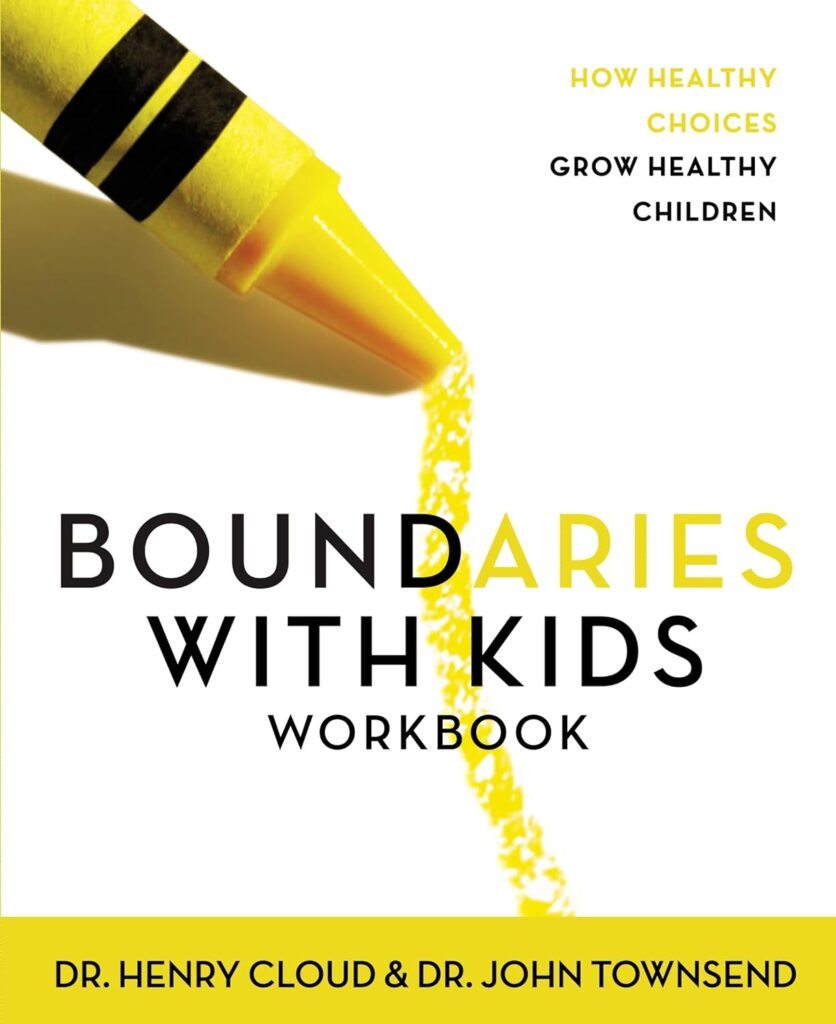
Acknowledge your child’s emotions, even negative ones. See some examples:

Find it on Amazon

“You seem frustrated. Is there something you’d like to talk about?”

“I see you’re sad. Building that tower can be tricky, would you like me to help?”

“I see you’re throwing your toys because you’re angry. Throwing can hurt someone. Can we find another way to show your anger?”

Help them learn to express their feelings in healthy ways – exercise, communication, walk, art, breathing, meditation, etc. 

Positive Reinforcement:

Catch them being good! Don’t wait for grand gestures.

Look for everyday moments to praise “I see you shared your toys with your friend! That was very kind.”

Use specific praise:  Highlight the specific behavior you want to encourage. “Wow, you listened the first time I asked! Thank you for being such a good listener.”

Talk to your child in a calm and respectful tone.

Find it on Amazon

Gentle Discipline Techniques:

Here are some specific strategies for gentle discipline:

Find it on Amazon

  • Time-in: Offer a quiet space for your child to calm down instead of using a time-out.
  • Redirection: Distract your child from unwanted behavior and offer an alternative activity.
  • Problem-Solving: Work together with your child to find solutions to challenges.
  • Empathy Talks: Help them understand how their actions affect others.

Remember:

Gentle discipline is a journey, not a destination. It takes time, patience, and consistency. 

Be kind to yourself! There will be setbacks, but every interaction is a learning opportunity.

Celebrate your successes, both yours and your child’s.


Disclosure: We use affiliate links to earn a small commission. If you choose to purchase something through one of these links, there is no cost to you.

Homepage
Homepage
Posted in Child, ParentingTagged advice, parenting

Easter Kids Activities

CHILD, FAMILY FUN, GAMES, HOLIDAY

Easter is a time for joy, family, and of course, excitement for the little ones! So, let’s get them hopping with fun and engaging Ester Kids activities that will make this Easter one to remember!

Visit our Easter shop

The Classic: Egg-cellent Egg Decorating

This timeless activity sparks creativity and allows kids to personalize Easter eggs. Get messy with traditional dyes, paints, markers, or even glitter! You can also explore natural options like using onion skins or beet juice for vibrant colors.

This Easter try decorating eggs with:

  • decorator kit
  • onion peal
  • vinegar
  • whipped cream
  • baking soda

Let’s Get Crafty

Craft time is a fantastic way to unleash your child’s inner artist.

Paper Plate Bunnies: Cut out bunny ears from construction paper and attach them to decorated paper plates for adorable bunny faces.

Sock Bunnies: Upcycle old socks into cuddly bunny friends! Fill them with rice or cotton, tie a ribbon around the “neck,” and add felt ears and googly eyes.

Egg Carton Chicks: Transform empty egg cartons into a charming chick family. Paint them yellow, glue on construction paper beaks and eyes, and add fluffy cotton tails for extra cuteness.

Visit our Easter shop

Get Active: Easter Egg Hunt Extravaganza – Easter Kids Activities

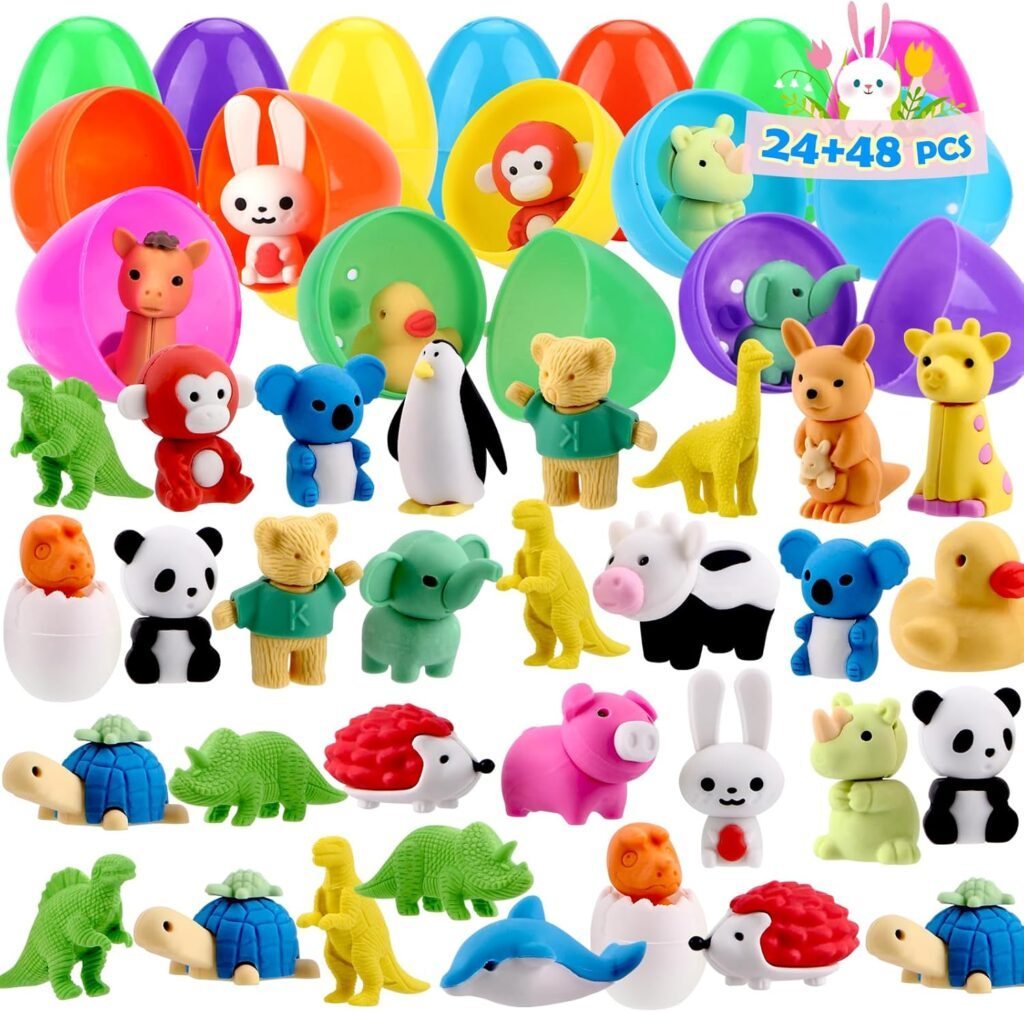
An Easter egg hunt is a guaranteed crowd-pleaser! Hide eggs around the house, garden, or local park, and let the hunt begin.

Some fun ideas you might like

Add an educational twist by writing clues on the eggs leading to the next hidden one.

Create a bunny map with all hidden eggs

Count all the eggs and make your little ones count while they collect the eggs

Sensory Play: Exploring the Easter Basket

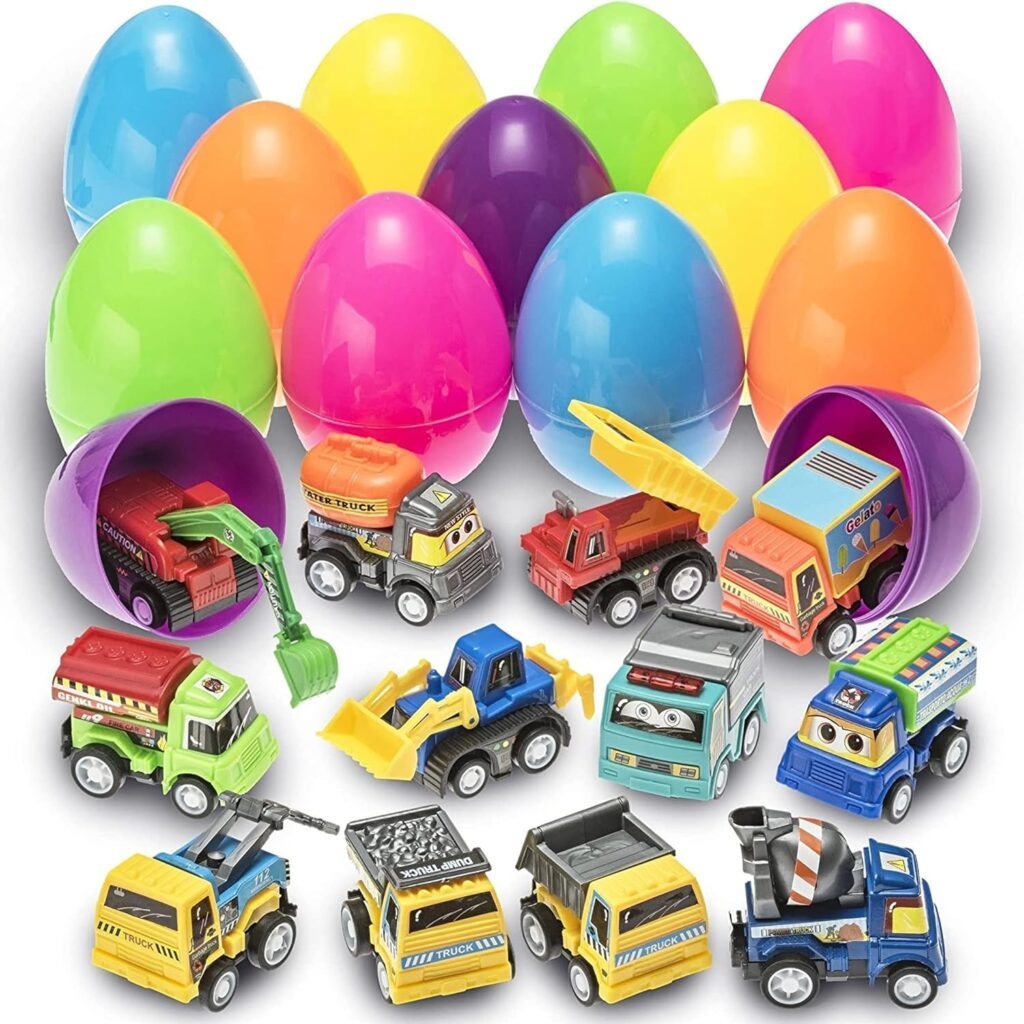
Fill a sensory bin with shredded paper, Easter-themed toys, plastic eggs, and colorful beans. Encourage your child to explore the textures, hide and find objects, and use their imagination to create Easter-themed stories. What a great Easter Kids Activities!

Bake & Decorate: Bunny-Shaped Treats

Bonding over baking is a perfect way to celebrate Easter. Use cookie cutters to make bunny-shaped cookies or cupcakes, and let your kids unleash their creativity with frosting and sprinkles.

Planting Seeds: Growing Joy

Get your kids excited about spring by planting seeds! Choose vegetables, herbs, or flowers, and let them experience the joy of nurturing life. This activity teaches responsibility and connects them to nature’s cycle.

Remember, the key is to have fun and create joyful memories with your little ones.

Happy Easter!

Visit our Easter shop

See more Easter Art

Disclosure: We use affiliate links to earn a small commission. If you choose to purchase something through one of these links, there is no cost to you.

Homepage
Homepage
Posted in Child, Family Fun, Games, HolidayTagged activities, kids

Role Play for Kids

CHILD, PARENTING

Role play for kids is a fun and engaging way to learn new things, develop their social skills, problem-solving abilities, and use their imaginations. Children naturally master many skills necessary for their development through this form of play. Typically, children choose their own activities, and your role as an adult is primarily to provide support.

Role Play for Kids

Many parents make the mistake of wanting to direct their child’s play. While guidance can be helpful, It’s far more beneficial for your child to be able to develop skills independently.

They learn skills like:

  • Communication: Expressing ideas clearly, actively listening to others, and engaging in collaborative conversations.

  • Problem-Solving: Thinking critically and finding creative solutions to challenges within their chosen scenarios.

  • Connection with the World: Exploring different perspectives and gaining a deeper understanding of the world around them.

Amazon Find

Here’s how you can support your child’s role play:

Find it on Amazon

  • Set the Stage: Provide props and costumes that fuel their chosen role. Specifically, if they’re fascinated by butterflies, create wings or a butterfly garden setting.

  • Become a Listener: Actively listen to their stories and ideas without interrupting or dictating the play. Additionally, ask open ended questions.

  • Follow Their Lead: Let them guide the play and explore their interests without imposing your ideas or expectations. On top of that, become a part of their game.

Tips for Role Play for kids:

  • Let kids take the lead and choose the roles they want to play.
  • Encourage kids to be creative and use their imaginations.
  • Provide props and costumes to make it more fun.
  • Play along with your kids and have fun!

Amazon Find

Ideas:

Find it on Amazon

Chef: Kids can pretend to be chefs and cook different dishes. They can use props like pots, pans, and ingredients to make it more realistic. 

Builder: Kids can pretend to be builders and construct different things. Also, they can use props like blocks, tools, and blueprints to make it more realistic. 

More Role Play for Kids

Fairy Tale Characters: Kids can dress up as their favorite fairy tale characters and act out scenes from the story. They can use props and costumes to make it even more fun. What’s more, you can turn playtime into a creative adventure by letting them change the ending of their favorite story into their own unique fairy tale fantasy!

Superheroes: Kids can create their own superhero characters, moreover alow them to come up with their own superpowers. Furthermore, they can then act out stories about their superheroes saving the day! 

Amazon Find

Find it on Amazon

Find it on Amazon

Animals: Kids can pretend to be different animals and explore their habitats. Surely, they can move like the animal, make animal sounds, and even create a story about their animal character. 

Teacher and Student: Kids can explore different learning environments and practice their communication skills. In addition they can use props like a chalkboard, books, and pencils to make it more fun. 

Doctor and Patient: Kids can take turns being the doctor and examining the patient. On top of that, they can use props like a stethoscope, bandage, and thermometer to make it more realistic. 

Disclosure: We use affiliate links to earn a small commission. If you choose to purchase something through one of these links, there is no cost to you.

Homepage
Homepage
Posted in Child, ParentingTagged activities, kids, parenting

Favorite Christmas Books for Kids

CHILD

A Magical Journey into the World of Christmas Books for Kids. As the festive season approaches, homes are adorned with twinkling lights, the aroma of freshly baked gingerbread fills the air, and a sense of anticipation builds for the joyous moments to come. For children, Christmas is a time of boundless excitement, filled with the promise of gifts, laughter, and cherished memories. And what better way to capture the magic of Christmas than by curling up with a heartwarming storybook?

Find Favorite Christmas Books for Kids

Children’s literature has a remarkable ability to transport young minds to enchanted realms, where reindeer soar through the night sky, mischievous elves prepare for Santa’s grand journey, and the true spirit of Christmas shines brightly. These enchanting tales not only spark imagination and creativity but also instill valuable lessons about kindness, generosity, and the enduring power of love.

All books are clickable, easily choose your favorite to purchase it from Amazon

Get on Amazon
Get on Amazon
Get on Amazon
Get on Amazon
Get on Amazon
Get on Amazon
Get on Amazon
Get on Amazon
Get on Amazon
Get on Amazon
Get on Amazon
Get on Amazon
Get on Amazon
Get on Amazon
Get on Amazon
Get on Amazon
Get on Amazon
Get on Amazon
Get on Amazon
Get on Amazon
Get on Amazon

These are just a few of the many wonderful Christmas books that await your child’s discovery. As you gather around the fireplace or cozy up in bed, let the magic of these stories transport you to a world of wonder, where the spirit of Christmas shines brightly.

www.nanniesandmommies.com

Disclosure: We use affiliate links to earn a small commission. If you choose to purchase something through one of these links, there is no cost to you.

Homepage
Homepage
Posted in ChildTagged activities, books, kids

Top Educational Toys for 2 Year Olds

CHILD, FAMILY FUN, GAMES

Educational toys for 2-year-olds can help them learn and develop in a fun and engaging way. When choosing educational toys for this age group, it is important to look for toys that are safe, durable, and appropriate for their developmental level. Toys that encourage exploration, problem-solving, and creativity are ideal.

Here are some of the top educational toys for 2-year-olds:

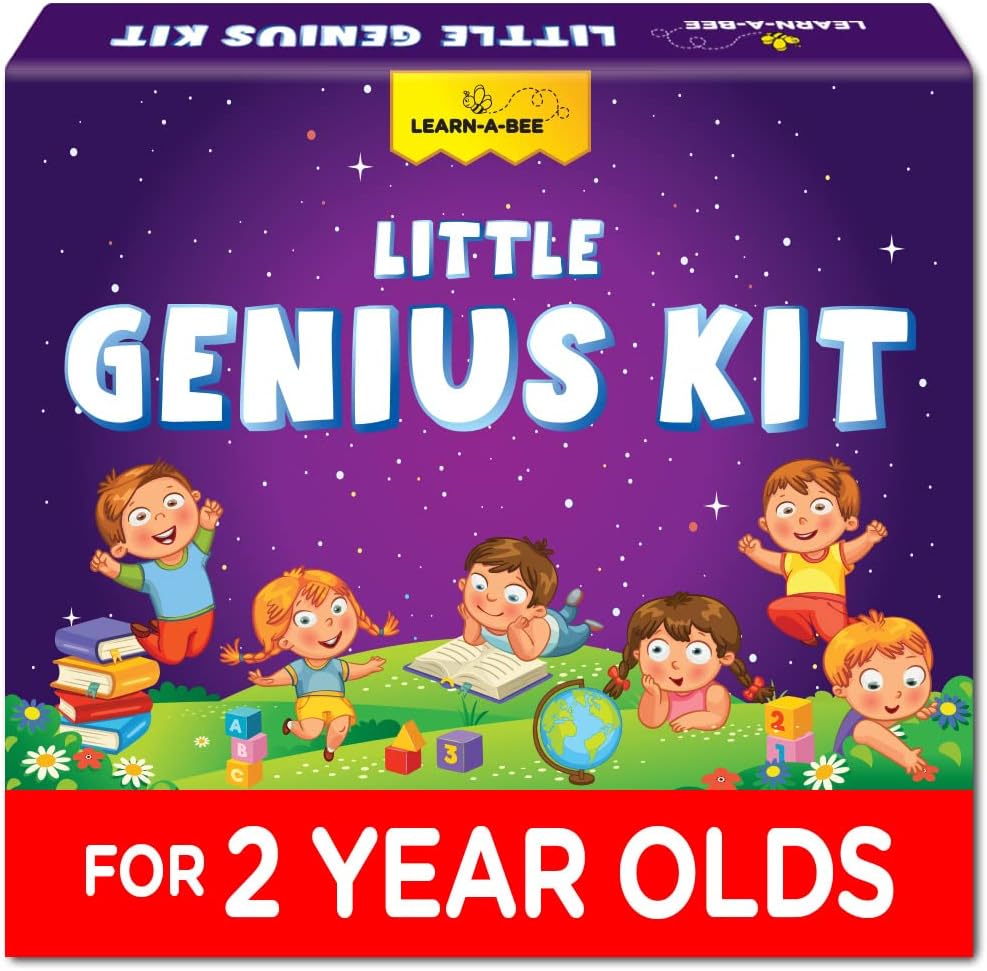
Learnabee – educational KIT

This complete learning kit engages 2-year-old boys and girls. It contains: Two durable, tear-resistant board books that teach concepts like manners, the alphabet, numbers, colors, and more. Flashcards that reinforce learning of colors, sounds, numbers, and letters. A fun, interactive matching game that develops logical thinking skills through gameplay.

Find it on Amazon

Stacking Cups

This colorful stacking tower provides visual stimulation for babies. Assembling the pieces helps develop organizational and motor skills.

Find it on Amazon

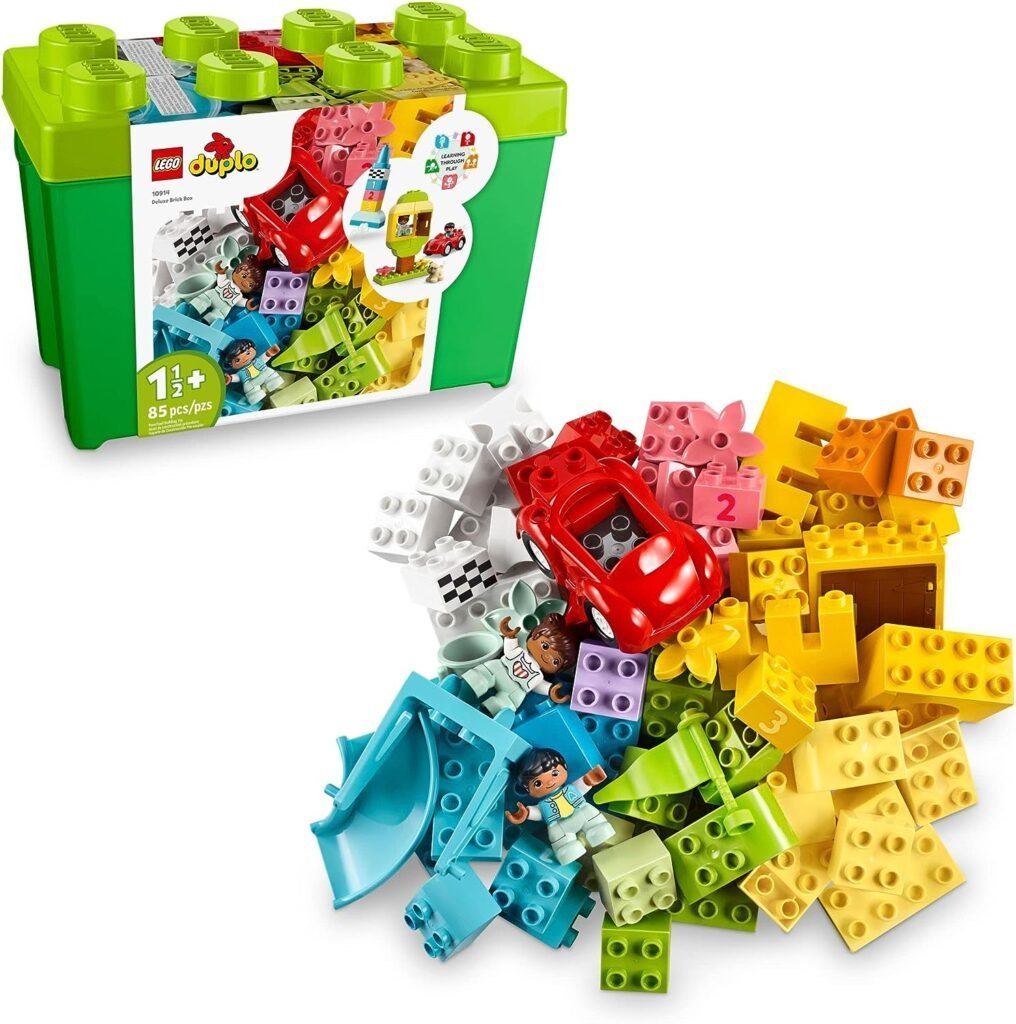
Lego Blocks

This toy has 85 colorful bricks with fun pieces like windows, cars, and numbered bricks. The variety stimulates kids’ imagination so they engage in continuous play and learning.

Find it on Amazon

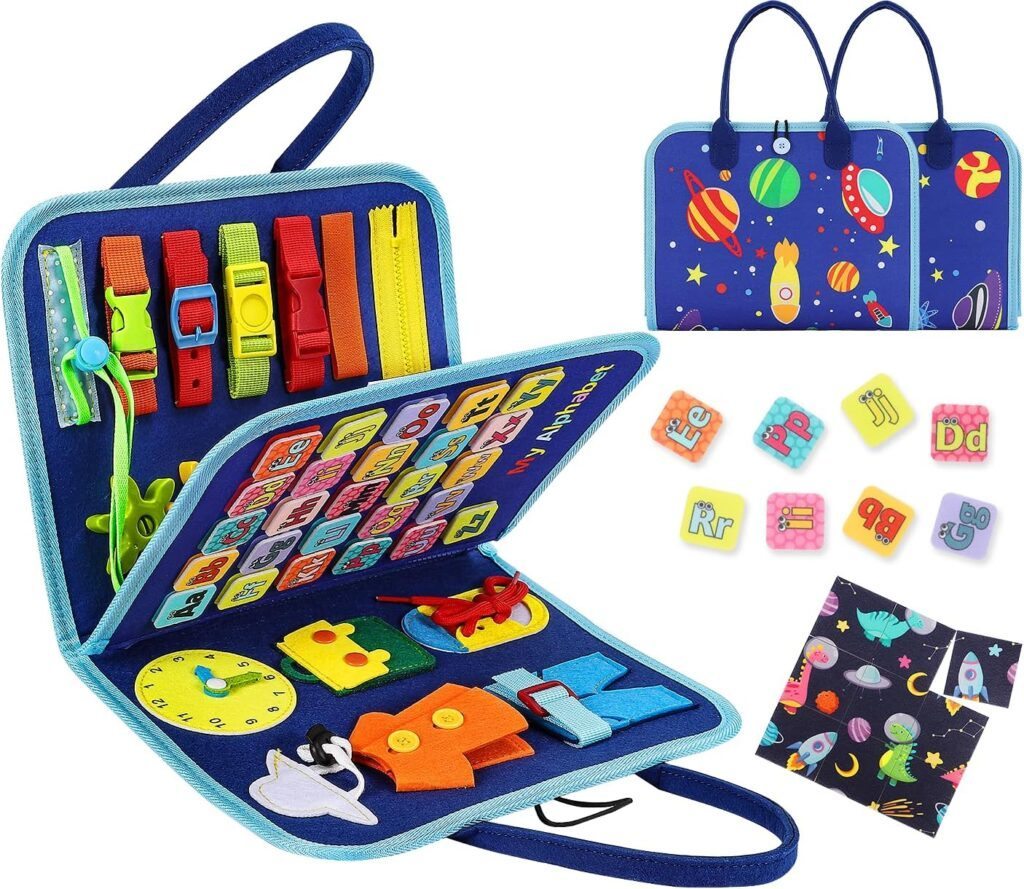
Sensory Toys – Montessori

This toy develops alphabet knowledge to improve cognitive and communication abilities. It teaches dressing skills like using latches, clips, shoelaces and zippers. Kids build fine motor skills, finger dexterity and cognitive capabilities.

Find it on Amazon

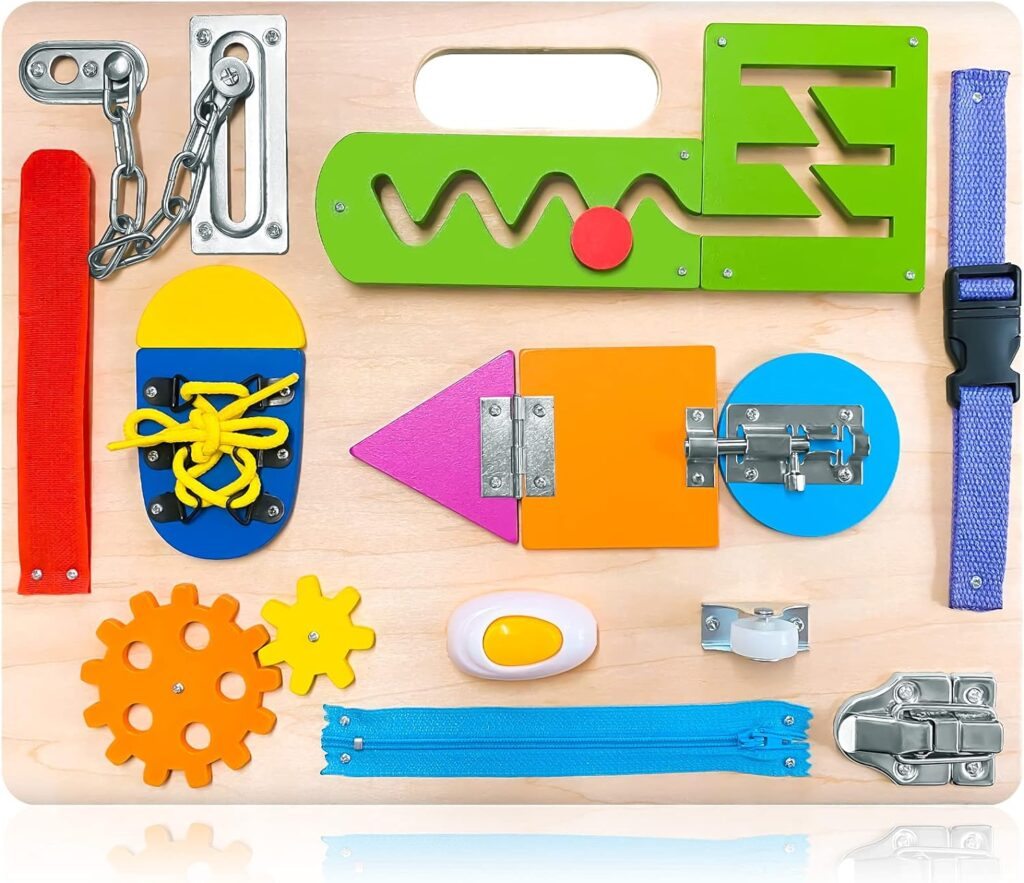
Busy Board

This busy board lets toddlers play with latches, Velcro, gears, locks, zippers and more. They can explore fun, sensory activities in different colors. It helps cultivate cognitive skills, attention span, and learning abilities.

Find it on Amazon

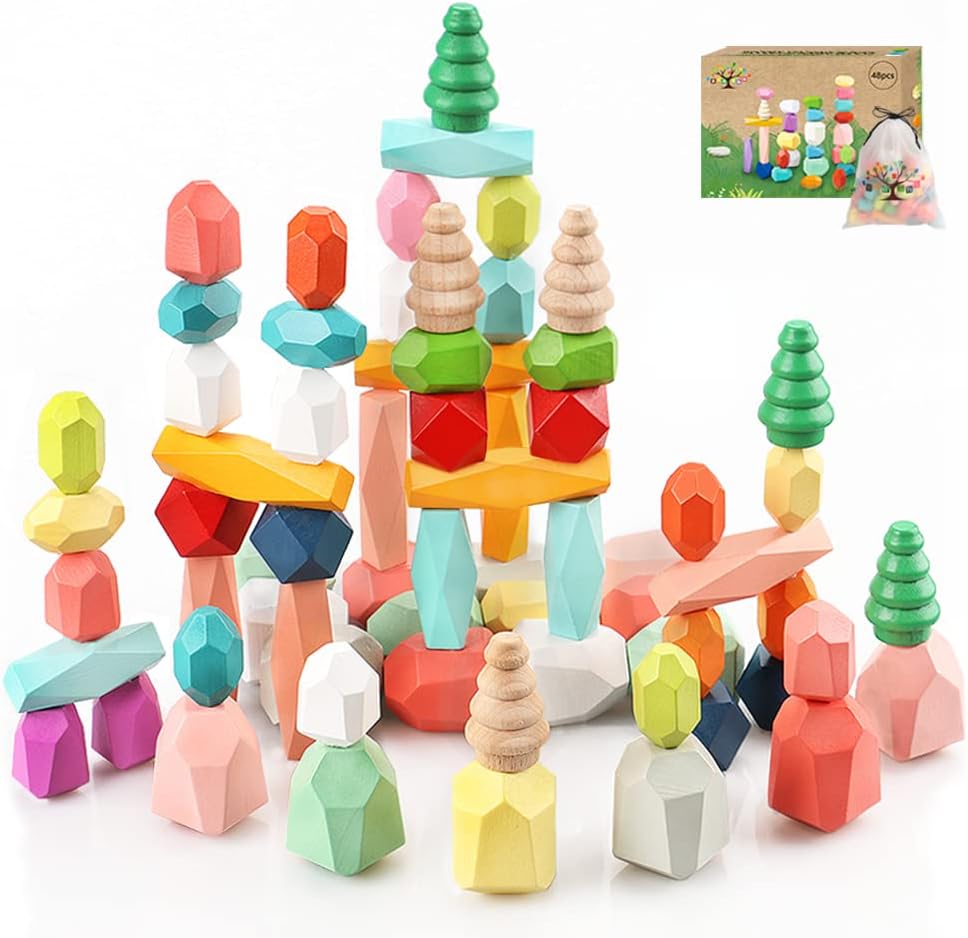
Wooden Building Blocks

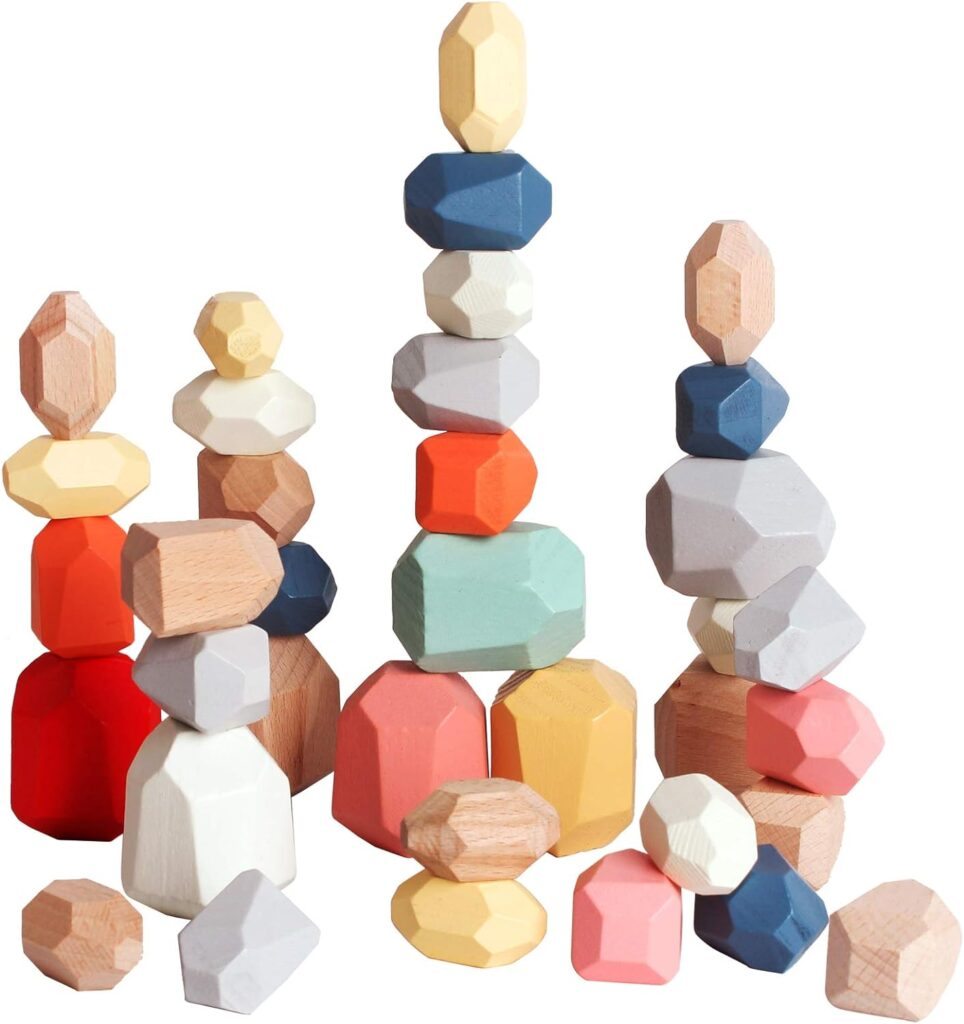
This set of 48 stacking rocks comes in a variety of colors, shapes, and sizes. This makes it a fun Montessori toy that helps kids learn about colors, shapes, balance, and stimulates creativity. It’s a great sensory toy for toddlers ages 1-3 that is easy to use but still challenging.

Find it on Amazon

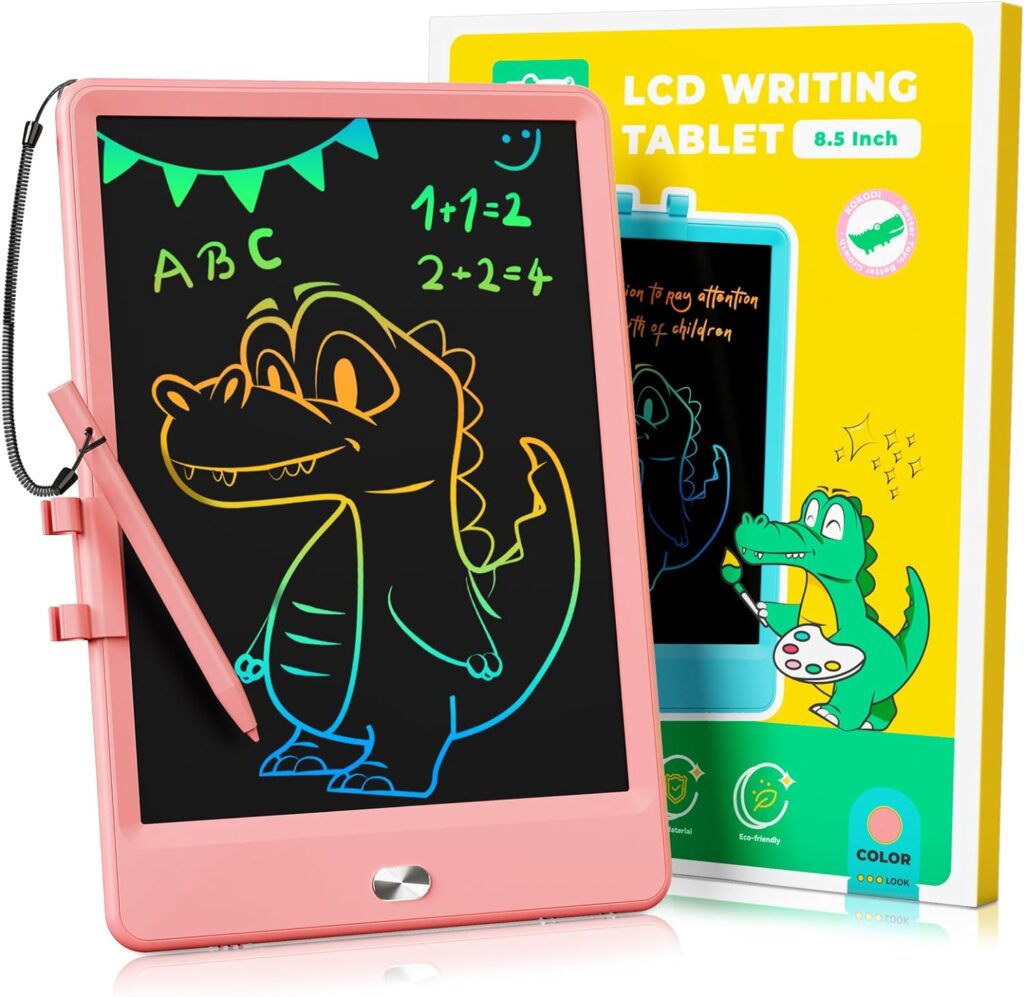
Drawing Tablet

This is a great writing and drawing toy for keeping girls entertained. It’s portable so it’s handy in the car or at home. It helps grow kids’ creative abilities.

Find it on Amazon

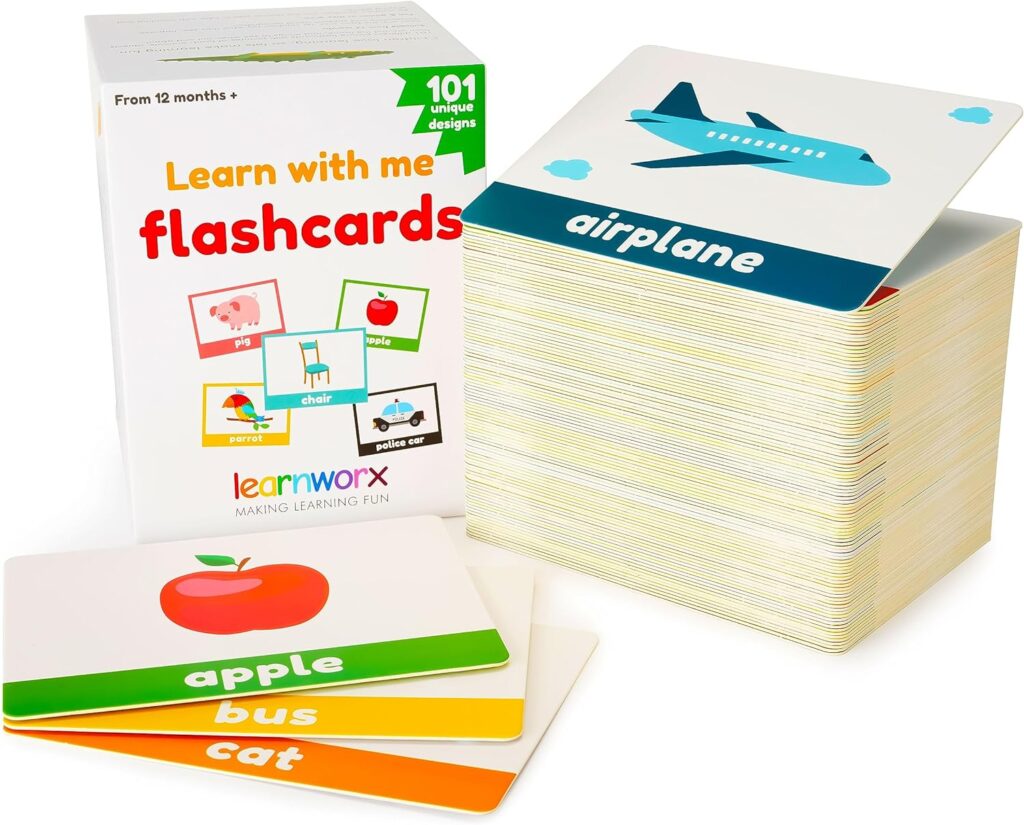
Flash Cards

Children love learning with these 101 double-sided first words flash cards from Learnworx. The set includes animals, foods, household and outdoor objects, places, and more. The cards come in a high quality gift box.

Find it on Amazon

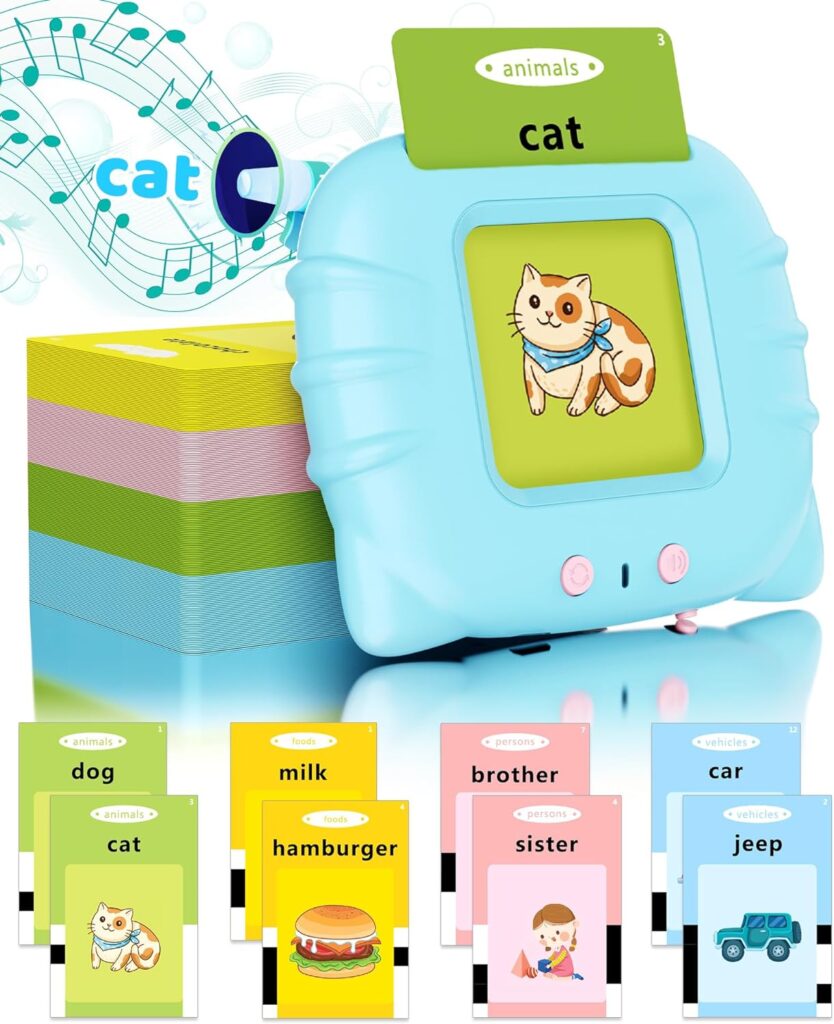
Speech Development Game

This interactive toy facilitates parent-child learning. Parents can use it to teach words, colors, fruits, which builds language skills and hand-eye coordination. It has adjustable volume levels. It’s a great sensory stimulation toy for autistic children.

Find it on Amazon

Top Educational Toys for 2 Year Olds

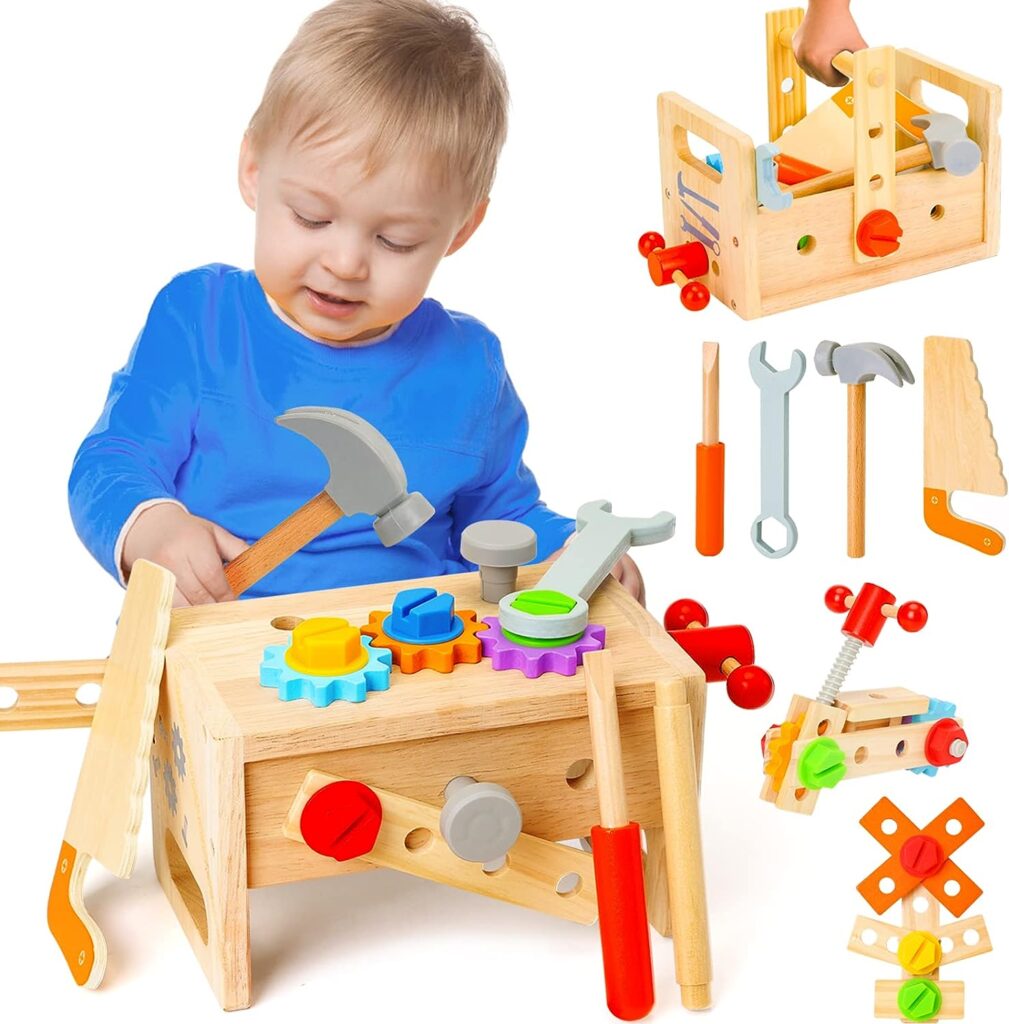
Wooden Tool Set

Kids tool set is a great way for children to develop their fine motor skills, hand-eye coordination, and problem-solving skills. The fact that it is easy to assemble and disassemble means that kids can learn to use real tools in a safe and supervised environment.

Find it on Amazon

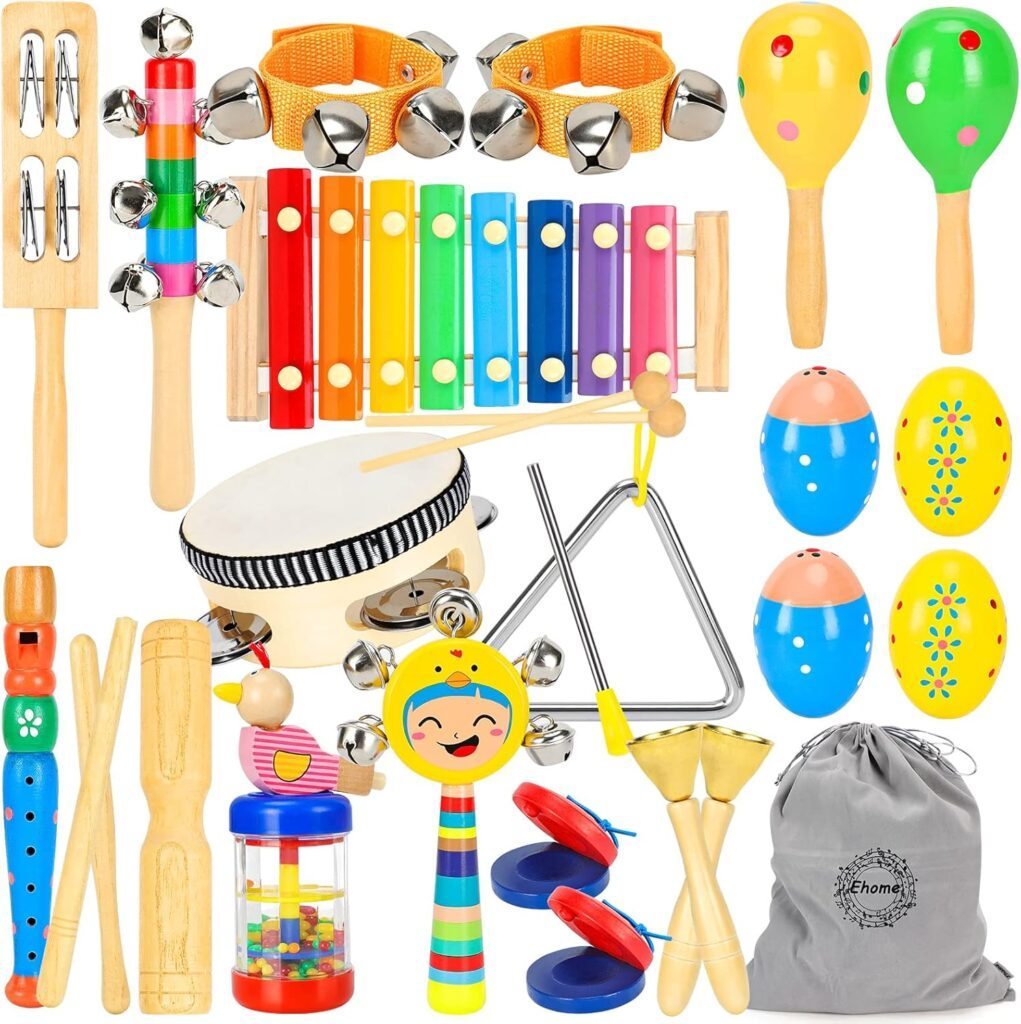
Musical Instruments

Playing musical instruments is a great way for babies to learn and grow in a variety of ways. It is also a fun and engaging activity that they will enjoy. There are a variety of different instruments available, so you can find one that is appropriate for your baby’s age and skill level.

Find it on Amazon

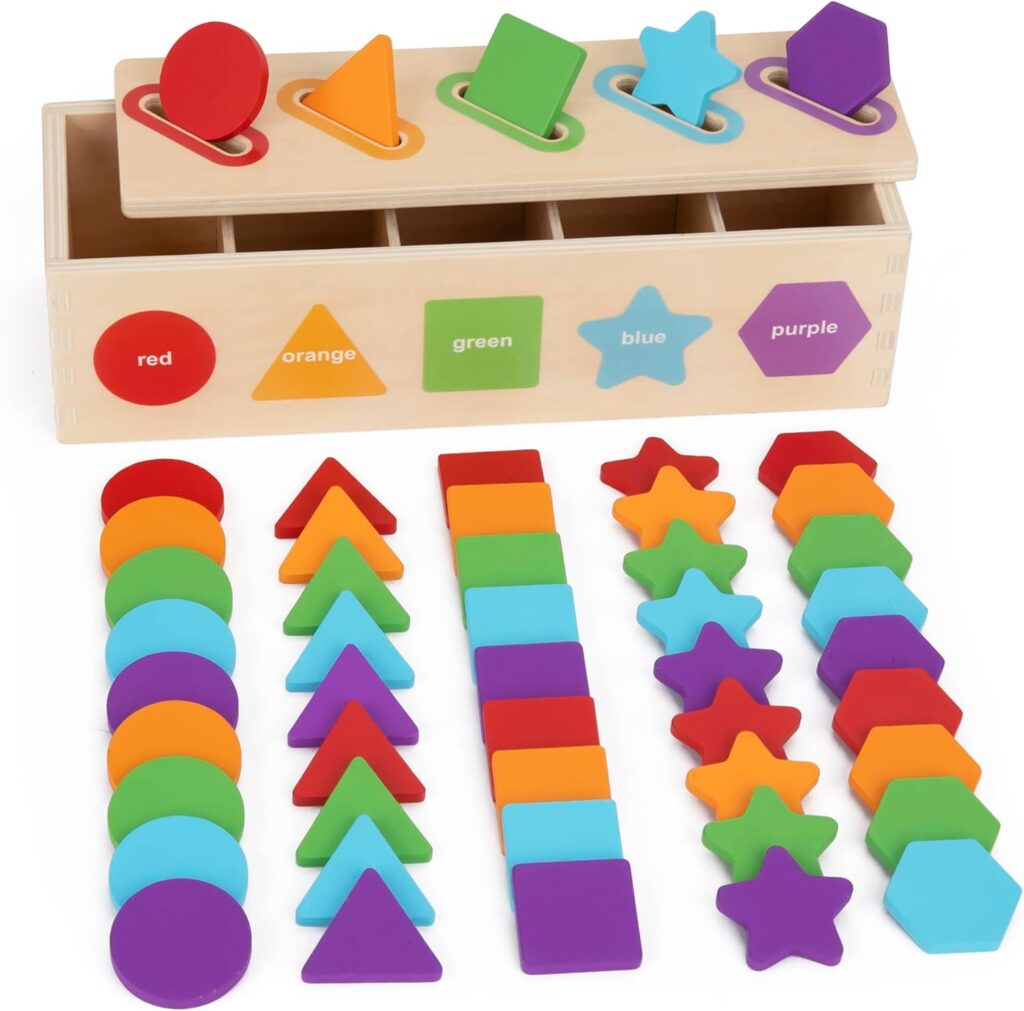
Color and Shape Sorting

Motor skills: The act of sorting the objects requires kids to use their fine motor skills, such as hand-eye coordination and dexterity.
Patterns: By following the patterns on the cards, kids can learn to identify and recreate different patterns.

Find it on Amazon

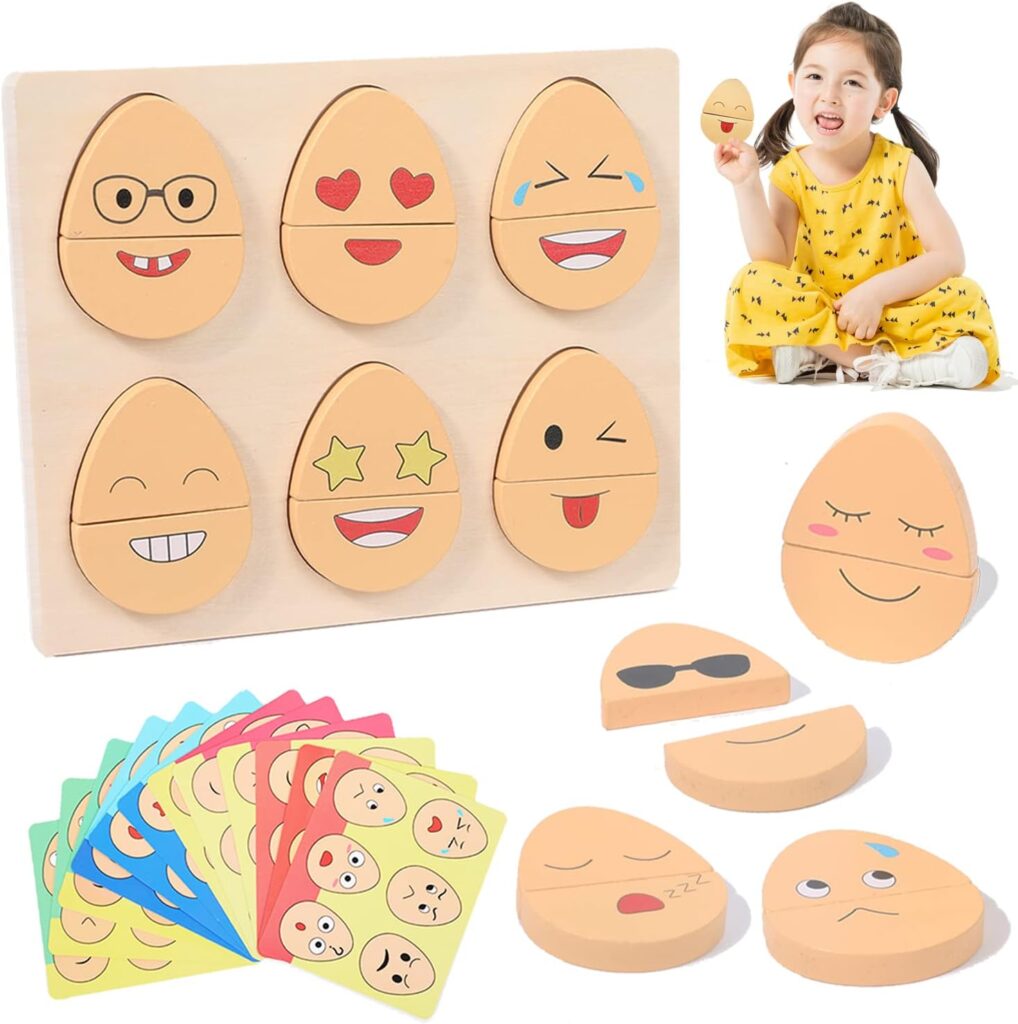
Express Emotions

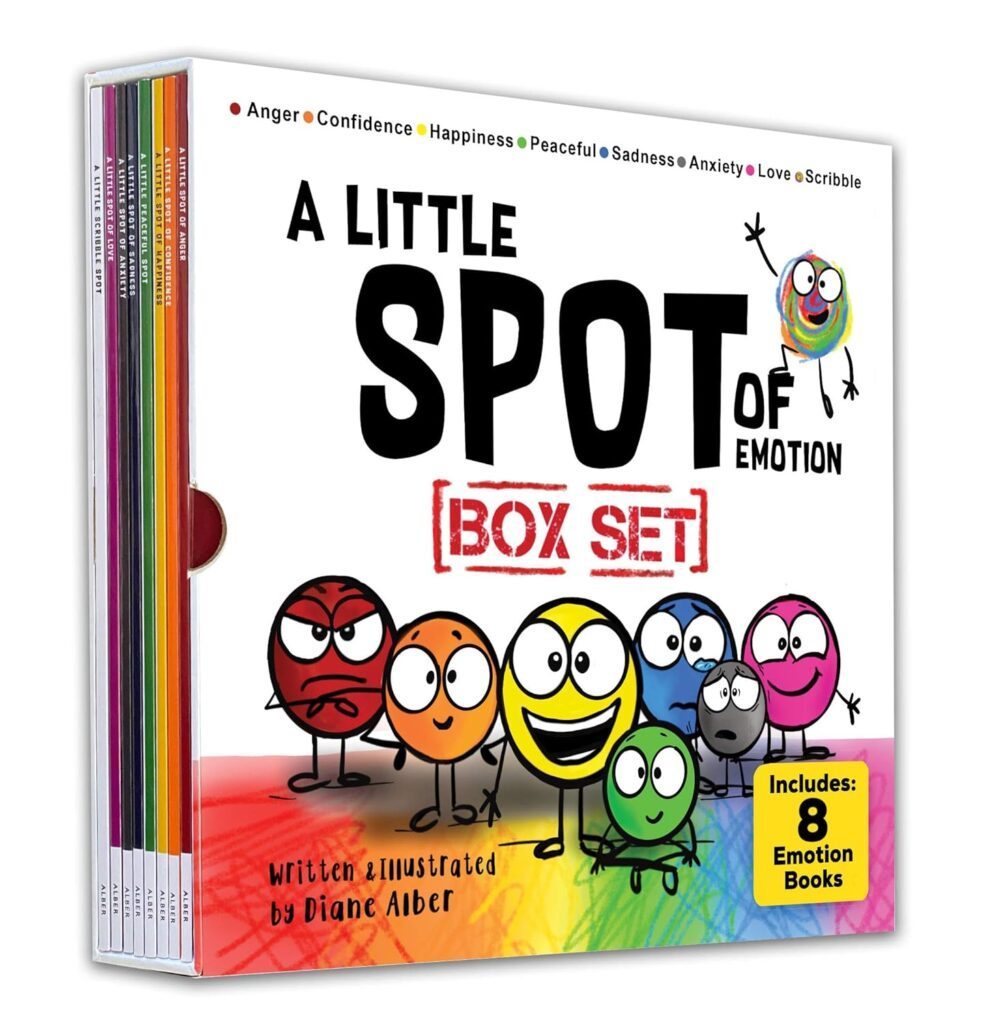
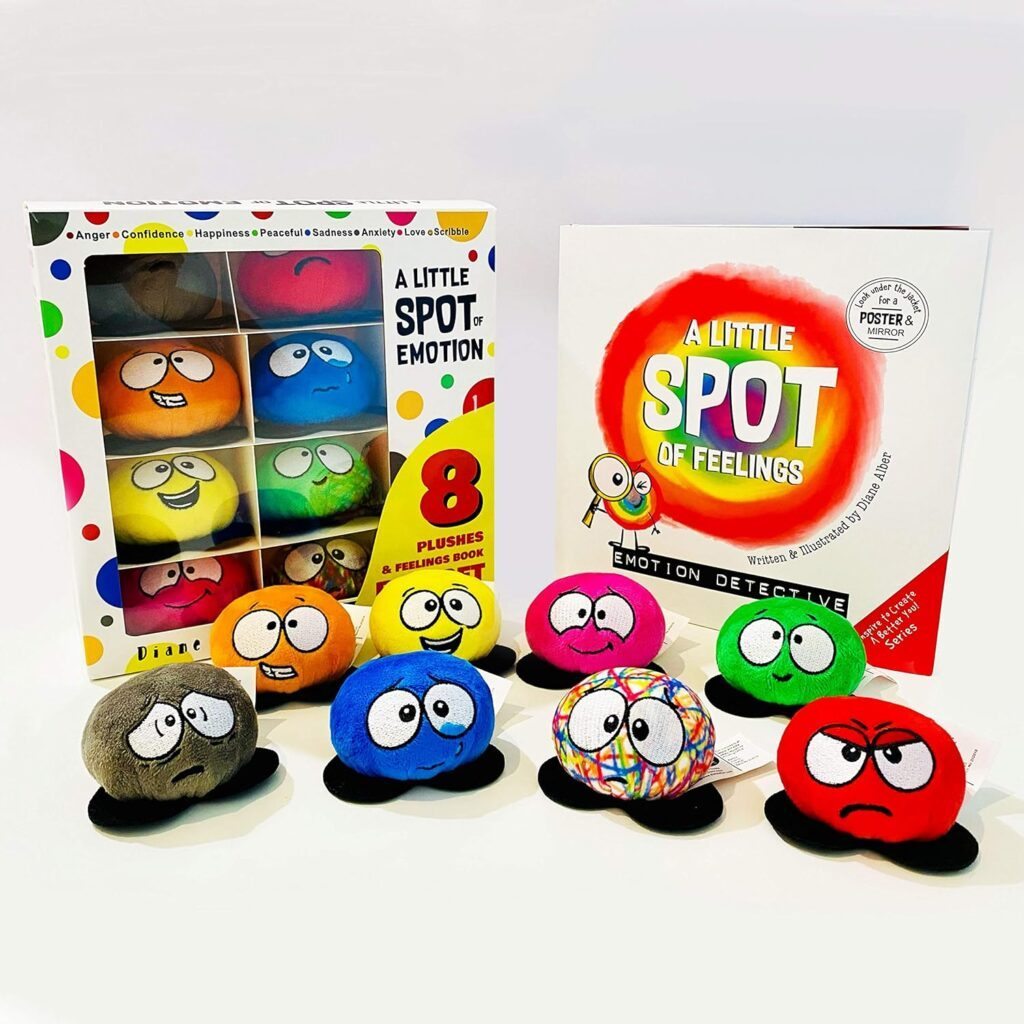
Identifying and expressing emotions: The toy can help toddlers learn to identify and express different emotions, such as joy, anger, sadness, and happiness. This is an important skill for toddlers to develop, as it helps them to communicate their feelings to others and to regulate their own emotions.

Find it on Amazon

I hope you find the perfect educational toy for your 2-year-old. There are so many great options available, so you’re sure to find something that your child will love and learn from.

Disclosure: We use affiliate links to earn a small commission. If you choose to purchase something through one of these links, there is no cost to you.

Homepage
Homepage
Posted in Child, Family Fun, GamesTagged games, kids, toys

Easter Art for Kids

CHILD, GAMES

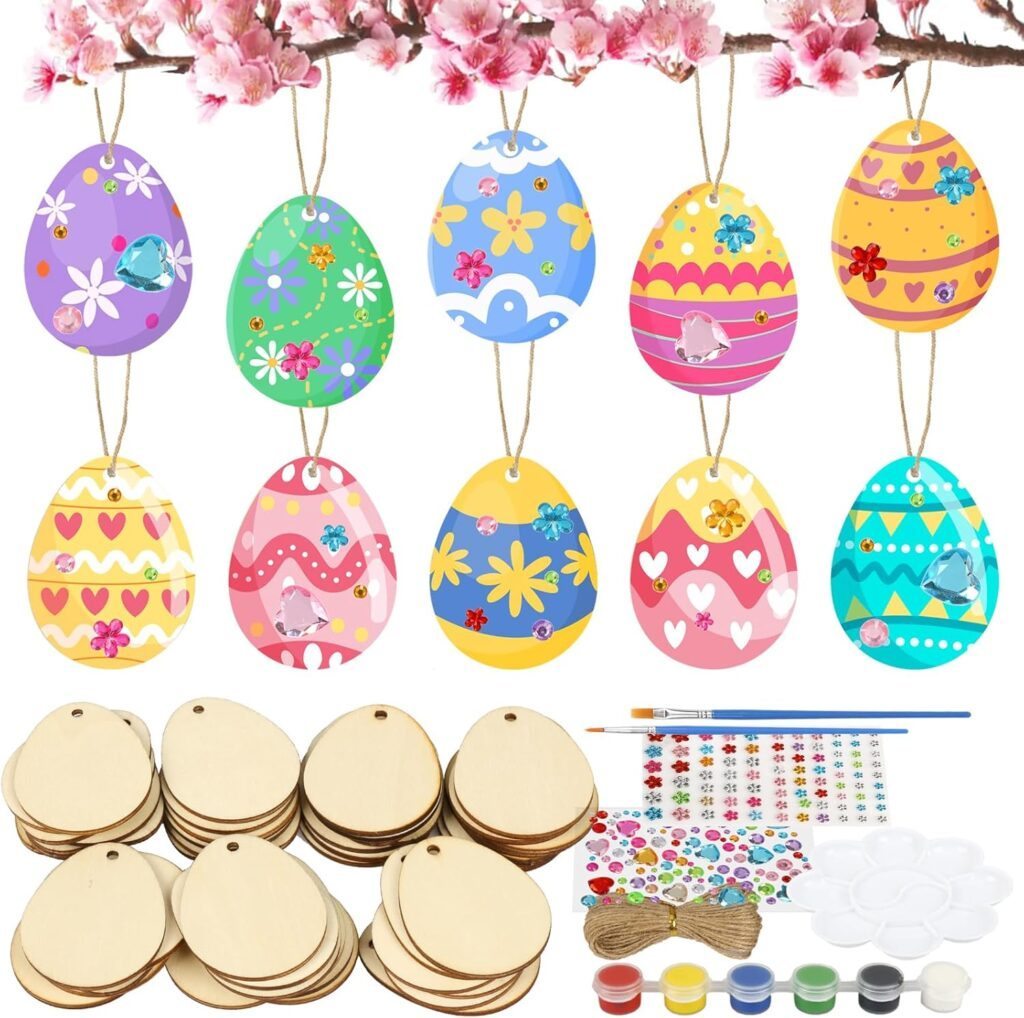
Happy Spring! I love this time of year! The weather, the blooms, the baby animals. It’s such a happy season! Spring always means that Easter is around the corner. Easter art for kids is always so colorful and adorable. Here are some top picks of Easter art for kids. 

Easy Easter Art for kids

Eastern Eggs

Not every parent is a craft! These ideas are perfect for the busy parent who doesn’t have a lot of bandwidth to craft with their child.  An added bonus–  these Easter art ideas use materials that you likely already have in your home! 

Easter Egg Pom Pom paint 

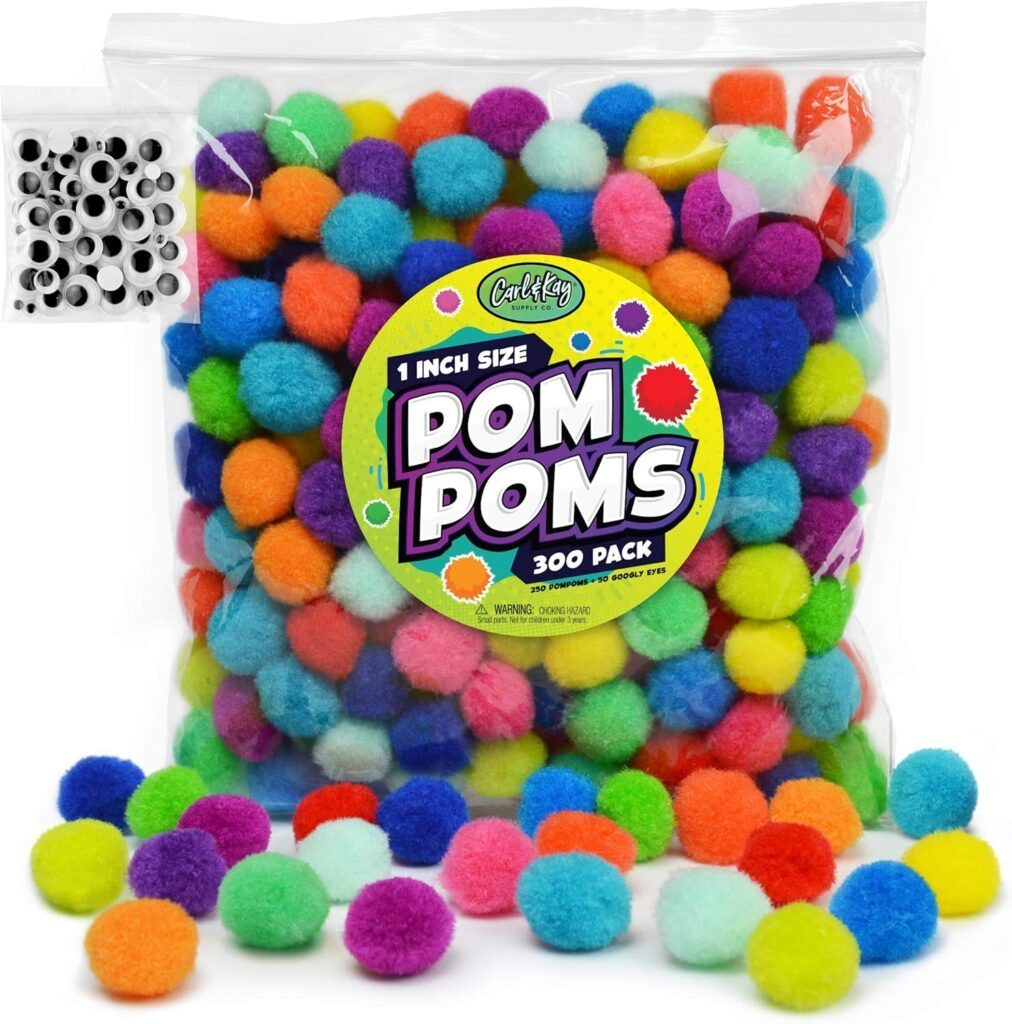
Grab some construction paper and cut in an egg shape. Get out some paints and some little pom poms and let your little little Picasso get to work! If your little one doesn’t like messy fingers, you can use clothespins to hold onto the pom poms. This activity is great for building fine motor skills for younger children! credits: sassydealz.com  

Pom Poms

Easter Bunny Craft 

Goggly Eyes

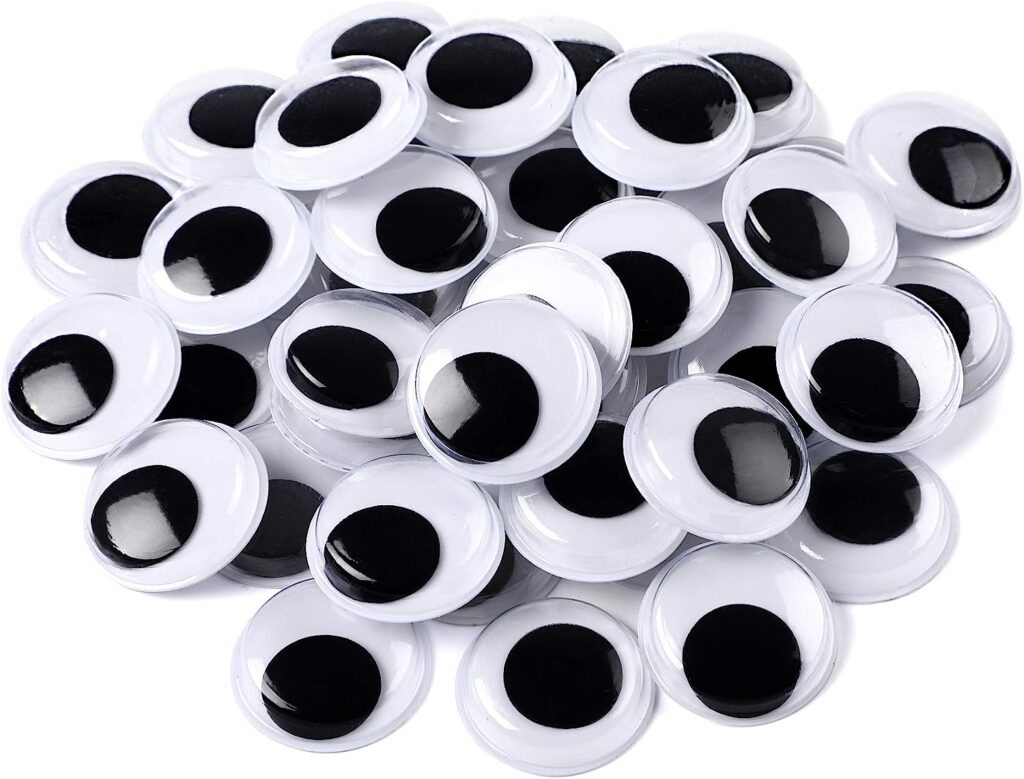
For this craft you need a paper plate, some cotton balls, glue, and some white and pink paper for the bunny ears! First, have your child cover the paper plate in cotton balls.Then, cut out two ear shapes and tape to the back of the plate. Finally, brainstorm together some materials from around the house that you could use for whiskers and eyes. (Think:pipe cleaners, cotton swabs, yarn, goggly eyes, buttons, etc.). It’s always fun to see what our kids think up! This Easter art could also turn into a mask for kids!  credits: simplytodaylife.com

Handprint Bunny

This handprint bunny is a super easy Easter craft for kids! And it’s also a great keepsake! Simply trace your child’s hand on construction paper, then cut out. Fold down two fingers to create the bunny arms, cut off the middle finger and voila – you have your bunny! Older kids will enjoy creating their own bunny faces, while younger children may need a little help.  credits: www.onelittleprojectatatime.com

Footprint Carrot

Find it on Amazon

This footprint carrot is also a great keepsake! Kids love to look back at their art projects, especially ones where they can see just how much they have grown. For the footprint carrot you need paper orange, green, and white paper and orange paint. Have your child step in paint, or “paint” the bottom of their foot, then have them carefully step on the white piece of paper. Cut out the footprint and glue to orange construction paper in a carrot shape. Add some greenery on top. An adorable and easy Easter craft for kids!   credits: craftymorning.com

Easter Art Projects

The following are Easter art ideas for kids that may be a little more time consuming, or require a two step process. 

Easter Egg Rocks  

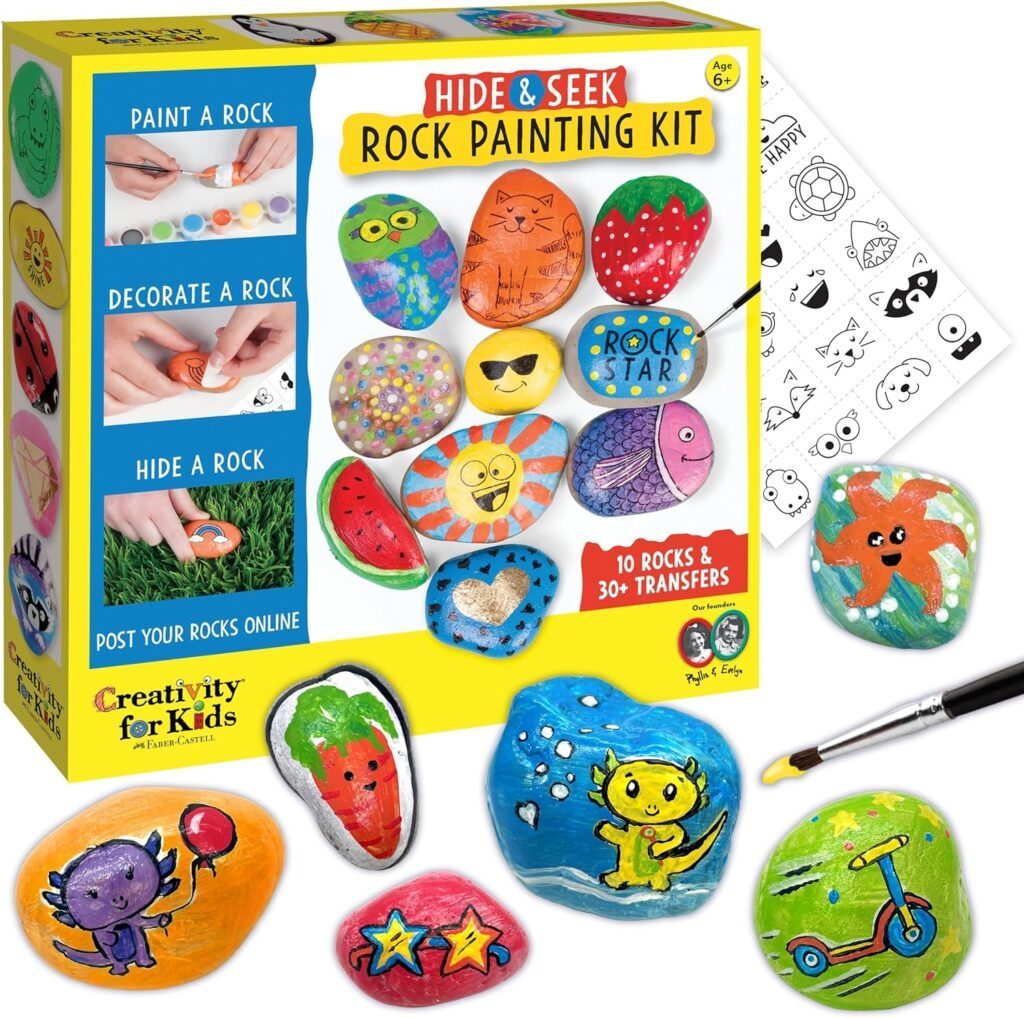
This is a great art project that can keep giving and giving. First, go on a nature walk with your kids, looking specifically for egg shaped rocks. Then, it is time for some water play! Give your rocks a bath to make sure they are clean. While they are drying, pick out pastel colored paints. Choose a color to paint each rock entirely. Once the base color has dried, add designs in other colors! Use q-tips and small paint brushes to create fun and unique designs for each rock. Once the rocks are dry, they can be used as decoration, or can be hidden for an Easter Rock hunt! credits: www.projectswithkids.com

Rock Painting

Salt painted Easter Eggs      

Egg Race

For this art project you need card stock, Elmer’s glue, salt, and watercolors. Draw an egg shape on card stock, including different designs on each egg. Trace over everything with glue, then add a liberal amount of salt, fully covering all of the glue. Allow to dry and gently dump off excess salt. Then dab on watercolor paint to color your eggs! The outcome is a beautiful, puffy looking art piece- a perfect addition to Easter decor for the season! credits: atteslilacsandlullabies.com 

Egg Carton Hatching Chick     

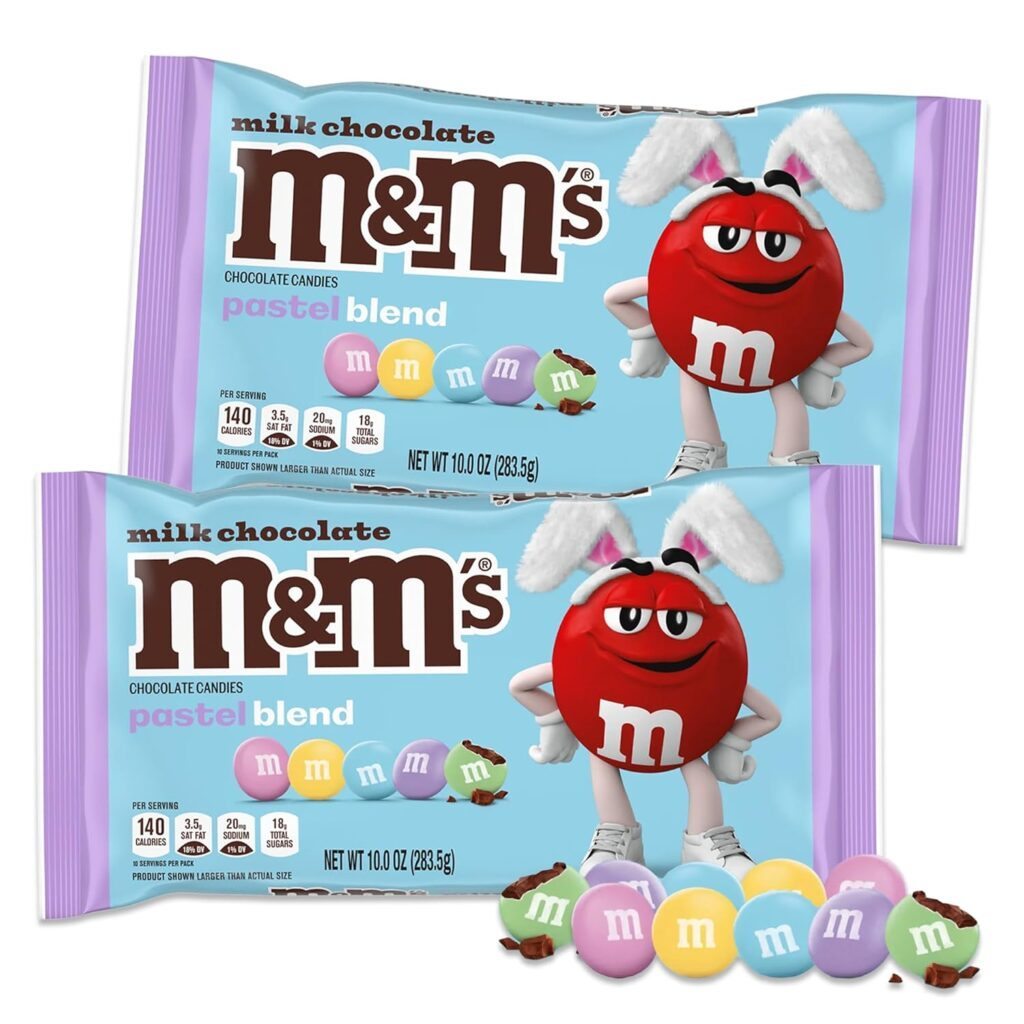
These cute little egg carton chick’s are super simple to make, plus a fun way to recycle egg cartons. Put goggly eyes on pom poms, add beak and feet. Cut egg carton for nest or chicken hat. Stretch this activity by filling these cute chicks with jelly beans or pastel colored m&m’s. Deliver the chicks to neighbors or friends in the area to get them in the spring mood.   credit: craftymorning.com

Amazon Find

Egg Carton Chick Gift   

Another cute little egg carton chick’s idea. Cut egg carton into small shells and glue two together and create cute chicks. Add beak, feet and fill with pastel colored m&m’s. Share the Easter love with the little cute carton Chick. Easy to make and fun to share. credits: practicallyfunctional.com

Edible Easter Art

The following are Easter art ideas for kids that may be a little more time consuming, or require a two step process. 

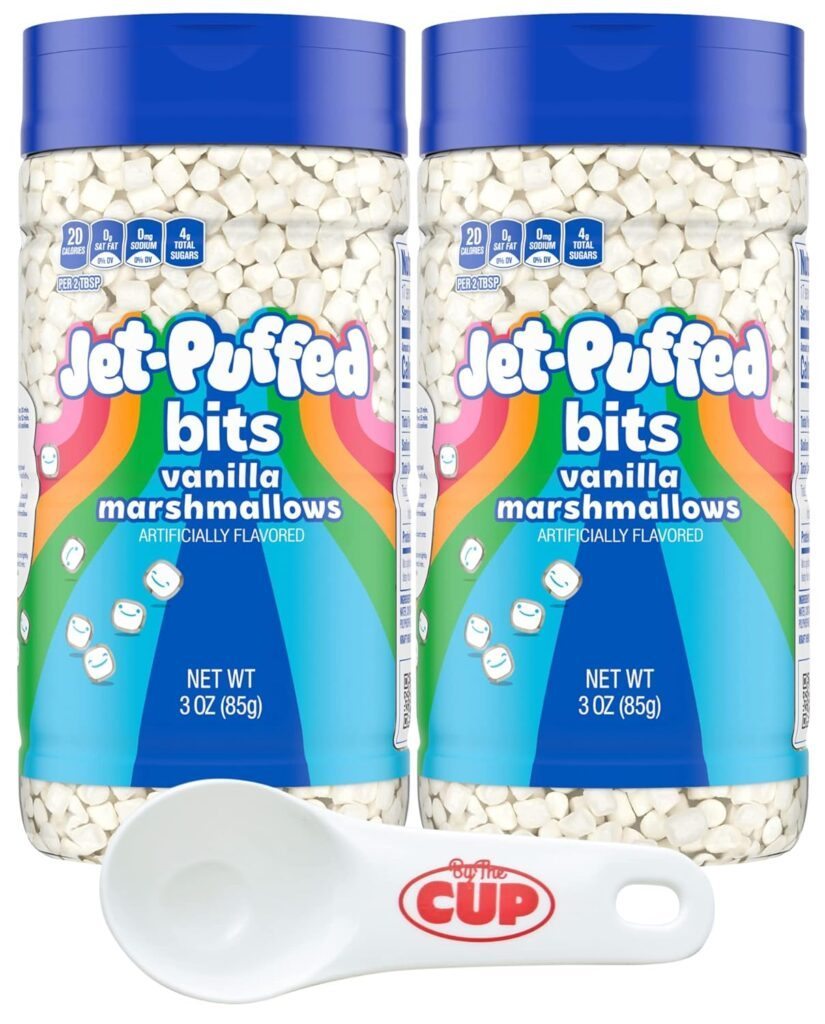
Easter Bunny    –  Marshmallow craft 

Draw a bunny on a paper. Trace a bunny drawing with glue and add marshmallows! A cute, easy, and yummy way to celebrate Easter with kids! Placing the marshmallows along the line is great fine motor skill practice for young kids, and you can guarantee they will be enthusiastic participants in this craft!  credit: classymommy.com

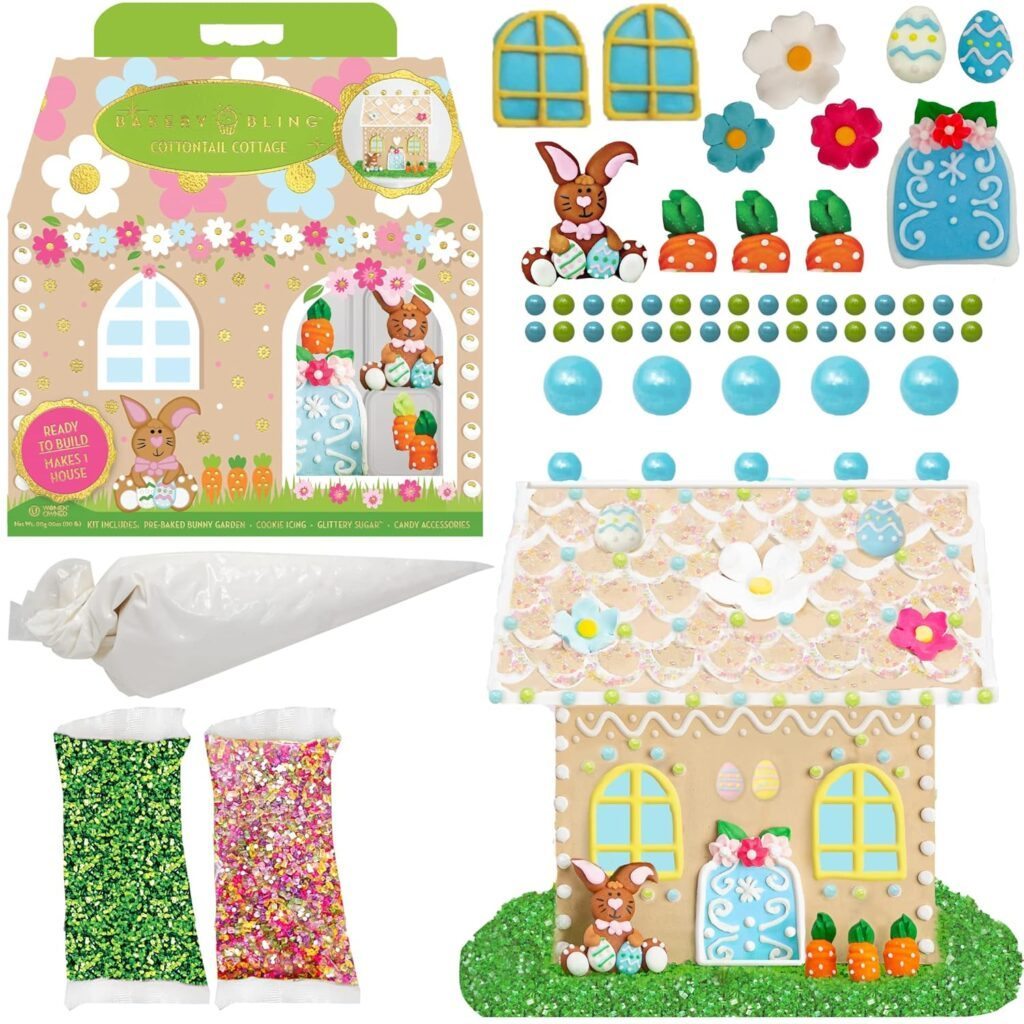
Easter Bunny House

Easter House

We’ve all heard of gingerbread houses, right? This is an Easter version! Use Easter inspired ingredients to make a wonderful house for a peeps bunny! So fun and yummy too! credit: www.itsalwaysautumn.com

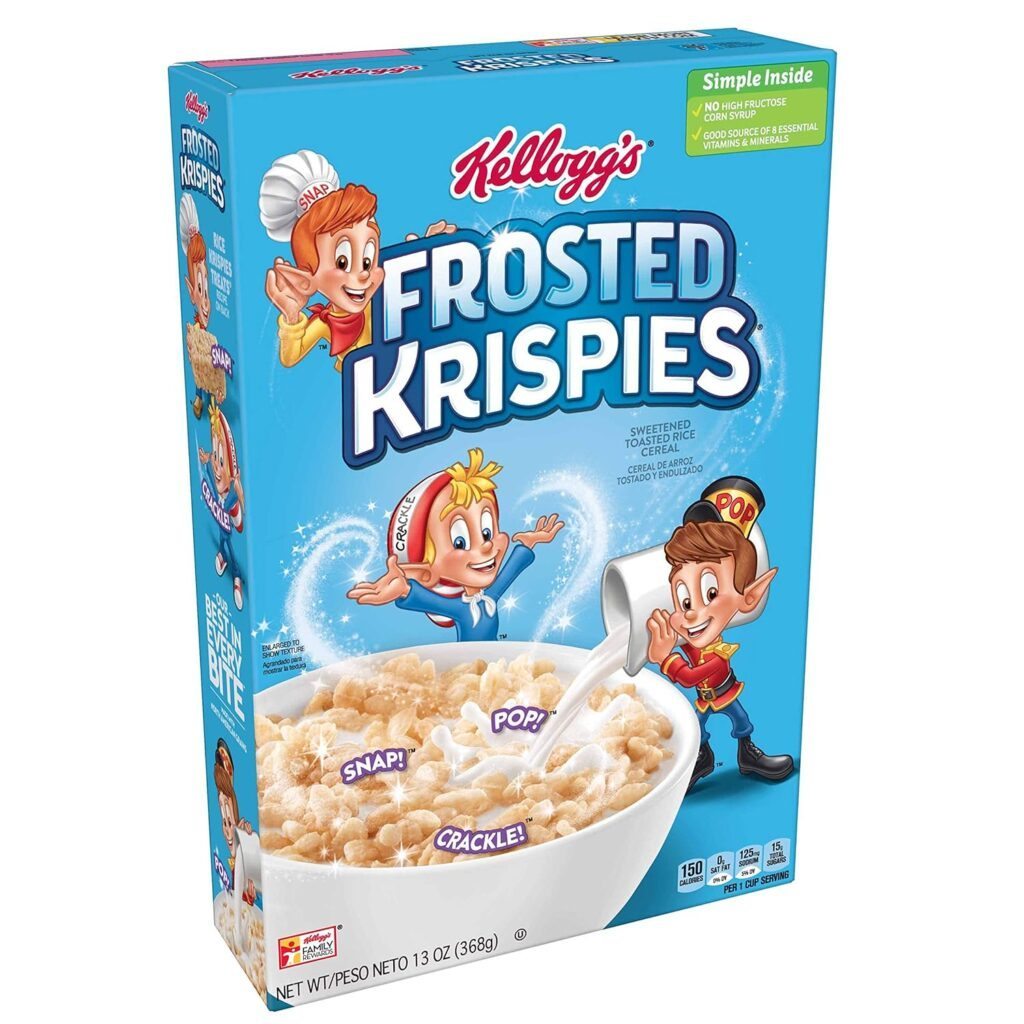
Easter Egg Rice Krispie Treats

Fun idea to make rice krispie treats and form them into an egg shape using a plastic easter egg coated with cooking spray! Hollow out the middle and add yummy treats in the middle of the egg krispie treat. credits:   makelifespecial.com

Frosted Krispies

Bunny Lollipop            

Lolly Pops

This is a super simple Easter craft turned treat for kids! First, grab a package of lollipops. Then simply wrap two together to look like bunny ears and add a bow and fluffy white cottontail (via a pom pom). Such a cute treat to pass to friends or share with classmates at Easter time! credit: www.smartschoolhouse.com

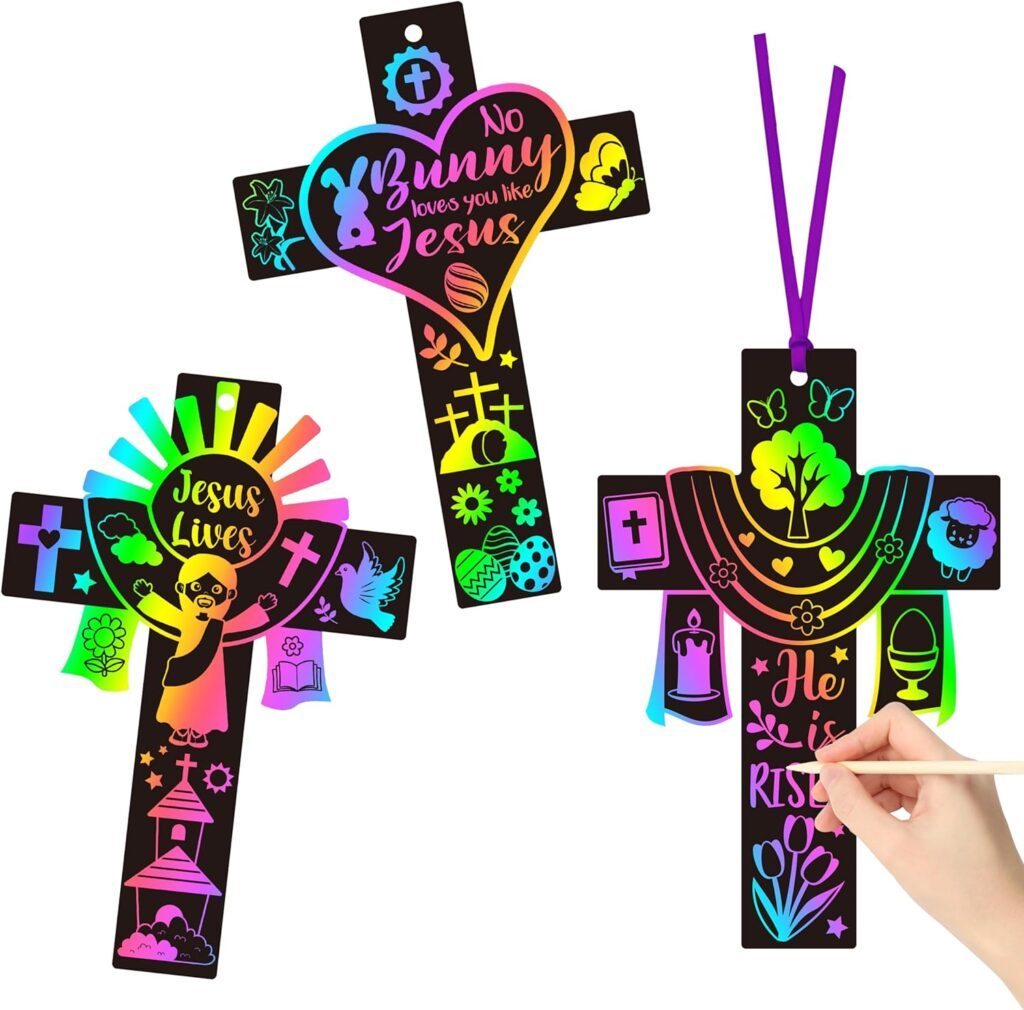
Religious Easter Art 

Easter is an important holiday for those who are religious. A great way to help kids grapple with the Easter story is by engaging them in a tactile way. Easter art for kids that reflect the Easter story can be really powerful. 

He is Risen 

Materials needed for this craft are mainly paper, glue, scissors, a hole punch, and paper fastener.  This is a craft that will likely need some parent support as it can be a little tricky to get just right. Find template: nontoygifts.com 

Resurrection Garden        

This Easter art project for kids recreates Christ’s tomb using some basic garden supplies and grass seeds. It’s a tangible and tactile way to discuss new life and growth. credits: sweettmakesthree.com

Easter Art for Kids and Parents too

Easter Egg Dye   

(with natural dye colors made with everyday ingredients)  

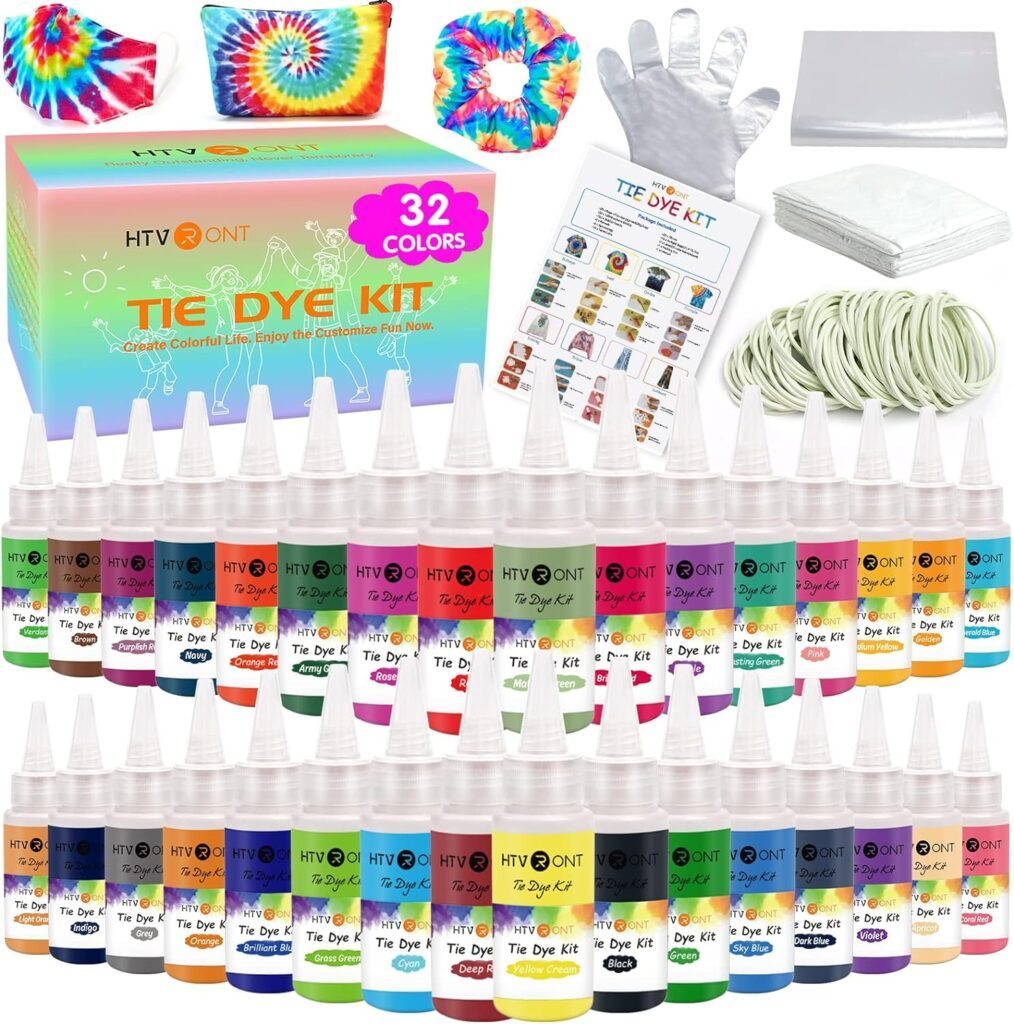
The ultimate Easter art activity for kids is dyeing eggs! Yes, there are tons of egg dyeing kits out there. And sometimes just buying the box kit is enough! But, if you have a few hours to kill, these Easter eggs dyed with natural ingredients like beet,onion, turmeric, hibiscus, cabbage, ad beet kvass are incredibly gorgeous. Plus- just think of all the learning your kids will get– food exposure, color mixing, etc. credits: mommypotamus.com  

Egg Dye

Easter Egg Dye with Stencils    

Spring Stencils

(Natural ingredients and flower stencils) 

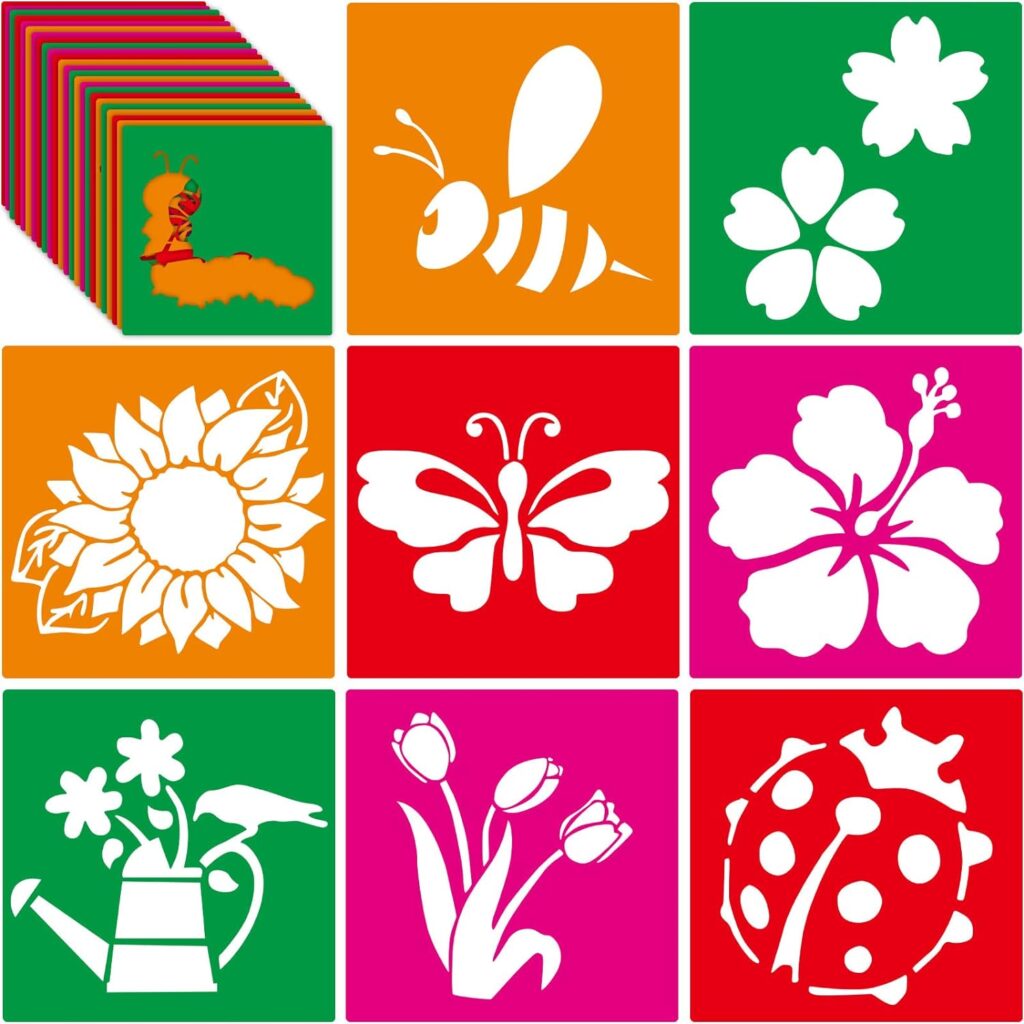
These Easter eggs dyed with natural ingredients and stenciled with flowers and plants are beautiful! Using flower stencils is perfect for the spring season. This is a great way to get our kids outside, in and interacting with the natural world. Enjoy! credit:  nourishingmyscholar.com

Take what is useful, and leave the rest

Well-there’s the roundup of fun, different, easy, tasty Easter art for kids! Remember that these are suggestions for activities to set up for your child, but if this isn’t your thing, skip it! There are so many suggestions for ways we can “best” mother, and no one has time/energy/interest for it all! 

Happy Spring, Happy Easter!

Disclosure: We use affiliate links to earn a small commission. If you choose to purchase something through one of these links, there is no cost to you.

Homepage
Homepage
Posted in Child, GamesTagged activities, games, kids

Potty Training 101

CHILD, PARENTING

Potty training is one of the biggest worries among new parents. So many questions arise about when to start and how to do it. Well-meaning grandparents, neighbors, and childcare workers all want to offer advice, but the fact is – you are the parent and only you will know when you and your child are ready.

When to Begin Potty Training

There is no magic age when potty training should begin, but most children begin to show interest at around two years old. Forcing the child to learn before they are ready will just lead to frustration for you and them. 

Find it on Amazon

Is My Child Ready? 

A considerable portion of successful potty training depends on the child understanding the process and following instructions. 

Find it on Amazon

  • Begin using words such as potty or toilet, pee, poo or BM. 
  • Your child should be able to walk to the potty by himself for a few minutes. 
  • The child should be able to pull down a training pant or diaper,
  • The child should be able to use words to voice their toilet needs
  • The child follows simple commands (i.e. pick up the blocks and put them in the box)

If your child isn’t ready, don’t stress. Children mature at different rates. Just because the neighbor’s two-year-old is using the toilet and your 28-month-old is not, that does not reflect your success as a parent. Also, don’t let well-meaning grandparents or childcare workers push you into starting before your child is ready. You know your child best.

Signs to Look For

Every child is different and accomplishes tasks at different stages, but there are certain signs that your child may be ready for toilet training. 

  • Pulling off a wet or dirty diaper
  • Staying dry for 2 hours or more
  • Hiding in a corner to pee or poop
  • Following others into the bathroom 
  • Flushing the toilet
  • Waking up dry from a nap
  • Telling you after they went pee or poo in their diaper
  • Specific body movements or facial expressions (i.e. the pee-pee dance)

Find it on Amazon

Not all children display all these signs, but you should begin talking to your child about the potty if you notice any of these behaviours.

How to begin

Let your child go into the restroom with you and talk to them about what is going on. (ie. I am going potty because I felt like I needed to pee.) Explain the need to flush and wash hands.

Find it on Amazon

  • Let the child flush the toilet. Have them stand on a stool and wash their hands while you wash yours.
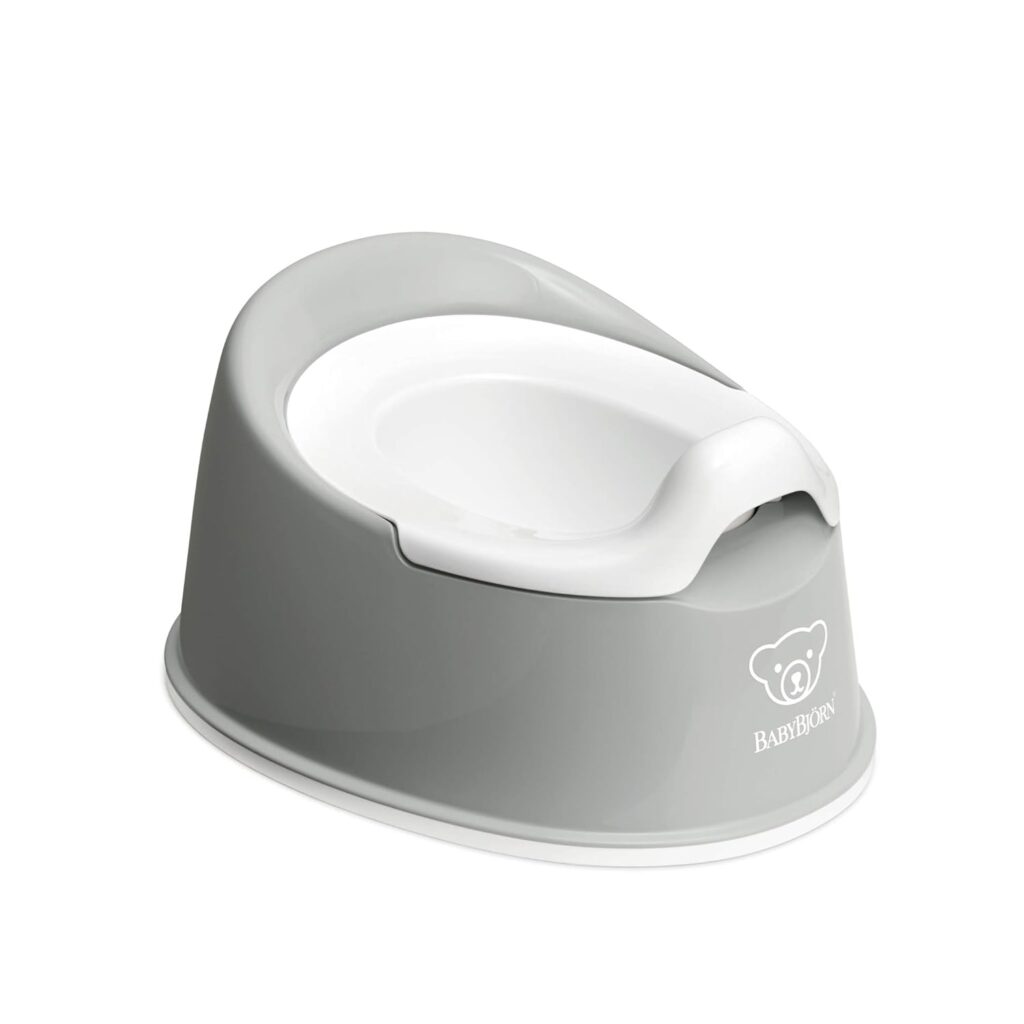
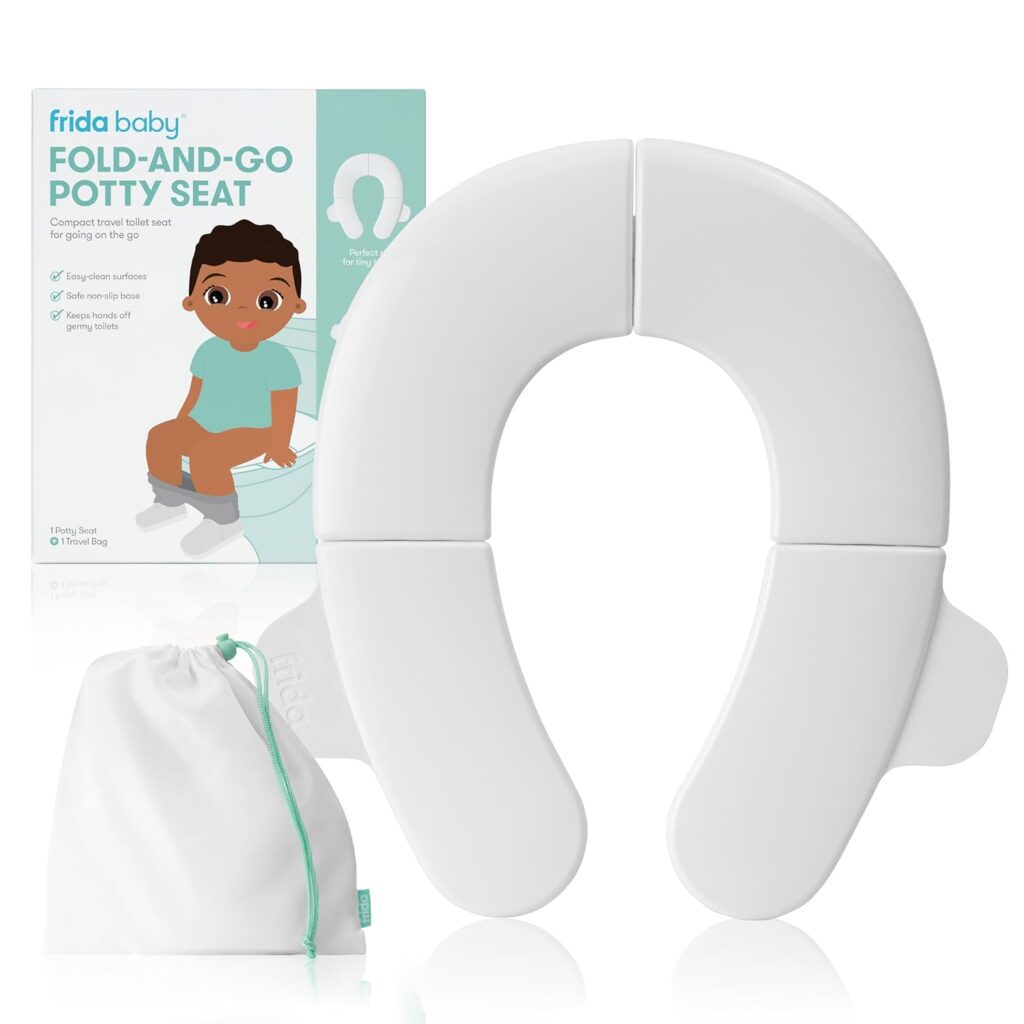
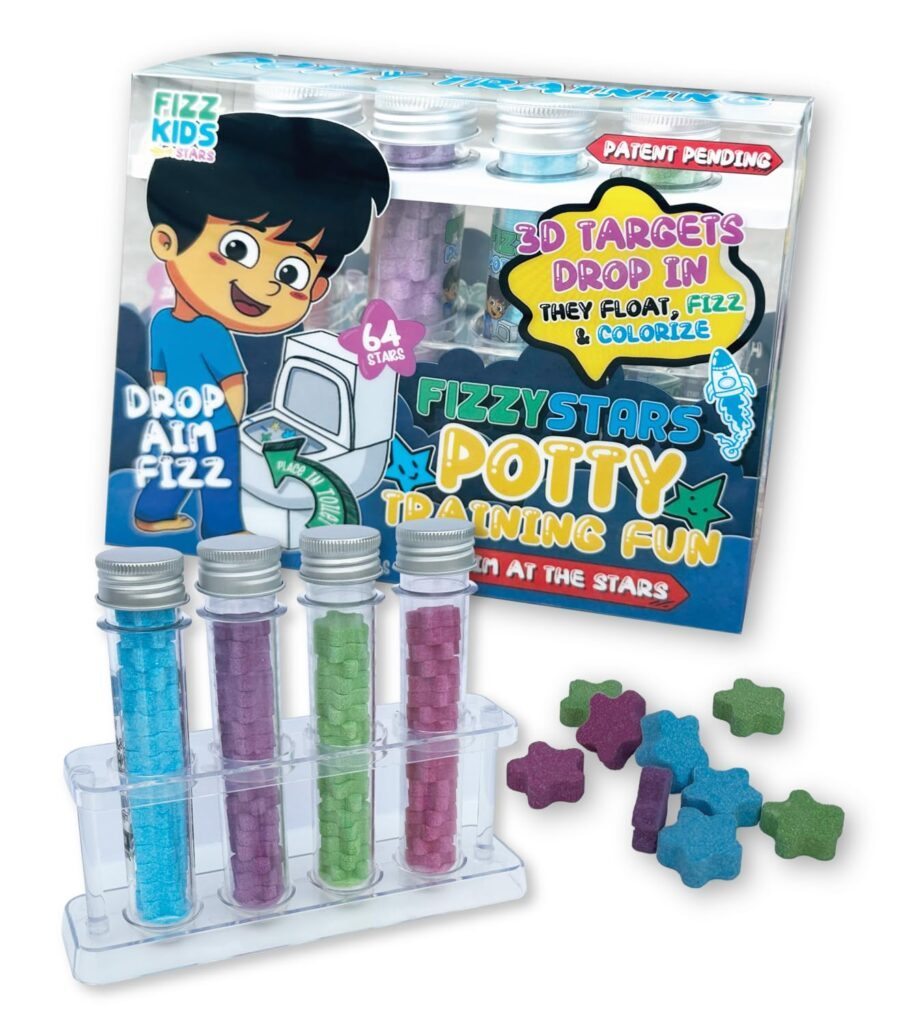
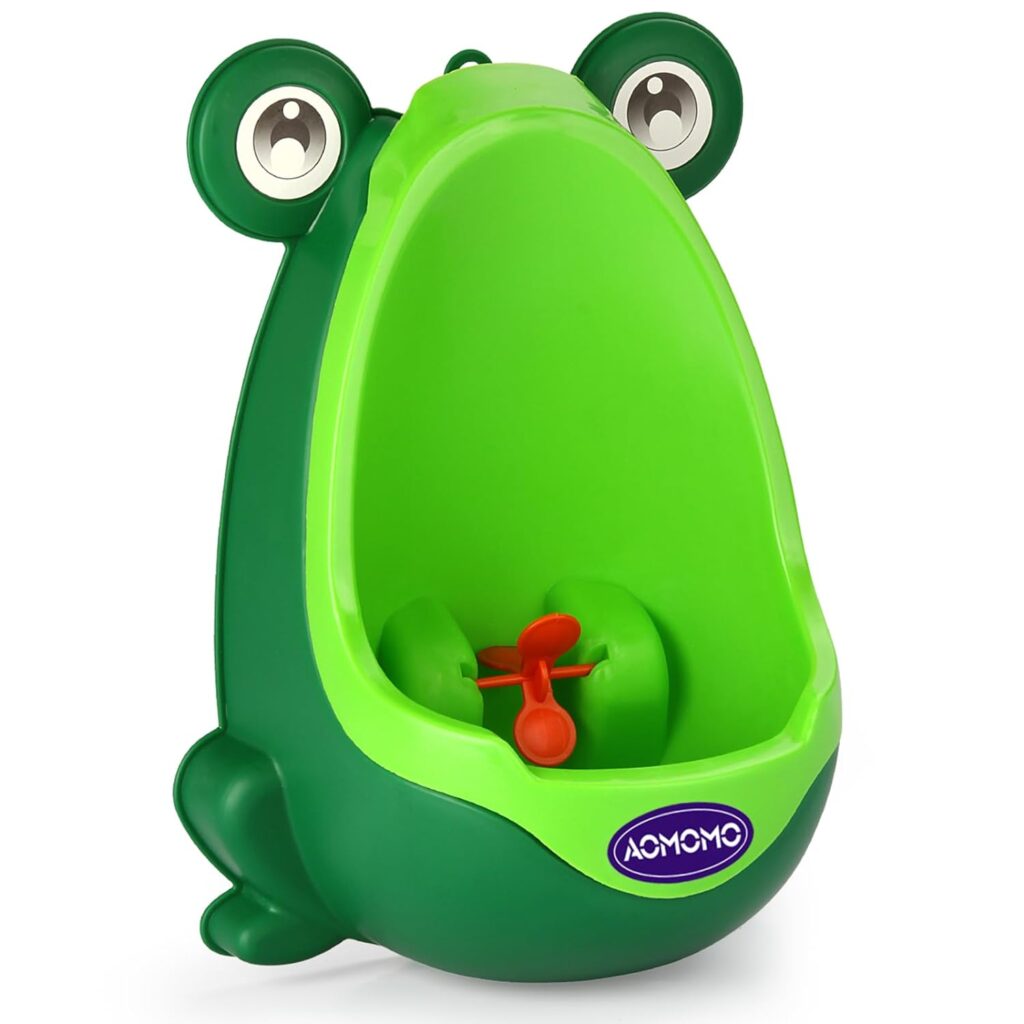
  • Take the child shopping for training diapers and a potty chair. Let them help pick it out. Make a big deal about it.
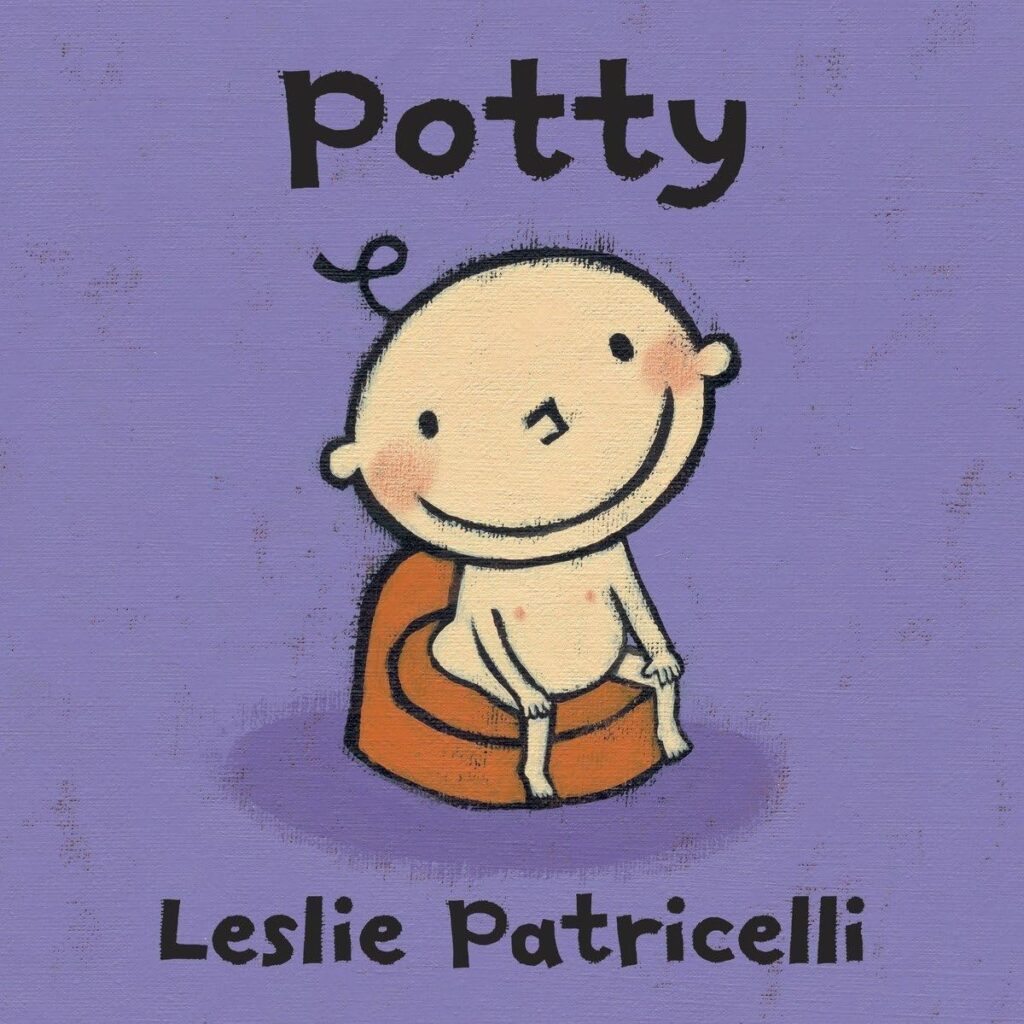
  • Visit the library or bookstore for books about potty training. Many children’s authors have written about popular characters going through toilet training. 
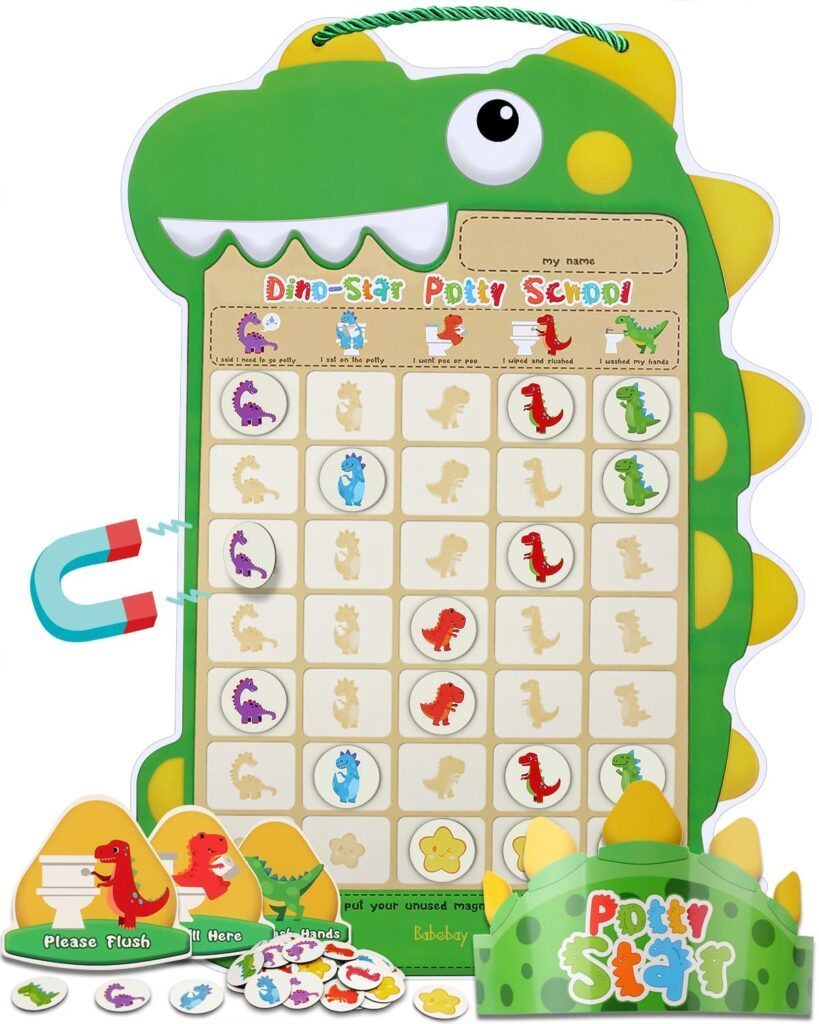
  • Purchase or make a potty training chart and choose stickers in the shape of favorite cartoon characters.
  • Encourage the child to use his potty words when you are changing his diaper. 
  • Let the child sit on the potty with their diaper on while you read a story, or they play with a favorite toy. This eliminates the scary newness before toilet training begins.

Find it on Amazon

Once your child has become comfortable with the potty, begin by having them sit on it immediately after waking up in the morning or before nap time. If your child uses the potty, offer praise and add a sticker to the chart. If not, simply reassure them that you’ll try again in a few minutes.

Find it on Amazon

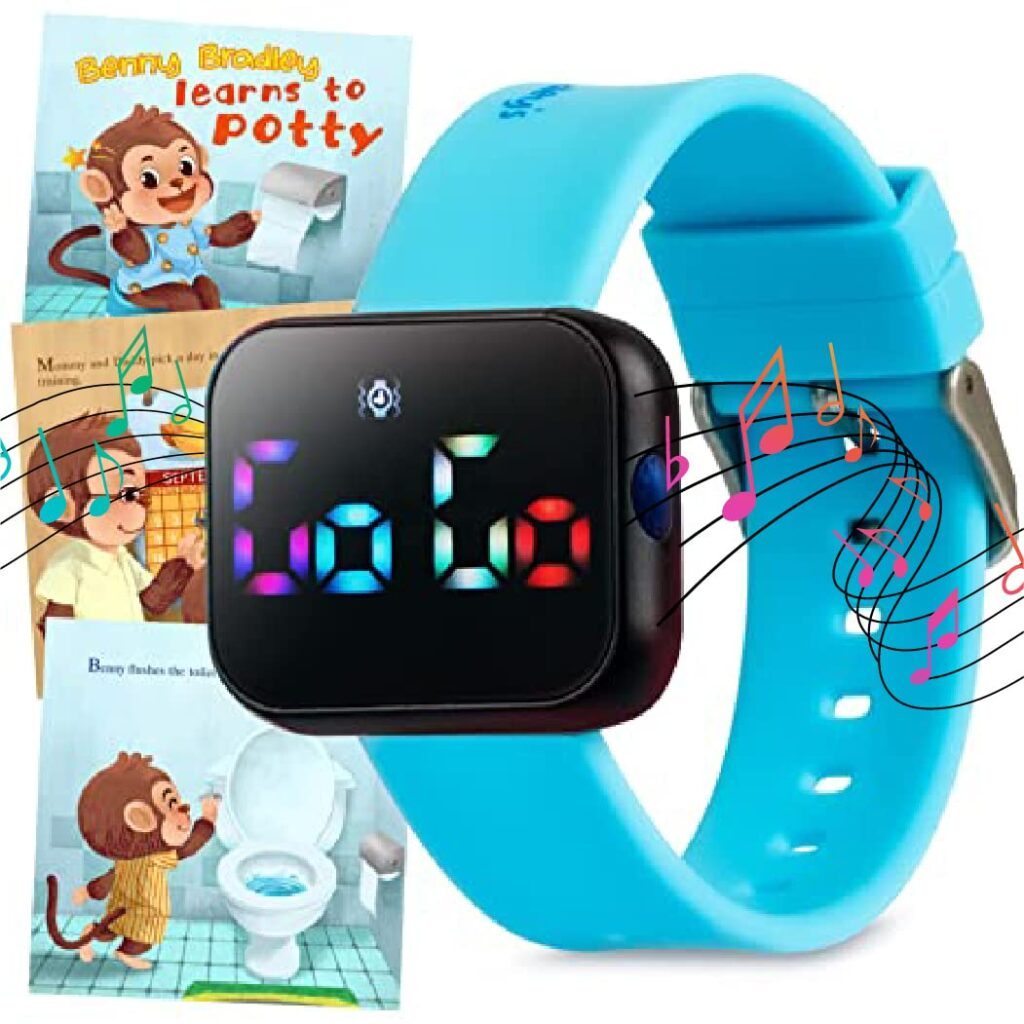
Remind your child about the potty every thirty minutes or so. Make sure he sits on the potty at least once every hour. 

Always use verbal praise, even if they only sits there for a minute and does not go. Silly songs, hugs, high fives, and crazy laughs are all types of praise children respond to.

Helpful Tips

If you are training a boy, start out with him sitting down to use the potty. He will be ready to stand and urinate after he has control of when he needs to go.

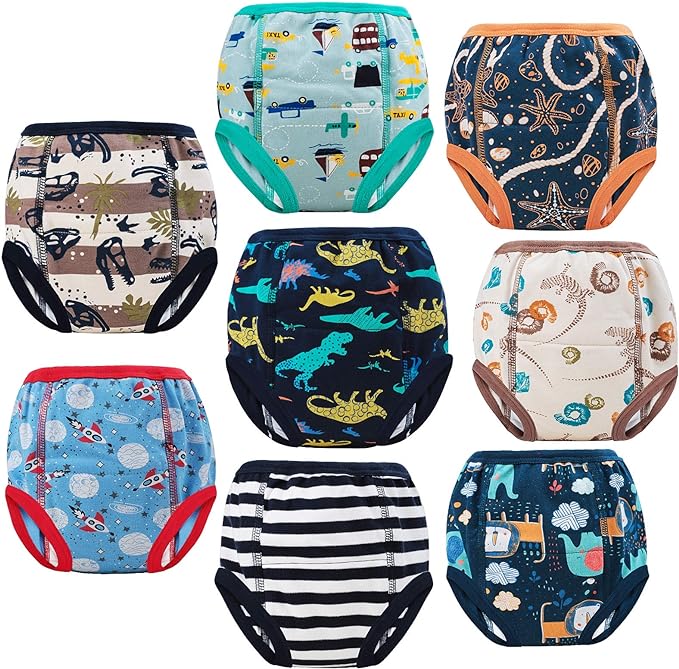
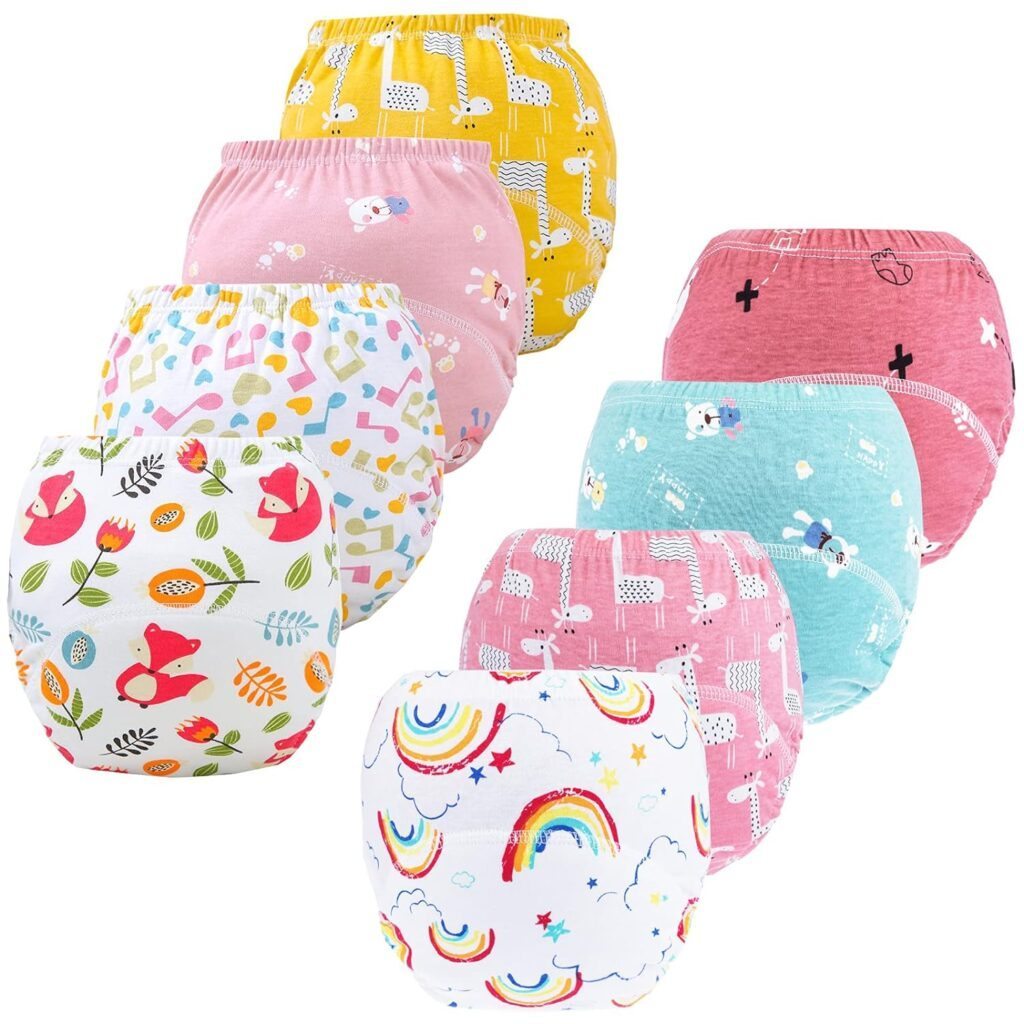
Some children get off to a great start, then suddenly decide they don’t want to use the potty anymore. That’s a regular occurrence. Try new reward system or purchase some big boy underwear. Remember that it should be fun for the child.

Find it on Amazon

Find it on Amazon

Find it on Amazon

Be patient!! Accidents will happen. Children will mess on the floor. Clothing will be soiled.

Try potty training when it is warm in the house so your child can run around in just a shirt and a training diaper.

Make sure clothing is a little loose and easy to remove. Now is not the time for those cute overalls or a fancy party dress.

Always have the child try to go when you are near a restroom. Always! 

After two weeks of consistent potty use with no accidents, go shopping for big kid underwear. Make a big deal out of selecting the ones the child wants.


Disclosure: We use affiliate links to earn a small commission. If you choose to purchase something through one of these links, there is no cost to you.



Homepage
Homepage
Posted in Child, ParentingTagged advice, mom, parenting

Posts navigation

Older posts
  • Contact Us
  • Terms and Conditions
  • Privacy Policy

© 2026 Nannies and Mommies, all rights reserved.