Skip to content
  • Home
  • Events
    • Events
    • Event Submission
    • Play Dates
  • Jobs
    • Jobs
    • Post Your Job
    • Job Dashboard
  • Store
    • Store
    • Downloads
    • A Workbook for Creating Healthy Relationships for Children
    • Cart
  • Childcare
    • Childcare
    • Childcare Catalog Submission
  • Blog
    • Blog
    • Video Blog
  • Contact Us
    • Contact Us
    • Advertise
    • Privacy Policy
    • Terms and Conditions
  • My Account
Login/Register

Tag: parenting

Actively Learn: Making Learning Fun for Kids

PARENTING

Learning doesn’t have to be boring! Discover the power how children actively learn and transform learning into an exciting adventure. From hands-on experiments to interactive games, there are countless ways to make education engaging and enjoyable. Actively learn and unlock your child’s full potential.

Opportunities for active learning
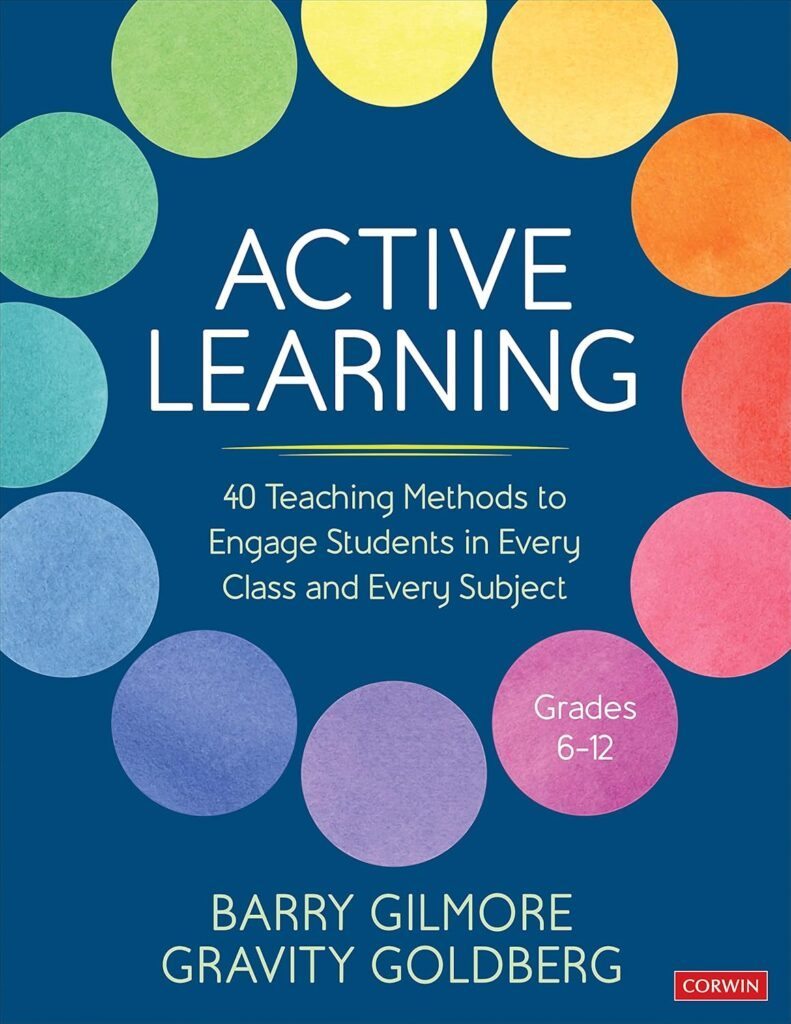
Children are like sponges for information. Use this for for fun activities for children to process information through various options, such as thinking, writing, talking, problem-solving, and others. And have their new knowledge apply to real-world scenarios, and help children to understand information and how to use it. Opportunities for active learning are everywhere but for us grown ups, let’s learn how to actively learn with your children. Adjust all activities to the age of your child.

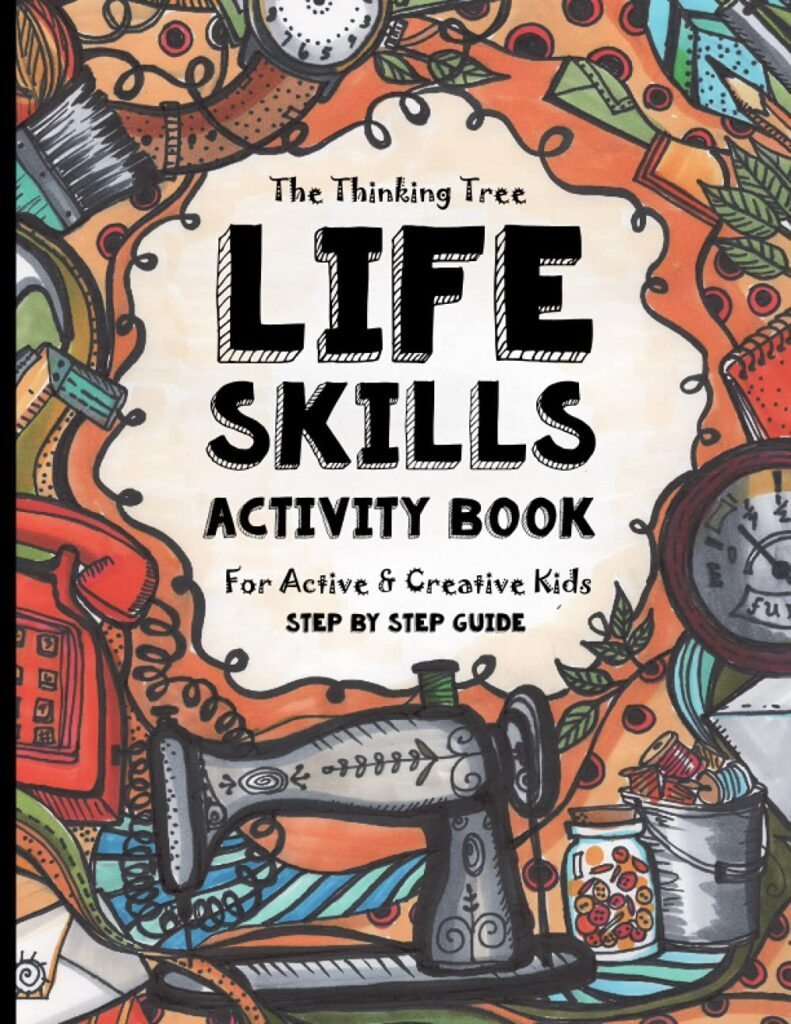
Life Skills

Let’s reverse the learning process and let your child teach you something. By doing so, they are actively processing information by speaking out loud. Don’t forget to ask them thoughtful questions to encourage engagement. One of my favorite childhood games was naming all road signs and their meanings. I don’t need to tell you how easy the driving test was after that!
Math
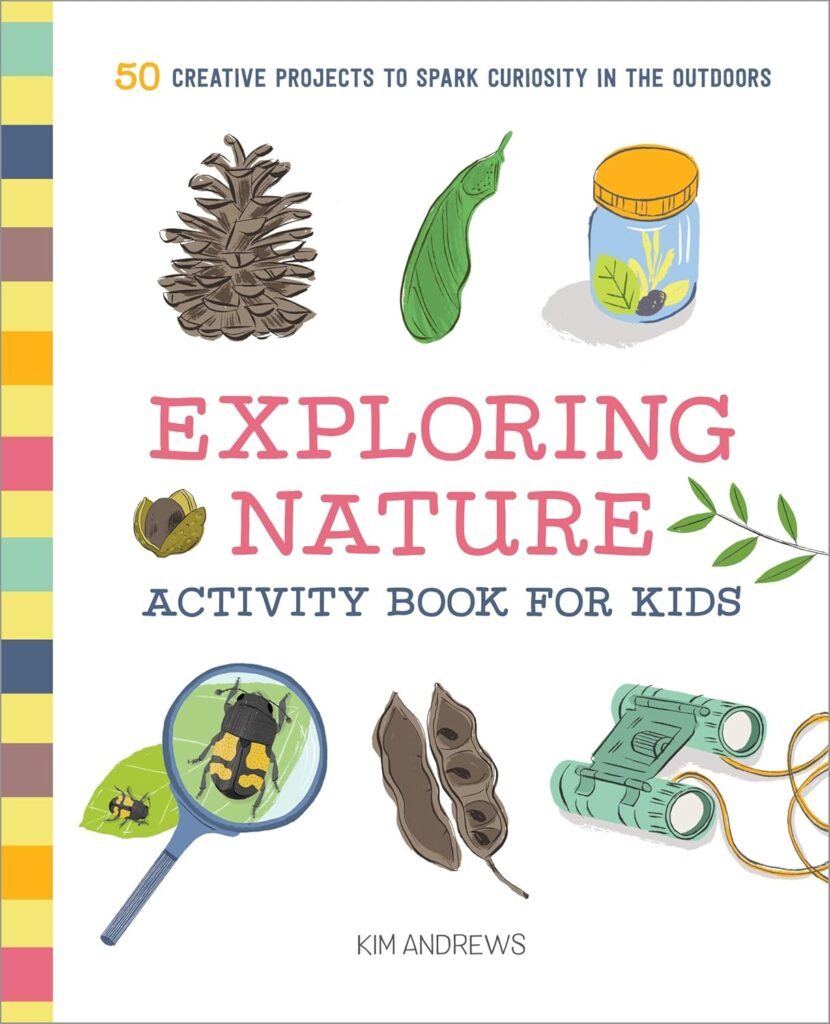
On your walks, let children name all the colors on the leaves. Or count all the white flowers, or look at the shapes of clouds and play “What is the shape of the cloud?” When engaging in active learning, as adults we need to become curios and view the world with fresh eyes. You’ll be surprised by how many opportunities for learning arise during everyday activities.

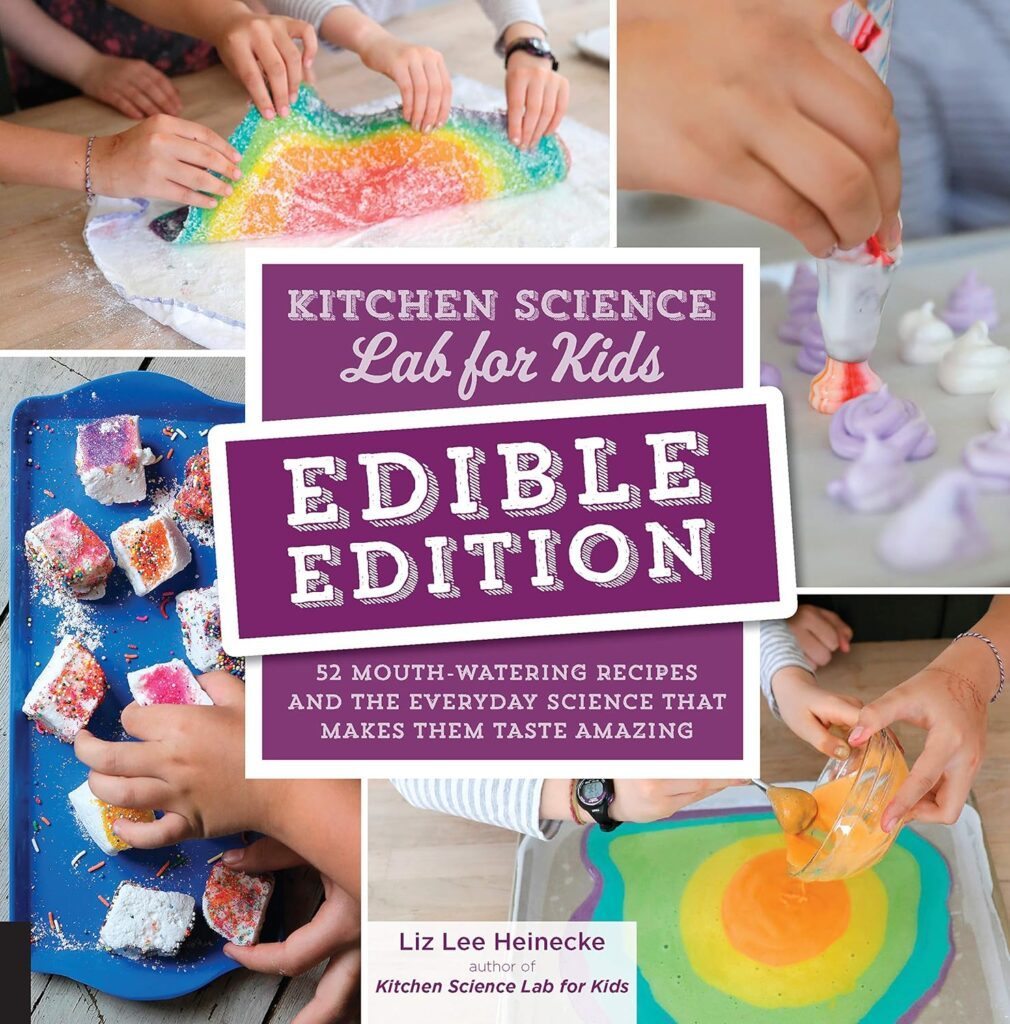
Science

Children are naturally curious about science, which is all around us. Consider the kitchen as a fascinating science laboratory, where yeast for bread grows or the simple science of how things change when baked. Help children recognize these everyday science projects.

History

Bring history to life through storytelling and imagination. Create a family theater together, crafting costumes and acting out historical events or stories. Or explore your family’s past by building a family tree and learning about your ancestors and historical events that your parents and grandparents lived through.

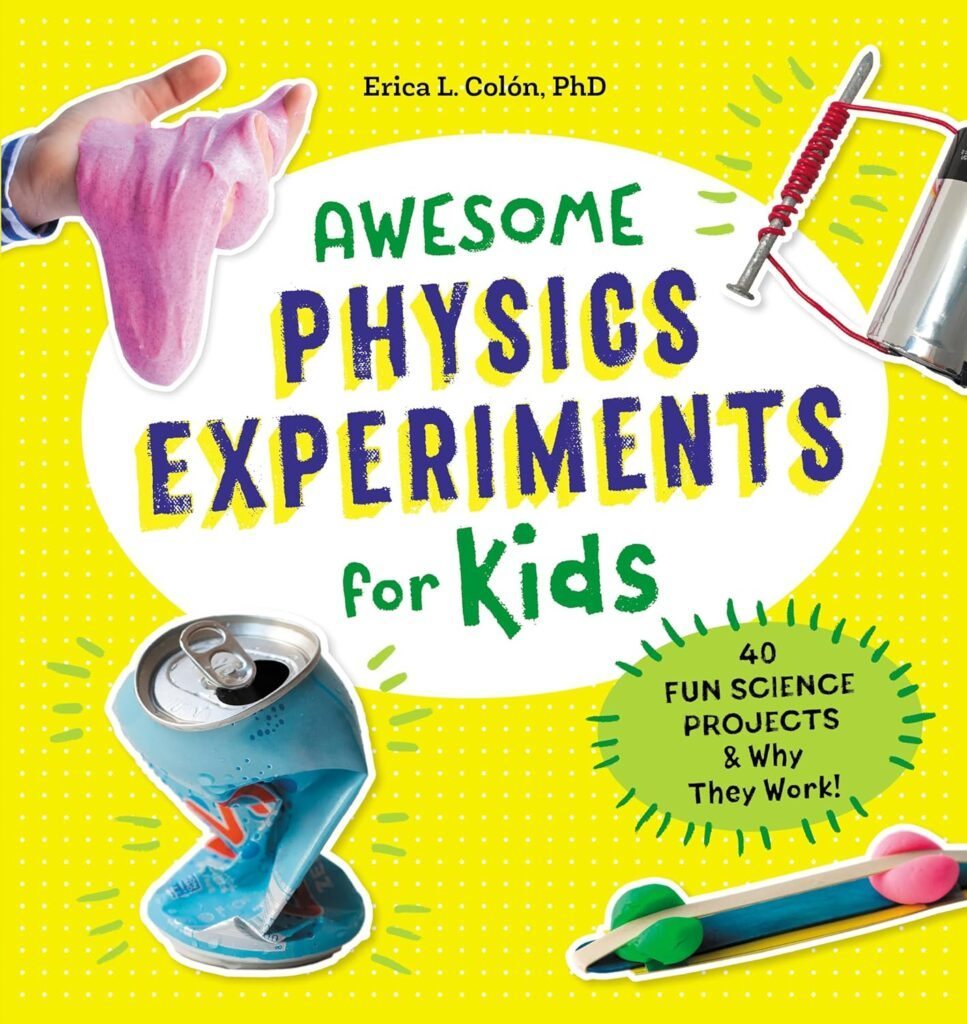
Physics

Physics are fascinating subject, especially when it’s presented kids actively learn. Observe the simple things and actions that surround us, such as a rolling ball or a falling toy. Ask questions like:

Why does a ball roll downhill?
Why do some objects float while others sink?
What factors influence the speed and direction of a speeding car?


By exploring these questions together, you can spark your child’s curiosity and introduce them to the fascinating world of physics.
Earth Science

Introduce your children to the fascinating world of earth science through hands-on experiments and exploration. Growing crystals is a captivating activity that allows kids to witness the magic of science firsthand. For a more adventurous experience, try freezing small toys in ice and let your child become a young geologist, digging for their treasures. This is a fantastic opportunity to spark their curiosity with stars, space, weather, ocean, or land.

Language
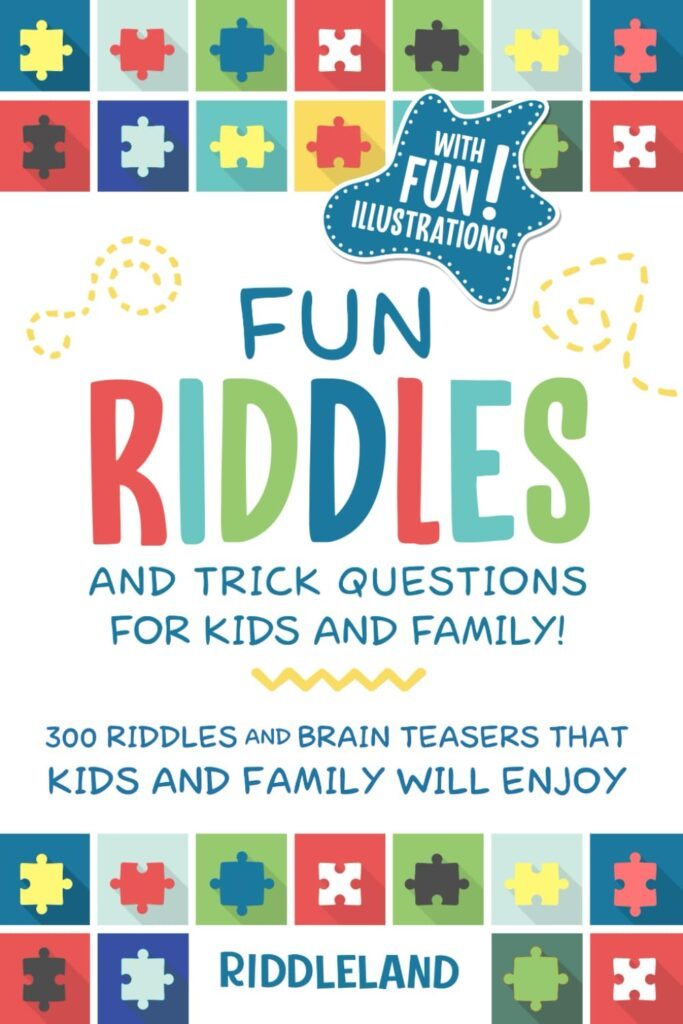
Our favorite is introducing books to children and by reading aloud, you expose them to new vocabulary, grammar structures, and storytelling. If you or your family are bilingual, consider incorporating books in different language.

To make language learning engaging and fun, try using flashcards, music, riddles, games, and tongue twisters. Encourage pretend play with other children or engage in imaginative storytelling with your own child.

Art
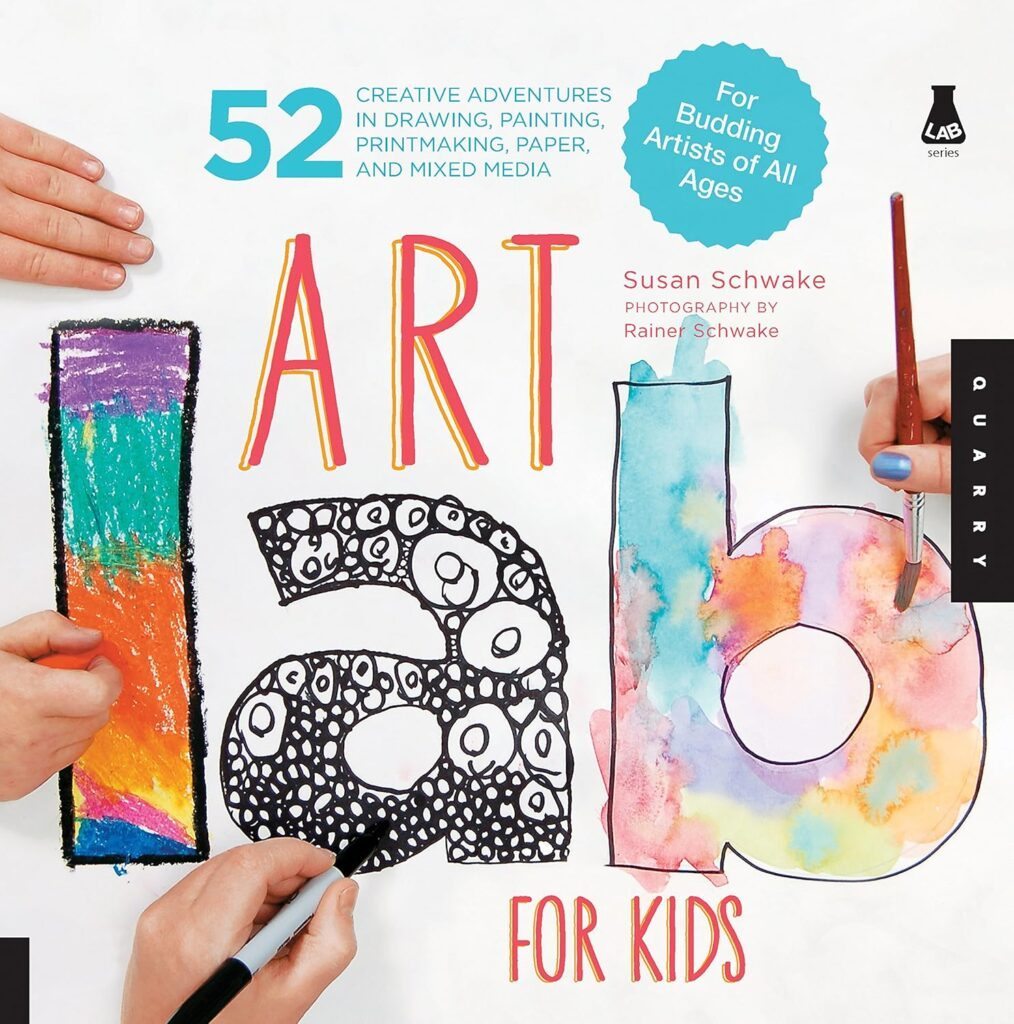
Art is a powerful tool for self-expression and creativity. Encourage your child to explore different mediums and techniques without fear of making mistakes. Remember, even mistakes can lead to unexpected and beautiful new art.

To embrace artistic creativity, provide a safe and supportive environment where your child feels comfortable experimenting and taking risks. Offer guidance without being overly directive, allowing them to explore their own ideas. Encourage experimentation with new materials, techniques, and subjects, and expose your child to diverse art styles. There are endless possibilities.

Disclosure: We use affiliate links to earn a small commission. If you choose to purchase something through one of these links, there is no cost to you.

Homepage
Homepage
Posted in ParentingTagged advice, parenting

Protect Your Little Monsters: Halloween Safety Guide

CHILD, HOLIDAY, PARENTING

Halloween is a magical time for children, filled with excitement and anticipation. As parents, it’s our responsibility to ensure their safety while they enjoy this special night. Here’s a guide to help with Halloween Safety.

Costume Safety

Glow Sticks

Visibility is important for trick-or-treaters. Choose brightly colored costumes that stand out in the night. Enhance visibility further by adding reflective tape to costumes, bags, or even shoes. For an extra safety boost, create glow-in-the-dark necklaces or bracelets using glow sticks. These luminous accessories will make your child easily spotted by drivers in the dark night.

Costume Fit: Ensure costumes are the right size for your child to move freely. Avoid overly long or baggy outfits that can cause tripping hazards. Proper fit is essential for a safe and enjoyable Halloween night.

Glowing Wings

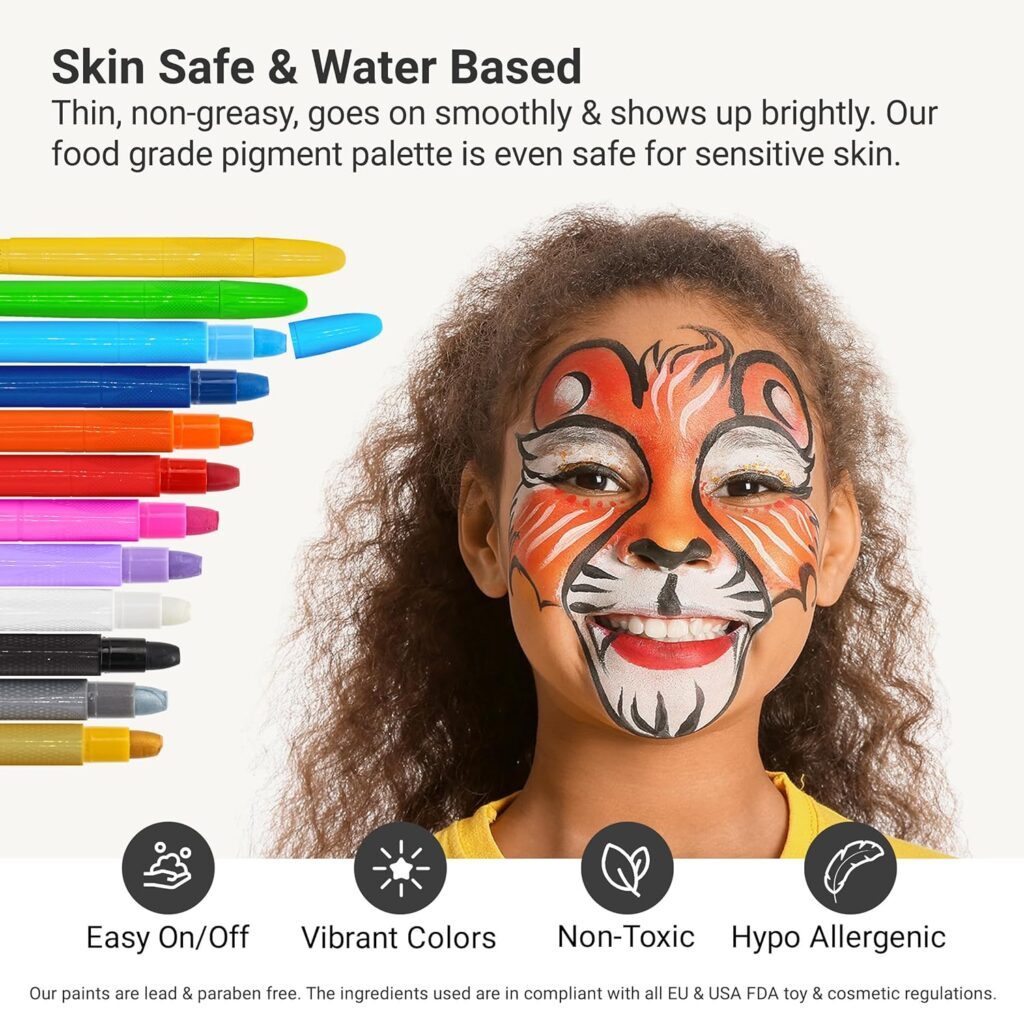
Water base face paint

Face Visibility: Prioritize clear vision for your child. Opt for face paint over masks to ensure clear sight. Not only does this enhance safety, but it also adds a special touch to their costume.

Trick-or-Treating Safety

Adult Supervision: Young children should always be accompanied by an adult while trick-or-treating. Designate a responsible adult to supervise the group, ensuring their safety at all times. To maintain full awareness of your surroundings, avoid distractions like cell phone use or alcohol consumption.

Glowing Bracelets

Halloween Decoration

Familiar Territory: Stick to well-lit, familiar neighborhoods for trick-or-treating. If you’re new to the area, take a daytime walk with your child to familiarize them with the surroundings and identify safe spots.

Crosswalk Safety: Always use designated crosswalks for street crossings. Teach children to follow the “look left, look right, look left again” rule before stepping off the curb. Establish eye contact with drivers to ensure they see them before crossing. Remember, it’s essential to wait for vehicles to come to a complete stop before proceeding.

Bat Home Decoration

Halloween Pillows

Stranger Safety: Reinforce the importance of stranger safety. Teach children that they should never accept rides, or invitations from strangers. Emphasize the importance of staying with a trusted adult or group of friends. Avoid homes with no lights or decorations.

Child Safety Technology: For added peace of mind, consider inserting air tag or using smartphone locator for older kids. These tools can provide real-time location updates, offering an extra layer of safety during Halloween night.

Air Tag

Halloween Safety Guide

Reflective Bracelets

Driver Safety on Halloween Night: As you navigate through neighborhoods filled with excited trick-or-treaters, exercise extreme caution. Reduce your speed and pay particular attention to areas with poor lighting, as costumes may obscure visibility. Always come to a complete stop at crosswalks and yield to pedestrians. Turn on your headlights well in advance to increase visibility for both yourself and children.

Candy Consumption and Selection: Before trying all the Halloween treats, have an open conversation with your child about the importance of moderation. Discuss the potential effects of excessive sugar intake, such as hyperactivity and dental health. Encourage them to make mindful choices about which candies to eat. Thoroughly inspect all treats for any signs of tampering before eating them.

Lollipops

Disclosure: We use affiliate links to earn a small commission. If you choose to purchase something through one of these links, there is no cost to you.

Homepage
Homepage
Posted in Child, Holiday, ParentingTagged advice, parenting

How to Write a Nanny Contract

NANNY, PARENTING

Establish clear expectations, protect the rights of both parties, and prevent any misunderstandings. Well-drafted contract helps you to build a strong and trusting relationship by ensuring everyone is on the same page from the start.  In this article, we will explore the key elements of a nanny contract, provide tips for drafting it, and address common questions to help you create a great agreement.

 The Parties

The “The Parties” section clearly identifies who is signing the contract – nanny and family. By explicitly stating the names of both parties and contact number, the contract becomes more specific and enforceable.

Also, include names of your children and when the contract starts working.

You can download our Contract HERE

The Services and Agreements

This section clearly outlines the nanny’s responsibilities and the family’s expectations. It should detail the specific childcare duties, such as feeding, bathing, and playtime activities. Additionally, it should specify any household tasks, such as light housekeeping or meal preparation, that are included in the nanny’s role. The family’s expectations for the nanny’s interaction with the child, such as discipline or educational activities, should also be clearly defined.

Furthermore, this section should detail the resources and support the family will provide to ensure the nanny can effectively fulfill their work. Open communication is essential to ensure both parties feel comfortable and clear about their roles and responsibilities.

Nanny Cup

Hours

The contract must clearly define the nanny’s regular work schedule, including specific start and end times for each workday. This section should also outline any expected variations in the schedule, such as early departures or late arrivals, and how these changes will be communicated.

Payments

This section outlines the nanny’s hourly rate and any additional compensation, such as overtime, holidays, sick days, etc. Also, include the payment schedule and how payments would be received – check, bank transfer, cash or other.

Perlimpinpin Sleeping Sacks

Expenses

Outline any other financial compensation for the nanny beyond their regular salary. This section covers costs occurred while performing job-related duties, such as mileage, parking, tolls, child-related purchases, and other work-related expenses.

Termination

Outline the conditions under which either the family or the nanny can end the employment relationship.

Date and Signature

At the end of the contract both the nanny and the family will sign and date the agreement. This signifies that both parties of the contract agree to the nanny contract.

Disclosure: We use affiliate links to earn a small commission. If you choose to purchase something through one of these links, there is no cost to you.

Homepage
Homepage
Posted in Nanny, ParentingTagged nanny, parenting

Nanny Parent Relationship

NANNY, PARENTING

The nanny parent relationship is a balance of trust, respect, and open communication. This unique dynamic requires both parties to invest time and effort to build a strong foundation. From setting clear expectations to fostering open dialogue, nurturing this bond is essential for the well-being of both the child and the family.

Communication

For Mommies:

Having regular conversations with your nanny is important for creating a strong, trusting relationship. Daily check-ins, where you ask about their day and what your child did, can help build open communication. Create a safe space for both of you to share concerns, ideas, and celebrate your child’s milestones. Remember, your nanny is an important part of your child’s life, so treating her with respect and kindness is very important. Additionally, scheduling weekly check-ins can help ensure your nanny’s needs are met.

For Nannies:

Effective communication is key to a successful nanny-parent relationship. Share daily highlights and challenges openly. Sharing stories about their child’s day, sending some photos during the day, helps parents feel connected to their child’s experiences. It’s also important to communicate any challenges or concerns that you might have. Honesty about both the positive and negative aspects of the day straighten the trust and allows for collaborative problem-solving.

Clear Expectations

For Mommies:

Outline your expectations and responsibilities for your nanny. Don’t assume she knows what you expect; be explicit about your child’s routine, desired activities, dietary, medical and other needs. A written contract helps you both to set clear expectations, ensuring both parties understand their commitments. This prevents misunderstandings and creates healthy relationship.

For Nannies:

As a nanny, openly communicate your capabilities and limitations. Discuss your comfort level with specific tasks, such as light housekeeping, meal preparation, or driving. Remember, your primary focus is childcare, and it’s okay to set boundaries. A clear job description helps prevent misunderstandings. Discuss your role in detail during the interview process and make sure you have it written in the contract.

Connect

For Mommies:

Treat your nanny as a valued member of your team, rather than just an employee. Show genuine interest: Ask about her life outside of work. Inquire about her hobbies, interests, and family. This demonstrates that you value her as a person. Share personal moments: Occasionally share stories about your family or personal life when she is not around. Feel her included into your life.

For Nannies:

You are more than just a caregiver; you are part of a child’s life. Approaching your role with a genuine love and care for the child can create a bond that goes beyond “work”. Treat each child as if they were your own and foster a sense of security and trust. Share your enthusiasm for their development with the parents, creating a sense of partnership in their child’s growth.

Appreciate

For Mommies:

Show appreciation with small gestures, like heartfelt thank-you notes or thoughtful gifts, can make a big difference. Involving your children in creating handmade presents, such as drawings or crafts, adds a personal touch. Remember, verbal appreciation is equally important. Let your nanny know how much you value her and her hard work.

For Nannies:

You shape young minds, provide comfort, and create lasting memories. Your patience, kindness, and dedication are invaluable. However, also show your appreciation for the family who has opened their home to you. Value the trust they’ve placed in you by caring for their children.

Respect

For Mommies:

Value your nanny’s expertise by being open to her suggestions and opinions. She spends countless hours with your child and often has valuable insights into their development and needs. Avoid taking her feedback personally; instead, view it as an opportunity to learn and grow as a parent.

Equally important is respecting your nanny’s time and boundaries. Be respectful to her scheduled hours and provide adequate notice for any changes. Also, make sure you for her work on time and the amount you agreed on. By treating her with respect and appreciation, you foster a positive nanny parent relationship.

For Nannies:

Punctuality is important, as unexpected absences even “10 minutes late” can significantly disrupt a family’s routine. Open and honest communication is key, especially when emergencies happen. Respect family boundaries and household rules, even if you don’t live by the same ones.

Prioritize the children’s needs during your work hours. Handle personal calls and messages during breaks or after your shift to ensure undivided attention to the children.


Disclosure: We use affiliate links to earn a small commission. If you choose to purchase something through one of these links, there is no cost to you.

Homepage
Homepage
Posted in Nanny, ParentingTagged communication, nanny, parenting

Top Parenting Books to Guide You in Every Stage

PARENTING

Parenting is a journey filled with love, laughter, and countless questions. While every child is unique, there’s no denying the value of guidance and support. Books can be a fantastic resource, offering insights, strategies, and reassurance. Here are some of the top-rated parenting books to help you navigate this beautiful yet challenging adventure.

For New Parents

The Happiest Baby on the Block by Harvey Karp:

This classic guide offers practical tips on soothing and calming newborns. His revolutionary approach, based on understanding a baby’s innate needs, has helped countless parents soothe their infants and improve sleep. By recreating the womb-like environment babies crave and harnessing their natural calming reflex, you can transform fussy nights into peaceful ones.

Happiest Baby on the Block

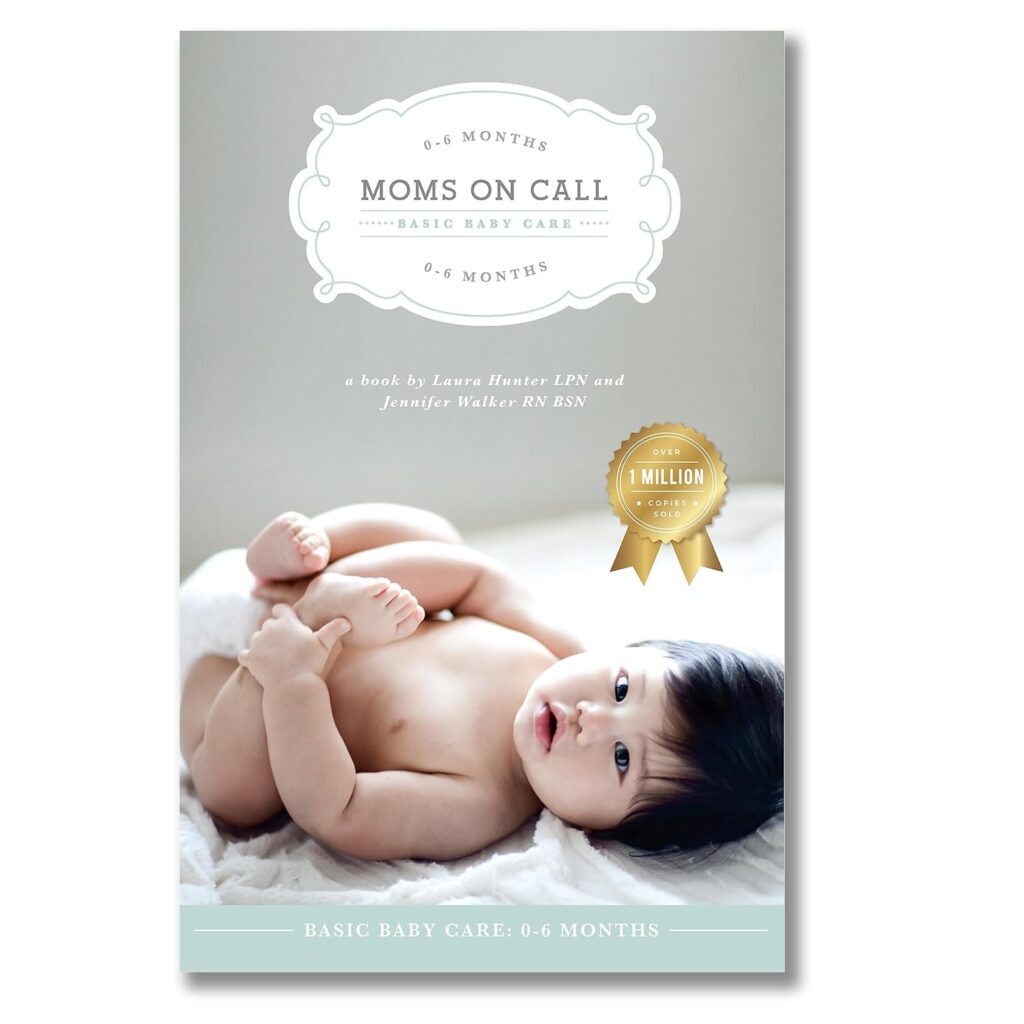
Moms on Call

Moms on Call by Laura Hunter.

Navigating the first six months of parenthood just got easier. Trusted by over a million parents worldwide, this book offers expert advice from pediatric nurses who are also moms. Learn proven strategies to care for your baby, establish healthy sleep routines, and create a calm and happy household. With clear daily schedules, feeding tips, and safety guidelines, this book is your essential companion for the early days.

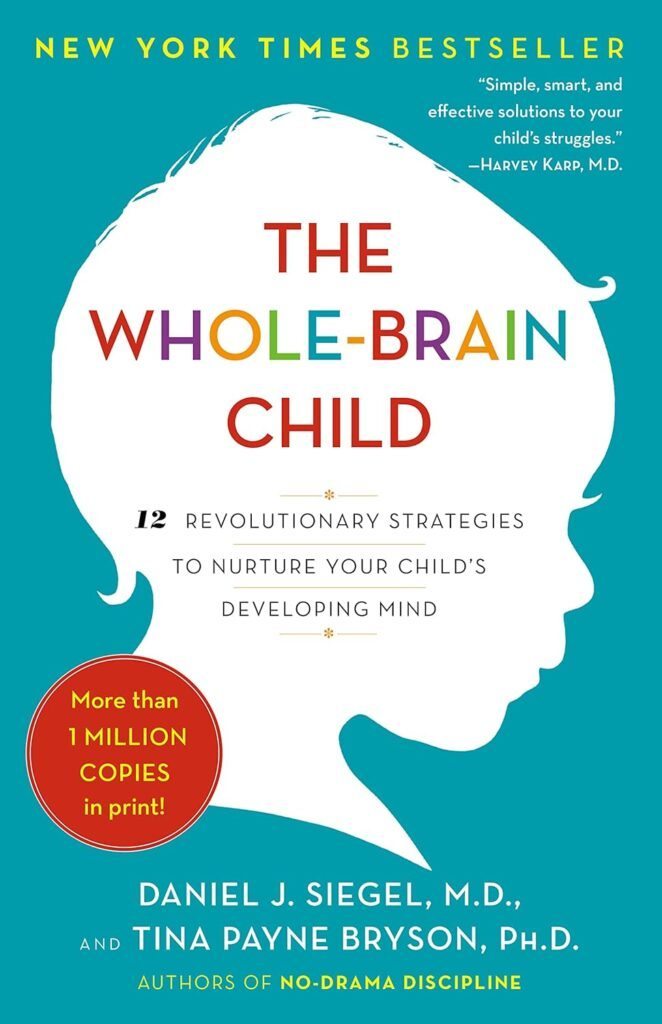
The Whole-Brain Child by Daniel J. Siegel and Tina Payne Bryson:

This bestselling parenting guide offers practical advice on raising emotionally intelligent children. By understanding the developing brain, parents can transform challenging behaviors into opportunities for growth. Authors Daniel J. Siegel and Tina Payne Bryson provide actionable strategies to help children regulate emotions, develop empathy, and build resilience. With a focus on connecting with your child on a deeper level, this book empowers parents to nurture their child’s overall well-being.

The whole brain child

For Toddlers and Preschoolers

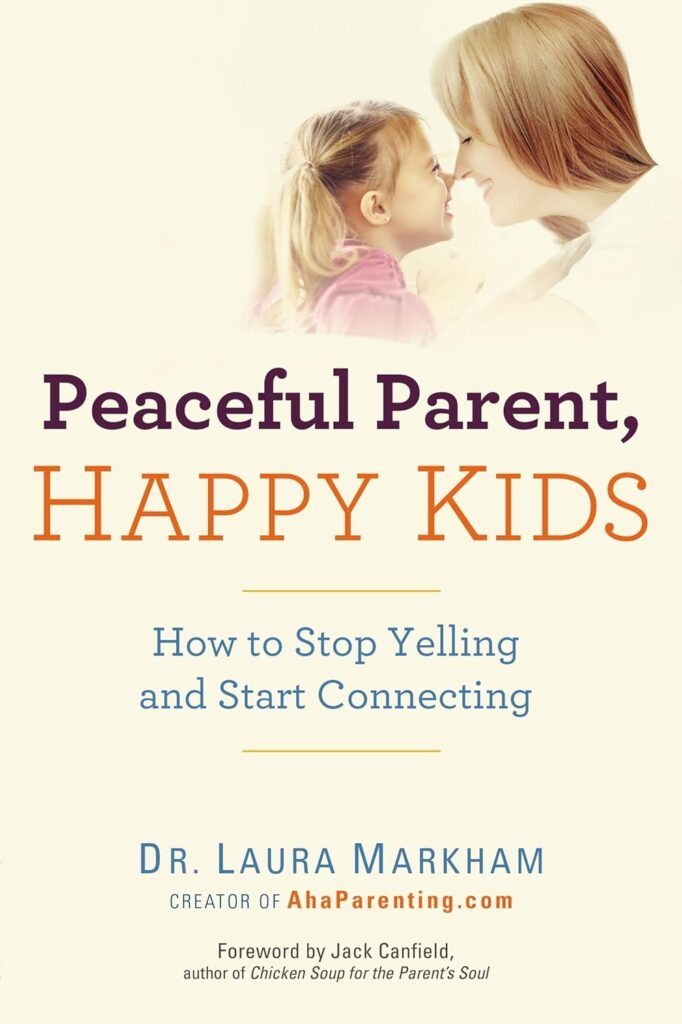
Peaceful Parent, Happy Kids

Peaceful Parent, Happy Kids by Dr. Laura Markham:

Emphasizes connection and cooperation over control and punishment. Dr. Laura Markham offers a revolutionary approach to parenting, emphasizing the importance of emotional connection over discipline. By understanding your child’s emotional world and fostering a strong bond, you can reduce power struggles and raise responsible, happy children. This book provides practical strategies and tools to help parents create a positive and nurturing environment for their kids.

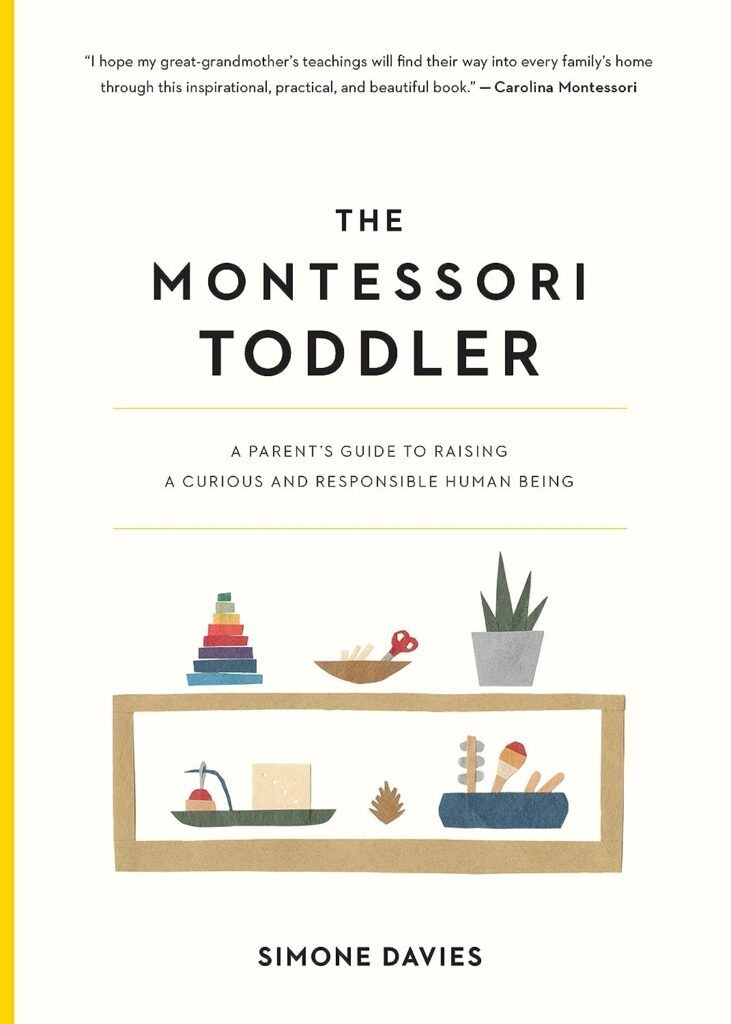
The Montessori Toddler: A Parent’s Guide to Raising a Curious and Responsible Human Being by Simone Davies.

The Montessori Toddler offers a fresh perspective on parenting, transforming the often-challenging toddler years into a period of mutual growth and discovery. By applying Dr. Maria Montessori’s principles, parents can create a nurturing environment that fosters independence, curiosity, and respect. With practical advice on everything from daily routines to creating a child-friendly home, this book empowers parents to guide their child’s development while cultivating a calmer, more mindful parenting style.

The Montessori Toddler

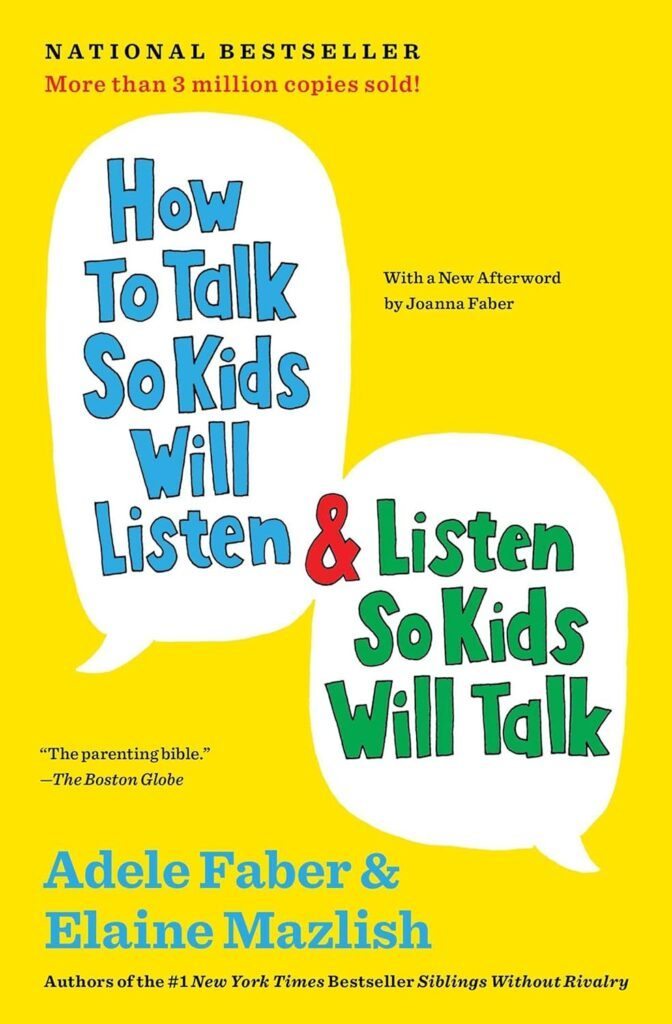
How to talk so kids will listen

How to Talk So Kids Will Listen & Listen So Kids Will Talk by Adele Faber and Elaine Mazlish:

Tools for effective communication with children. A parenting classic offering practical advice on effective communication. This bestselling guide helps parents navigate common challenges, from tantrums to teenage rebellion, by providing tools to build strong, lasting relationships. By focusing on empathy, respect, and cooperation, parents can create a harmonious home environment while fostering emotional intelligence in their children.

For School-Aged Children

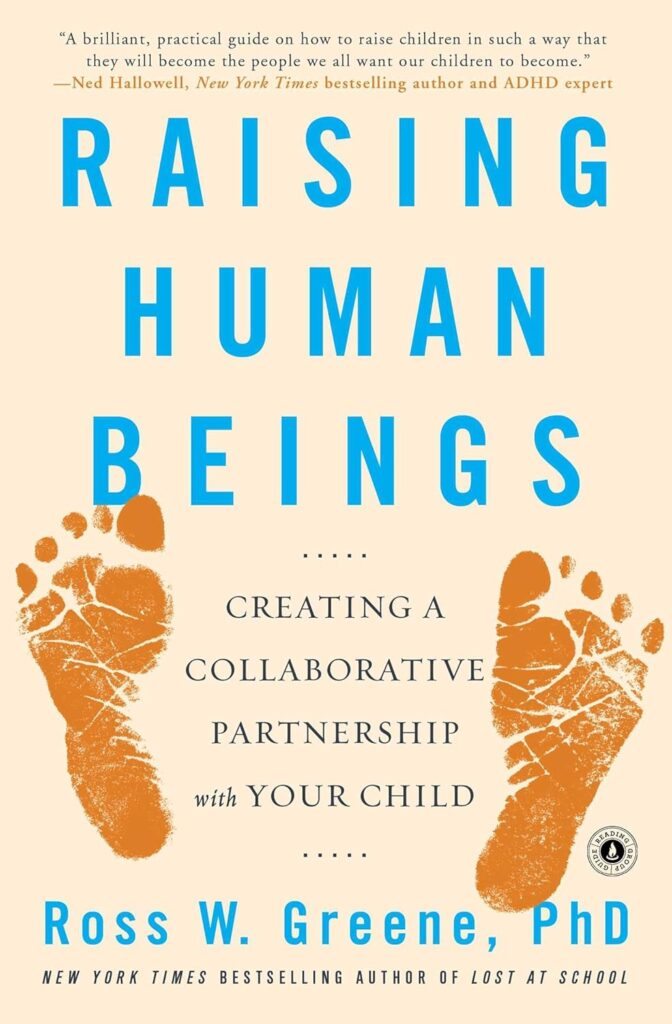
Raising Human Beings by Ross Greene:

Strategies for understanding and supporting children with challenging behaviors. Raising Human Beings offers a revolutionary approach to parenting, focusing on collaboration rather than control. Renowned child psychologist Dr. Ross Greene challenges traditional parenting methods, emphasizing empathy, understanding, and problem-solving. By fostering a strong parent-child relationship built on mutual respect, parents can guide their children towards independence, resilience, and emotional intelligence while avoiding power struggles and ineffective punishments. This book equips parents with practical tools to navigate the complexities of raising children in today’s world.

Raising Human Beings

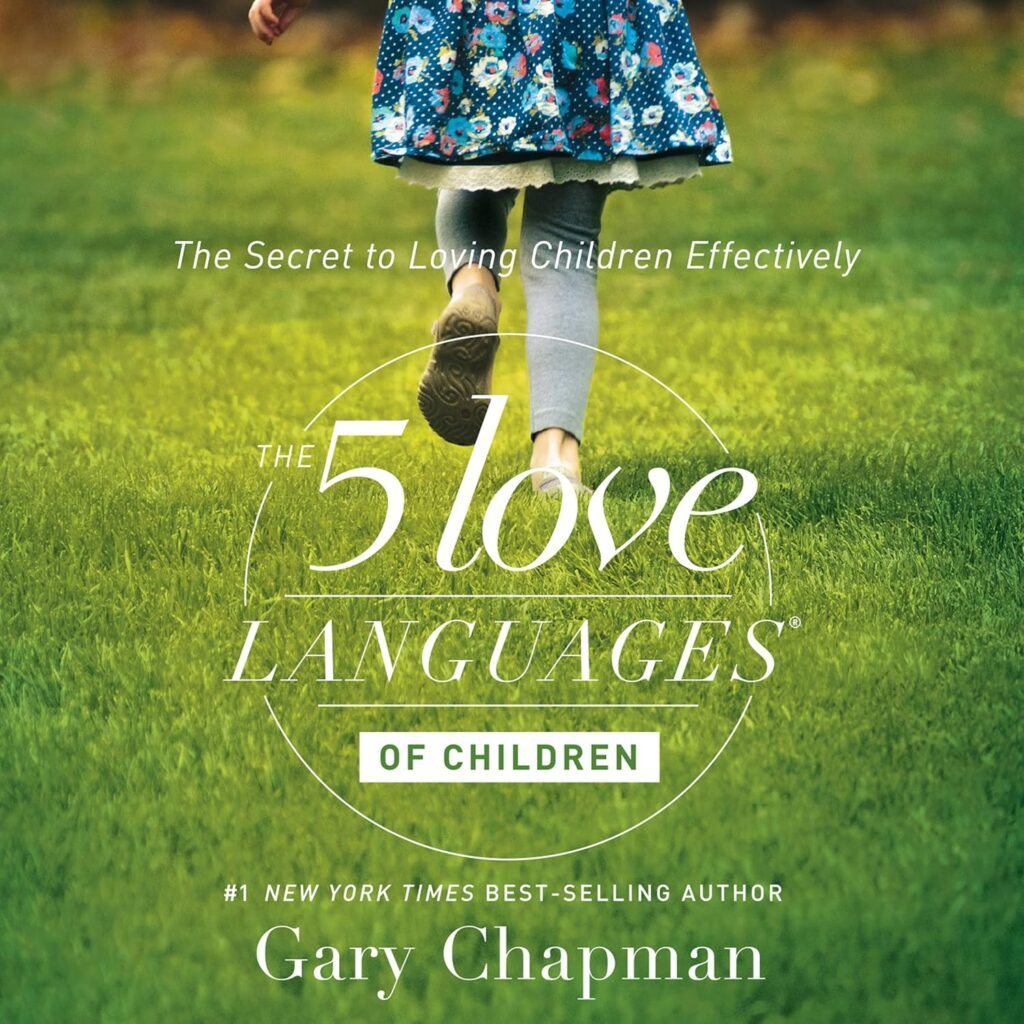
5 Love Languages of Children

The 5 Love Languages of Children: The Secret to Loving Children Effectively by Gary Chapman and Ross Campbell.

The 5 Love Languages of Children offers a unique approach to parenting. By understanding your child’s primary love language—whether it’s words of affirmation, acts of service, quality time, physical touch, or gifts—you can foster a deeper connection. This book provides practical guidance on how to effectively communicate love to your child, leading to stronger relationships, improved discipline, and overall happiness for both parent and child.

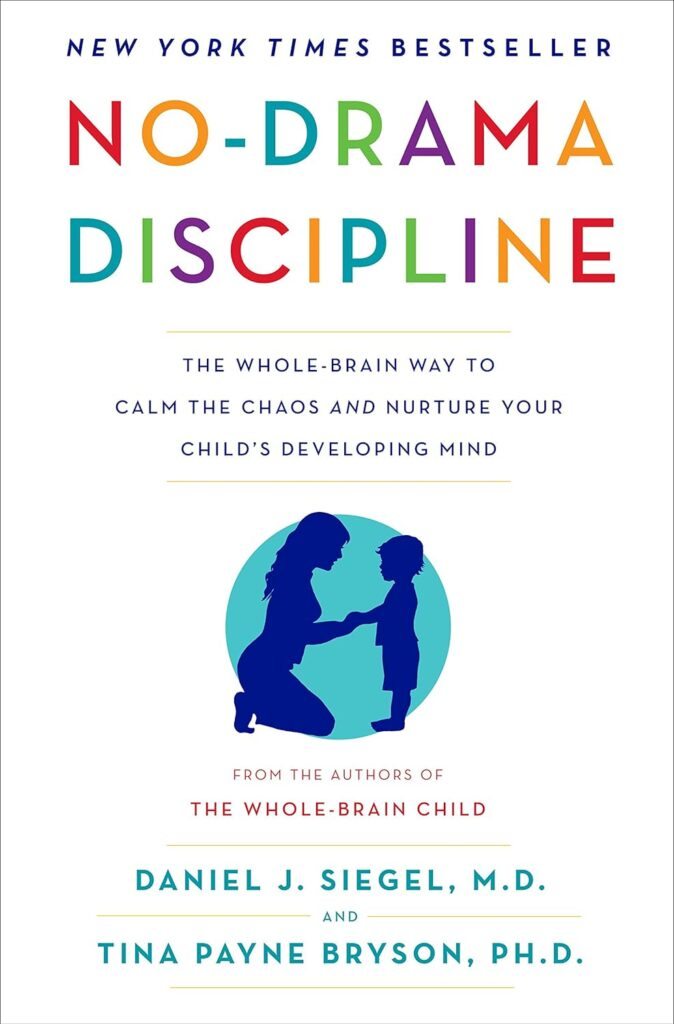
No-Drama Discipline by Daniel J. Siegel and Tina Payne Bryson:

Focuses on building strong connections and fostering self-regulation. No-Drama Discipline offers a fresh approach to parenting by focusing on understanding a child’s brain development. By replacing punishment with empathy and problem-solving, parents can transform challenging behaviors into opportunities for growth. This book provides practical strategies for handling tantrums, setting limits, and building strong parent-child relationships. With its focus on connection and cooperation, it empowers parents to create a calmer, more harmonious home environment.

No-Drama Discipline

For Teenagers

The New Strong Willed Child

Strong-Willed Child by James Dobson:

Addresses the challenges of parenting strong-willed children, including teenagers. The New Strong-Willed Child is a guide for parents of strong-headed children. Renowned child psychologist Dr. James Dobson offers strategies to understand and guide these spirited kids. By combining empathy with firm boundaries, parents can help their strong-willed children develop into confident and responsible adults. Above all the book provides practical advice on discipline, communication, and fostering a positive parent-child relationship.

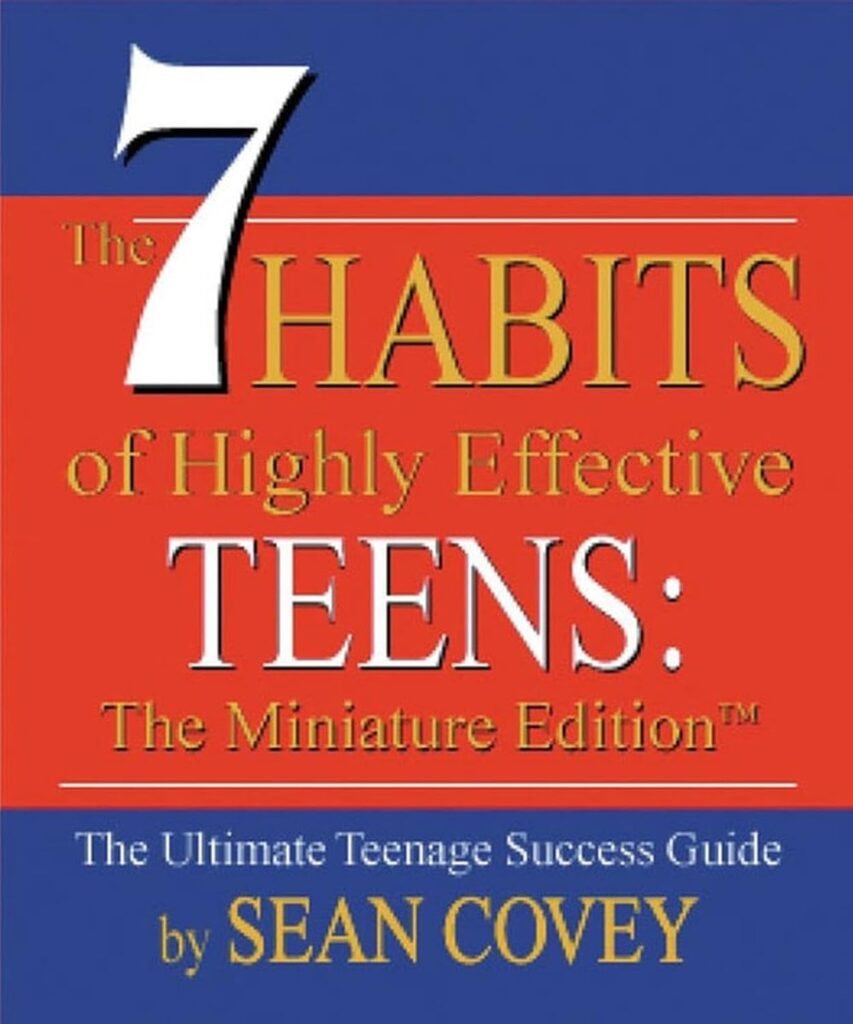
The 7 Habits of Highly Effective Teens by Sean Covey.

A teen-friendly adaptation of Stephen Covey’s classic self-help book. Sean Covey, the author and son of Stephen Covey, uses humor, real-life examples, and practical advice to guide teens towards success and personal growth. By applying the seven habits to everyday life, young readers can develop essential skills like time management, problem-solving, and interpersonal communication. With a mix of serious advice and lighthearted humor, Covey makes personal development engaging and accessible for a teenage audience.

The 7 Habits of Highly Effective Teens

Untangled

Untangled: Guiding Teenage Girls Through the Seven Stages of Unwinding by Lisa Damour:

Insights into the complexities of adolescent girls. A comprehensive guide to understanding the complexities of adolescent girlhood. Author Lisa Damour offers invaluable insights into the challenges girls face as they transition from childhood to adulthood. With a blend of research, clinical experience, and practical advice, Damour empowers parents and caregivers to support their daughters’ emotional and social development. Besides that the book explores the seven key stages of adolescence, providing guidance on navigating everything from friendships and body image to academic pressures and relationships.

For Specific Challenges

The Explosive Child by Ross Greene:

Provides strategies for parents of children with severe behavioral challenges. The Explosive Child offers a groundbreaking approach to understanding and parenting children who exhibit severe behavioral challenges. Dr. Ross Greene, a leading expert in the field, explains that these children often lack crucial skills like flexibility and problem-solving, leading to frequent outbursts. Rather than focusing on punishment or reward systems, Greene’s Collaborative Problem Solving model emphasizes working with the child to identify and address the underlying issues causing the explosive behavior. By understanding the child’s perspective and teaching them necessary skills, parents can create a calmer and more harmonious home environment.

The Explosive Child

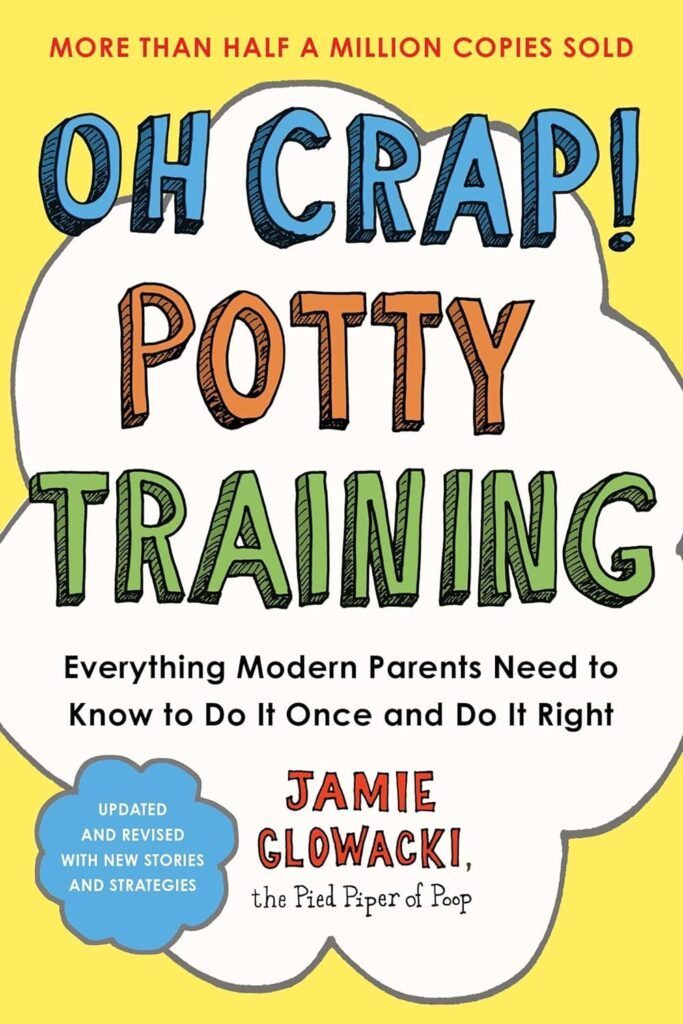
Oh Crap! Potty Training

Oh Crap! Potty Training: Everything Modern Parents Need to Know to Do It Once and Do It Right by Jamie Glowacki.

Oh Crap! Potty Training is a no-nonsense guide to getting your child out of diapers and onto the toilet. Author Jamie Glowacki provides a step-by-step process that has helped countless parents successfully potty train their toddlers. With practical advice, humor, and real-world tips, Glowacki addresses common potty training challenges and offers solutions for parents facing frustrations. This book empowers parents to confidently navigate the potty training journey and achieve diaper freedom sooner rather than later.

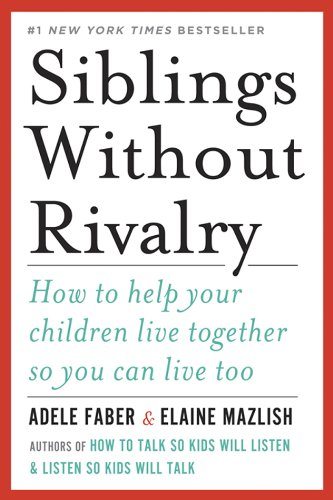
Siblings Without Rivalry by Adele Faber and Elaine Mazlish:

Offers guidance on fostering harmony between siblings. Siblings Without Rivalry offers practical advice on fostering harmony between siblings. Authors Adele Faber and Elaine Mazlish, renowned experts in parent-child communication, share strategies for reducing sibling conflict, encouraging cooperation, and creating a positive sibling relationship. With empathy and humor, they guide parents through common challenges, providing solutions for dealing with jealousy, competition, and fighting. This updated edition includes new insights based on the authors’ continued work with parents and children.

Siblings Without Rivalry

Disclosure: We use affiliate links to earn a small commission. If you choose to purchase something through one of these links, there is no cost to you.
Homepage
Homepage
Posted in ParentingTagged advice, books, parenting

IVF vs. IUI: Which Fertility Treatment is Right for You?

PARENTING

The journey to parenthood can be filled with both excitement and challenges. For couples or single moms facing infertility options like In Vitro Fertilization (IVF) and Intrauterine Insemination (IUI) offer hope. Understanding the differences between these treatments is important before making the right decisions.  

This is not a medical advice, consult any decision with fertility specialist

Understanding IVF and IUI

Pre-natal Vitamins

In Vitro Fertilization (IVF) is a complex fertility treatment involving several steps. First, eggs are retrieved from a woman’s ovaries. These eggs are then fertilized with sperm in a laboratory setting. The resulting embryos are subsequently transferred into the woman’s uterus with the hope of achieving pregnancy. IVF is often considered when other fertility methods have been unsuccessful or when underlying reproductive conditions.

Intrauterine Insemination (IUI) is a fertility treatment that involves placing prepared sperm directly into the uterus. This procedure bypasses the cervix, increasing the likelihood of sperm reaching the fallopian tubes where fertilization can occur.

Ovulation Tests

Factors to Consider When Choosing Between IVF vs. IUI

Supplements for egg vitality

  • Age: Women’s fertility declines with age, making IVF more likely to be successful for older women.  
  • Diagnosis: The underlying cause of infertility will determine the most appropriate treatment.
  • Cost: IVF is generally more expensive than IUI due to the complexity of the procedure.  
  • Success rates: While IVF typically has higher success rates, individual outcomes vary.

Making the Right Decision

Ultimately, the choice between IVF vs. IUI is a personal one that should be made in consultation with a fertility specialist. Your doctor will assess your unique circumstances and recommend the most suitable treatment plan. Every patient is different and it is important to evaluate potential benefits, risks, and costs of each option before making a decision. Many patients experience a range of emotions when faced with infertility. It’s important to remember that these feelings are normal and don’t reflect any personal failing. Instead, focus on viewing fertility treatments as a potential pathway to parenthood.

Egg Quality

Lucky Socks

“As a single woman 43, I decided on the IVF journey with a mix of feeling and fears. Making the decision to become a single mom presented significant emotional and financial challenges. The process was incredibly demanding, both physically and emotionally. Each doctor’s appointment was a rollercoaster of hope and uncertainty. However, the incredible support of friends and medical professionals was so important in navigating this path.”

Remember: While these treatments offer hope, the journey to parenthood can be emotionally and physically demanding. Seeking support from friends, family, or support groups can be invaluable during this time.

“During the process, I felt like I was floating on a cloud. Before starting IVF, the doctors prescribed medication to prepare my eggs. Not only was I exhausted, but I also had to give myself injections, which I dreaded due to my fear of needles. The first night, a friend helped me, but I quickly learned to do it myself. Surprisingly, by the end, I became quite good at it, even though I still didn’t enjoy it.”

Injections travel Case

IVF Success Rates

IVF generally has higher success rates than IUI. However, it’s important to note that success rates can be influenced by several factors:

After egg retrieval drink electrolyte drinks

  • Age: Younger women tend to have higher success rates.
  • Underlying cause of infertility: The specific diagnosis can impact the outcome.
  • Number of embryos transferred: Transferring multiple embryos increases the chance of pregnancy but also raises the risk of multiples.

“The egg retrieval itself was surprisingly smooth, despite my initial anxiety. The procedure was performed under anesthesia, so when you wake up you wonder “When do you start?” Afterward, I learned that eight eggs were retrieved, and seven were successfully fertilized. Now, I’m in the waiting period, hoping for positive news from the lab.”

Pregnancy Test

Many factors contribute to the success of fertility treatments, and it’s important to discuss your specific situation with a fertility specialist.

Disclosure: We use affiliate links to earn a small commission. If you choose to purchase something through one of these links, there is no cost to you.

Homepage
Homepage
Posted in ParentingTagged advice, parenting

Baby Games A Playful Path to Development

BABY, PARENTING

From the moment babies can focus, they are sponges, absorbing information about the world around them. Engaging in baby games tailored to their developmental stage not only stimulates their senses but also fosters essential cognitive, motor, and social skills. As babies navigate through a universe of colors, sounds, and textures, they are building the foundation for a lifetime of learning and discovery. Let’s categorize some fun and engaging activities to stimulate your baby’s growth.

Sensory Play

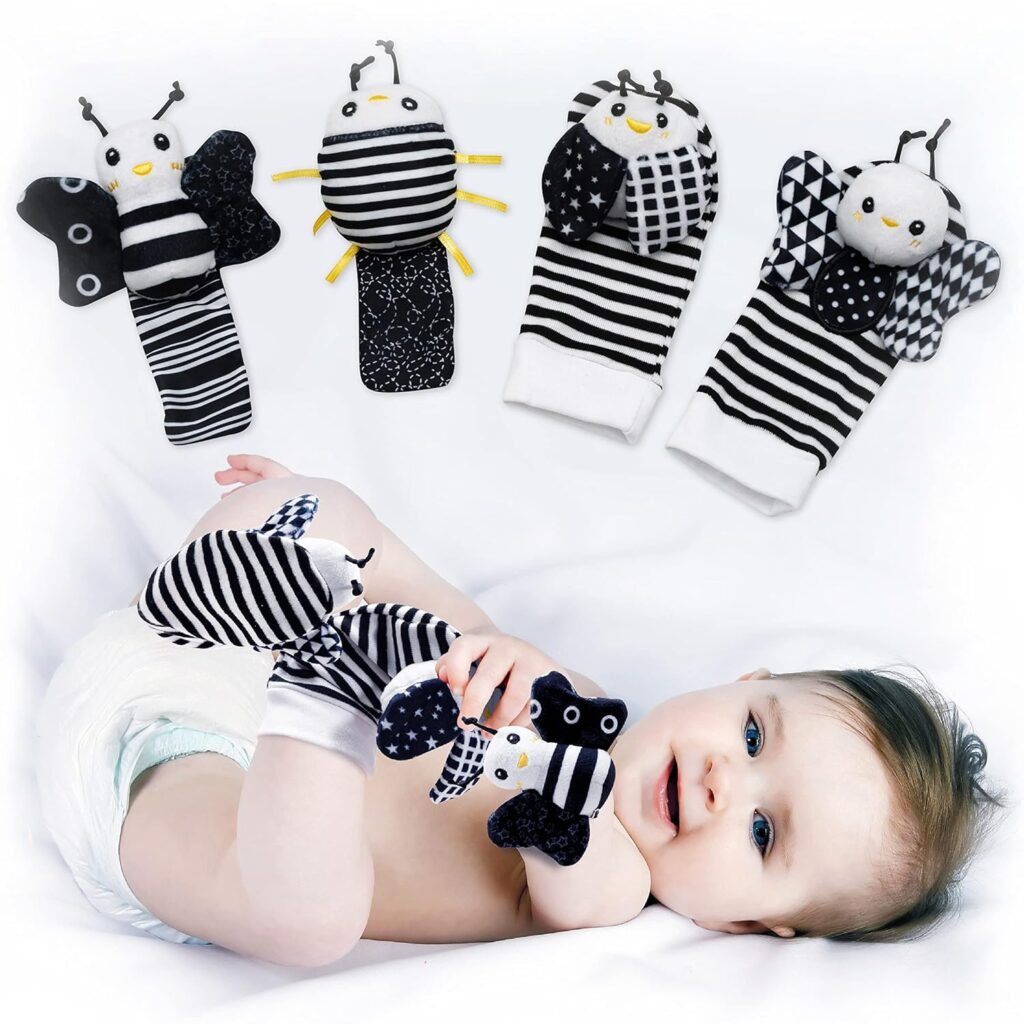
Baby Sock Patterns

  • Tactile exploration: Encourage your baby to explore different textures through touch. Allow babies to discover the wonders of touch, from soft blankets, crinkly paper, silky scarves, and rubber toys can all stimulate a baby’s sense of touch.
  • Visual stimulation: Introduce bright colors and patterns to capture their attention. Spark their curiosity as they focus on different objects. Babies respond well to high-contrast patterns, like black and white stripes or checkerboards.
  • Auditory experiences: Play music, sing songs, and make different sounds. Introduce them to the world of sound, helping them develop language skills and recognize familiar voices. Introduce different types of music, from classical to nursery rhymes.

Physical Development

  • Tummy time: Strengthen neck and core muscles. Encourage your baby to lift their head by placing toys or colorful objects within reach.
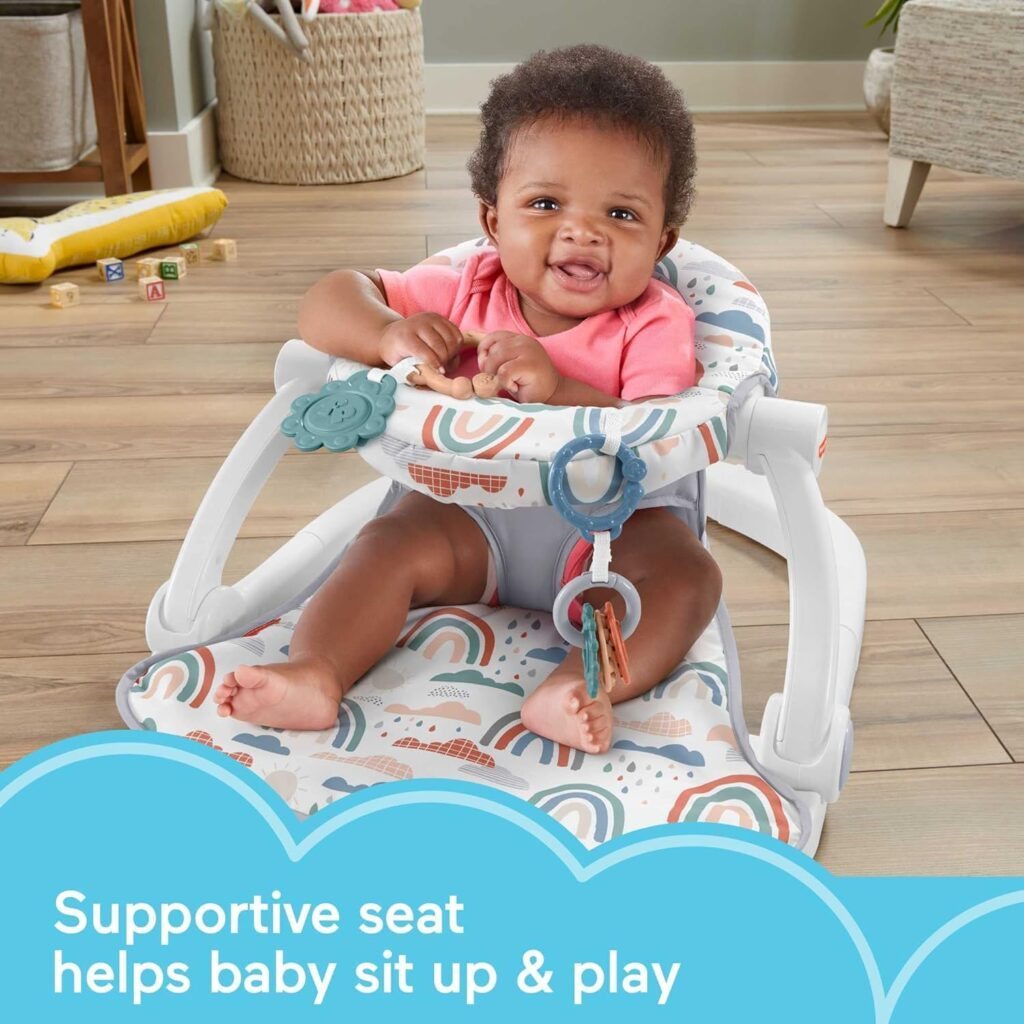
  • Sitting up support: Encourage upright posture and balance. Use pillows or a supportive infant seat to help your baby sit upright while providing support. Add stimulating toys for engagement.
  • Crawling and cruising: Promote mobility and exploration with baby games. Create a simple obstacle course with pillows or blankets to challenge your baby’s crawling skills.

Baby Seat

Cognitive Development

Stacking Blocks

  • Object permanence: Teach your baby that objects still exist even when hidden. Hide a toy under a blanket or in a box and encourage your baby to find it.
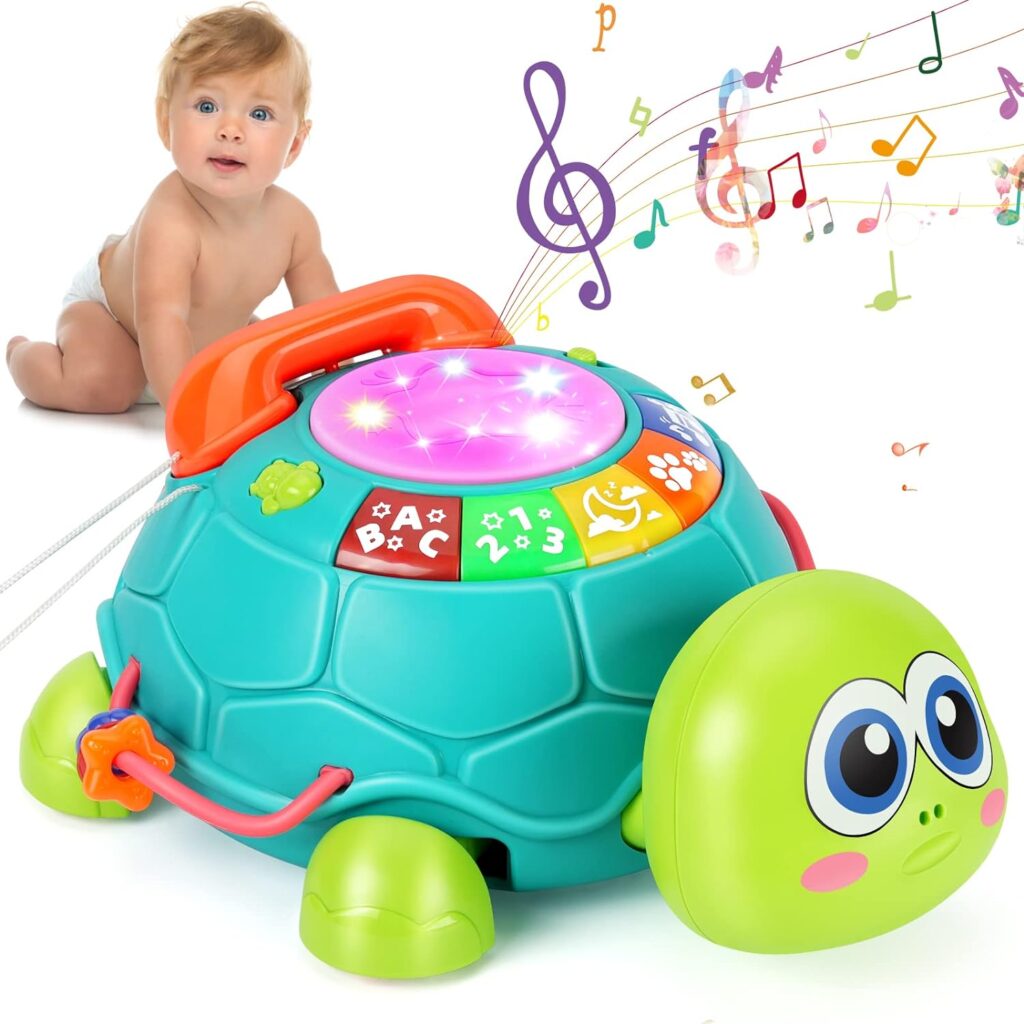
  • Cause and effect: Show how actions lead to reactions. Show your baby how to make a toy squeak, move, or roll.
  • Problem-solving: Encourage your baby to figure things out independently. Provide stacking cups for your baby to experiment with building and knocking down.

Social and Emotional Development

  • Peek-a-boo: Foster social interaction and emotional connection. Let your baby take turns covering their own face or hiding behind a blanket.
  • Imitation games: Encourage emotional development and bonding. Clap, wave, or blow kisses and encourage your baby to copy you.
  • Turn-taking: Introduce the concept of sharing and waiting. Passing toys: Take turns passing a toy back and forth.

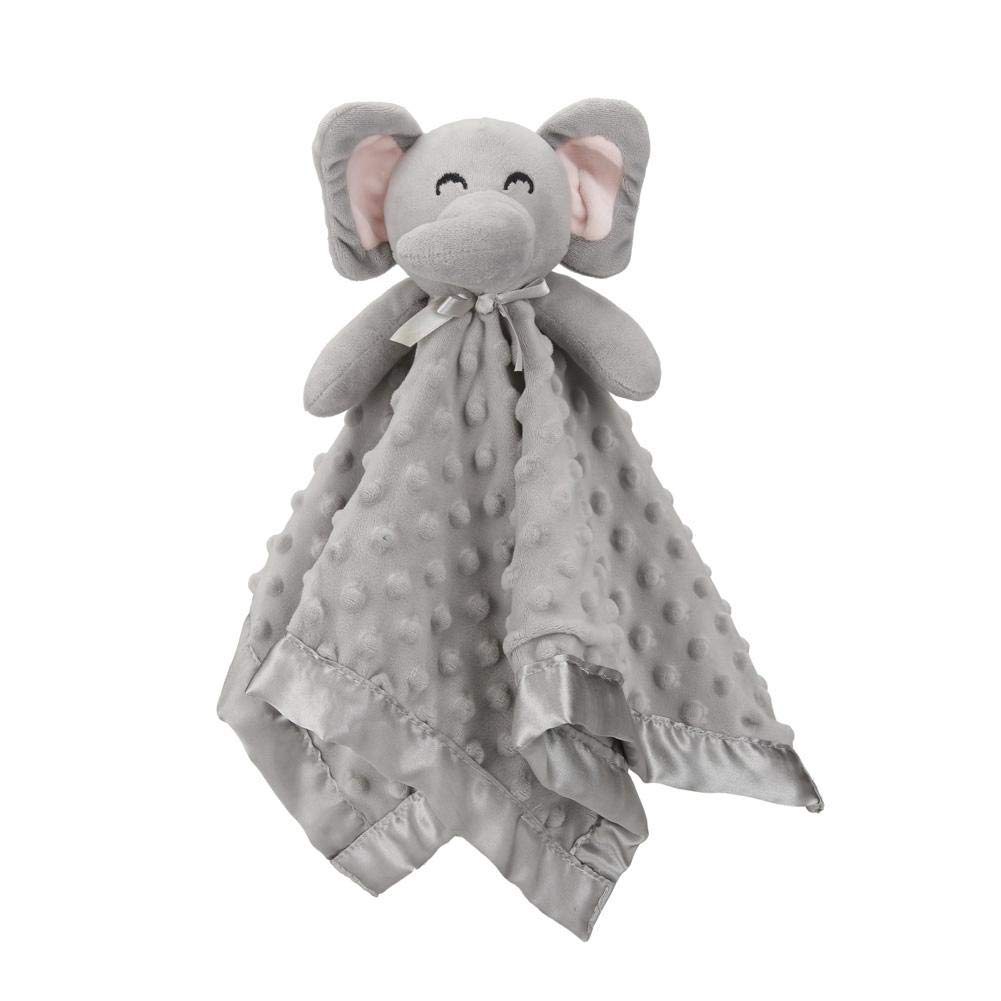
Baby lovie

Tactile Play

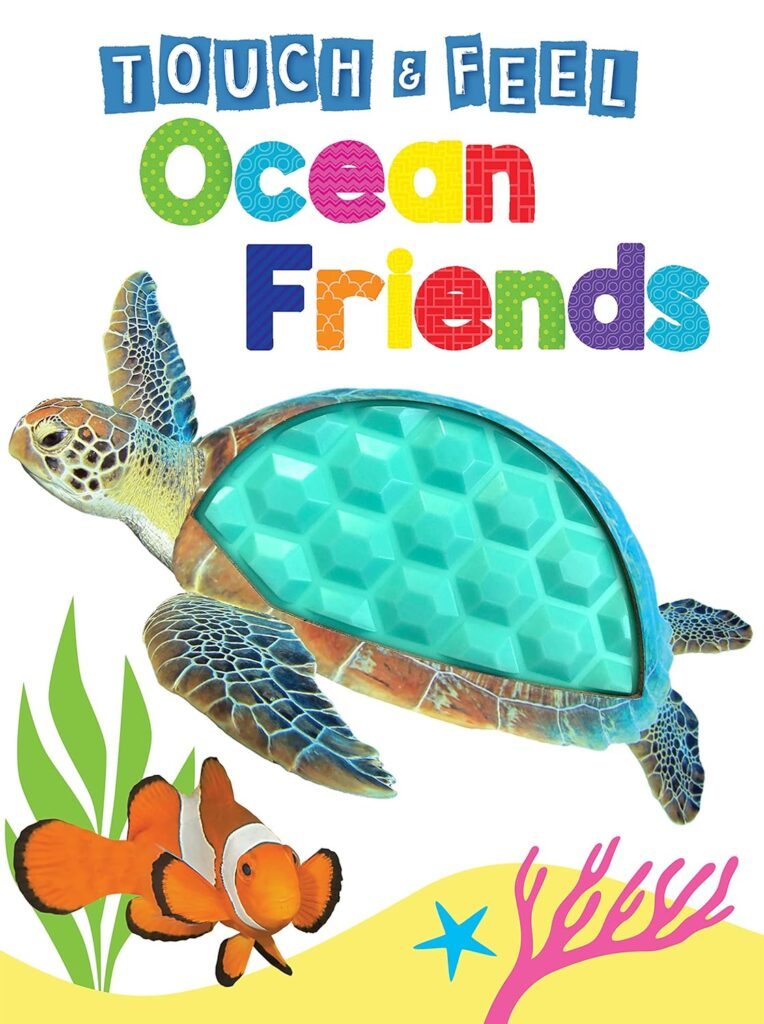
Touch and Feel Book

  • Touch and feel books: fabrics, rubbery surface, and silky ribbons. Allow your baby to explore various textures with their hands.
  • Water play: Introduce your baby to water play safely in a bathtub or with water toys. Show your baby how splashing, pouring, and sinking toys create different effects.
  • Messy play: Let your baby explore different substances like oatmeal, pudding, or shaving cream. You can put it on their tray and let them explore.

Visual Stimulation

  • Black and white cards: Use high-contrast cards for newborns to stimulate vision. Talk to your baby about what you’re doing and point out the different shapes and patterns.
  • Colorful toys: Introduce bright colors to capture your baby’s attention. Name the colors and have baby engage with the toy.
  • Light play: Shine a flashlight on different objects to create shadows and patterns.

Black and White Cards

Auditory Experiences

  • Music and songs: Sing lullabies, nursery rhymes, and play different types of music.
  • Sound toys: Introduce rattles, bells, and other noise-making toys.
  • Nature sounds: Play recordings of birds, rain, or ocean waves.

As your baby grows and develops, playtime becomes an increasingly important part of their learning journey. Engaging in interactive baby games not only stimulates their senses and motor skills but also fosters cognitive development, emotional bonding, and social skills.

Disclosure: We use affiliate links to earn a small commission. If you choose to purchase something through one of these links, there is no cost to you. 

Homepage
Homepage
Posted in Baby, ParentingTagged baby, games, parenting

Angry Child: Helping Your Child Manage Anger

PARENTING

Managing a angry child can be challenging. It’s important to remember that children often express anger because they haven’t yet developed effective coping strategies. Here are some techniques to help your child manage their anger.

Understanding Your Child’s Anger

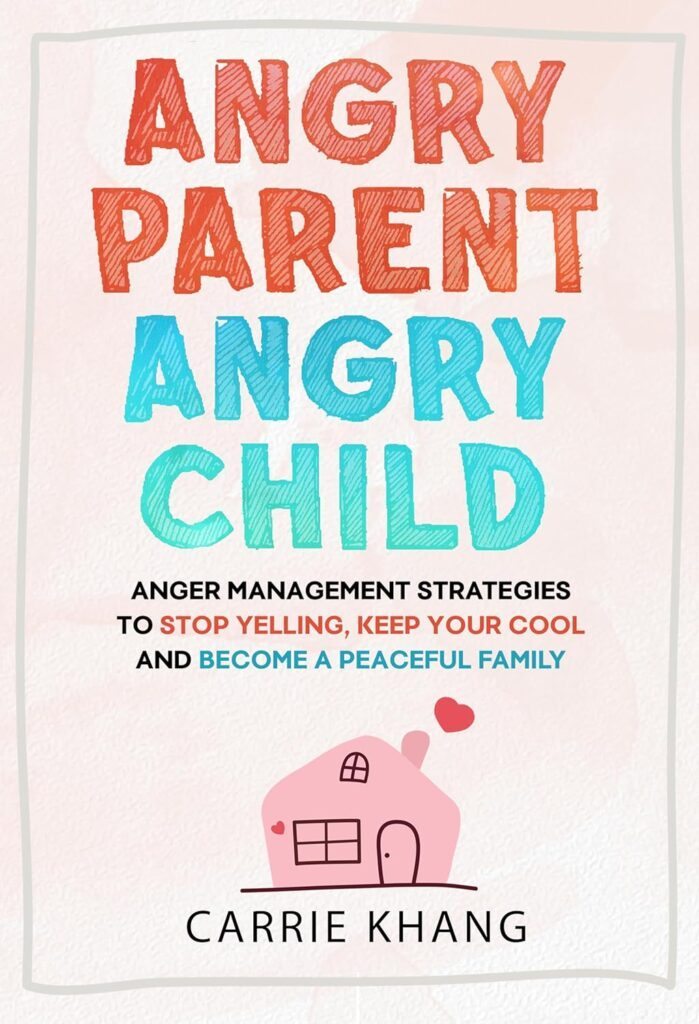
The Angry Child

Identify Triggers

Understanding what sets off your child’s anger is an important step. Pay close attention to the situations that commonly lead to outbursts. Is it feeling overwhelmed, frustrated, or tired? What is the repeating pattern? Identifying these triggers can help you prevent angry episodes. Keep written log of these situations to gain a clearer picture.

Validate Feelings

Let your child know that it’s okay to feel frustrated. Validate their emotions by saying, “I understand you’re feeling angry right now.” Explain to your child that it’s okay to feel angry, but hitting, yelling, or throwing things is not acceptable. These actions hurt others and will have consequences. Teach them that there are healthier ways to deal with anger.

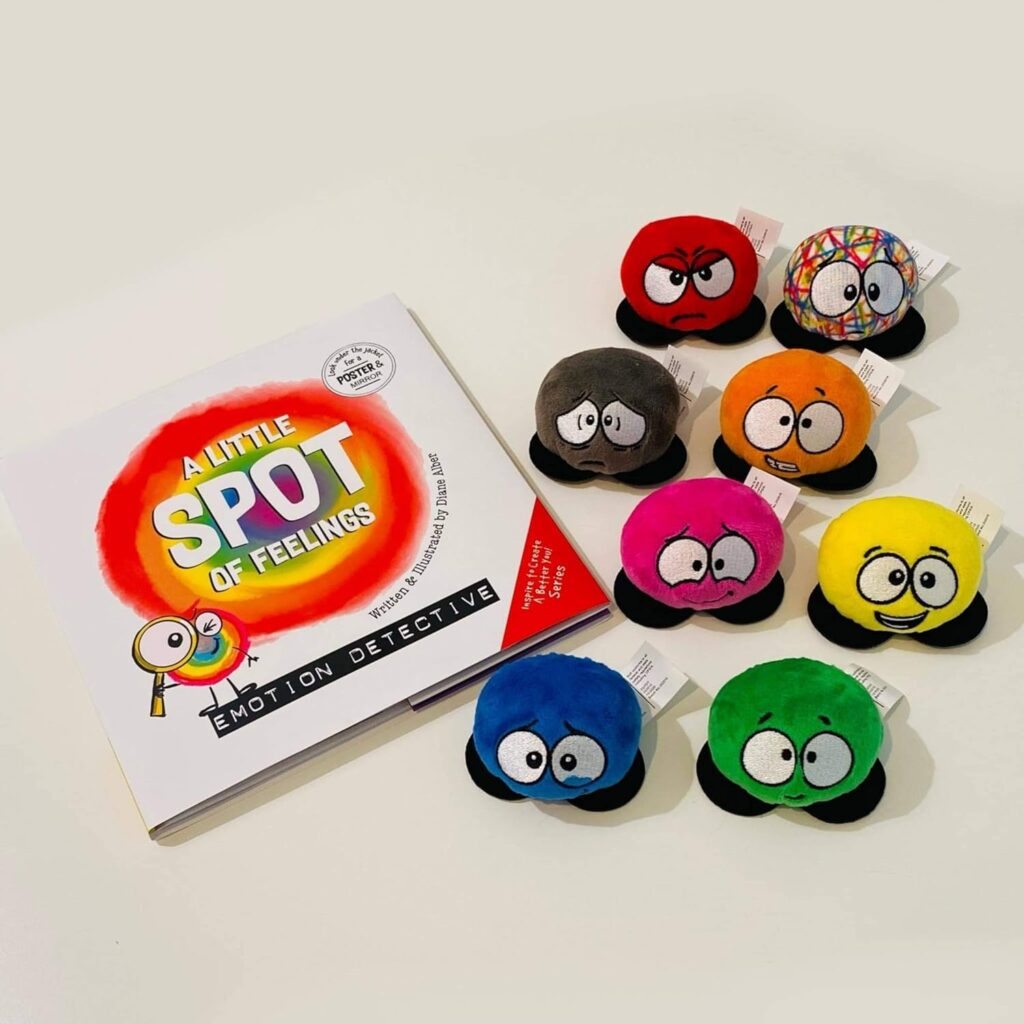
Feelings

MEL Science

Communicate Openly

Encourage your child to express their feelings using words. Create a safe space for open communication. Teach them to use “I” statements to express their emotions, such as “I feel angry when…” or “I feel frustrated because…” This helps them develop healthy communication skills and gives them an outlet for their feelings. Be a good listener and show empathy to help them cope with their anger.

Angry Child: Teaching Coping Skills

Yoga for Kids

Deep breathing and relaxation techniques

Breath in and breath out – a powerful tool for calming down. Teach your child to take slow, deep breaths when they start to feel angry. This simple practice can help lower their heart rate and reduce feelings of overwhelm. Also, they will be able to evaluate situation better if they are calm. Yoga can be a great tool for learning how to breath.

Time-outs can provide a necessary break

When you need to calm down too, take a break. Create a calm space where they can go to cool down. Explain that the time-out is not a punishment but an opportunity to regain control of their emotions.

Teaching problem-solving skills

It’s not only about calming the situation down but also teach them how to solve a problem a different way. Help your child identify the problem, brainstorm solutions, and choose the best course of action. This empowers them to take control of challenging situations.

Positive reinforcement

Reward your child when they handle anger in a constructive way. This positive feedback will motivate them to repeat these behaviors in the future. Give your attention to a behavior that you want to support.

Problem solving for kids

Physical activity and self-care.

Engaging in sports or other activities can help release pent-up energy and reduce stress. Activities like yoga, self defense, soccer, baseball, journaling, dancing, music, drawing and other can also teach children valuable self-regulation skills.

Setting Limits and Consequences

  • Consistent rules: Establish clear and consistent rules to prevent power struggles. The word consistency is very important as your child need to understand that there is no room for an angry behavior.
  • Natural consequences: Allow your child to experience the natural consequences of their actions when safe.

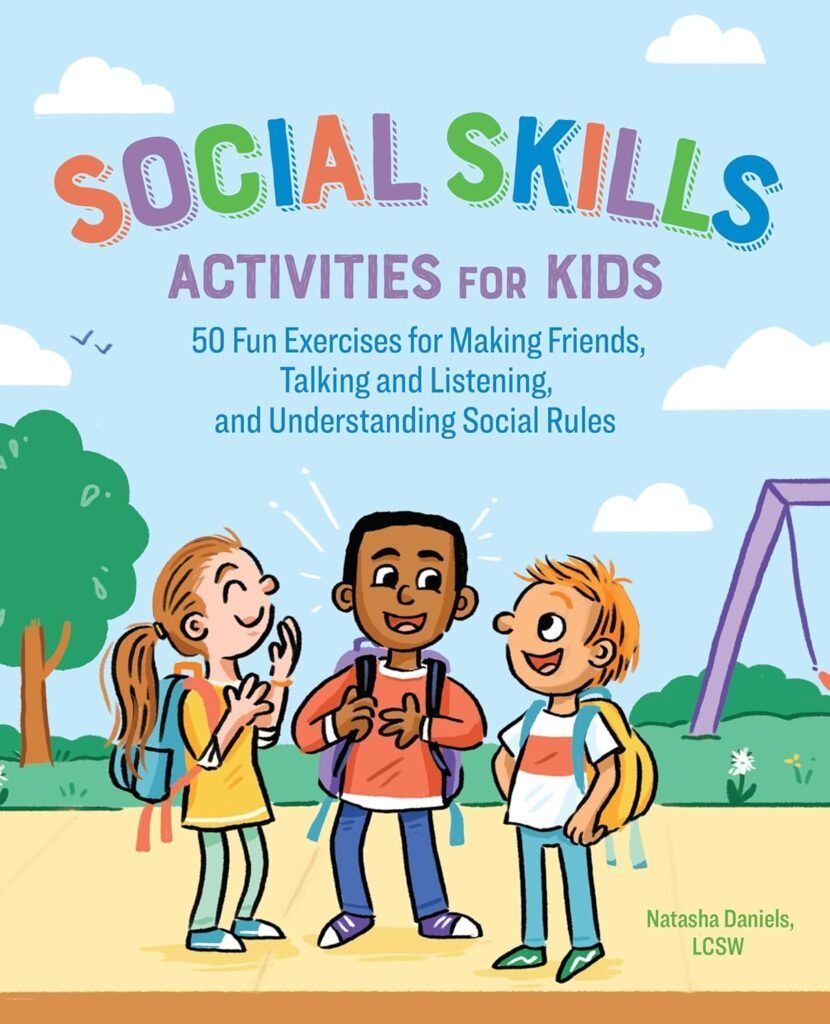
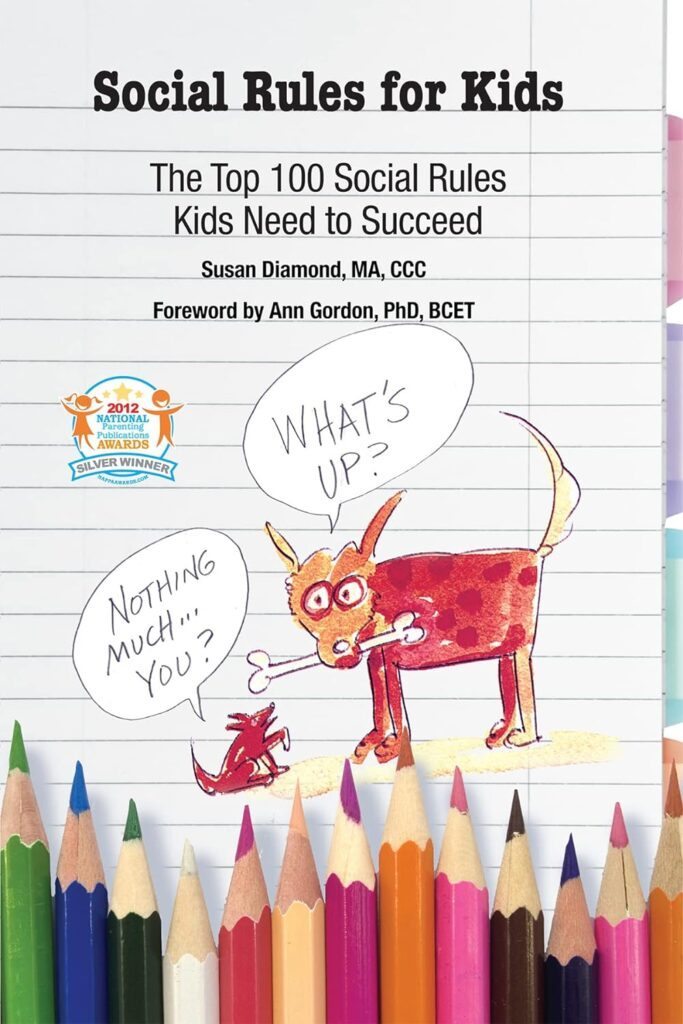
Social Rules for Kids

Seeking Professional Help

If your child’s anger is severe or impacting their daily life, consider seeking guidance from a child psychologist or therapist. They can provide tailored strategies and support. Remember, it is ok to ask for help. Think about how much it can help your child and your family. Seek support from friends, family, or support groups.

It’s important to remember that every child is different, and what works for one may not work for another. Be patient and consistent in your approach. With time and effort, you can help your child develop healthy ways to manage anger. This is a journey, so please be patient.

Disclosure: We use affiliate links to earn a small commission. If you choose to purchase something through one of these links, there is no cost to you.

Homepage
Homepage
Posted in ParentingTagged advice, kids, nanny, parenting

The Four Parenting Styles

PARENTING

Parenting is a complex journey, the way we interact with our children can significantly impact their development, self-esteem, and future relationships. Psychologists have identified four parenting styles that influence child-rearing: authoritative, authoritarian, permissive, and uninvolved. Let’s explore these styles and how they influence children.

Authoritative Parenting: Nurturing Independence

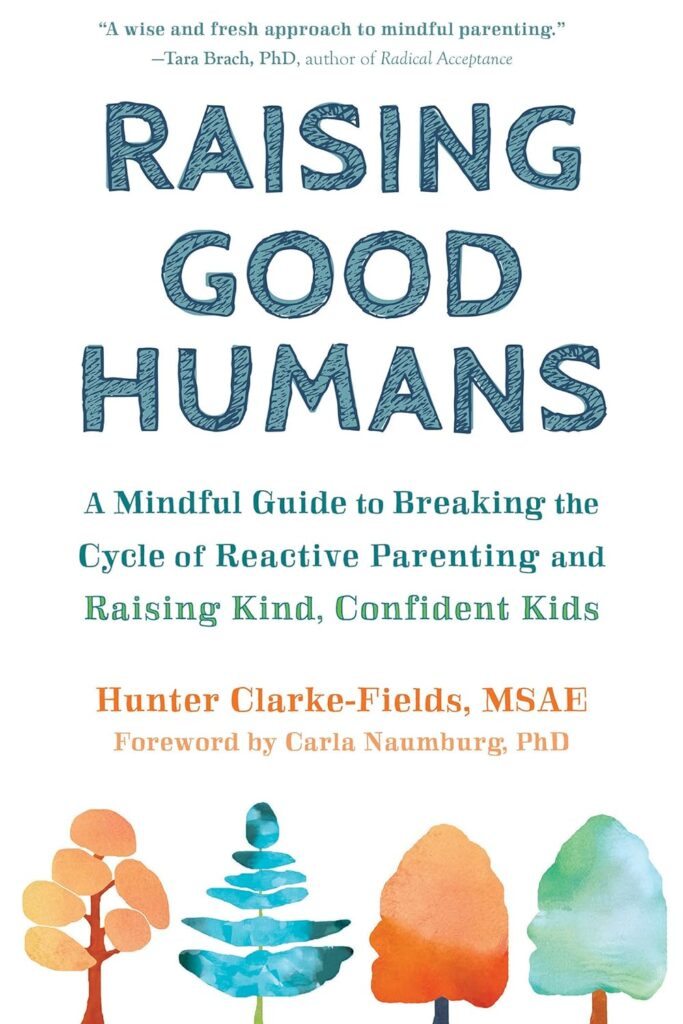
Raising Good Humans

This style combines warmth, responsiveness, and clear expectations. Authoritative parents set rules and boundaries while also encouraging independence and open communication. Children raised in this environment tend to be confident, responsible, and socially competent.

Often considered the most effective parenting style that focuses on creating a balance between warmth and discipline (Gentle Discipline).

Key characteristics:

  • Expectations: Authoritative parents set clear limits and rules.
  • Warmth and responsiveness: They are supportive, nurturing, and responsive to their children’s needs and emotions.
  • Open communication: They encourage open dialogue and value their children’s opinions.
  • Independence: They foster independence and self-reliance in their children.
  • Discipline: They use consequences and reasoning to teach responsibility.

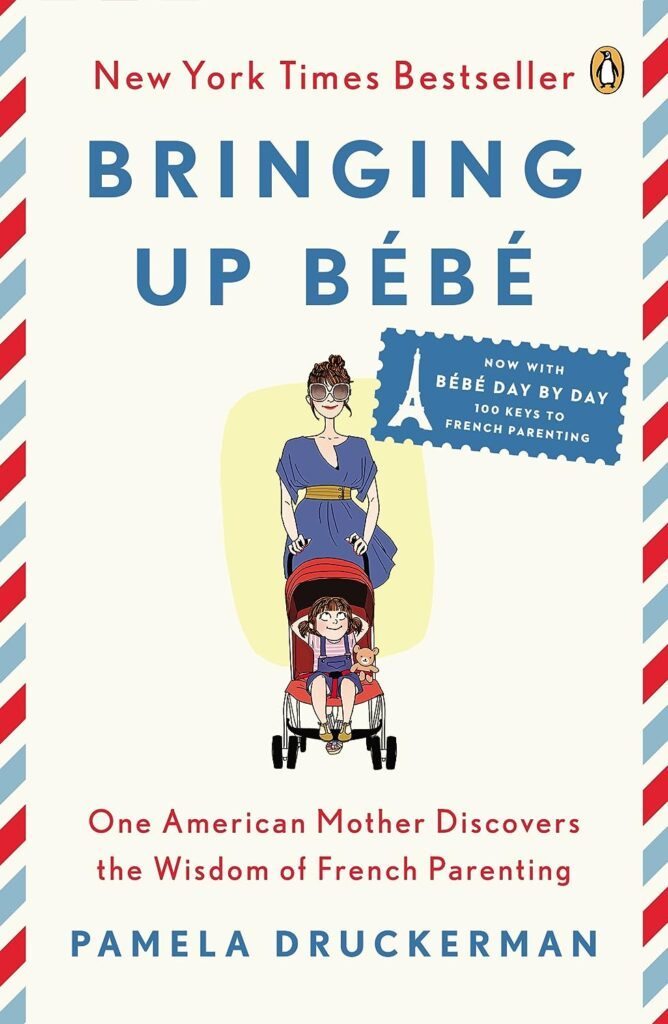
Bringing Up Bebe

Positive outcomes:

Children raised with authoritative parenting tend to be:

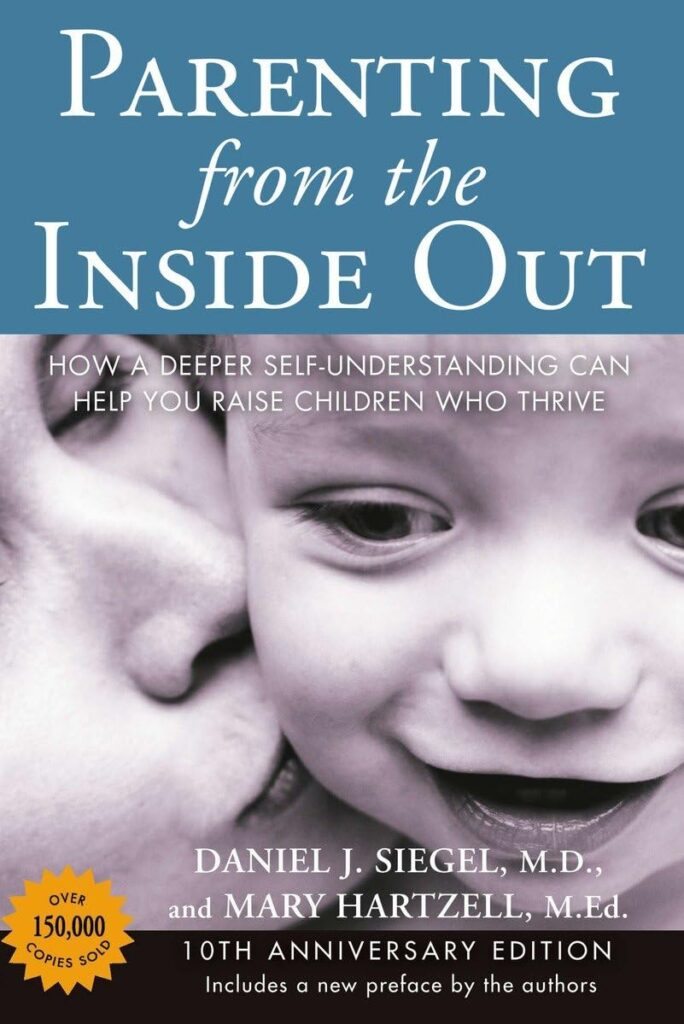
Parenting from the Inside Out

  • Confident and self-reliant
  • High in academic achievement
  • Strong in social skills
  • Respectful of authority
  • Responsible and independent

Authoritarian Parenting: Strict and Demanding

Authoritarian: Characterized by high demands and low responsiveness, authoritarian parents expect obedience without explanation. While children might follow rules, they often lack independence, self-esteem, and social skills.

Authoritarian parents place a high emphasis on obedience and conformity.

Parenting

Key characteristics:

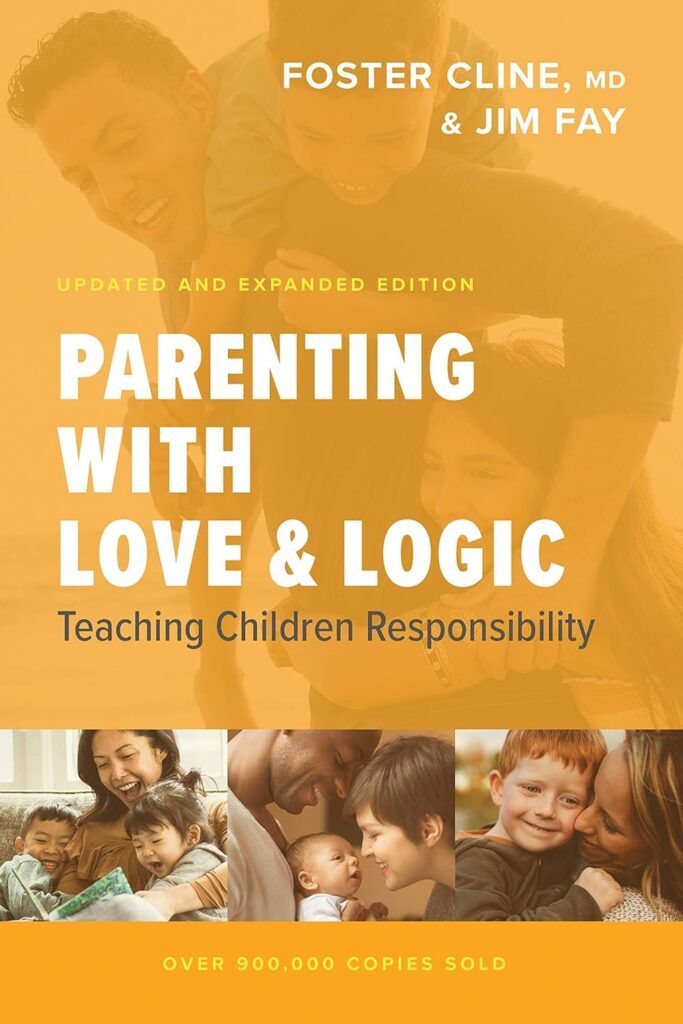
Parenting with Love and Logic

  • High expectations: They have strict rules and expect unquestioning obedience.
  • Low responsiveness: They are less responsive to their children’s emotional needs.
  • Punitive discipline: They often use punishment to enforce rules.
  • Limited communication: They tend to be less open to their children’s input.

Potential outcomes:

Children raised with authoritarian parenting may:

  • Lack self-esteem and independence
  • Be anxious or withdrawn
  • Have difficulty making decisions
  • Rebel against authority

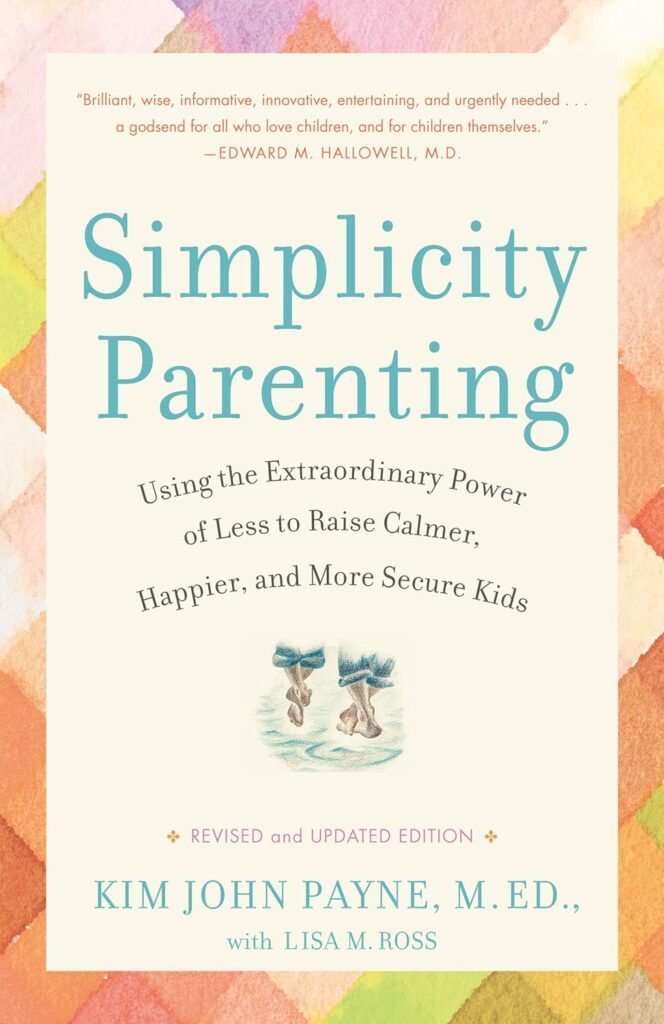
Simplicity Parenting

Permissive Parenting: Indulgent and Lenient

The Conscious Parent

Permissive parents are high on warmth but low on demands and expectations. They often avoid confrontation and let children make their own decisions. Children raised in this style might struggle with impulse control, responsibility, and academic achievement.

Permissive parents are highly responsive to their children’s needs but set few limits or expectations.

Key characteristics:

  • Low expectations: They have few rules or consequences.
  • High responsiveness: They are often overly indulgent and want to be their children’s friends.
  • Avoidance of conflict: They may avoid confrontation and discipline.
  • Lack of structure: They provide little guidance or structure.

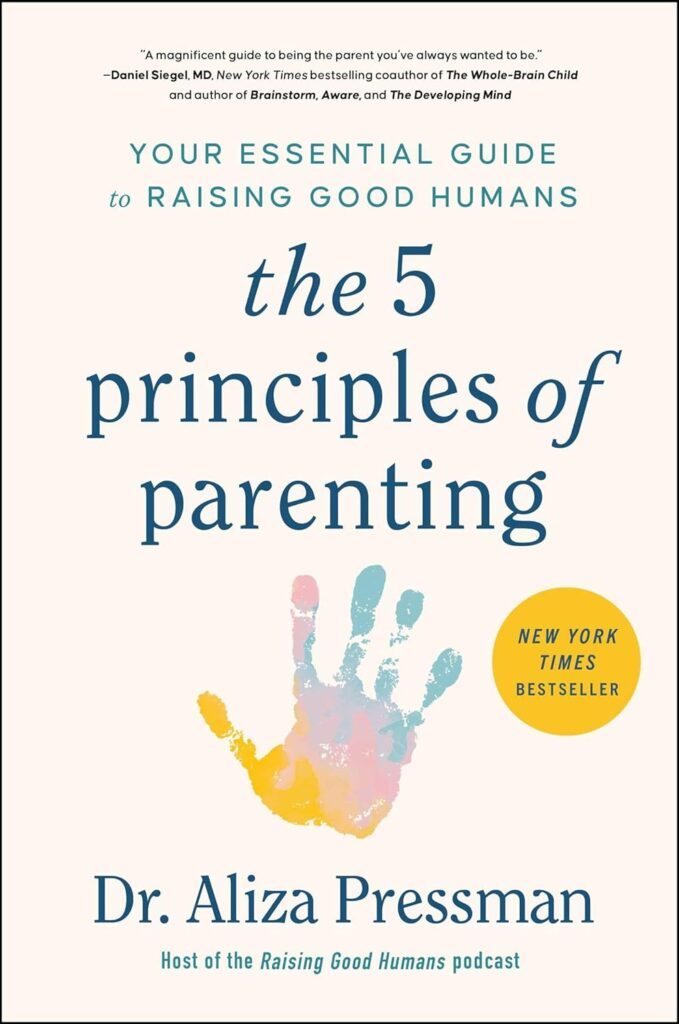
The 5 principles of parenting

Potential outcomes:

Children raised with permissive parenting may:

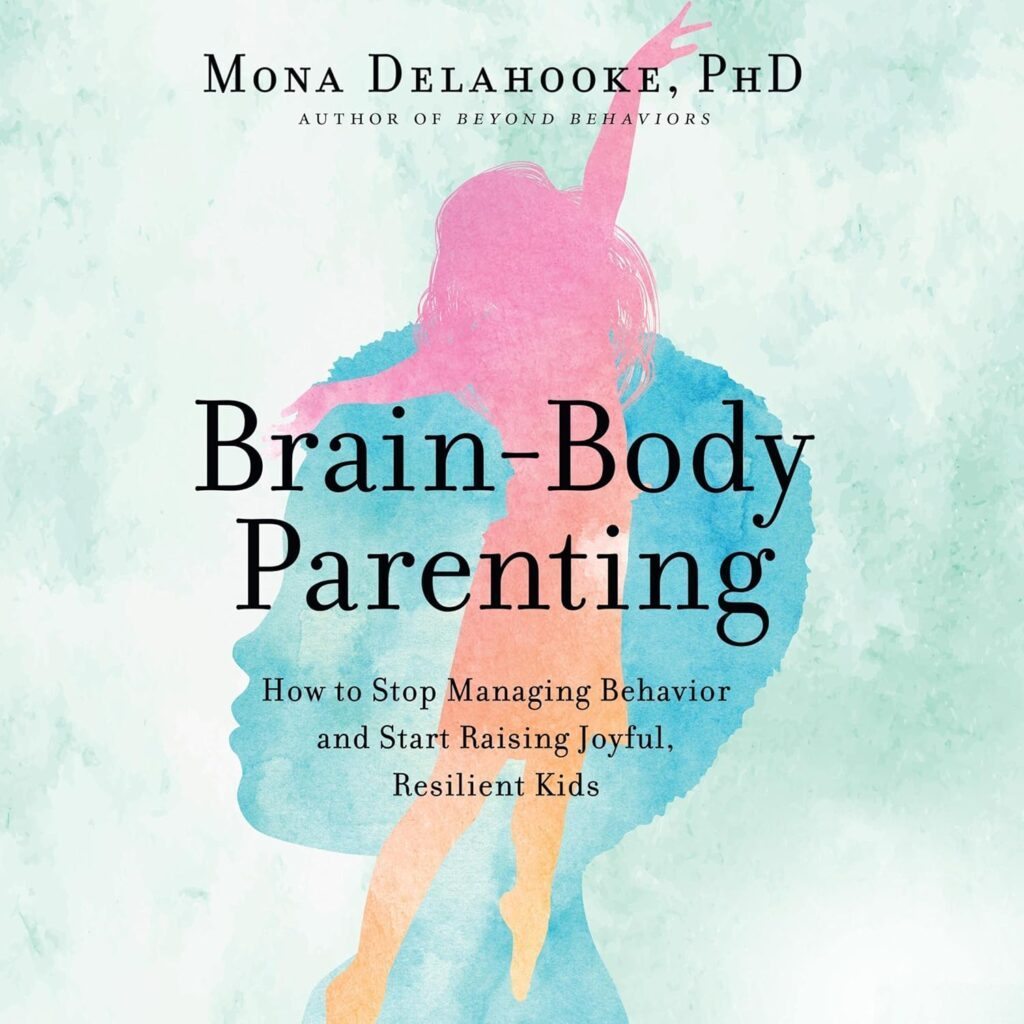
Brain Body Parenting

  • Lack self-control and impulse control
  • Have difficulty following rules
  • Be demanding and entitled
  • Struggle with academic achievement
  • Have low self-esteem

Uninvolved Parenting: Neglectful and Distant

This style is marked by a lack of both responsiveness and demandingness. Uninvolved parents are often preoccupied with their own needs and have little interest in their children’s lives. Children raised in this environment may exhibit behavioral problems, low self-esteem, and academic difficulties.

Uninvolved parents are low on both responsiveness and demandingness. They may be preoccupied with their own lives and have little interest in their children’s needs.

Raising your Spirited Child

Key characteristics:

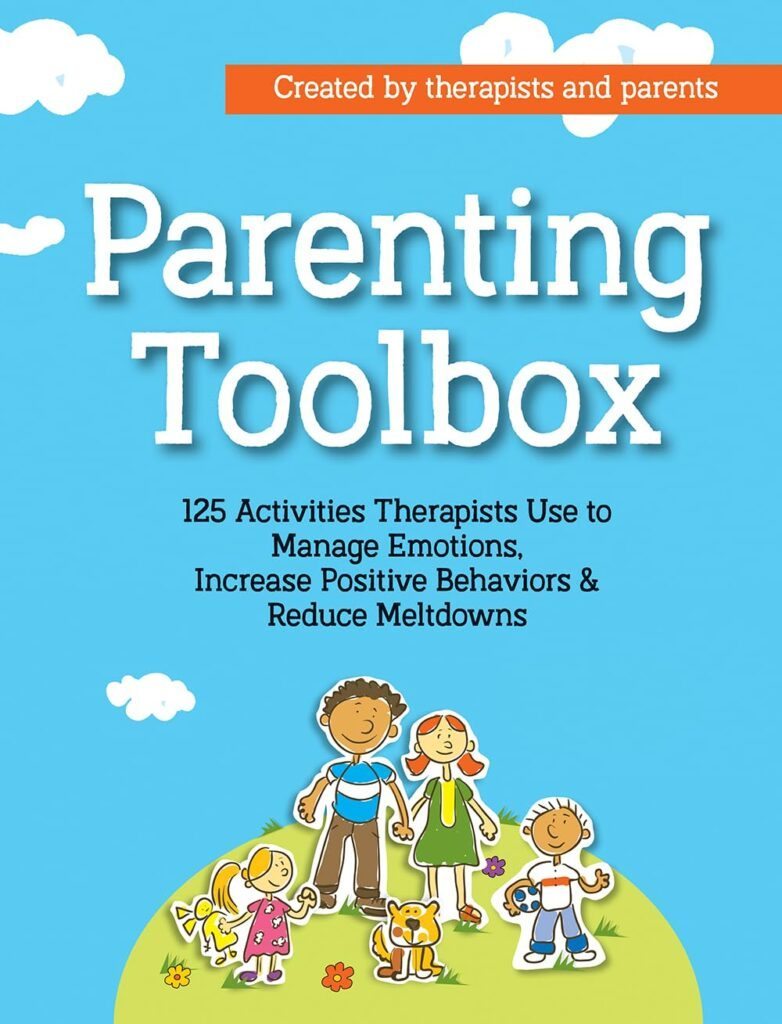
Parenting Toolbox

  • Low expectations: They have few or no rules.
  • Low responsiveness: They are uninvolved in their children’s lives.
  • Lack of supervision: They provide little or no supervision.
  • Emotional detachment: They may be emotionally distant from their children.

Potential outcomes:

Children raised with uninvolved parenting may:

  • Have low self-esteem
  • Struggle in school
  • Engage in risky behaviors
  • Have difficulty forming relationships

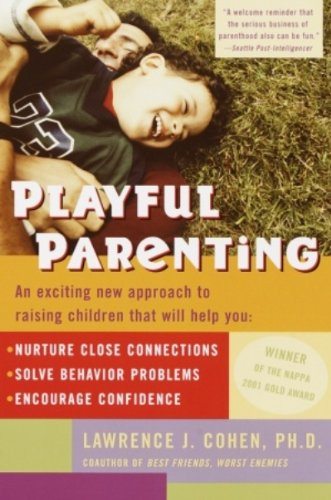
Playful Parenting

Disclosure: We use affiliate links to earn a small commission. If you choose to purchase something through one of these links, there is no cost to you.

Homepage
Homepage
Posted in ParentingTagged advice, parenting

Essential Oils For Kids

LIFESTYLE

Essential oils have been a beauty and wellness secret for centuries, harnessing the power of plants to promote relaxation, soothe common ailments, and even enhance your natural radiance. If you’re curious about exploring these fragrant remedies but feeling overwhelmed by all the options, this guide for essential oils for kids is for you.

THIS IS JUST A GUIDE, NOT A MEDICAL ADVICE.

Please consult your doctor before using any essential oils.

Sandalwood

is derived from the steam distillation of the wood from the sandalwood tree. It’s woody, and earthy aroma is incredibly grounding and rich, but not overwhelming.

Health Benefits:

Promotes healthy, smooth skin Reduces the appearance of scars and blemishes Enhances mood

Sandalwood

Uses:

Can be used on skin to heal rush and other skin problems and it has calming effect.

Lavender

This is the gentlest of essential oils, but also one of the most powerful, making it a favorite of households for its health properties and uses of lavender essential oil. In fact, it’s so popular and has so many potential uses, they say “when in doubt, try lavender”.

Health Benefits:

Widely used for its calming and relaxing qualities. Soothes occasional skin irritations, helps skin recover quickly, and eases muscle tension.

Lavender

Uses:

Add a few drops to warm bath or to your pillow at night. Can help with skin conditions – massage on temples, scalp and forehead. Good for better sleep.

Frankincense

A tree or shrub that produces a gum or resin that can be steam distilled into an essential oil with HUGE health benefits. The aroma of frankincense is uniquely warm, deep, rich, and incense-like.

Health Benefits:

It helps build and maintain a healthy immune system. Relieves muscle pain, promotes emotional balance and soothes stress and anxiety.

Frankincense

Uses:

Rub into palms and inhale or apply on temples for rejuvenation. Help children to balance their stress and anxiety.

Peppermint

An oil that is created by steam distilling the leaves, stems and flower buds, and the aroma of a quality brand can be very sweet, and obviously minty, in nature.

Health Benefits:

Promotes healthy respiratory function and clear breathing and relaxes the body. Also great for fresh room Aroma.

Peppermint

Uses:

Dilute and apply to the abdomen; Dilute and massage on temples, forehead and bridge of the nose; Good use for Fatigue and Exhaustion.

Ylang Ylang

A nice-smelling oil, the physical and emotional support. Ylang Ylang can offer is much more than just a room deodorizer. It’s smells overwhelming floral and sweet..

Health Benefits:

Helps balance hormones Promotes healthy skin and hair Lifts mood while having a calming effect

Ylang Ylang

Uses:

Massage into neck, shoulders and tired feet Rub 1-2 drops in palms and inhale deeply. Good for anger and sadness

Patchouli

Its aroma is very rich and earthy, with an herbal and balsamic scent. It’s also a kind of “love it or hate it” oil, and you’ll likely find people drawn to it or absolutely repulsed.

Health Benefits:

Grounding, balancing effect on emotions Promotes a smooth, glowing complexion. Reduces scars and renew skin

Patchouli

Uses:

Massage balm, 1-2 drops of Patchouli Essential Oil with a Coconut Oil before being applied to the body to relieve dryness or to balance oily and acne-prone skin.. It is beneficial for all skin types.

Rosemary

is a steam-distilled oil taken from the flowering plant. It smells much stronger than the plant, very herbaceous, and woody with “evergreen undertones”.

Health Benefits:

Supports healthy hair, healthy digestion, respiratory function and helps reduce nervous tension and fatigue

Rosemary

Uses:

Diffuse or rub into palms and inhale to help stimulate confidence and clarity Can be used in skin and hair. Massage onto your scalp, legs or feet

Grapefruit

A therapeutic oil, is created by cold-pressing the rind of the fruit to extract the oil. The oils in this fruit are incredibly beneficial to the metabolism. The aroma of the oil is clean, fresh, a little bitter, and of course, citrusy.

Health Benefits:

Cleanses and purifies Beneficial for oily skin issues Supports healthy metabolism Helps reduce mental and physical fatigue

Grapefruit

Uses:

Can help freshen laundry, gym bags, kitchen, etc Rub into palms and inhale. Increases attention and releases stress.

Eucalyptus

Eucalyptus oil is created through the steam distillation of the leaves from the shrubs and trees, leaving an aroma that is sweet, and slightly fruity.

Health Benefits:

Assists with clear breathing Supports overall respiratory health Soothes tired, sore muscles Purifying and cleansing properties

Eucalyptus

Uses:

Assists with clear breathing, supports overall respiratory health. Soothes tired, sore muscles.

Lemongrass

Lemongrass is created by steam distilling the leaves/blades from this grass. Its aroma is lemony and grassy but also a little bitter and pungent.

Health Benefits:

Supports healthy digestion Soothes aching muscles and tendons Purifies and tones skin

Lemongrass

Uses:

Massage over the stomach and large muscle groups. Also improve focus and concentration.

Lemon

Lemon helps to protect against immune threats. The aroma of the oil is citrusy, sharp, and slightly sweet

Healthy Benefits:

Cleanses and purifies the air and surfaces. Naturally cleanses the body and aids in digestion. Supports healthy respiratory function. Promotes a positive mood and cognitive ability

Lemon

Uses:

Apply on chest or massage over the stomach for help with digestion. Diffuse for a fresh, clean scent and help with focus.

Tangerine

Tangerine is cold-pressed from the rind of the fruit. Its aroma is very citrusy (duh) and sweet.

Health Benefits:

Excellent source of antioxidants Soothing and relaxing. Cleansing and purifying. Supports a healthy immune system.

Tangerine

Uses:

Add a drop to a cotton ball and place in gym bags or drawers to fight mustiness Add a drop to your facial cleanser to help boost the cleansing rooms.

Disclosure: We use affiliate links to earn a small commission. If you choose to purchase something through one of these links, there is no cost to you.

Homepage
Homepage
Posted in LifestyleTagged parenting, wellness

Posts navigation

Older posts
  • Contact Us
  • Terms and Conditions
  • Privacy Policy

© 2026 Nannies and Mommies, all rights reserved.