Skip to content
  • Home
  • Events
    • Events
    • Event Submission
    • Play Dates
  • Jobs
    • Jobs
    • Post Your Job
    • Job Dashboard
  • Store
    • Store
    • Downloads
    • A Workbook for Creating Healthy Relationships for Children
    • Cart
  • Childcare
    • Childcare
    • Childcare Catalog Submission
  • Blog
    • Blog
    • Video Blog
  • Contact Us
    • Contact Us
    • Advertise
    • Privacy Policy
    • Terms and Conditions
  • My Account
Login/Register

Tag: games

Indoor Birthday Party Activities for Kids

GAMES

Planning a birthday party indoors can be a challenge, but it doesn’t have to be boring! With a little creativity, you can transform your space into a fun-filled party zone. Whether you’re dealing with unpredictable weather or simply prefer a cozy indoor setting, this guide is packed with exciting ideas to keep your little guests entertained and happy. Get ready to unleash your inner party planner and create a memorable celebration. Get inspired with Indoor Birthday Party Activities for Kids.

Photo Booth

A photo booth is a great way to capture all the fun and laughter of your child’s birthday party. It’s also a great way to get kids to interact with each other and create some lasting memories.

Here are some tips for creating a photo booth for your kids’ party:

  • Choose a theme. This will help you narrow down your props and decorations. Focus on your kid’s interest – superhero, flowers, animals, trucks, dinosaurs, fairy, bakers, candy, etc.
  • Set up a backdrop. You can use a sheet, white wall a poster, or even a piece of fabric – avoid crazy patterns that do not photograph well.
  • Gather some props. This can include anything from hats and glasses to masks and signs.
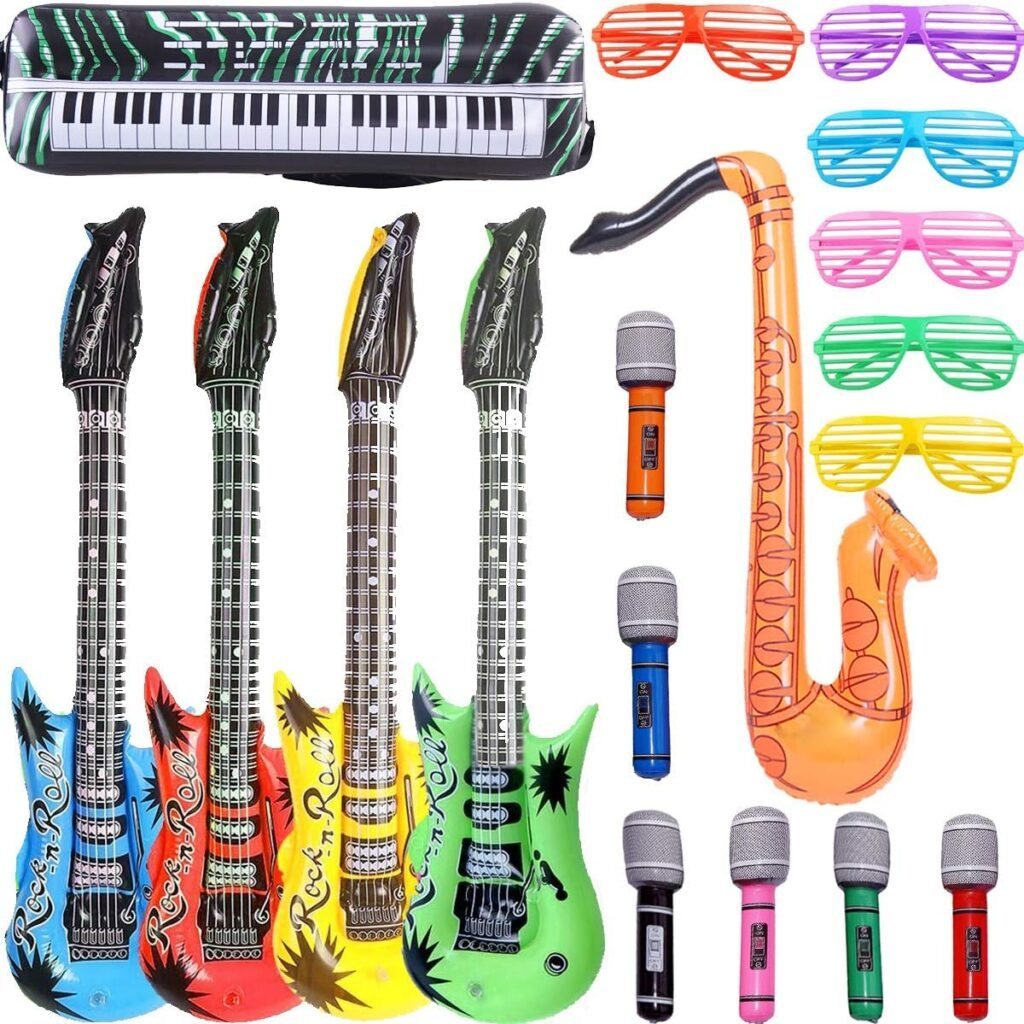
Party Props

  • Encourage creativity. Let kids get creative with their poses and expressions. You can play a music and allow kids to move
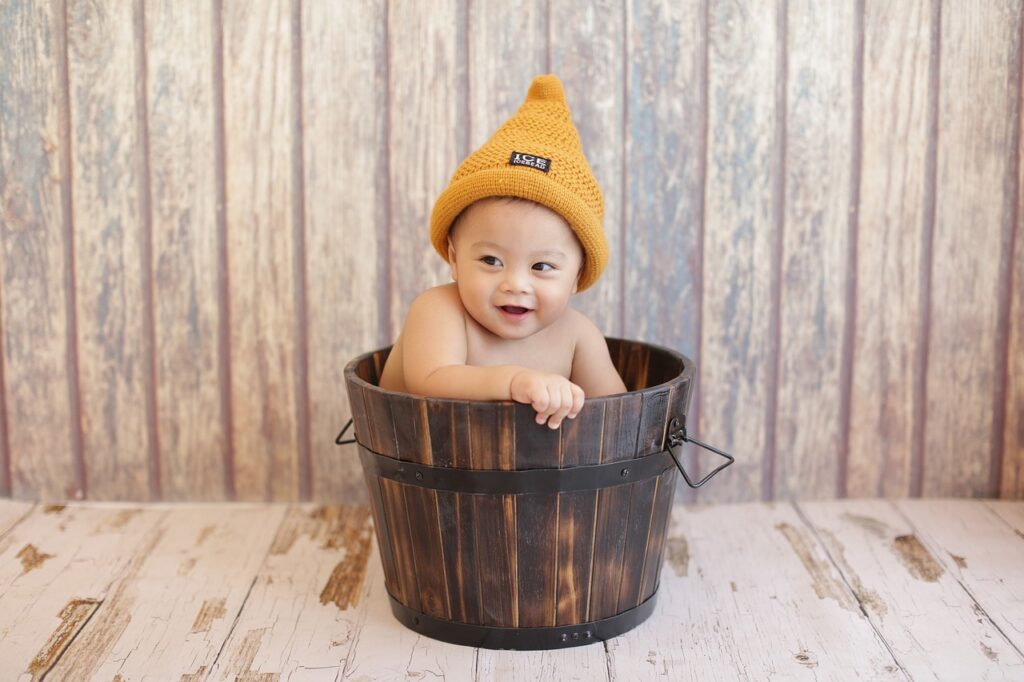
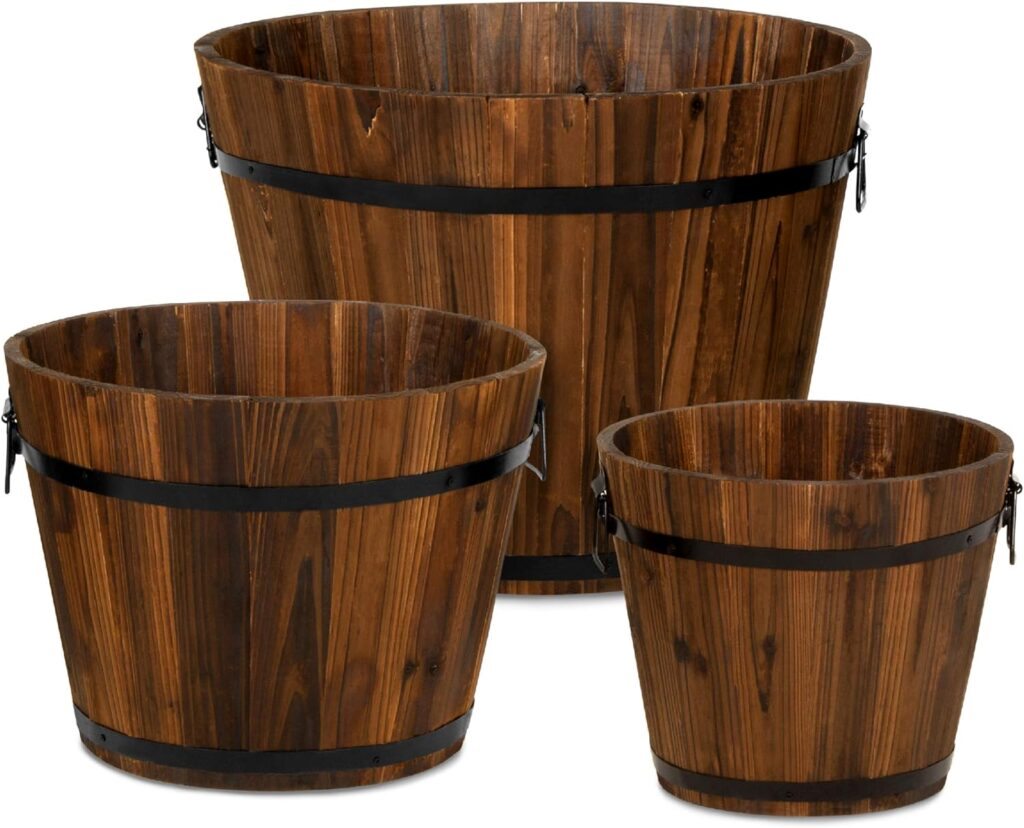
  • Morden Trends: Get inspired by modern photo trends and create a personalized photo keepsake! Provide a simple paper box (you can put it sideway) or bucket and have each child climb in. Capture each photo and at the end combine all the photos together to create a unique and unforgettable party collage.

Create Obstacle Course

Use masking tape to create stations (you can use stepping stones) by setting out different challenges. For example, have kids hop over pillows, crawl under a table, or balance on a piece of cardboard. You can also set up a “target” for them to throw beanbags or stuffed animals. Don’t forget to add a fun twist, like requiring them to sing a song or tell a joke while completing a specific obstacle.
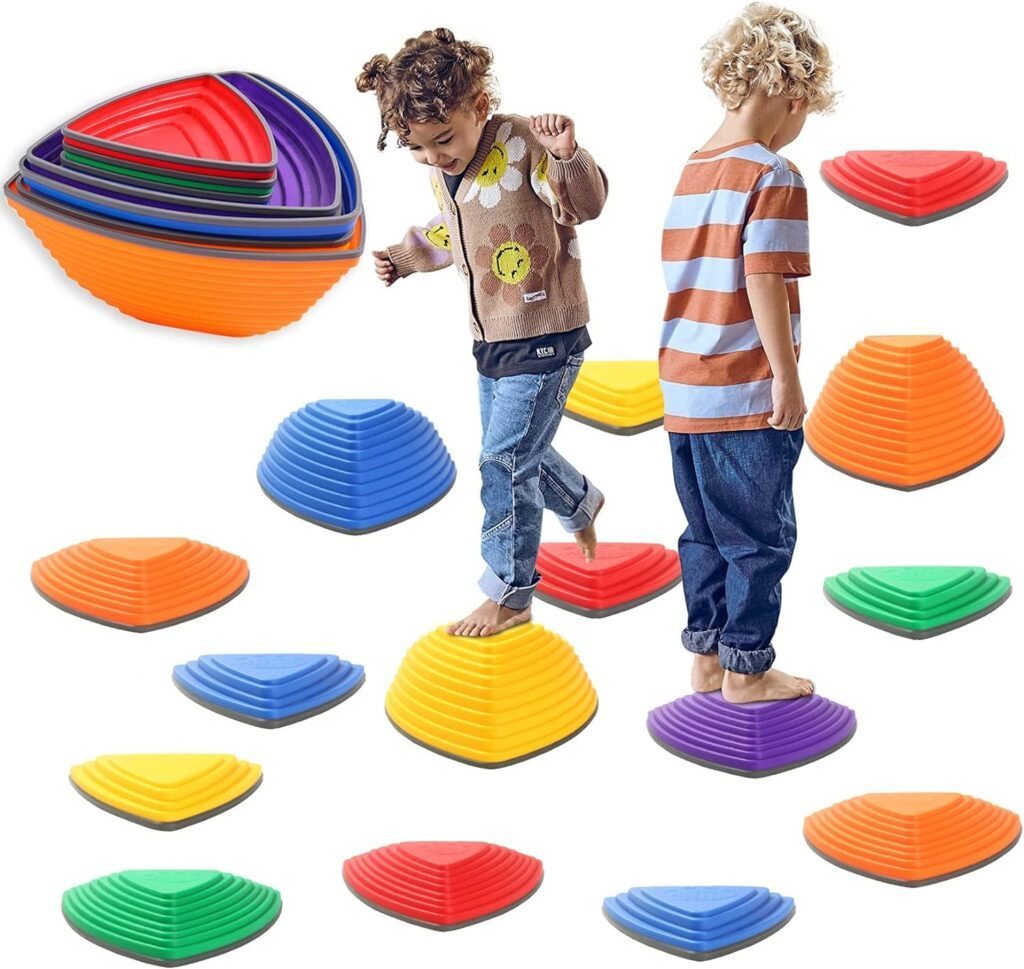
Stepping Stones

Freeze dance

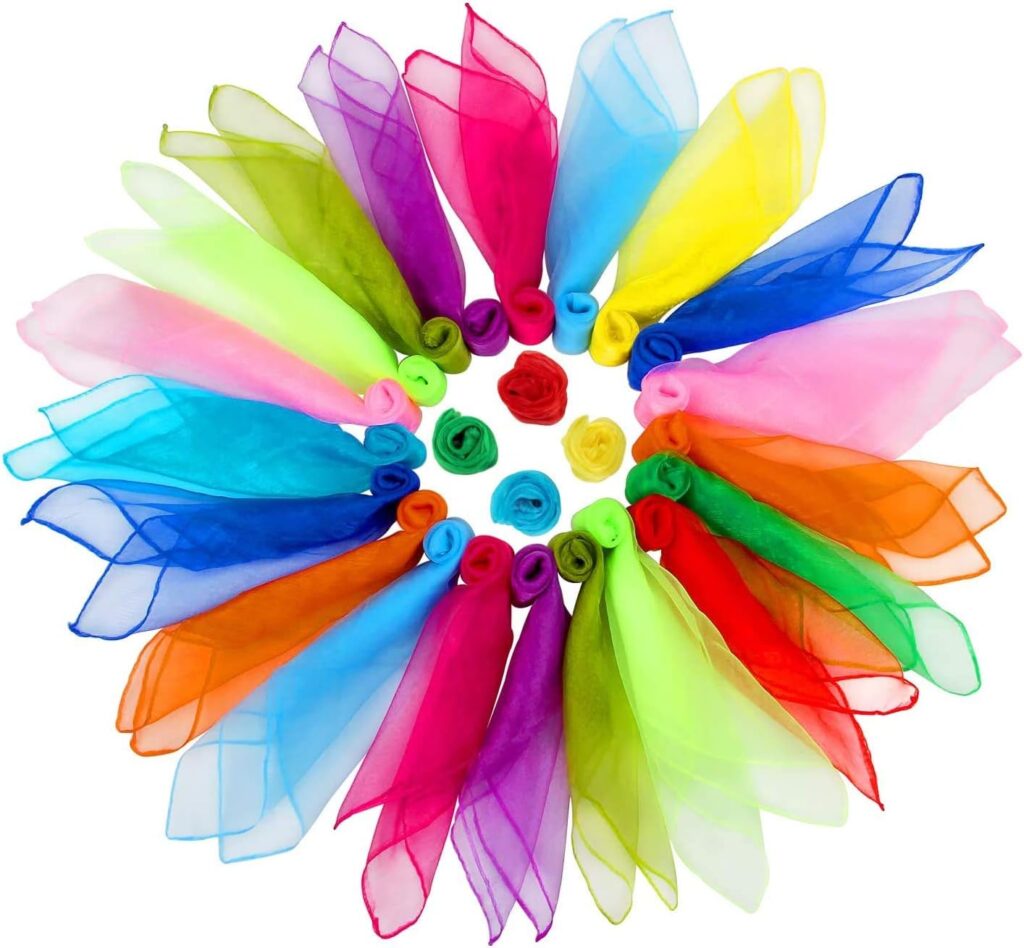
Add a fun twist to the classic freeze dance game. Give each child a colorful scarf to dance with. As the music plays, kids can twirl, sway, and dance freely with their scarves. When the music stops, they must freeze in place, holding their scarves in a creative pose. For an extra challenge, try changing the music tempo from fast to slow, or give specific dance directions like “dance like a robot” or “be a ballerina.”

Treasure Hunt

Turn your living room into a treasure hunt. Create a map filled with clues that lead adventurers to hidden treasures throughout your space. Don’t forget for a treasure box! For an extra dose of excitement you can use backyard at night or just a small balcony (always think safety). Incorporate glow-in-the-dark elements or use flashlights to illuminate the path.
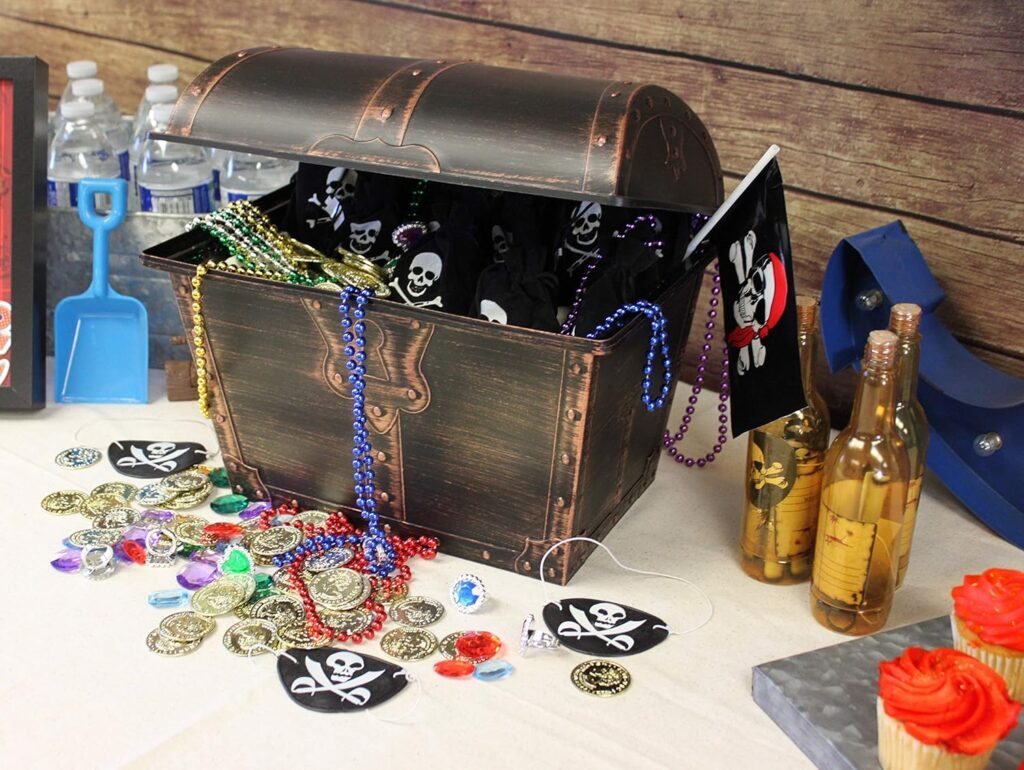
What’s in the Box?
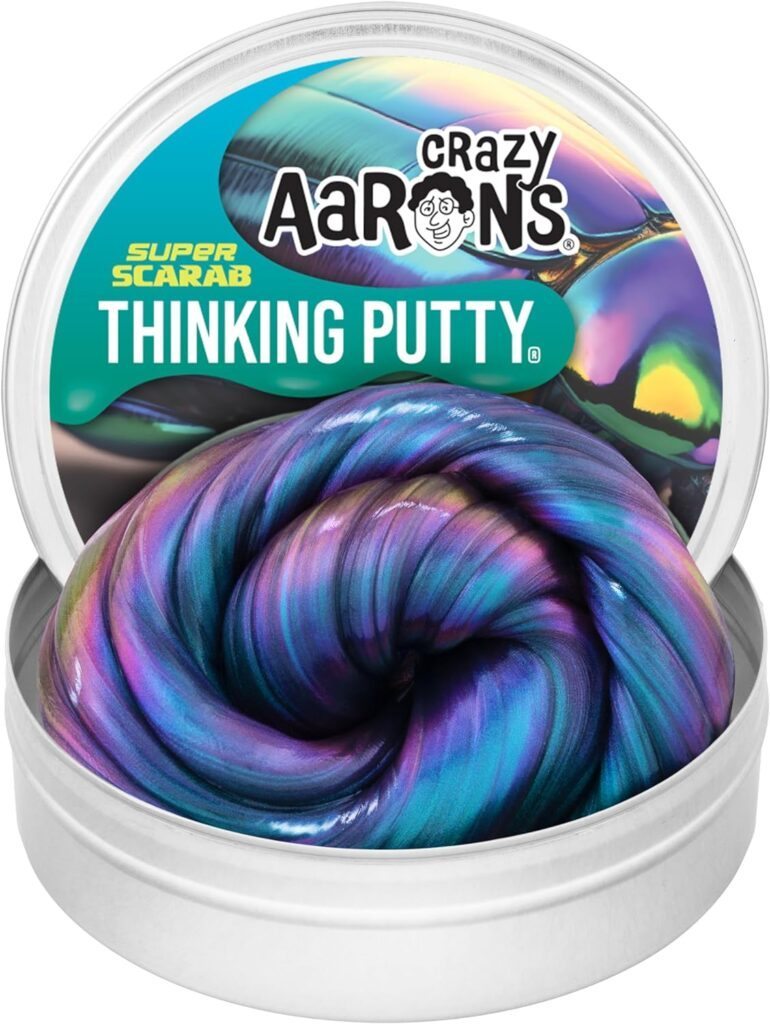
Get ready for a sensory adventure with cardboard box, various textured items (like cotton balls, sandpaper, feathers, slime, or anything children will have fun touching.

Cut several small holes in the top of the cardboard box. Place a different item inside each hole, ensuring your child can’t see what’s inside. Have children to guess the items. Have fun and you can even create prize for a winner.

Decorate Own Cupcake
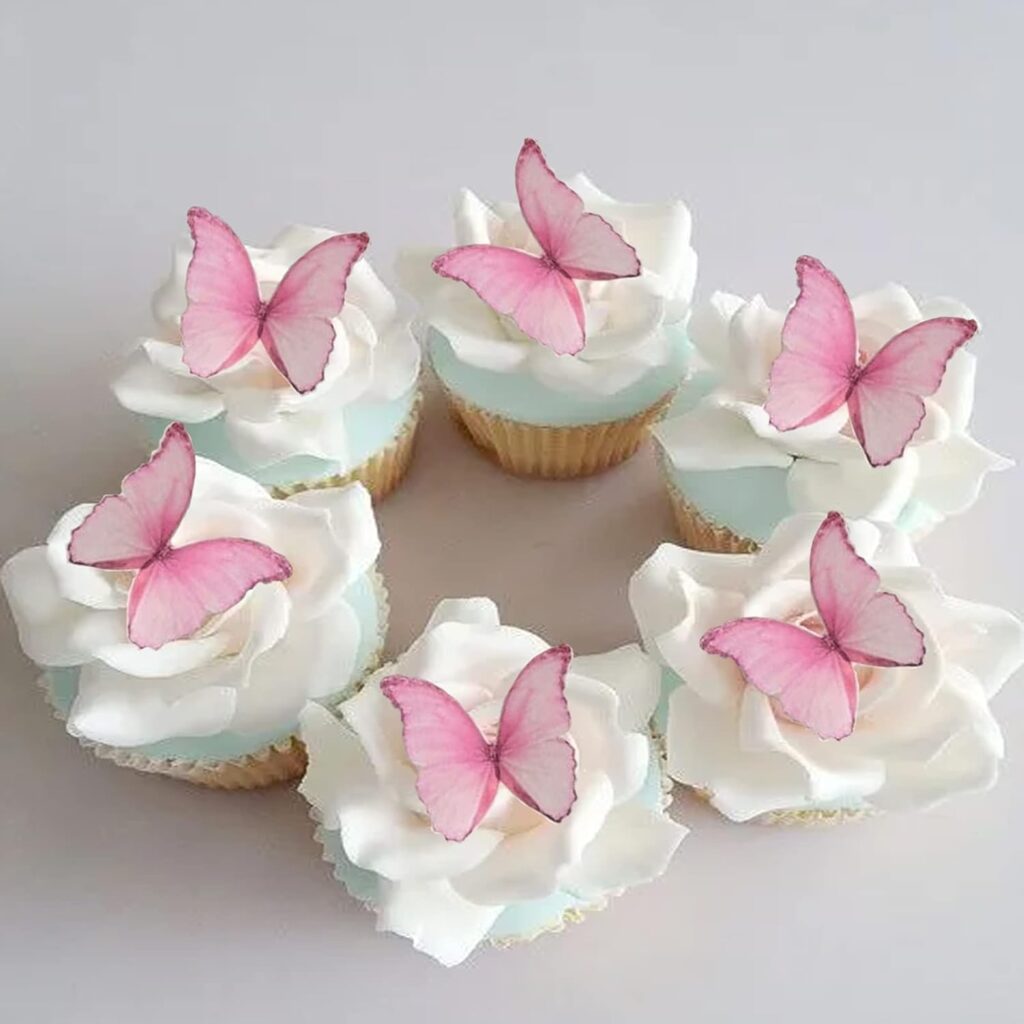
Set up a cupcake decorating station. Bake a variety of cupcakes in advance and arrange a spread of colorful frosting in different piping bags or bowls. Provide a selection of toppings like sprinkles, edible glitter, mini marshmallows, chocolate chips, fruits, or edible butterflies or other edible decoration. Let the kids unleash their creativity.

Donut on String

Tie donuts (Consider gluten free donuts as children have a lot of allergies) with a hole to a same length strings and hung them on a stick. The challenge? Eat your donut without using your hands! Watch as children twist and turn, trying to get to the donut off the string. Let’s see who has the skills (and the stomach) to be crowned the Donut Champion!

Hide and Seek
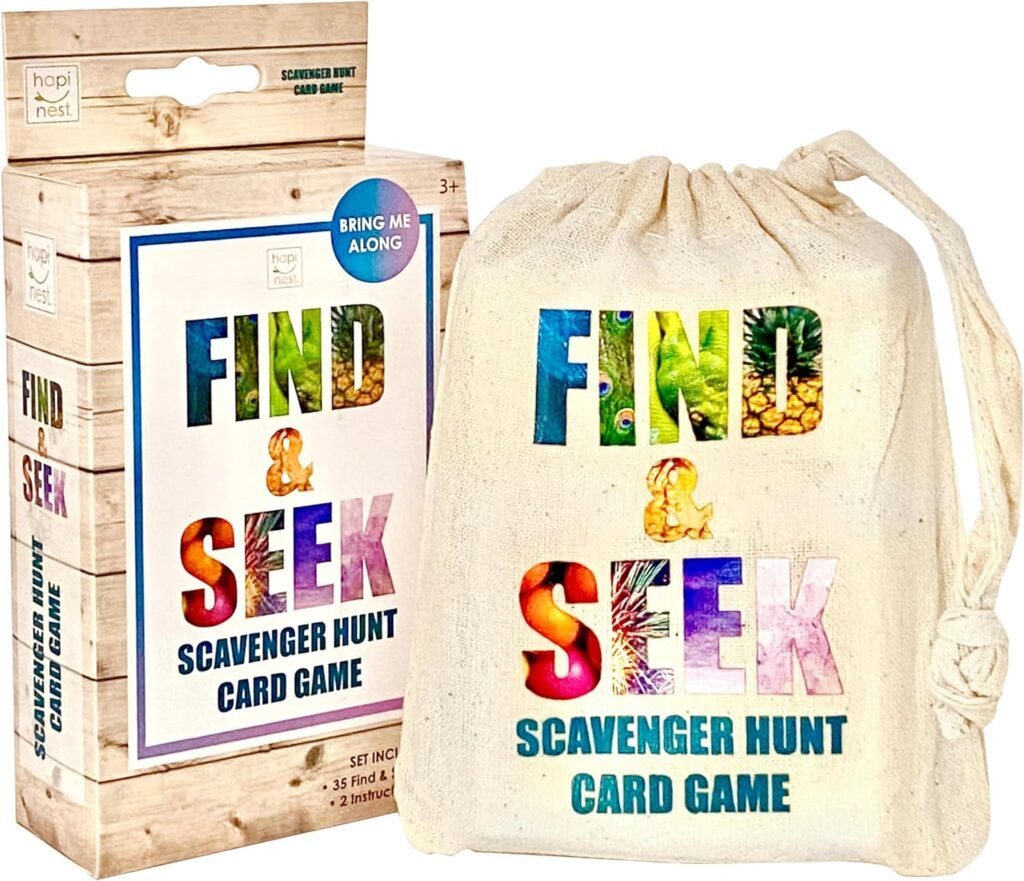
Let’s spice up the classic game of hide and seek! Once a hider is found they become a team seeker. Instead of being out, they team up with the original seeker to find the remaining players. Think of it as a growing search party! The last person found becomes the next seeker, starting a new round with a fresh team of helpers.

Or Try find and seek game and select cards that can be accomplished to find inside of the house.

Candy Race

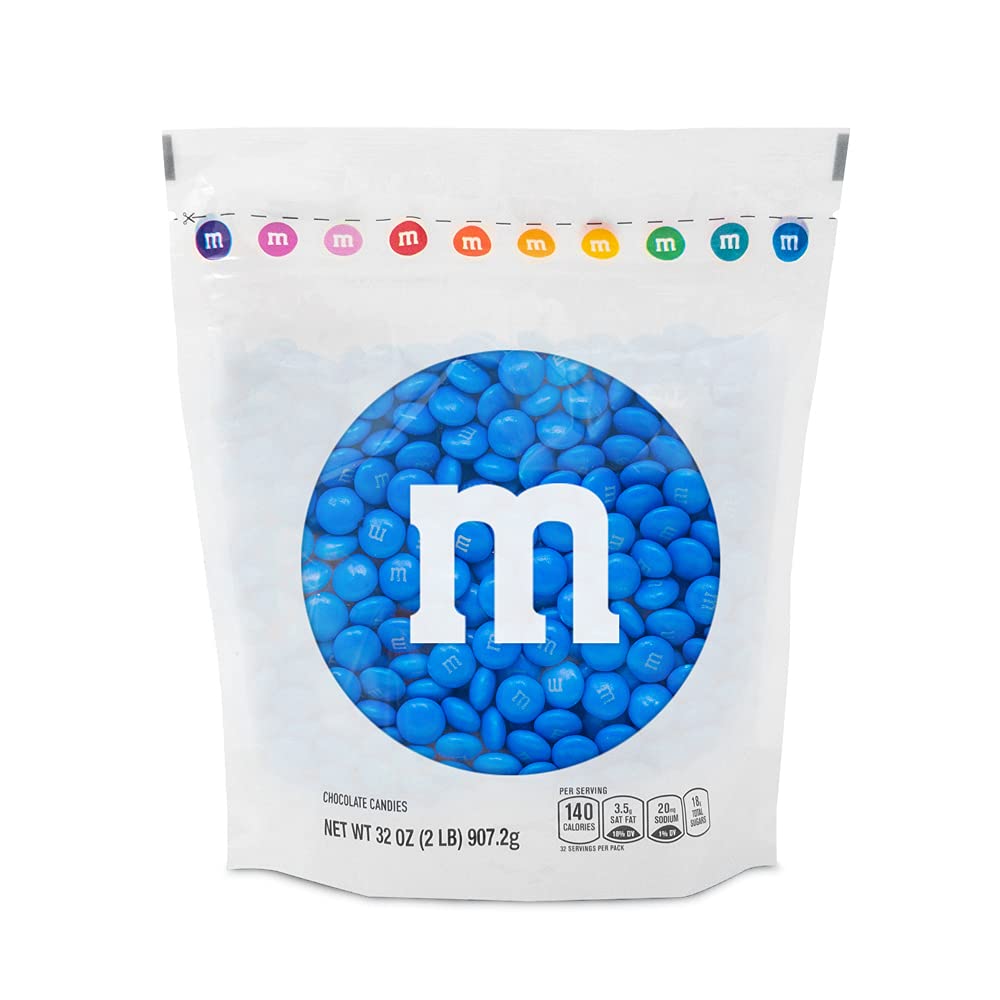
A candy race is a fun and exciting activity for a kids’ party. The race can be set up with different stations, each with a unique candy-related activity. For example, one station could have kids create their own bracelets using colorful candy beads. Another station could have a giant jar of M&Ms, and kids could try to guess how many are inside. The winner of the race is the one who completes all the stations the fastest or with best guesses.

Disclosure: We use affiliate links to earn a small commission. If you choose to purchase something through one of these links, there is no cost to you.

Homepage
Homepage
Posted in GamesTagged activities, games, kids

Baby Games A Playful Path to Development

BABY, PARENTING

From the moment babies can focus, they are sponges, absorbing information about the world around them. Engaging in baby games tailored to their developmental stage not only stimulates their senses but also fosters essential cognitive, motor, and social skills. As babies navigate through a universe of colors, sounds, and textures, they are building the foundation for a lifetime of learning and discovery. Let’s categorize some fun and engaging activities to stimulate your baby’s growth.

Sensory Play

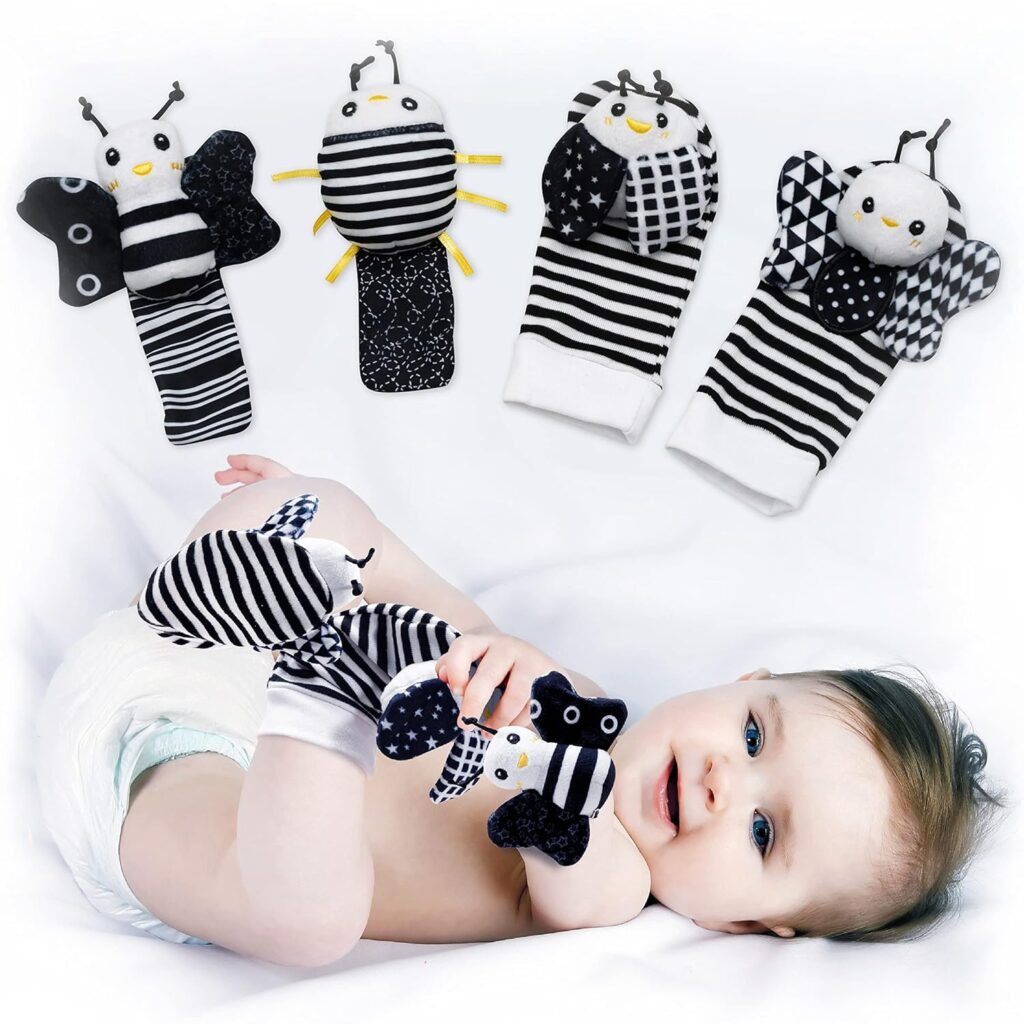
Baby Sock Patterns

  • Tactile exploration: Encourage your baby to explore different textures through touch. Allow babies to discover the wonders of touch, from soft blankets, crinkly paper, silky scarves, and rubber toys can all stimulate a baby’s sense of touch.
  • Visual stimulation: Introduce bright colors and patterns to capture their attention. Spark their curiosity as they focus on different objects. Babies respond well to high-contrast patterns, like black and white stripes or checkerboards.
  • Auditory experiences: Play music, sing songs, and make different sounds. Introduce them to the world of sound, helping them develop language skills and recognize familiar voices. Introduce different types of music, from classical to nursery rhymes.

Physical Development

  • Tummy time: Strengthen neck and core muscles. Encourage your baby to lift their head by placing toys or colorful objects within reach.
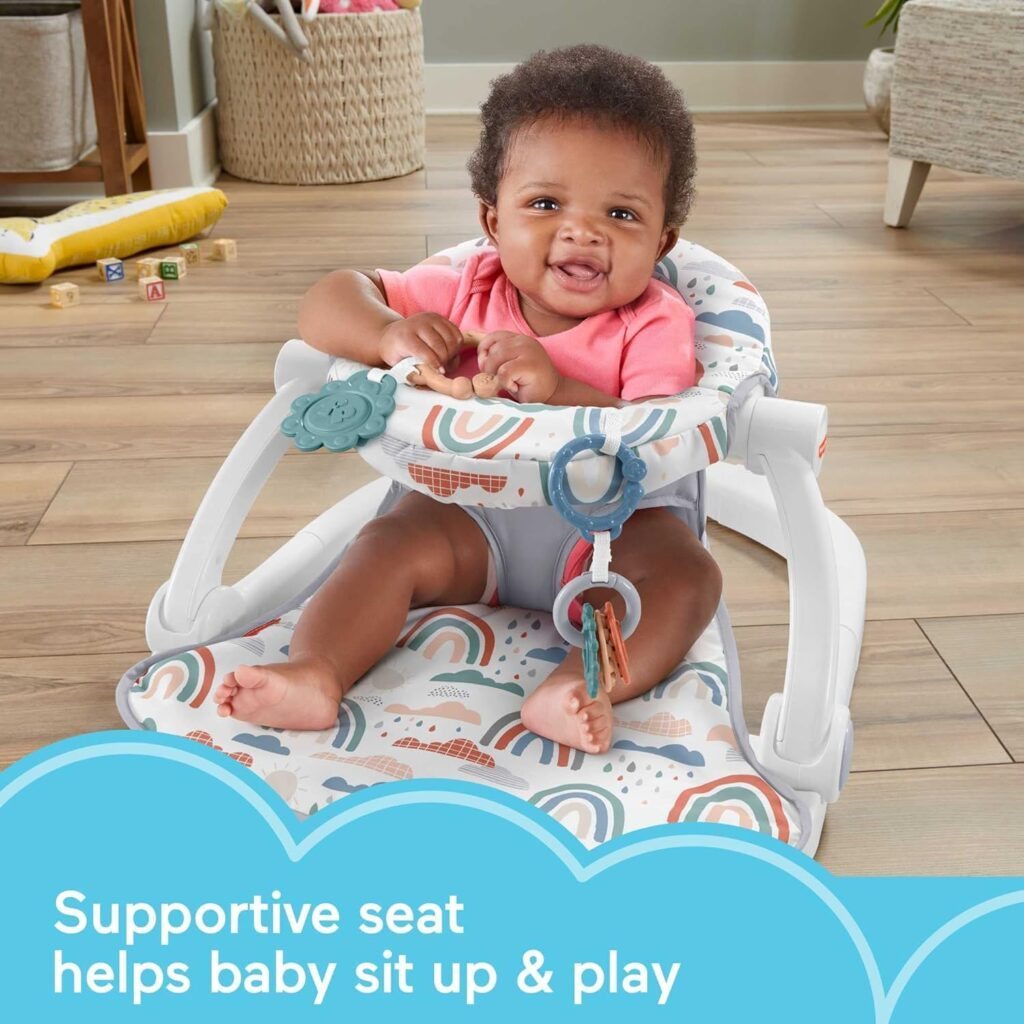
  • Sitting up support: Encourage upright posture and balance. Use pillows or a supportive infant seat to help your baby sit upright while providing support. Add stimulating toys for engagement.
  • Crawling and cruising: Promote mobility and exploration with baby games. Create a simple obstacle course with pillows or blankets to challenge your baby’s crawling skills.

Baby Seat

Cognitive Development

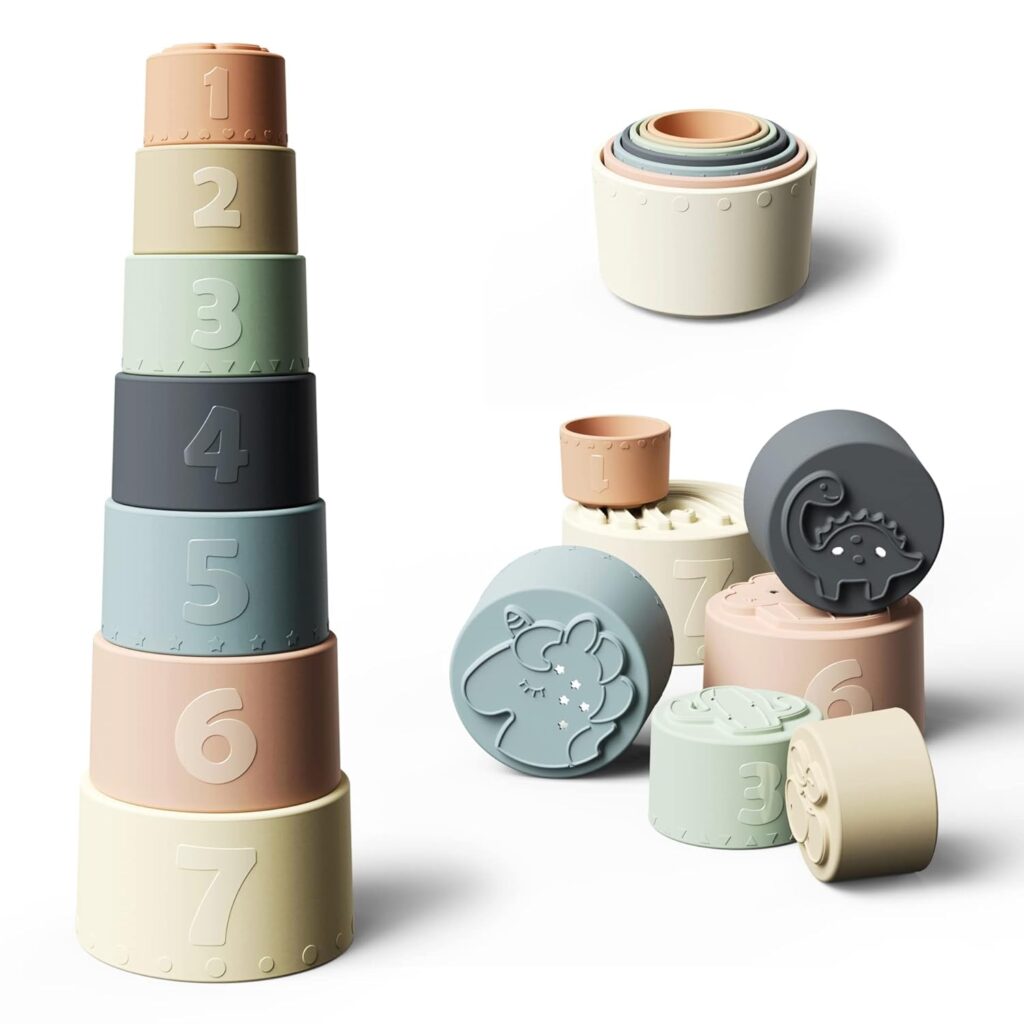
Stacking Blocks

  • Object permanence: Teach your baby that objects still exist even when hidden. Hide a toy under a blanket or in a box and encourage your baby to find it.
  • Cause and effect: Show how actions lead to reactions. Show your baby how to make a toy squeak, move, or roll.
  • Problem-solving: Encourage your baby to figure things out independently. Provide stacking cups for your baby to experiment with building and knocking down.

Social and Emotional Development

  • Peek-a-boo: Foster social interaction and emotional connection. Let your baby take turns covering their own face or hiding behind a blanket.
  • Imitation games: Encourage emotional development and bonding. Clap, wave, or blow kisses and encourage your baby to copy you.
  • Turn-taking: Introduce the concept of sharing and waiting. Passing toys: Take turns passing a toy back and forth.

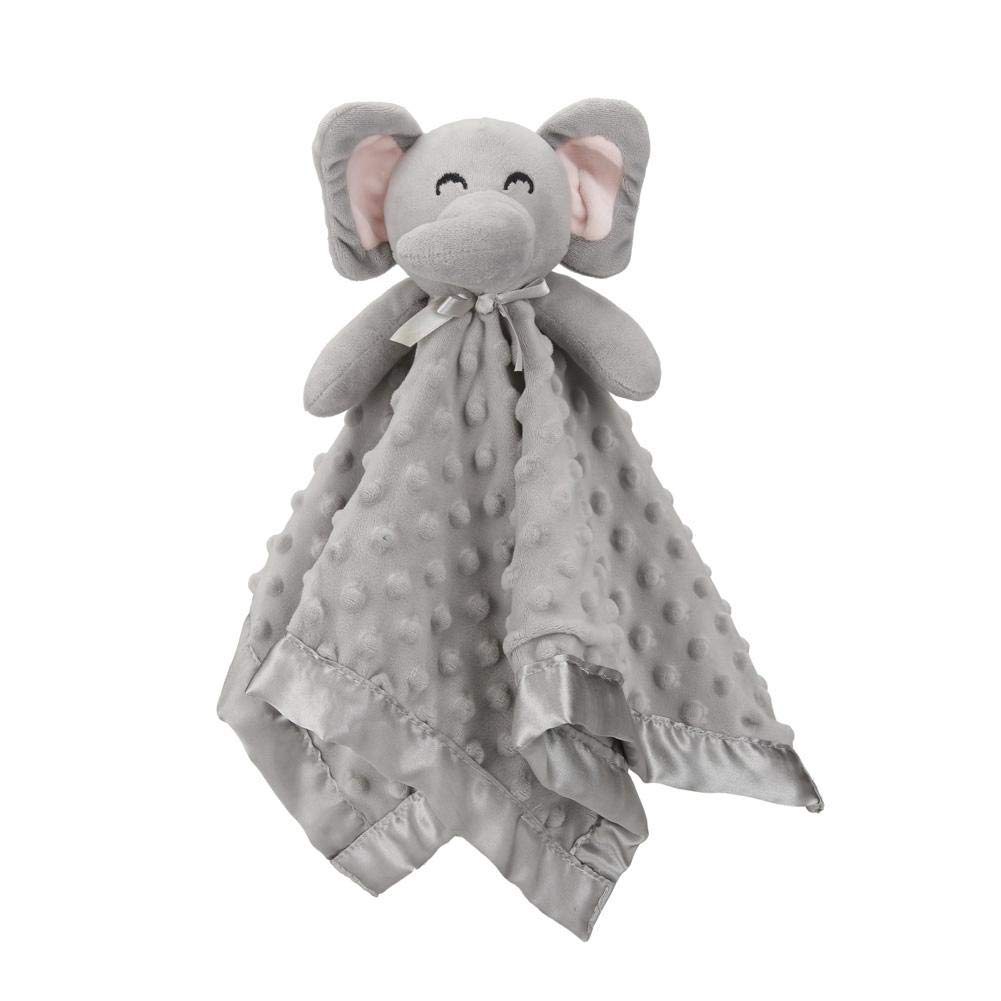
Baby lovie

Tactile Play

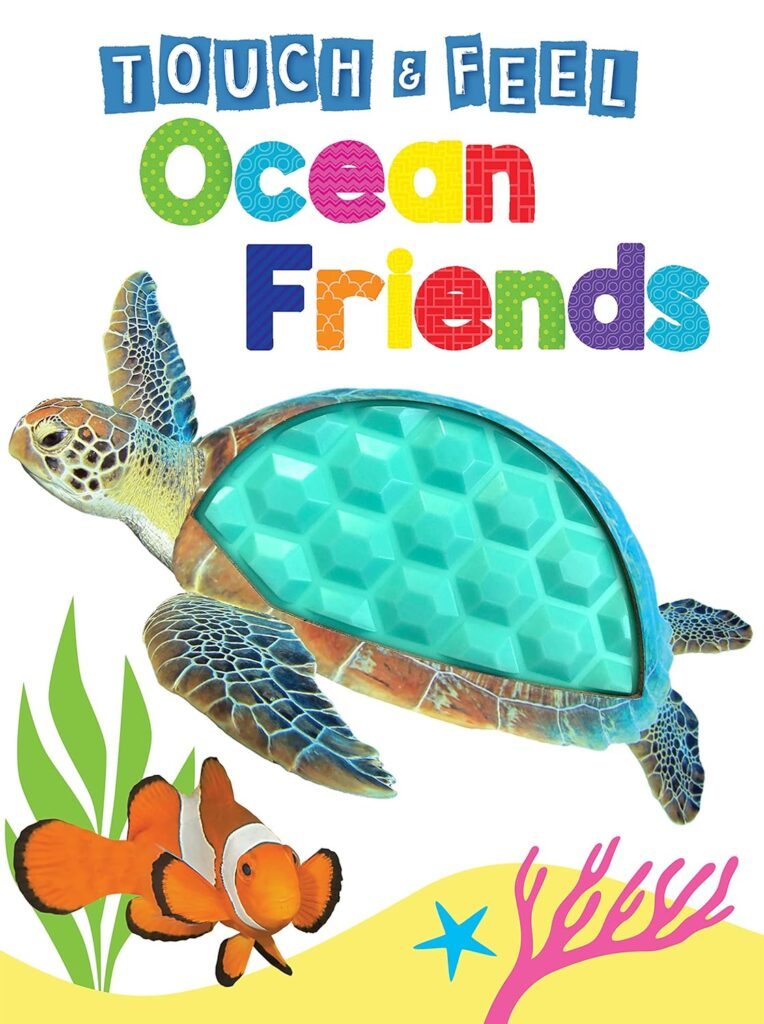
Touch and Feel Book

  • Touch and feel books: fabrics, rubbery surface, and silky ribbons. Allow your baby to explore various textures with their hands.
  • Water play: Introduce your baby to water play safely in a bathtub or with water toys. Show your baby how splashing, pouring, and sinking toys create different effects.
  • Messy play: Let your baby explore different substances like oatmeal, pudding, or shaving cream. You can put it on their tray and let them explore.

Visual Stimulation

  • Black and white cards: Use high-contrast cards for newborns to stimulate vision. Talk to your baby about what you’re doing and point out the different shapes and patterns.
  • Colorful toys: Introduce bright colors to capture your baby’s attention. Name the colors and have baby engage with the toy.
  • Light play: Shine a flashlight on different objects to create shadows and patterns.

Black and White Cards

Auditory Experiences

  • Music and songs: Sing lullabies, nursery rhymes, and play different types of music.
  • Sound toys: Introduce rattles, bells, and other noise-making toys.
  • Nature sounds: Play recordings of birds, rain, or ocean waves.

As your baby grows and develops, playtime becomes an increasingly important part of their learning journey. Engaging in interactive baby games not only stimulates their senses and motor skills but also fosters cognitive development, emotional bonding, and social skills.

Disclosure: We use affiliate links to earn a small commission. If you choose to purchase something through one of these links, there is no cost to you. 

Homepage
Homepage
Posted in Baby, ParentingTagged baby, games, parenting

Best Fidget Toys for Focus and Calm

GAMES

Fidget toys have become increasingly popular as tools to help people improve focus, reduce stress, and manage anxiety. These small devices provide an outlet for nervous energy, allowing the mind to concentrate better. Let’s explore some of the best options available.

Types of Fidget Toys

Fidget toys come in a variety of shapes, sizes, and textures. Here are a few popular categories:

Handheld fidgets:

These are small objects designed to be manipulated with the hands. Examples include stress balls, fidget cubes, and spinners. Fidgets provide tactile sensory experiences for children. These small, portable toys offer a calming and engaging outlet for young minds. By manipulating various textures and shapes, kids can focus attention, reduce anxiety, and enhance fine motor skills.

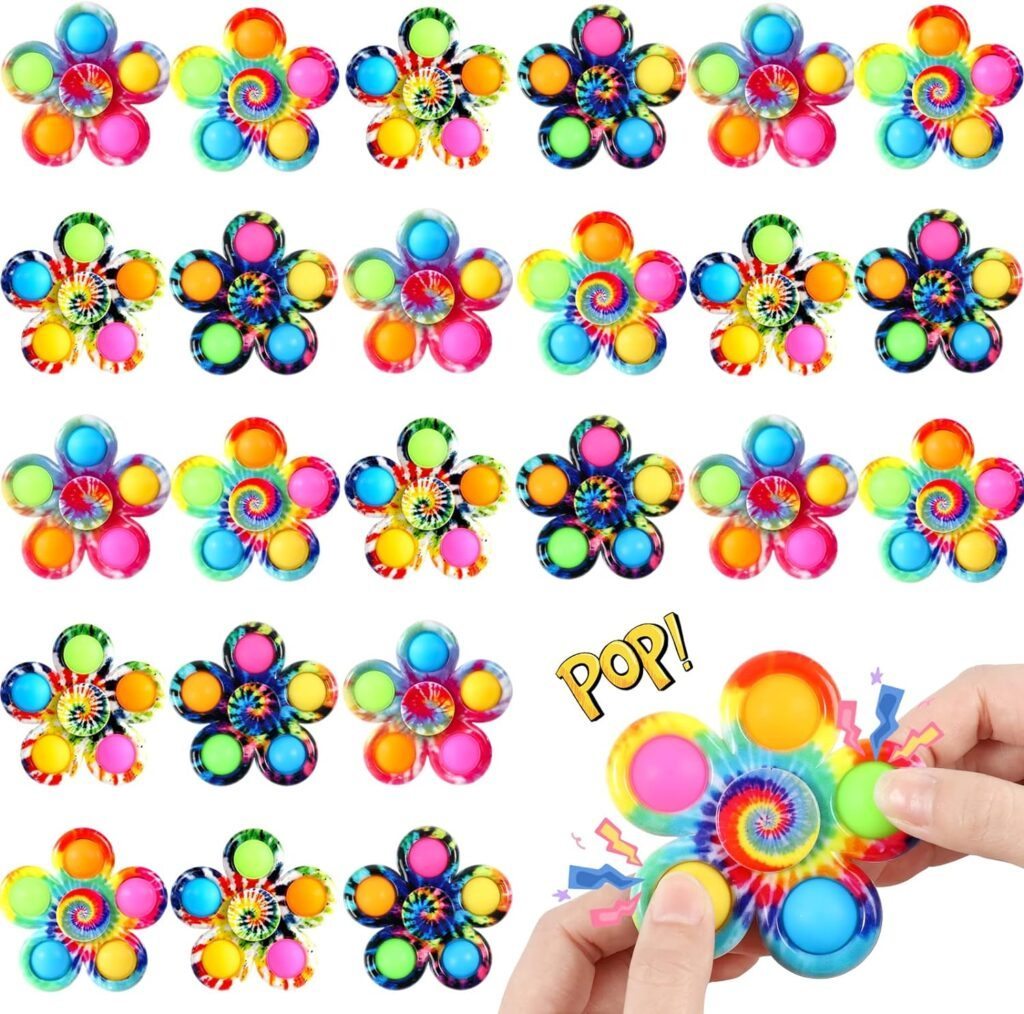
Press Bubble

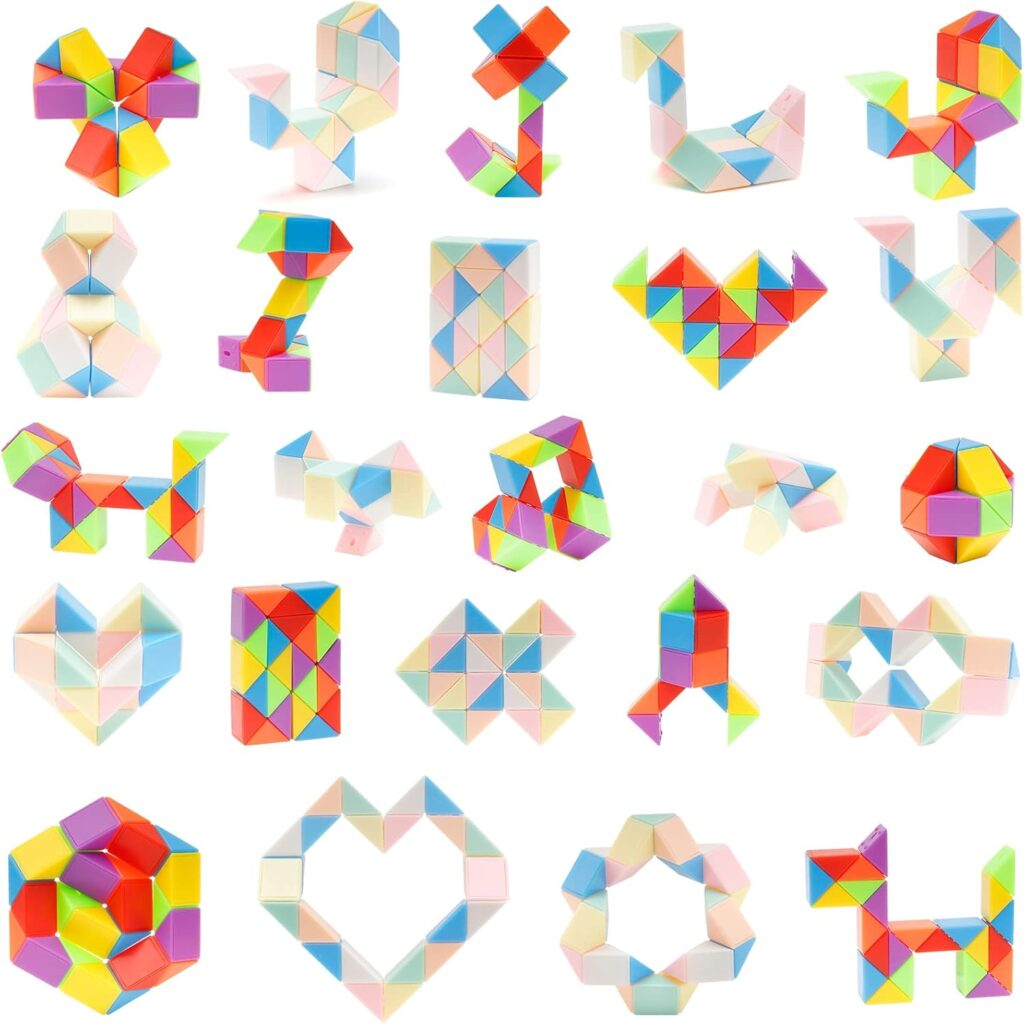
Cubes

Spinner

Sensory fidgets:

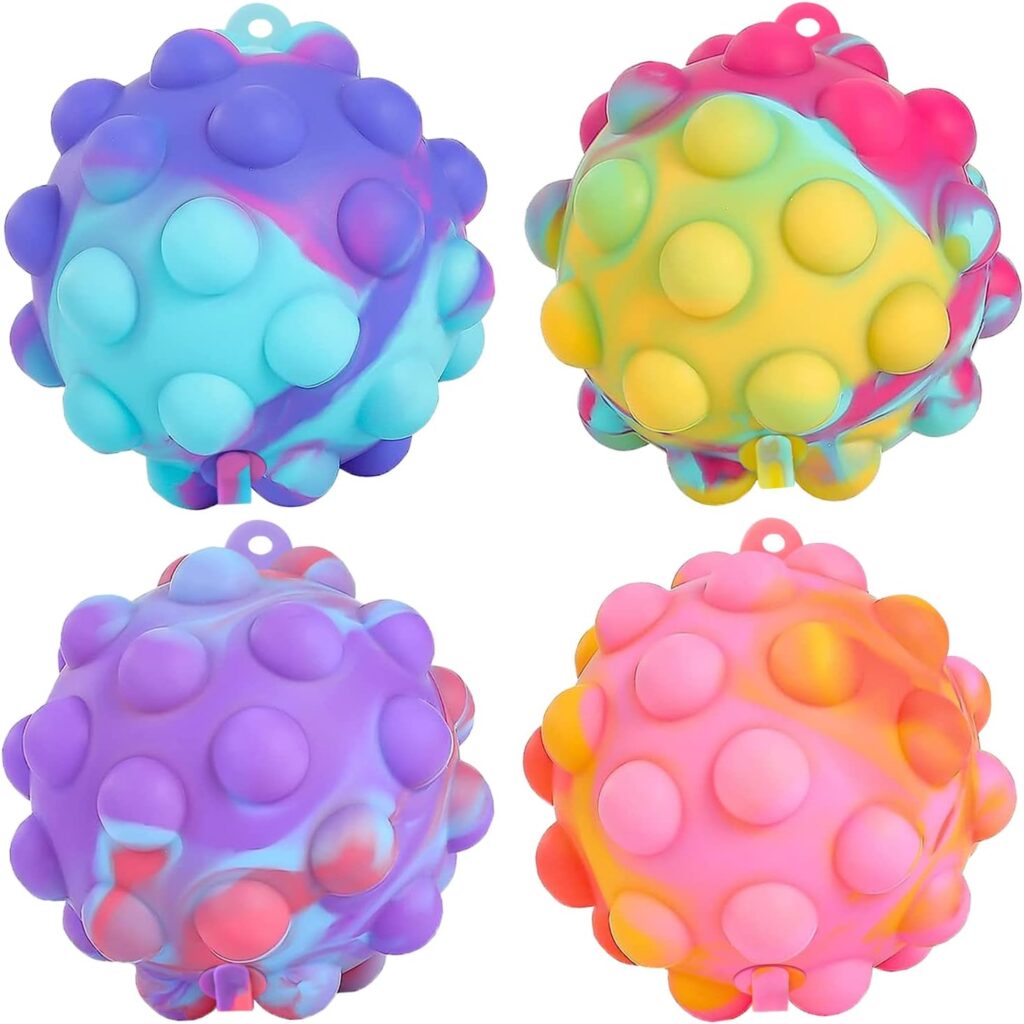
These toys focus on providing sensory stimulation. Think slime, putty, or textured balls. Fidgets offer a fun and calming experience for kids. Designed to engage the senses, these toys can help children focus, reduce anxiety, and develop fine motor skills. Whether it’s the squishy feel of slime, the bright colors of a fidget spinner, or the calming sounds of a liquid timer, sensory fidgets provide a stimulating and enjoyable way to stay engaged.

Fidget Balls

Stringy Balls

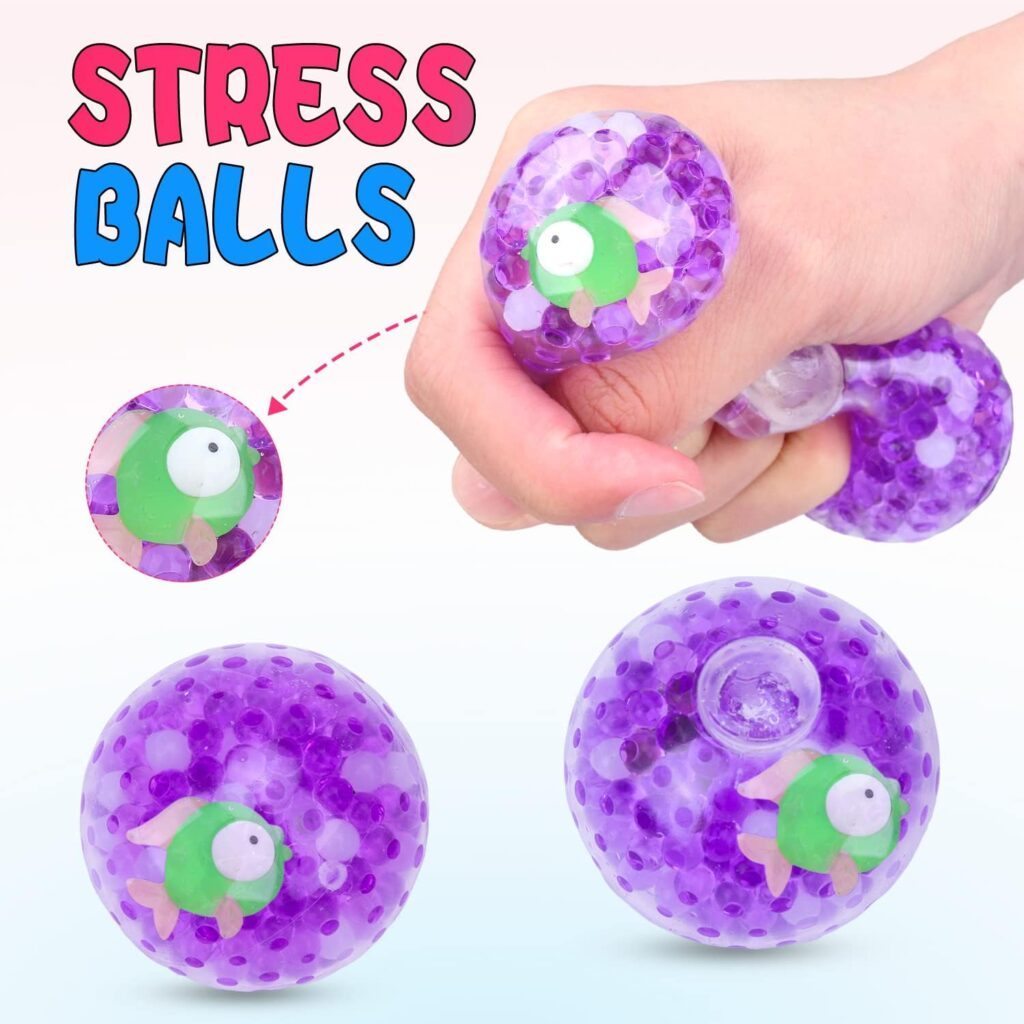
Stress Balls

Other fidgets:

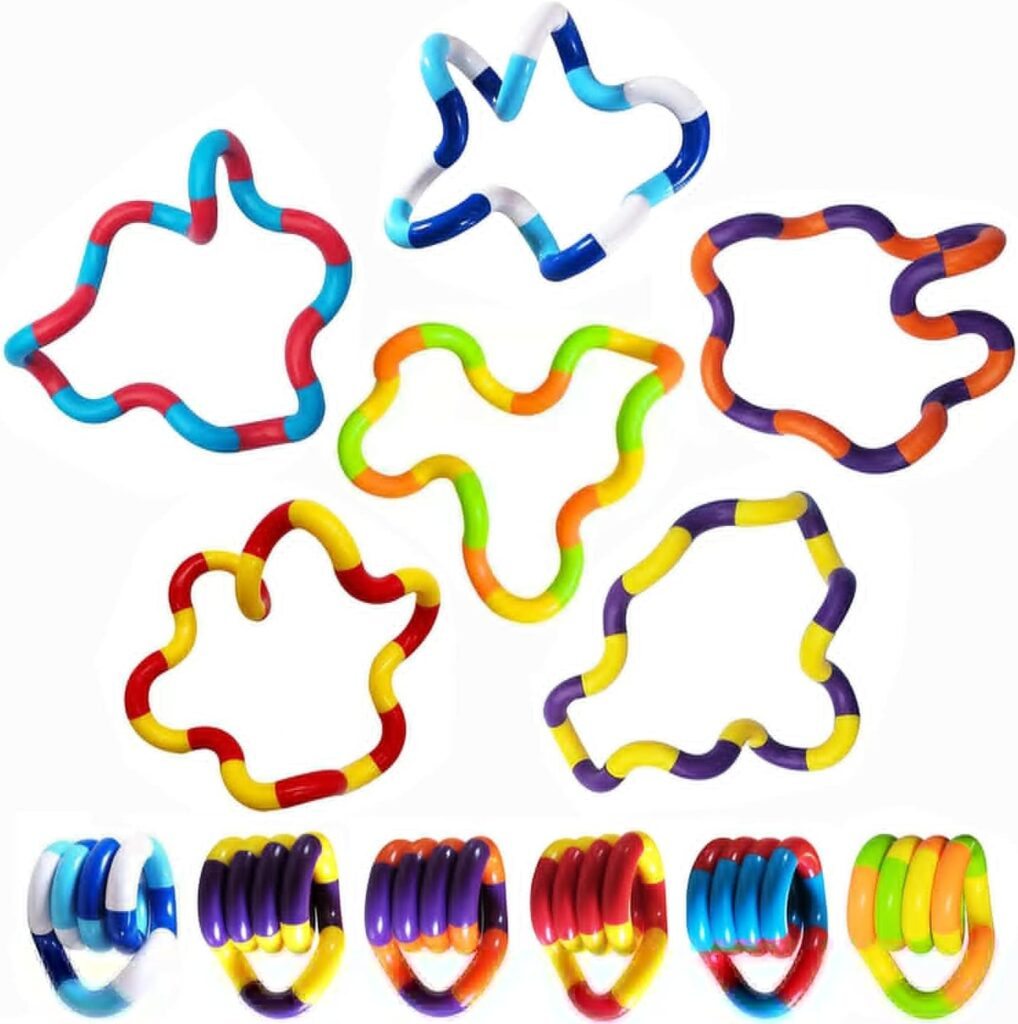
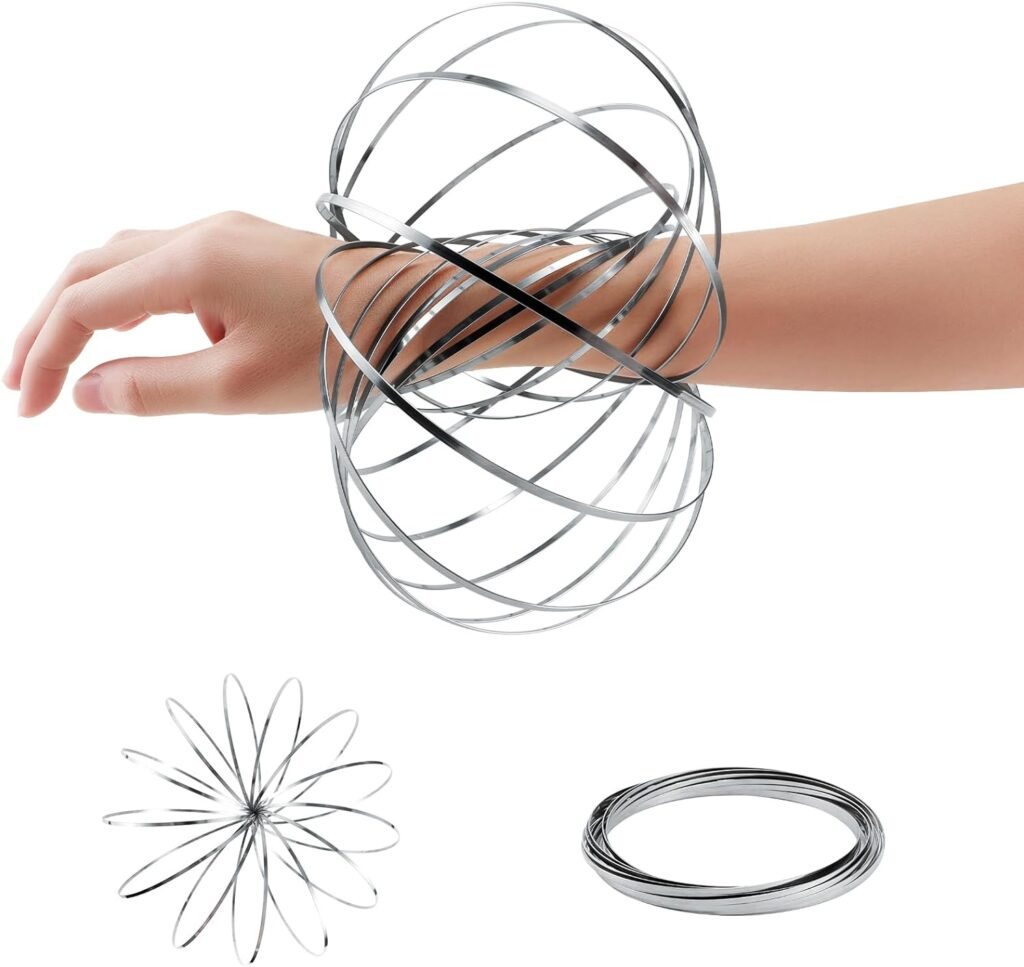
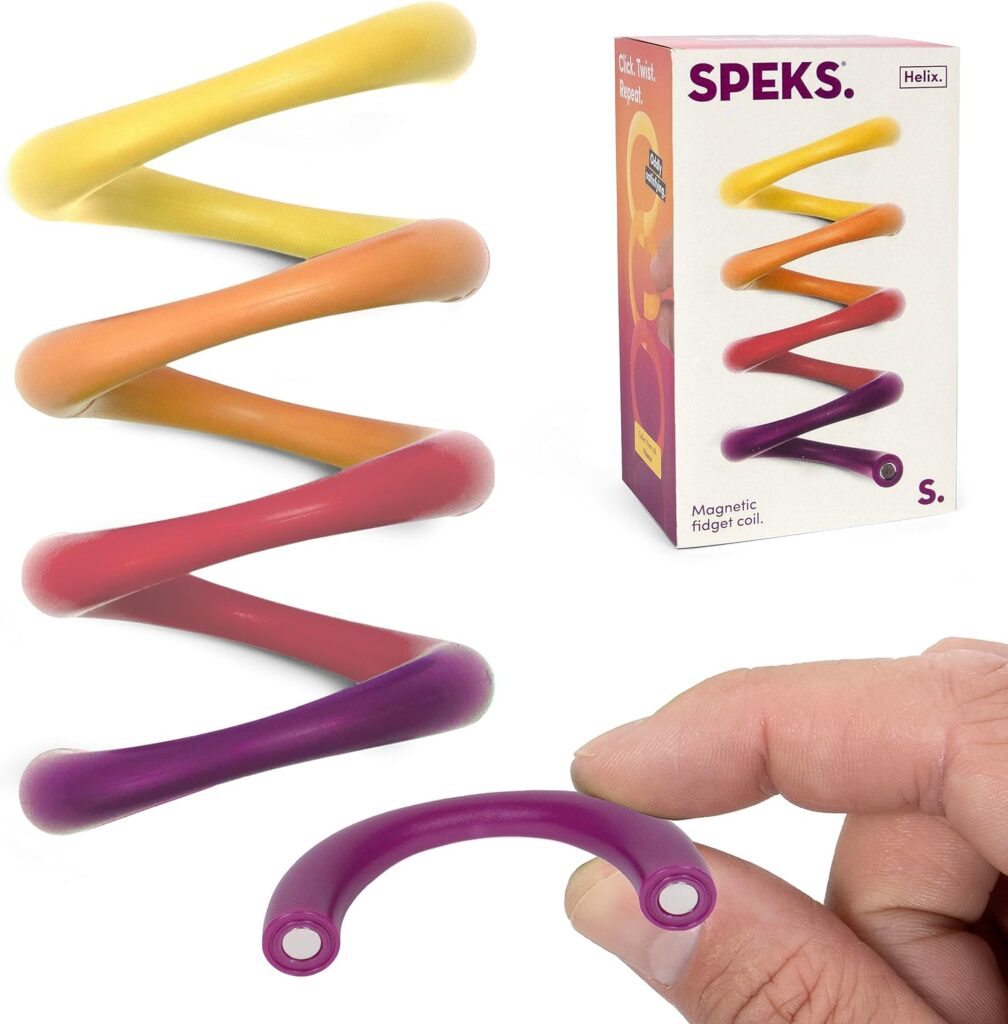
Any other sensory fidgets that you should know about. Other fidget toys offer a diverse range of options for kids. From desk-sized distractions like pop-its and infinity cubes to wearable fidgets like bracelets and necklaces, these toys provide endless entertainment and sensory stimulation. These options often incorporate educational elements, such as number or letter puzzles, making them both fun and beneficial for child development.

Tangles Sensory

Kinetic Spring

Spiral

Top Fidget Toy Picks

  1. Fidget Cubes: With multiple sides offering different sensory experiences, from clicking buttons to rolling spheres, fidget cubes are a versatile choice.
  2. Stress Balls: Squeezing a stress ball can help release tension and reduce anxiety.
  3. Infinity Cubes: These mesmerizing toys offer endless twisting and turning possibilities.
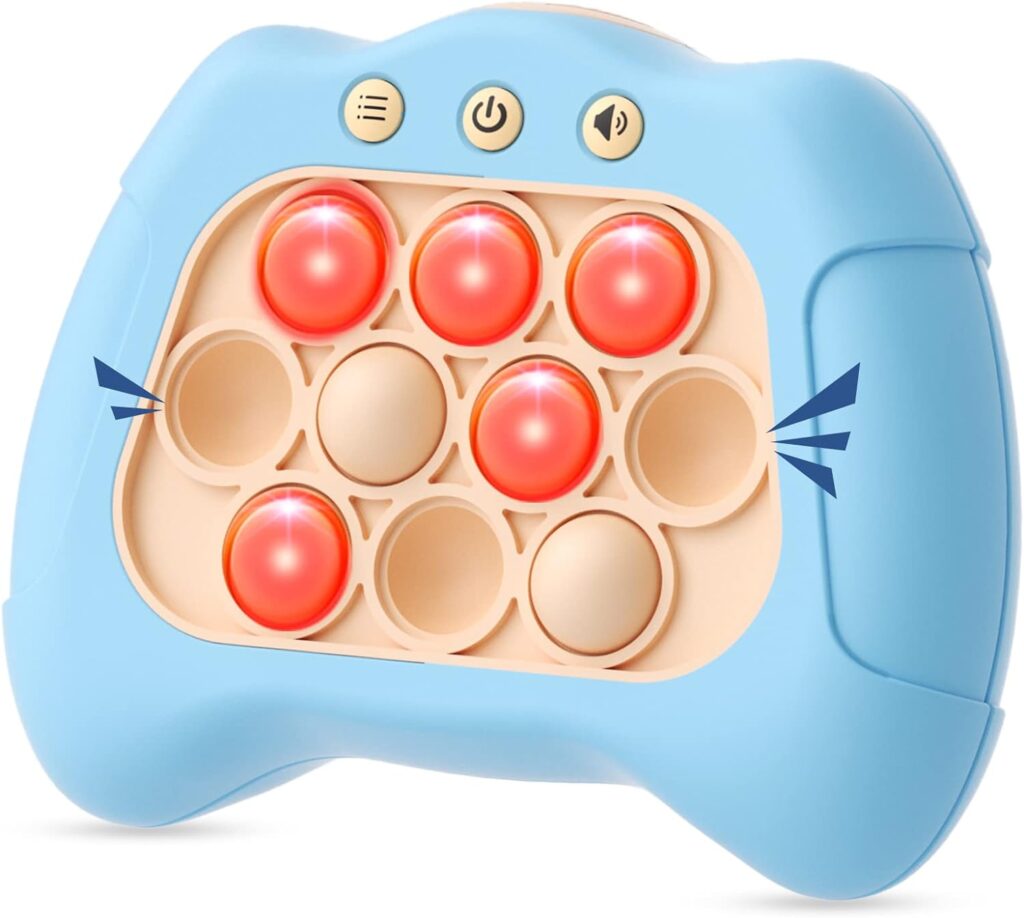
  4. Pop-its: The satisfying popping sensation can be incredibly calming and focus-inducing.
  5. Sensory Putty: This malleable material provides tactile stimulation and can help reduce stress.

Tips for Choosing the Right Fidget Toy

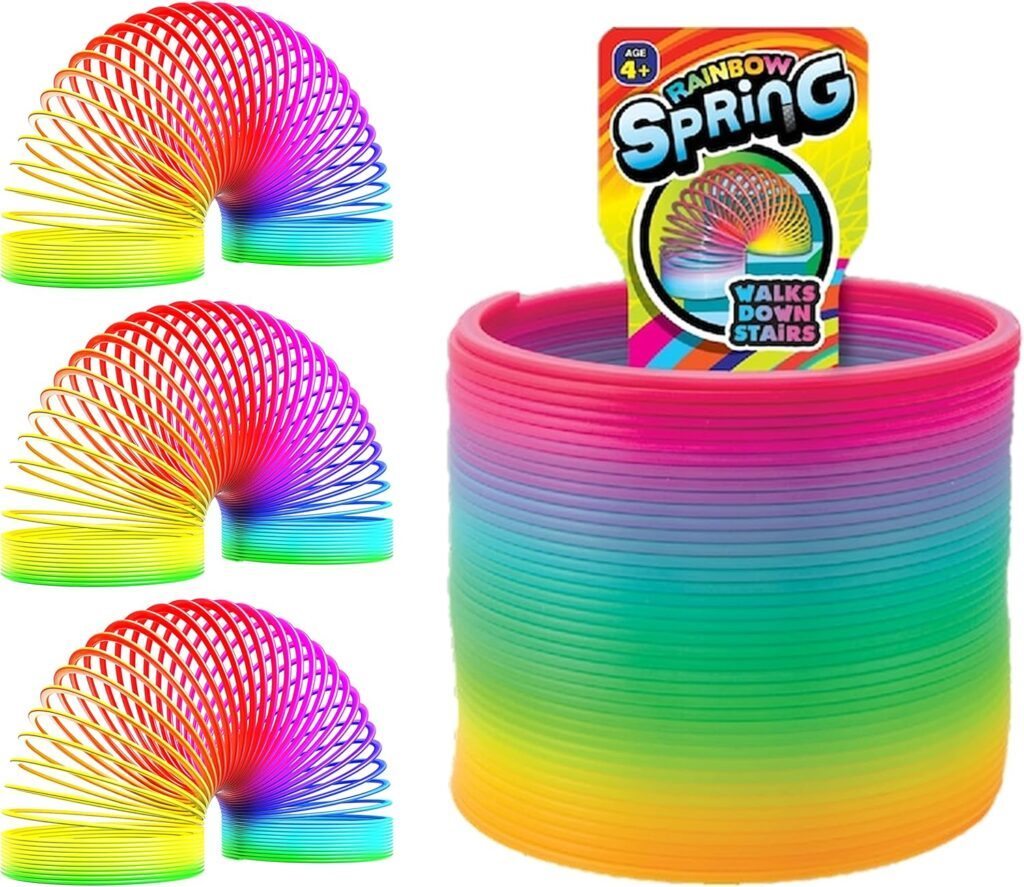
Spring

  • Consider the Child’s needs: Are you looking for a fidget toy to improve focus, reduce anxiety, or provide sensory stimulation? Different toys cater to different needs.
  • Prioritize safety: Ensure the fidget toy is age-appropriate and free from choking hazards.
  • Experiment with different options: There’s no one-size-fits-all fidget toy. Try various types to find what works best.

Disclosure: We use affiliate links to earn a small commission. If you choose to purchase something through one of these links, there is no cost to you.
Homepage
Homepage
Posted in GamesTagged games, kids, toys

Educational Activities for Kids

PARENTING

Spark Curiosity and Learning: Fun Educational Activities for Kids! Here are some ideas to ignite their curiosity and turn everyday moments into educational adventures:! Looking for ways to make learning fun and engaging for your kids? Here are some ideas to ignite their curiosity and turn everyday moments into educational adventures:

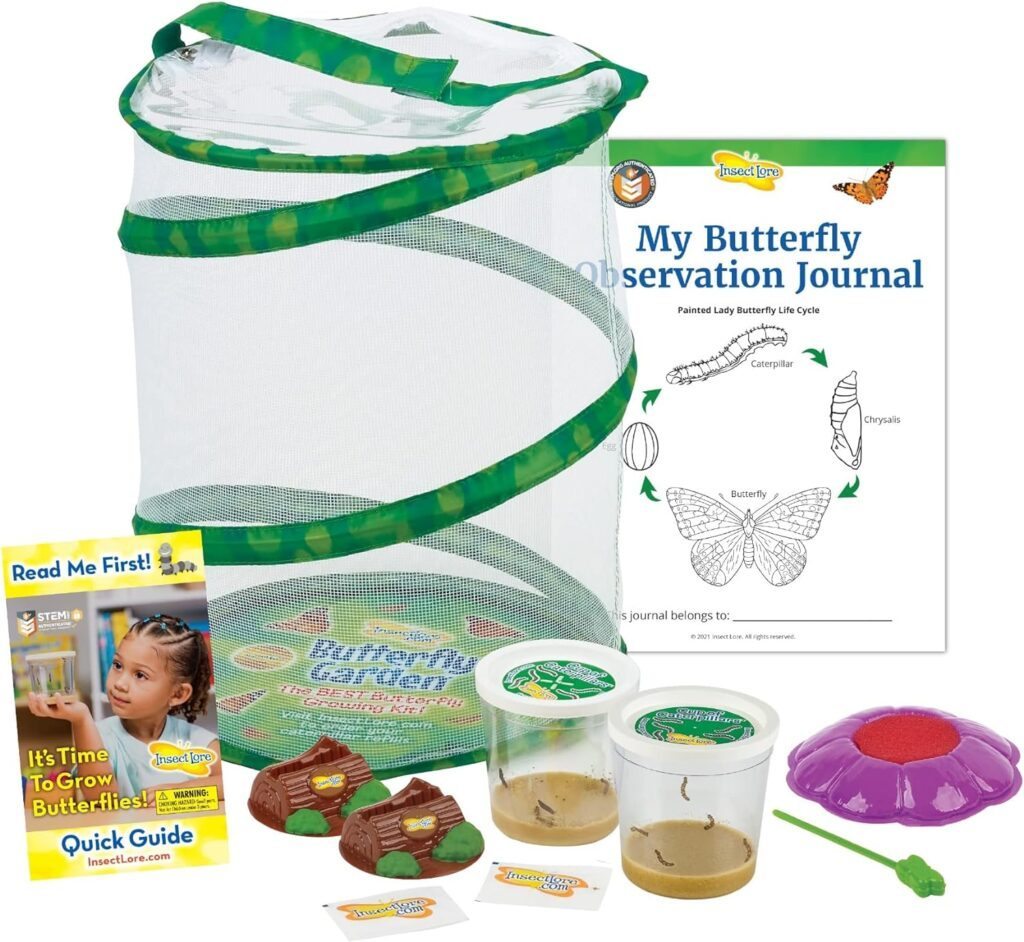
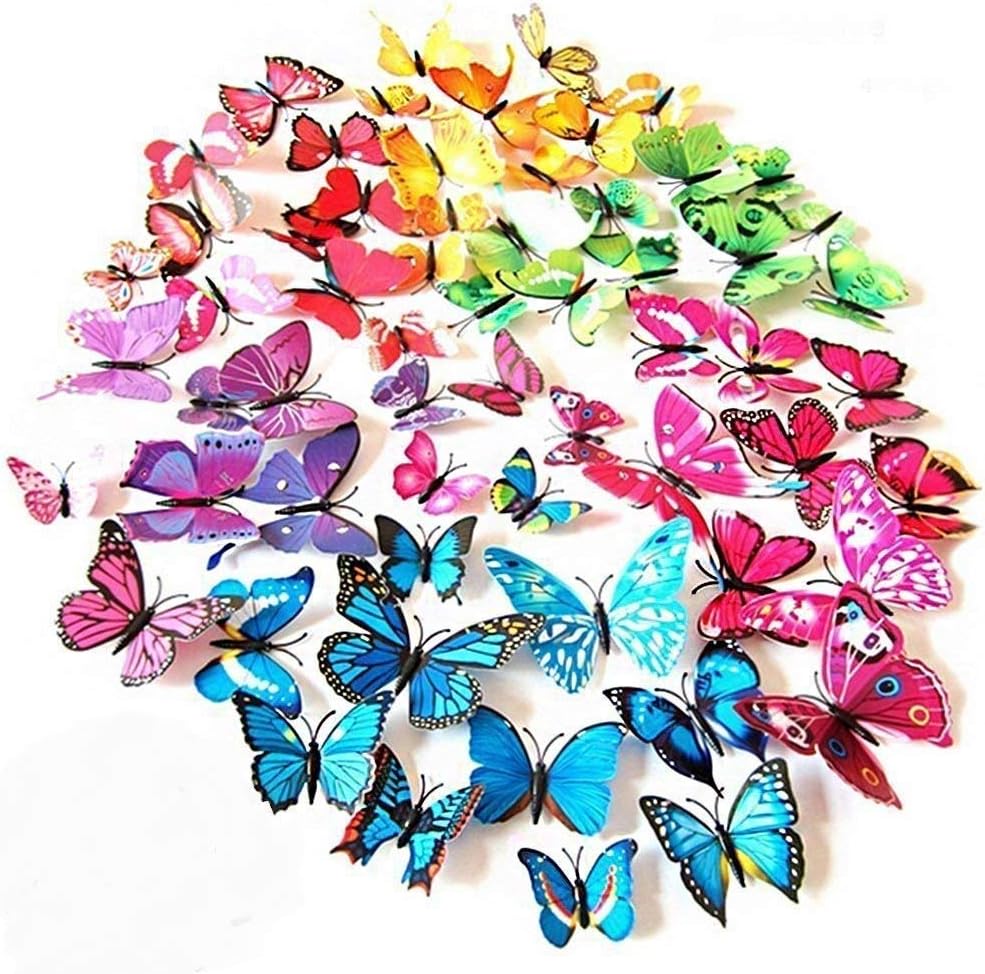
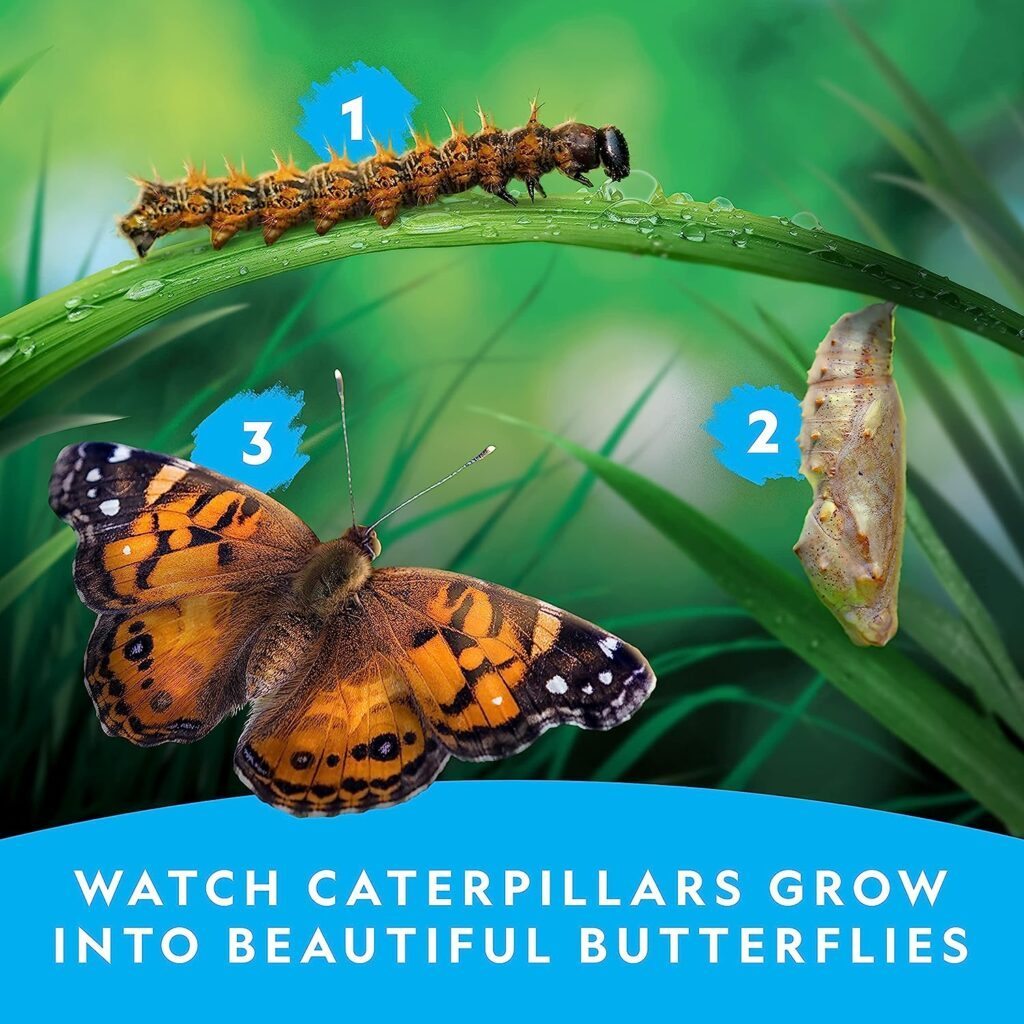
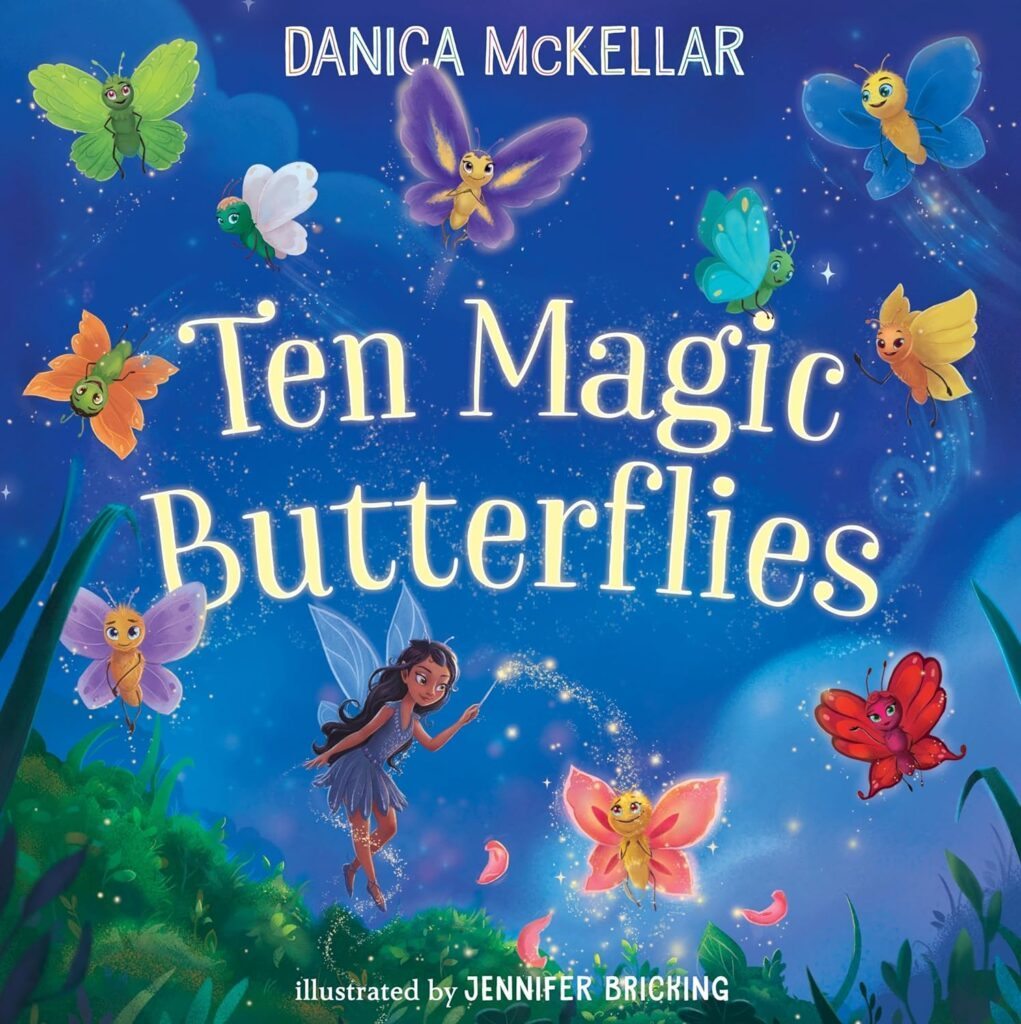
I love to start with a topic that children love. For example, butterflies. You can create a whole set of activities about it. Let’s explore how we can transform this fascination into a fun and educational experience. This can be adjust to any age group and create Fun Educational Activities for Kids:

Butterfly Garden

Math with Butterflies

3D Butterflies

  • Counting Wings: How many wings does a butterfly have? Let’s count them together!
  • Patterning Fun: Create butterfly-themed patterns using colors, shapes, or even numbers.
  • Graphing Butterflies: Collect data on favorite butterfly colors or types and create bar graphs.
  • Measurement Mania: Measure the wingspan of different butterfly species or the distance they fly.

Science with Butterflies

  • Life Cycle Exploration: Learn about the amazing transformation from egg to butterfly.
  • Habitat Study: Discover the plants that butterflies love and create a butterfly garden.
  • Observation Skills: Watch butterflies in action and observe their behaviors.
  • Anatomy Fun: Learn about the different parts of a butterfly’s body.

Science with Butterflies

Let’s Expand Our Butterfly Adventures!

Language Arts with Butterflies

10 Magic Butterflies

  • Storytelling: Create imaginative tales featuring butterflies as main characters.
  • Poetry: Write poems about the beauty and wonder of butterflies.
  • Vocabulary Building: Learn new words related to butterflies and their life cycle.
  • Creative Writing: Write descriptive paragraphs or essays about butterflies.

Art with Butterflies

  • Drawing and Painting: Create colorful butterfly artwork.
  • Crafts: Make butterfly-themed crafts using various materials.
  • Symmetry Exploration: Learn about symmetry through butterfly wing patterns.
  • Color Theory: Explore color combinations found in butterfly wings.

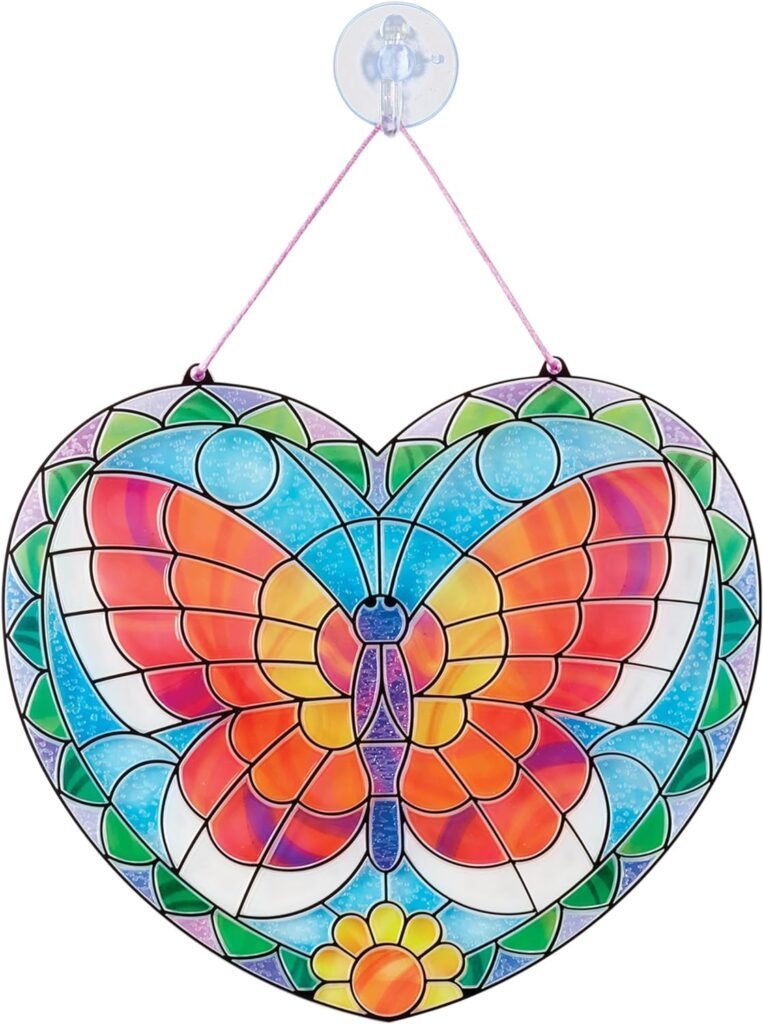
Window Art

Social Studies with Butterflies

Find on Amazon

  • Cultural Connections: Research butterflies in different cultures and traditions.
  • Environmental Awareness: Learn about butterfly habitats and conservation efforts.
  • Geography: Explore where different butterfly species live around the world.
  • History: Discover how butterflies have been studied and documented throughout history.

Physical Education with Butterflies

  • Movement and Imitation: Mimic the graceful movements of a butterfly.
  • Outdoor Exploration: Go on a butterfly-watching hike or nature walk.
  • Dance: Show your butterfly dance
  • Games: Create butterfly-themed games and activities.

Butterfly wings

More Ideas for Educational Activities for kids

Adjust these ideas to your topic needs:

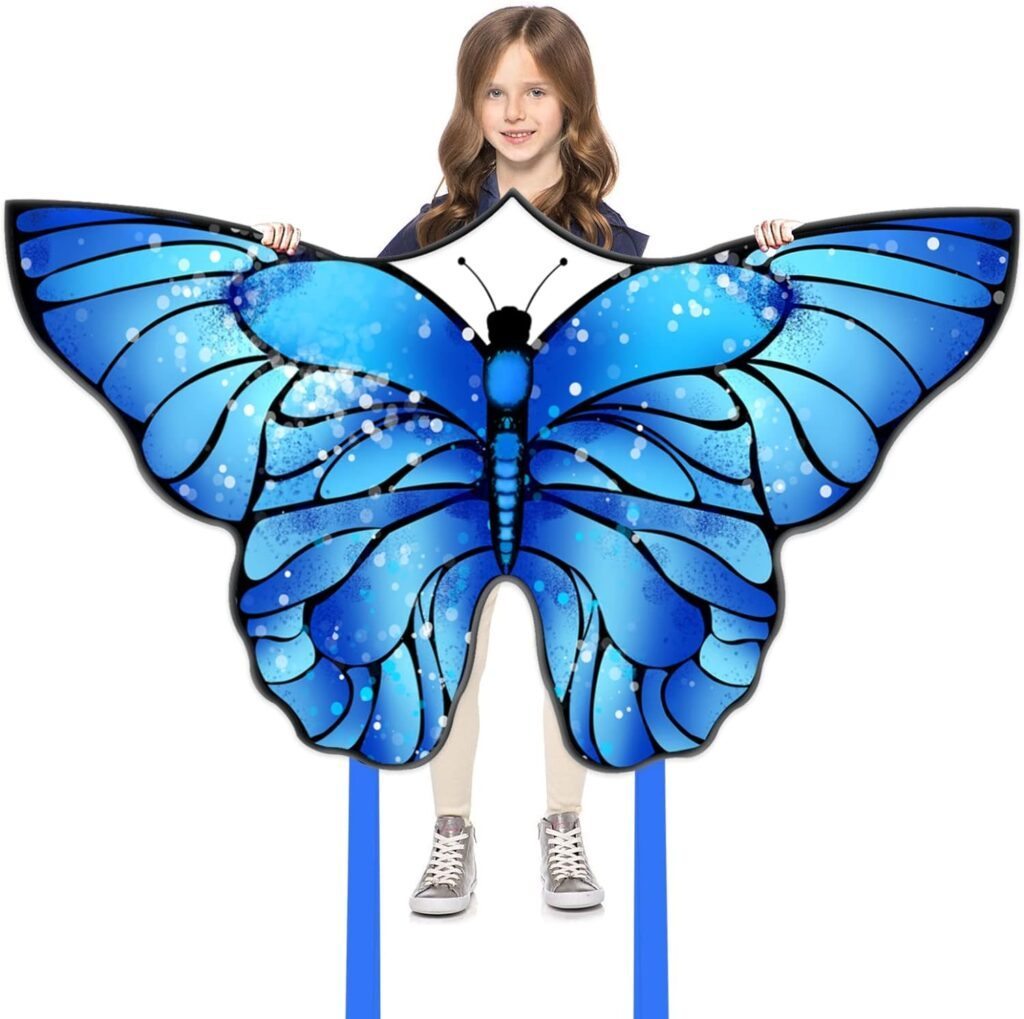
Butterfly Kite

  • DIY Slime Lab: Experiment with different ingredients to create colorful, squishy slime! Explore concepts like texture, viscosity, and chemical reactions.
  • Nature Scavenger Hunt: Head outdoors and create a list of natural treasures to find. Look for different leaf shapes, colorful rocks, or interesting bugs.
  • Museum Adventures: Turn your visit to a museum into an interactive game. Let them find specific exhibits, create scavenger hunt lists, or have them draw their favorite pieces.
  • Themed Obstacle Courses: Build an indoor or outdoor obstacle course with pillows, chairs, and blankets. Assign tasks like crawling, jumping, or balancing to make it educational and fun.
  • Board Game Bonanza: Classic board games can teach counting, strategy, and taking turns. Choose games based on their age and interests.
  • Turn Errands into Adventures: Incorporate learning into everyday tasks. Count groceries at the store, identify traffic signs on car rides, or talk about the weather and seasons.

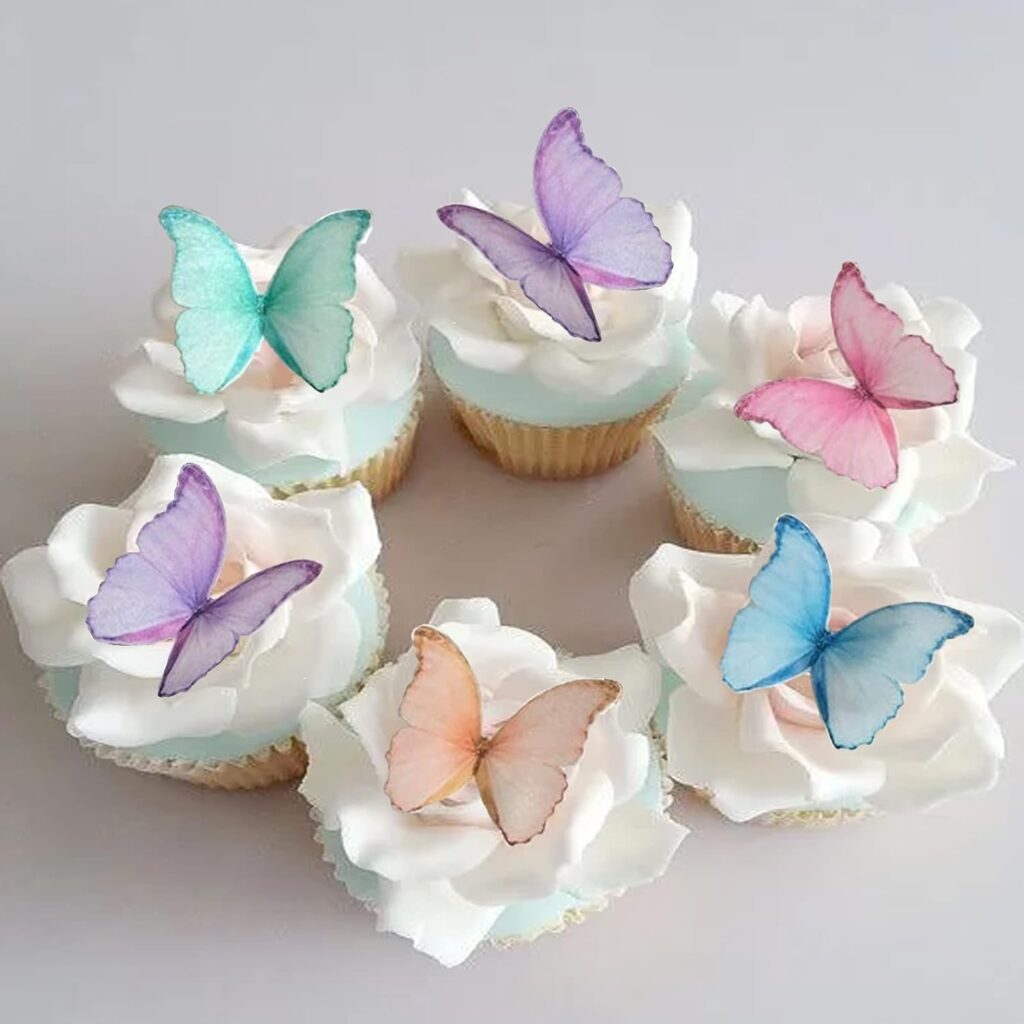
Edible Butterfly Paper

Disclosure: We use affiliate links to earn a small commission. If you choose to purchase something through one of these links, there is no cost to you.
Homepage
Homepage
Posted in ParentingTagged activities, games, kids

Top Educational Toys for 2 Year Olds

CHILD, FAMILY FUN, GAMES

Educational toys for 2-year-olds can help them learn and develop in a fun and engaging way. When choosing educational toys for this age group, it is important to look for toys that are safe, durable, and appropriate for their developmental level. Toys that encourage exploration, problem-solving, and creativity are ideal.

Here are some of the top educational toys for 2-year-olds:

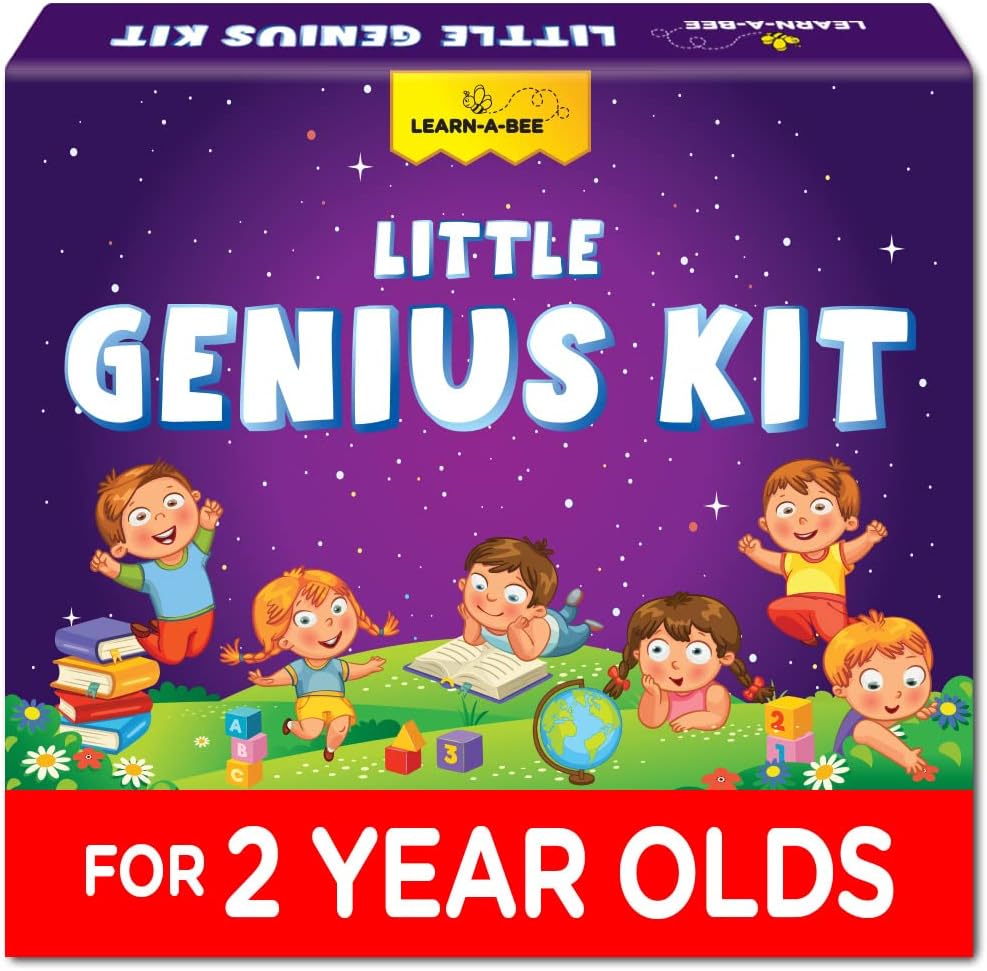
Learnabee – educational KIT

This complete learning kit engages 2-year-old boys and girls. It contains: Two durable, tear-resistant board books that teach concepts like manners, the alphabet, numbers, colors, and more. Flashcards that reinforce learning of colors, sounds, numbers, and letters. A fun, interactive matching game that develops logical thinking skills through gameplay.

Find it on Amazon

Stacking Cups

This colorful stacking tower provides visual stimulation for babies. Assembling the pieces helps develop organizational and motor skills.

Find it on Amazon

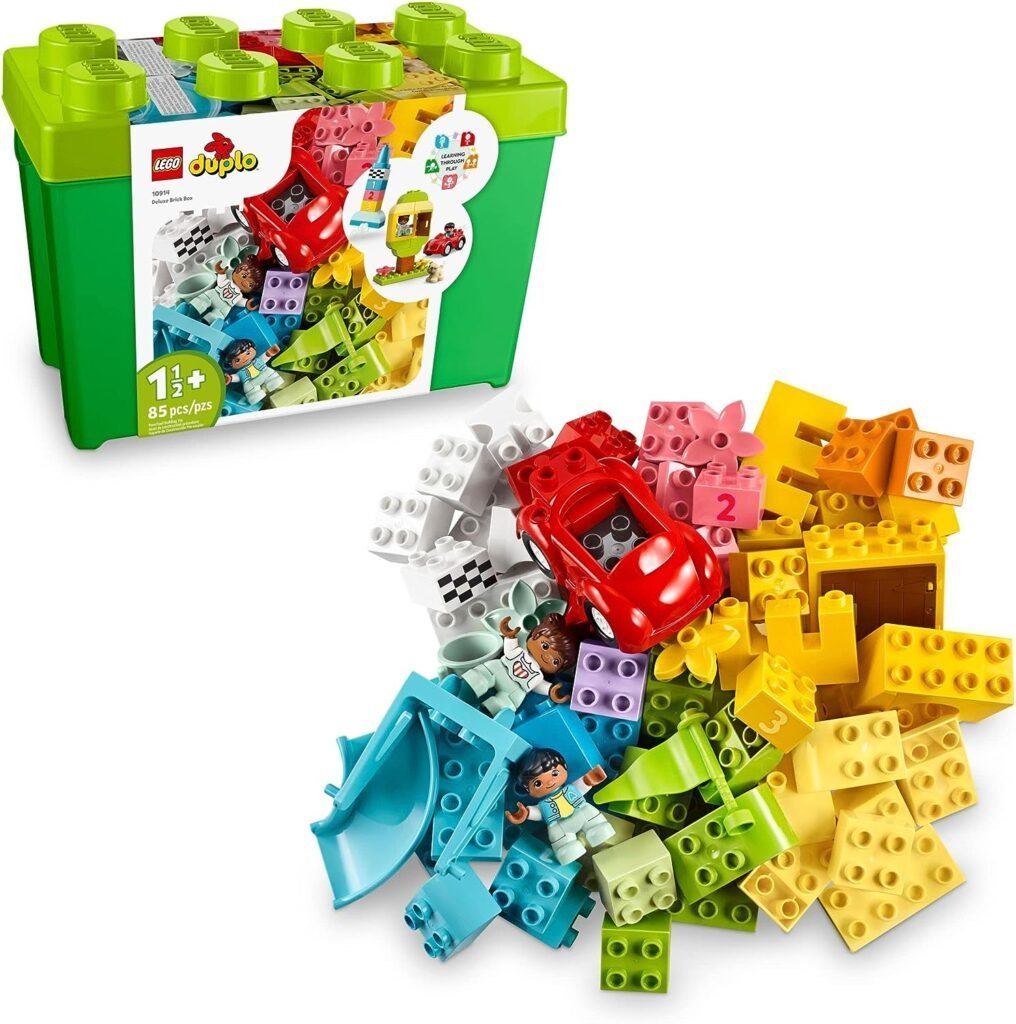
Lego Blocks

This toy has 85 colorful bricks with fun pieces like windows, cars, and numbered bricks. The variety stimulates kids’ imagination so they engage in continuous play and learning.

Find it on Amazon

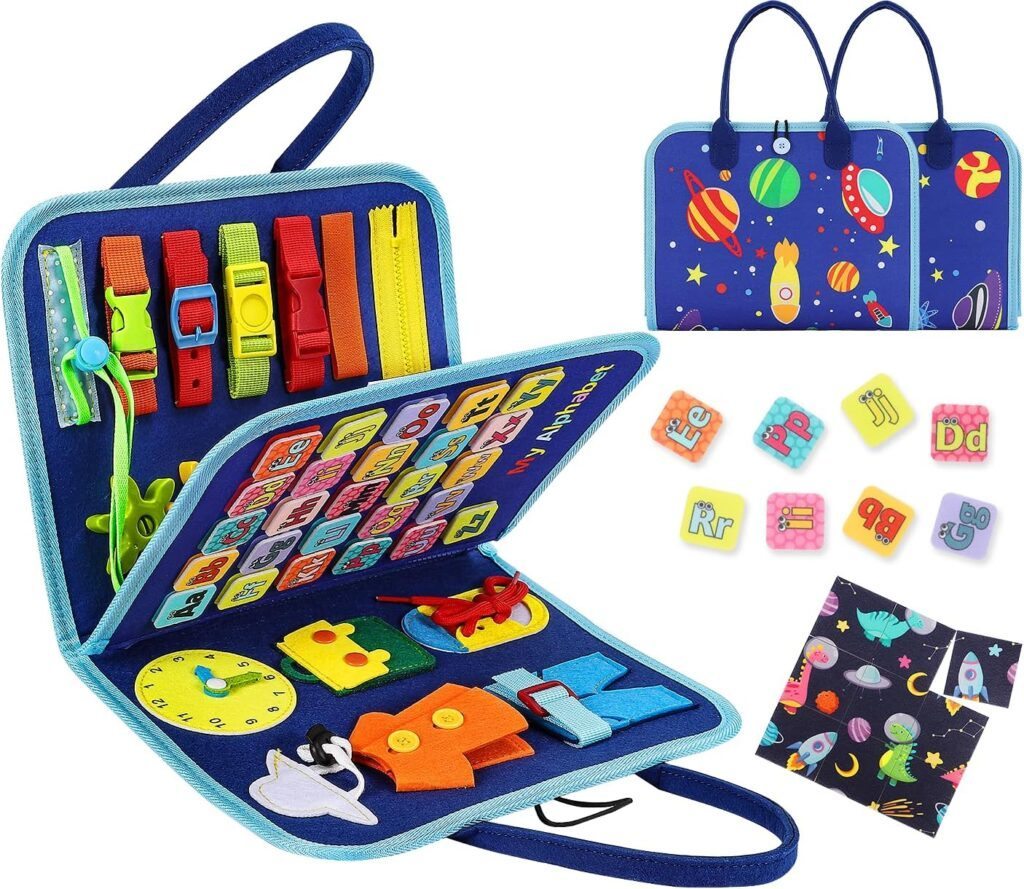
Sensory Toys – Montessori

This toy develops alphabet knowledge to improve cognitive and communication abilities. It teaches dressing skills like using latches, clips, shoelaces and zippers. Kids build fine motor skills, finger dexterity and cognitive capabilities.

Find it on Amazon

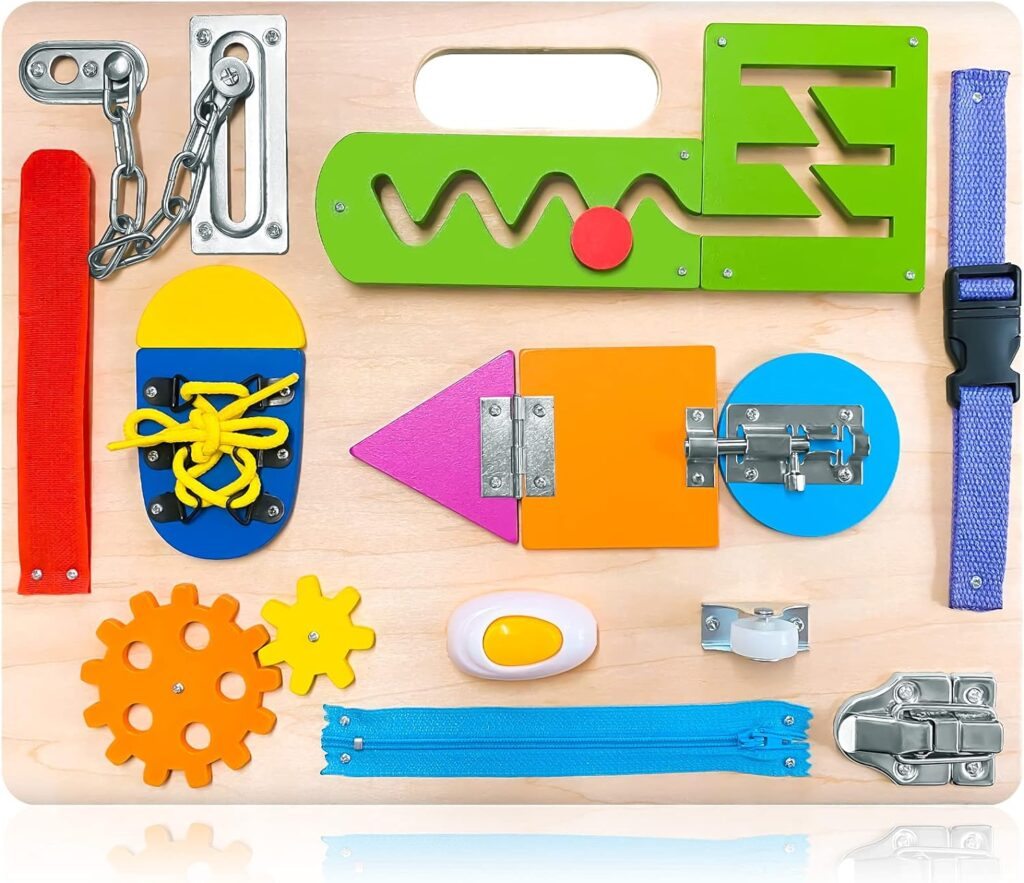
Busy Board

This busy board lets toddlers play with latches, Velcro, gears, locks, zippers and more. They can explore fun, sensory activities in different colors. It helps cultivate cognitive skills, attention span, and learning abilities.

Find it on Amazon

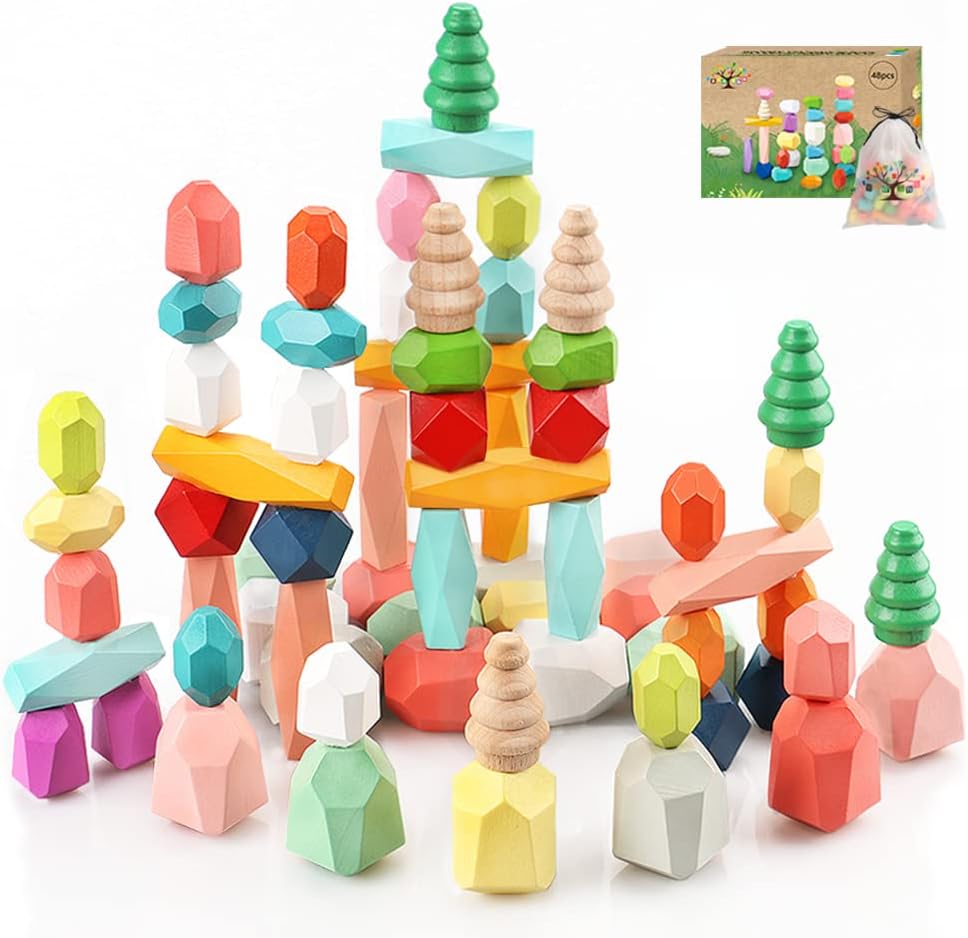
Wooden Building Blocks

This set of 48 stacking rocks comes in a variety of colors, shapes, and sizes. This makes it a fun Montessori toy that helps kids learn about colors, shapes, balance, and stimulates creativity. It’s a great sensory toy for toddlers ages 1-3 that is easy to use but still challenging.

Find it on Amazon

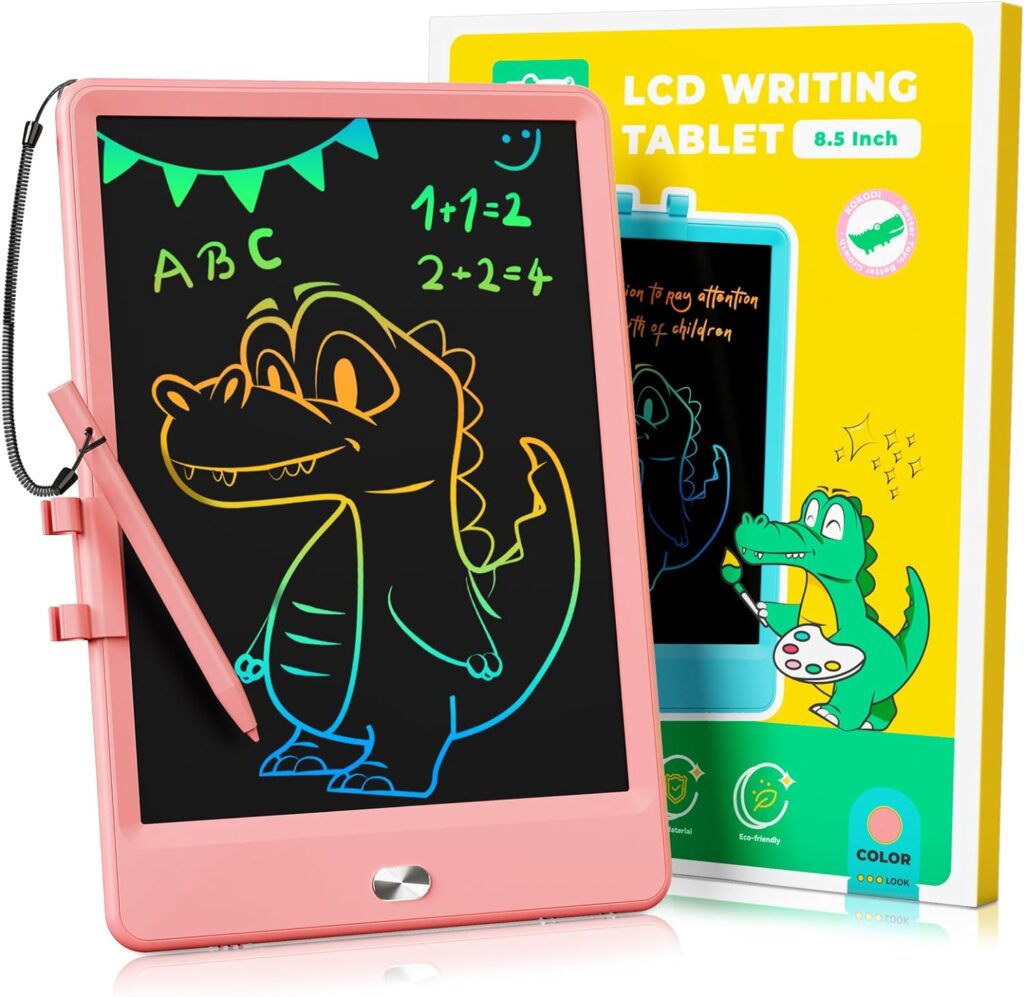
Drawing Tablet

This is a great writing and drawing toy for keeping girls entertained. It’s portable so it’s handy in the car or at home. It helps grow kids’ creative abilities.

Find it on Amazon

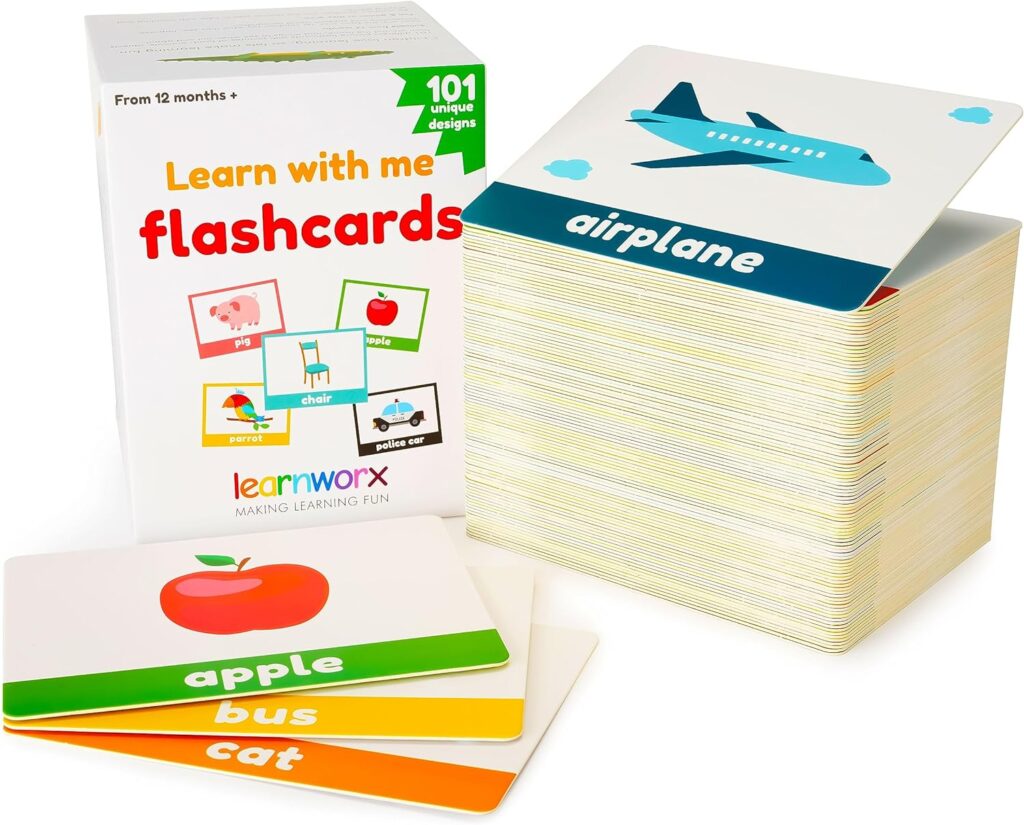
Flash Cards

Children love learning with these 101 double-sided first words flash cards from Learnworx. The set includes animals, foods, household and outdoor objects, places, and more. The cards come in a high quality gift box.

Find it on Amazon

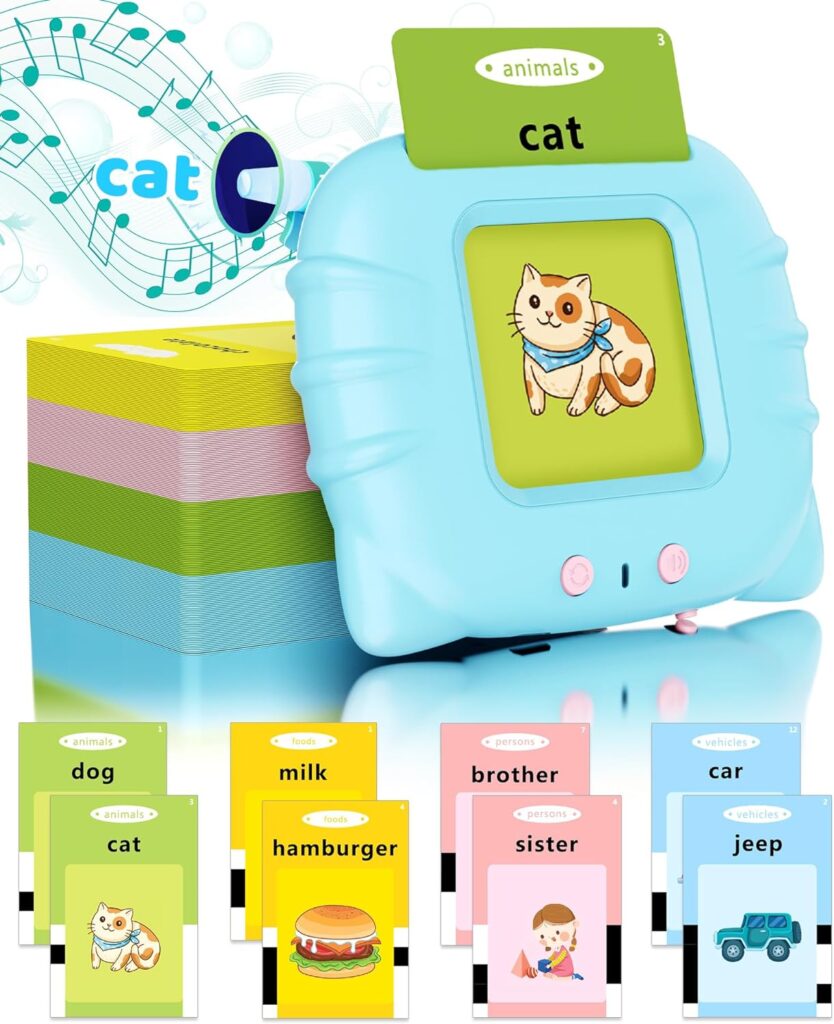
Speech Development Game

This interactive toy facilitates parent-child learning. Parents can use it to teach words, colors, fruits, which builds language skills and hand-eye coordination. It has adjustable volume levels. It’s a great sensory stimulation toy for autistic children.

Find it on Amazon

Top Educational Toys for 2 Year Olds

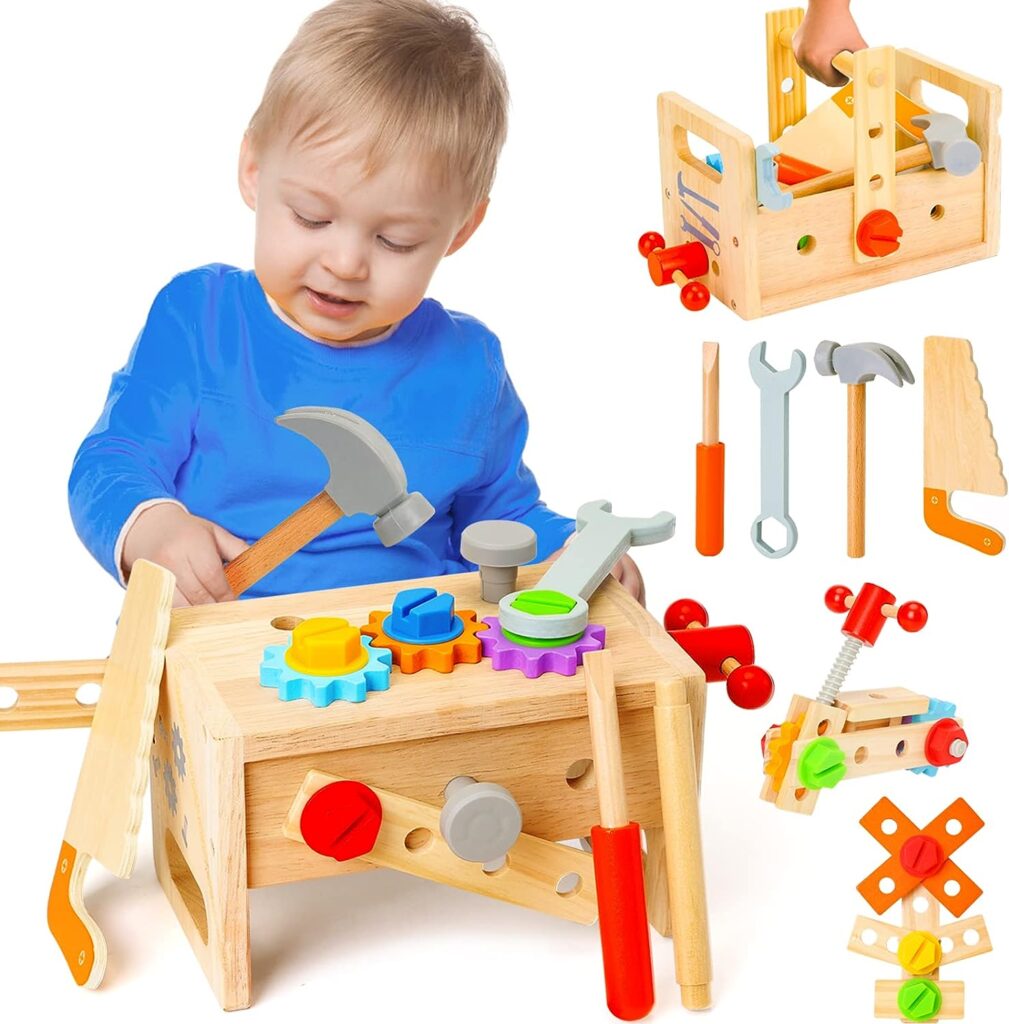
Wooden Tool Set

Kids tool set is a great way for children to develop their fine motor skills, hand-eye coordination, and problem-solving skills. The fact that it is easy to assemble and disassemble means that kids can learn to use real tools in a safe and supervised environment.

Find it on Amazon

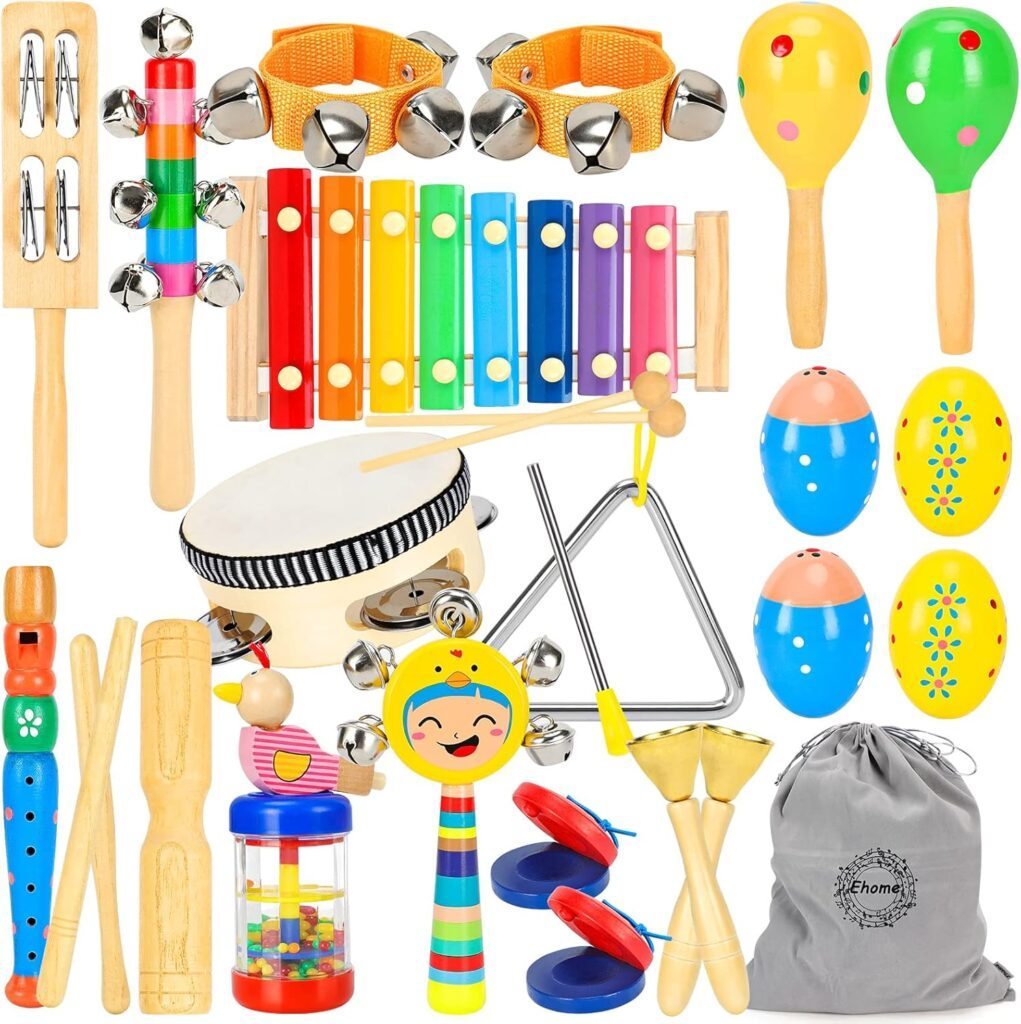
Musical Instruments

Playing musical instruments is a great way for babies to learn and grow in a variety of ways. It is also a fun and engaging activity that they will enjoy. There are a variety of different instruments available, so you can find one that is appropriate for your baby’s age and skill level.

Find it on Amazon

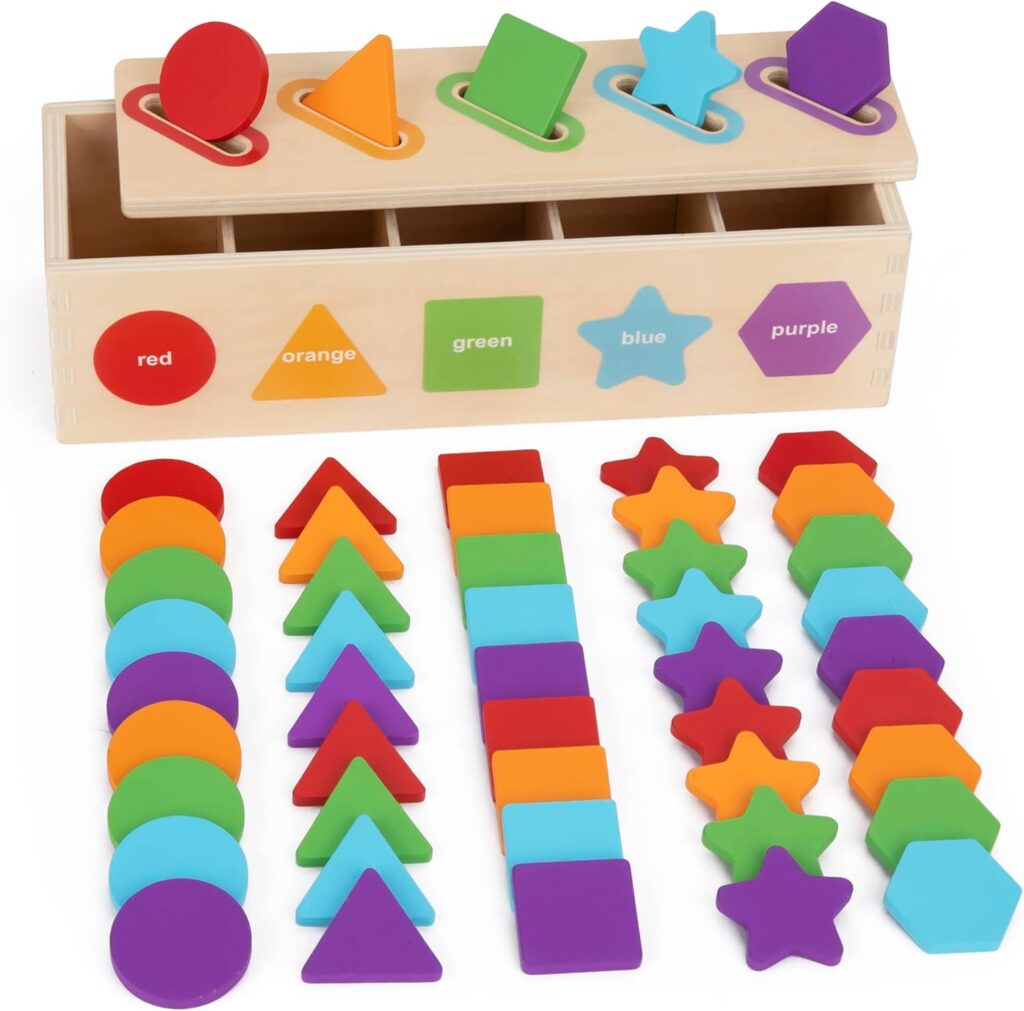
Color and Shape Sorting

Motor skills: The act of sorting the objects requires kids to use their fine motor skills, such as hand-eye coordination and dexterity.
Patterns: By following the patterns on the cards, kids can learn to identify and recreate different patterns.

Find it on Amazon

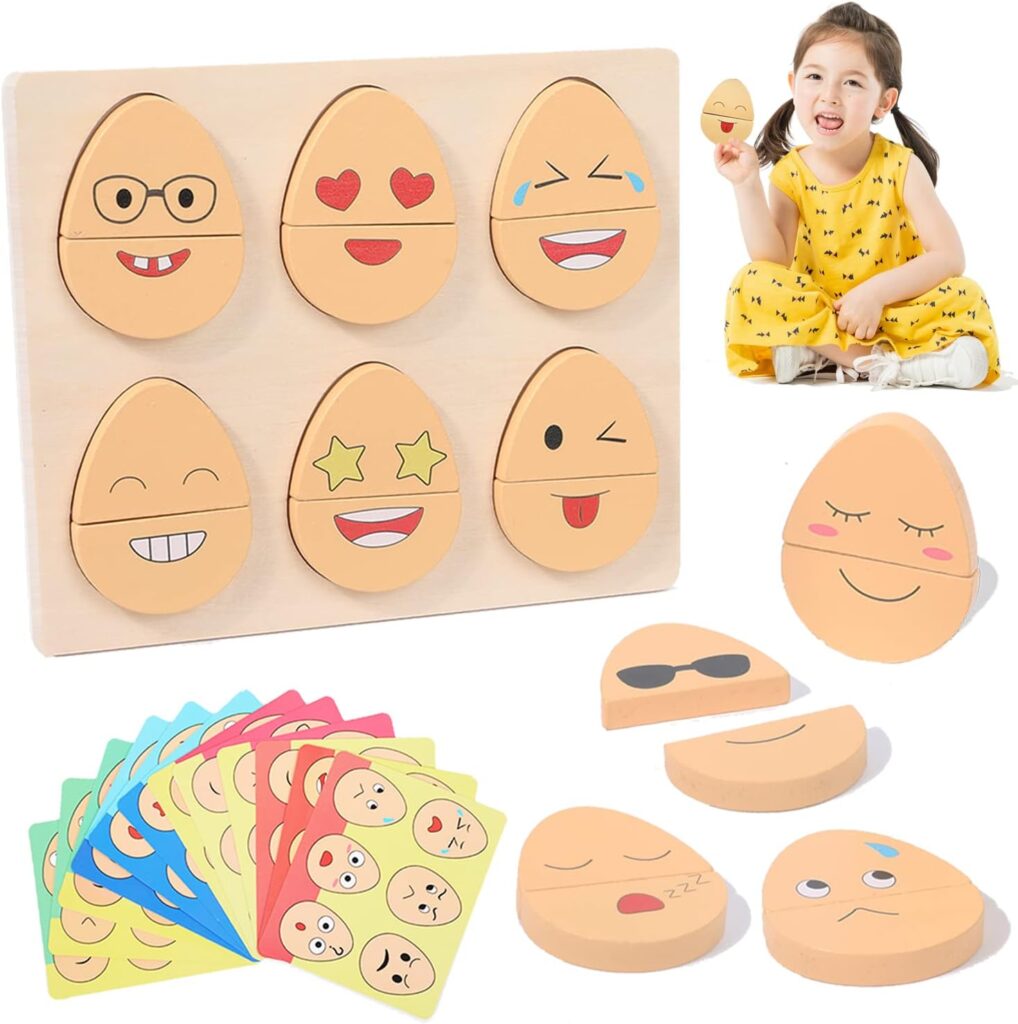
Express Emotions

Identifying and expressing emotions: The toy can help toddlers learn to identify and express different emotions, such as joy, anger, sadness, and happiness. This is an important skill for toddlers to develop, as it helps them to communicate their feelings to others and to regulate their own emotions.

Find it on Amazon

I hope you find the perfect educational toy for your 2-year-old. There are so many great options available, so you’re sure to find something that your child will love and learn from.

Disclosure: We use affiliate links to earn a small commission. If you choose to purchase something through one of these links, there is no cost to you.
Homepage
Homepage
Posted in Child, Family Fun, GamesTagged games, kids, toys

Discover 8 fun classic kids’ games to play with your kids

FAMILY FUN

Summer is here! Kids love having unstructured free time during the warm months, but boredom is a common complaint. I get it, my house is the same. Although boredom can be beneficial for kids, it’s always nice to have some screen-free game suggestions up our sleeves to reduce the whining. Check out this list of classic kids’ games for some ideas. It will remind you of the good old days and create beautiful childhood memories with your own kids this summer!

Jump rope

Find on Amazon

Jump rope is a game that’s been around for centuries, but it has recently seen a resurgence in popularity. It can be played by both children and adults alike as an excellent way to get some physical activity. Jumping is particularly beneficial because it’s an aerobic exercise that gets your heart rate up quickly. Not only does jump rope provide cardiovascular benefits, but it also helps improve coordination and concentration. Plus, jump rope is a fun way to challenge kids and yourself to stay active. 

Hopscotch

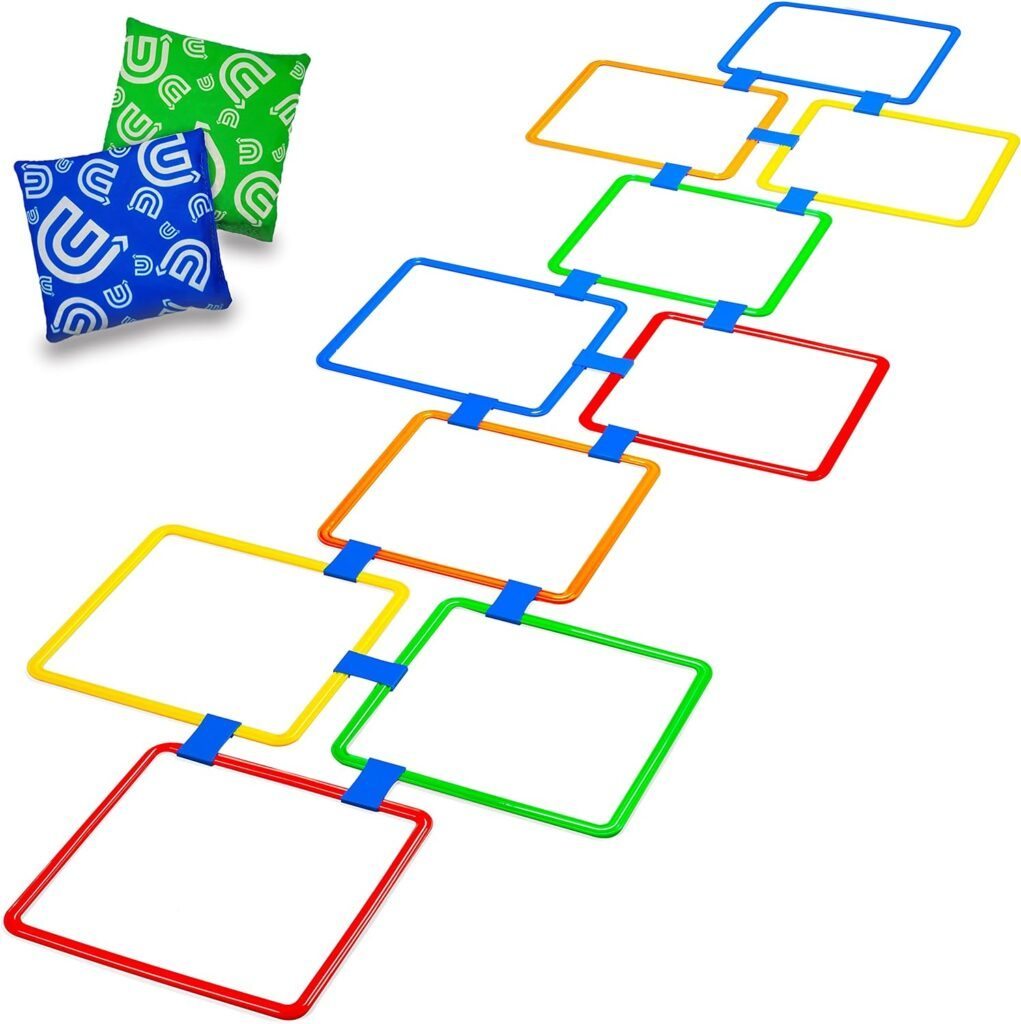
Hopscotch is a popular backyard game. The basic goal of playing hopscotch is simple: players take turns hopping through an arranged pattern of squares on the ground while throwing a marker (usually a stone or beanbag) into each one. Players must hop from square to square with one foot in each, avoiding any squares with markers in them, while attempting to avoid stepping on any lines. The player who successfully hops through all the squares and back to the starting square without stepping on any lines or missing any squares is the winner.

Hopscotch

Cat’s cradle

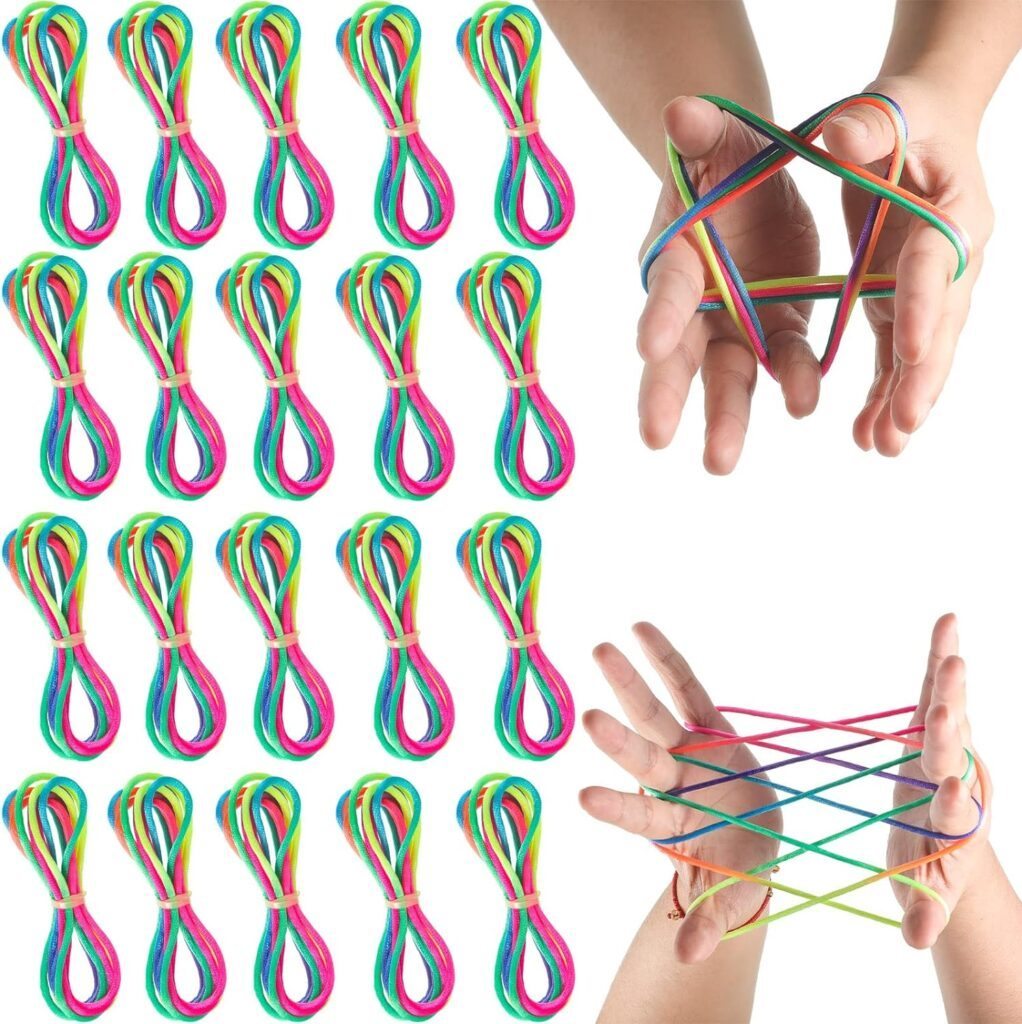
Cat’s Cradle

Cat’s cradle is one of the classic kids’ games that has been enjoyed by people of all ages for centuries. It involves creating intricate patterns out of loops of string between two or more players, and then repeating certain movements to change the pattern. The goal is to end up with the same pattern that was started with. This often requires skill and patience as the moves must be done quickly and accurately.

Dodgeball

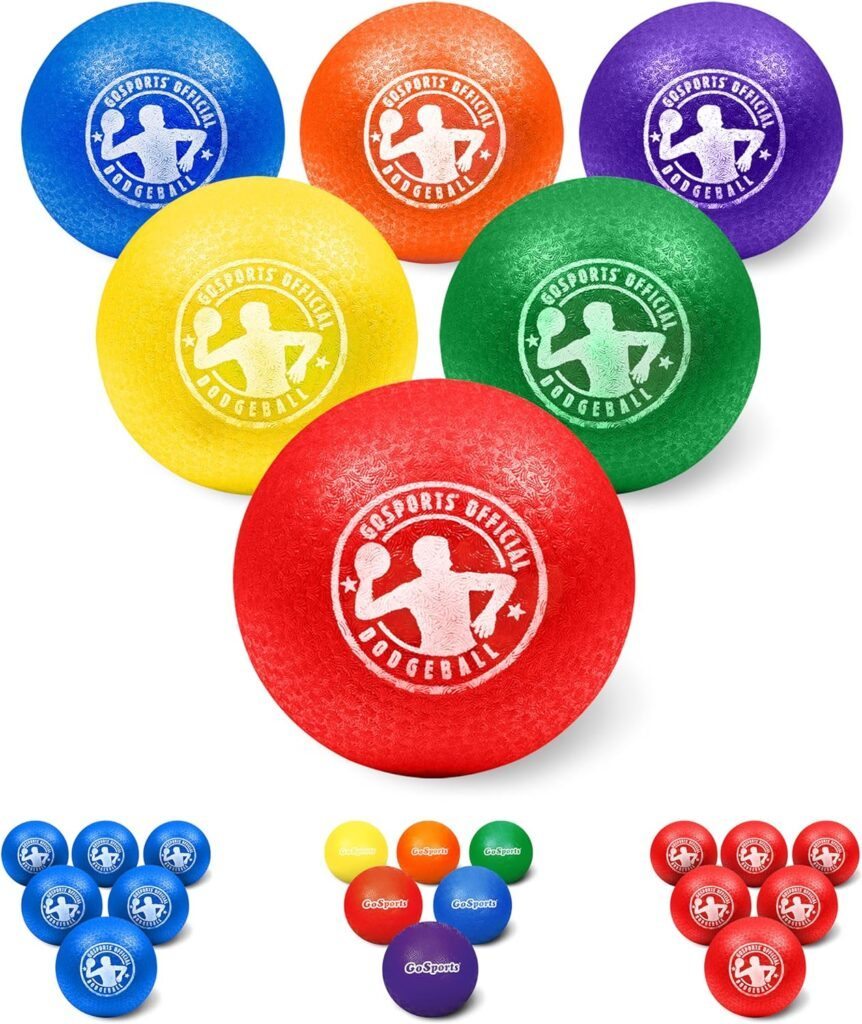
Dodgeball is a popular sport for all ages. It’s fast-paced and lots of fun for players and spectators alike. The game requires two teams made up of at least six players each, who stand in opposite halves of a court and throw rubber balls at each other. The aim of the game is to hit members from the opposing team with a ball, while avoiding getting hit yourself. If a player is successfully hit, they are out of the game until the next round. The last team standing wins! 

Dodge ball

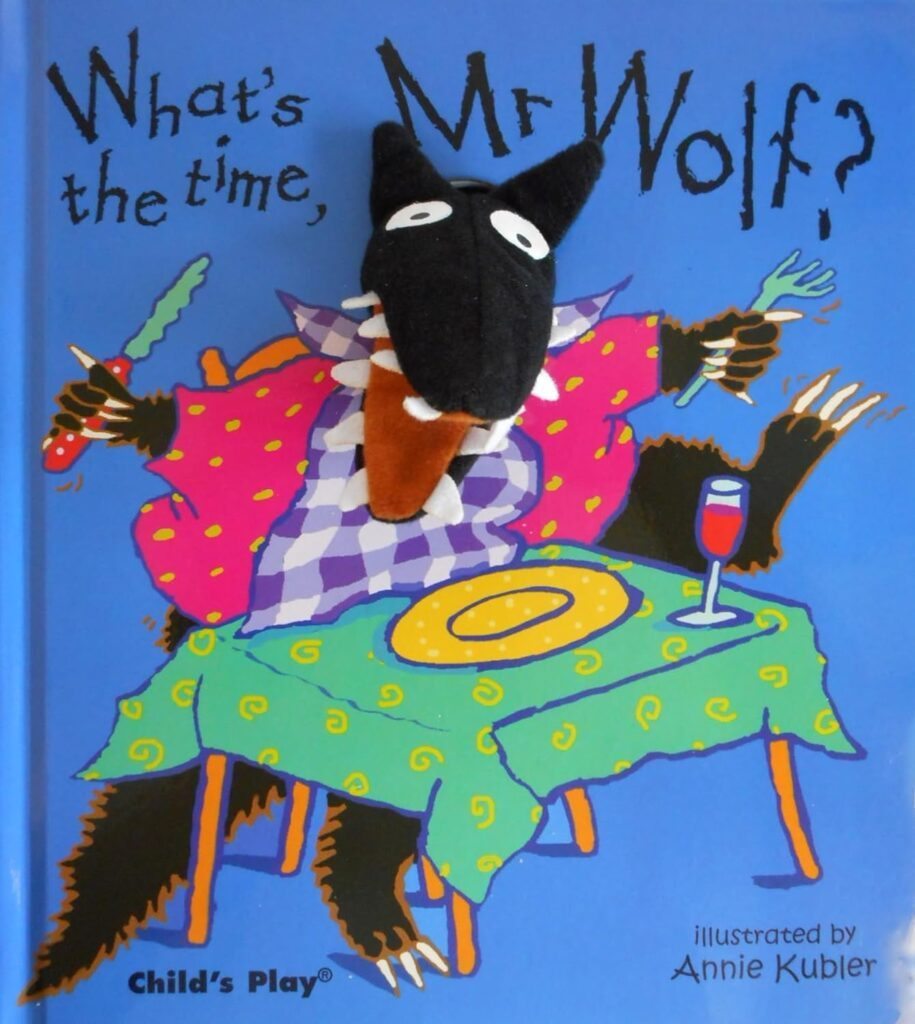
What time is it Mr. Wolf

The game requires at least three players and can be played in any outdoor space with enough room for the players to move around. The objective of the game is for one player (the “wolf”) to stand at one end of the playing area and call out “What time is it, Mr. Wolf?” The other players (referred to as ‘the sheep’) must then run from the wolf towards the other side of the field while chanting “It’s (time) o’clock!”. Meanwhile, the wolf will answer with a different time each time the sheep calls out. At any time, the wolf can say “Dinner Time!” and chase after the sheep. If a sheep is caught by the wolf they become one of ‘the pack’ and help the wolf to try to catch all the other sheep.

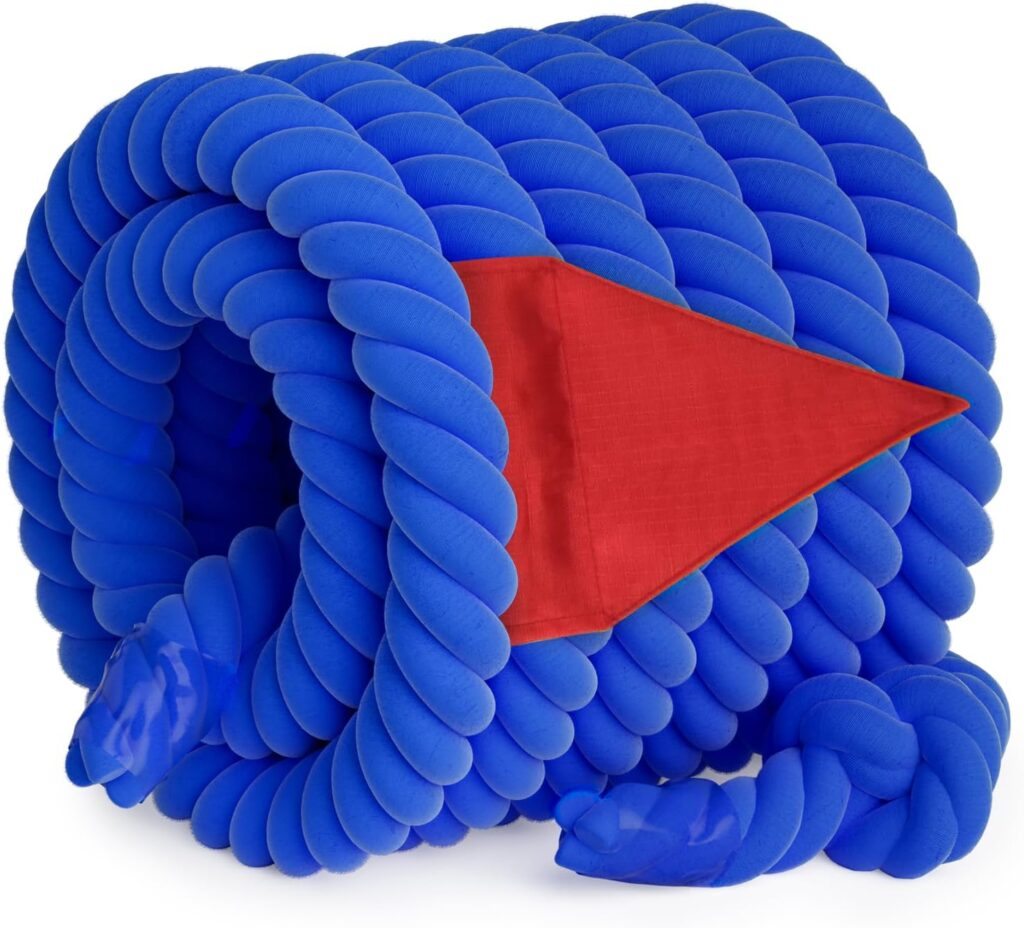
Tug of War

Tug of War is an outdoor sport that dates back to ancient times. It involves two teams trying to pull a rope in opposite directions with the goal of either pulling the other team over a central line or having them successfully hold their ground. Each team usually consists of an equal number of participants, typically five or six people. The game can be played on a variety of surfaces including grass, dirt, or even sand.

Tug of War

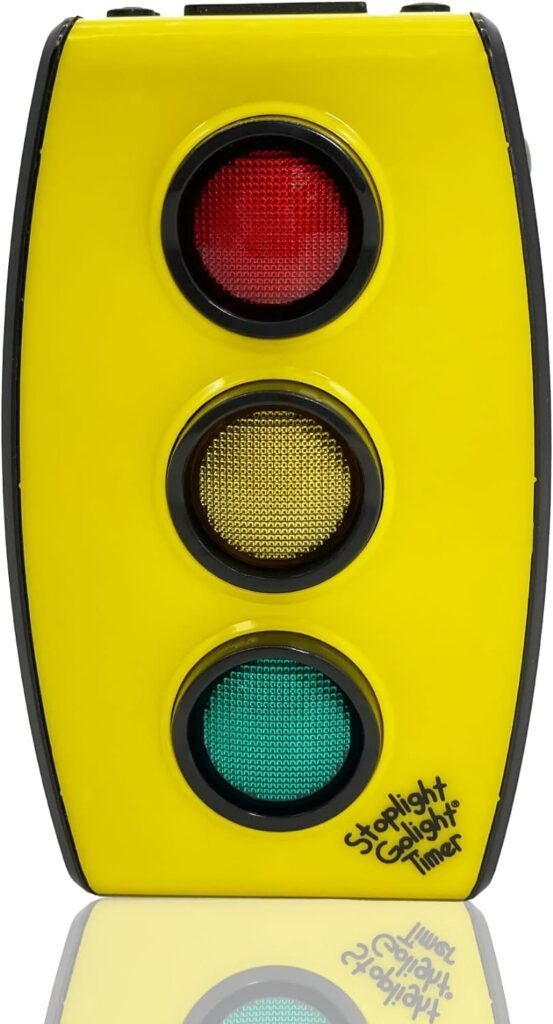
Red light, green light

The red light, green light game is a classic game that can be played by children of all ages. It’s a simple game that requires only two players and doesn’t require any special equipment or materials. The object of the game is for one player (the “runner”) to cross an imaginary finish line while avoiding being tagged by the other player (the “stopper”). The stopper stands at one end of the playing area and calls out either “red light!” or “green light!”. When the runner hears “red light!”, they must stop immediately and remain frozen until the stopper calls out, “green light”! At that point, the runner can move forward again.

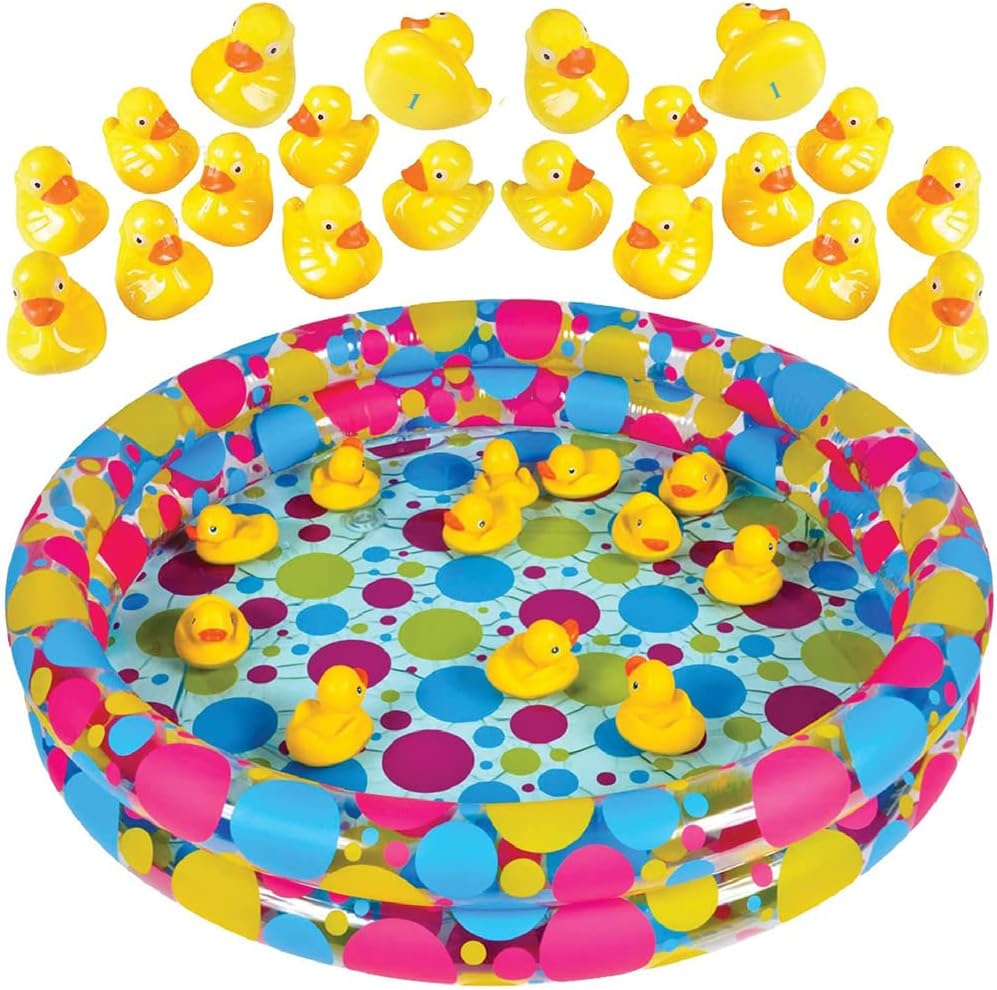
Duck duck goose

  It is an easy and fun way to entertain kids of all ages and backgrounds. One person (the “goose”) must run around in a circle while the other players (ducks) remain seated. The goose then taps each of the ducks on their heads and calls out “duck duck” until the goose finally chooses someone and shouts “goose”! That person must then get up and try to catch the goose before it completes one lap around the circle. If successful, that player then becomes the new goose.

Playing classic kids’ games is a fun way to get the whole family together and have some quality time. Kids love these memories of growing up with them. Not only do they provide an opportunity to bond with each other, but the games also help develop important skills like teamwork, strategic thinking and problem solving.

Disclosure: We use affiliate links to earn a small commission. If you choose to purchase something through one of these links, there is no cost to you.
Homepage
Homepage
Posted in Family FunTagged games, kids, toys

Why kids should spend time outdoors

LIFESTYLE

Why kids should spend time outdoors

Remember building forts out of sticks, chasing butterflies, or digging for worms? While technology offers a world of entertainment, there’s a crucial ingredient missing from many childhoods today: time spent outdoors. In this article, we’ll explore the amazing benefits of time outdoors and why unplugging and stepping outside is essential for a child’s healthy development.

Trends in America

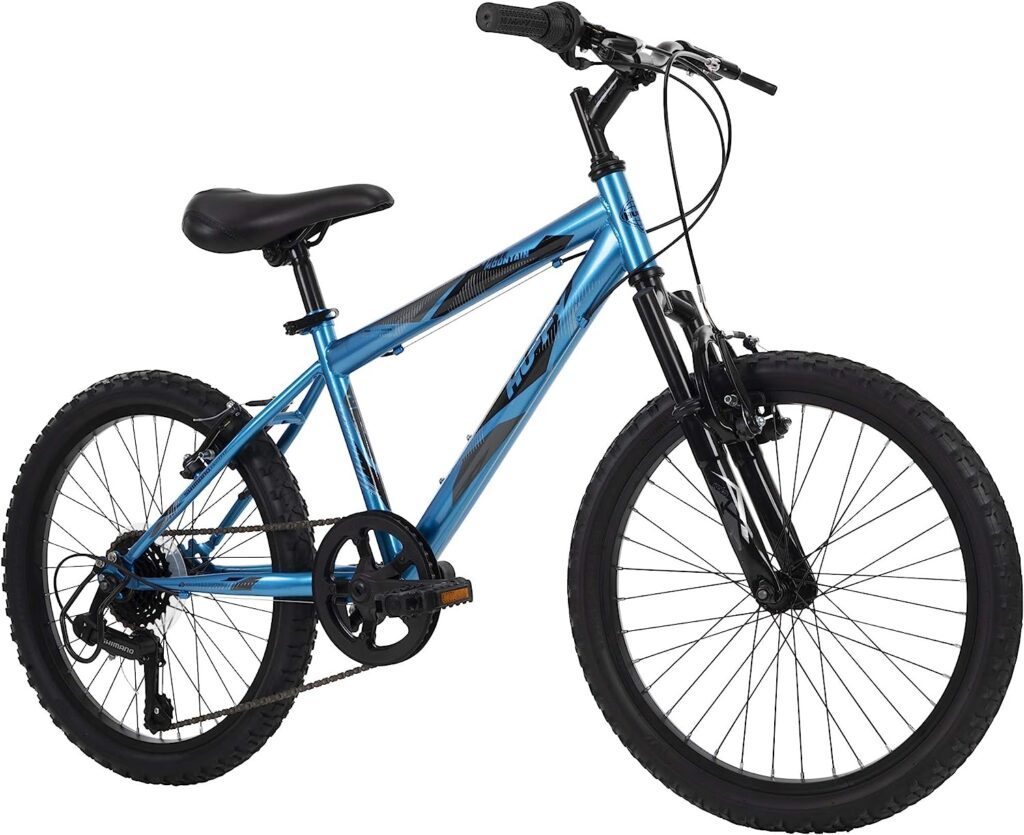
Bike

Kids today spend significant amounts of time on electronics, whether that is the tv, video games, computer, or other similar gadget. A survey done by the Kaiser Family Foundation found that kids today are 6x more likely to play a video game on any given day than they are to ride their bike.

Of course, all of this time spent indoors correlates with a decrease in physical activity. Childhood obesity rates continue to rise in the United States, especially post pandemic. American children are experiencing diabetes, obesity, stress, symptoms of depression, and other cognitive and emotional issues at ever increasing rates. And while many of these issues are complex, research continues to show that kids who spend time outdoors experience less of these problems. 

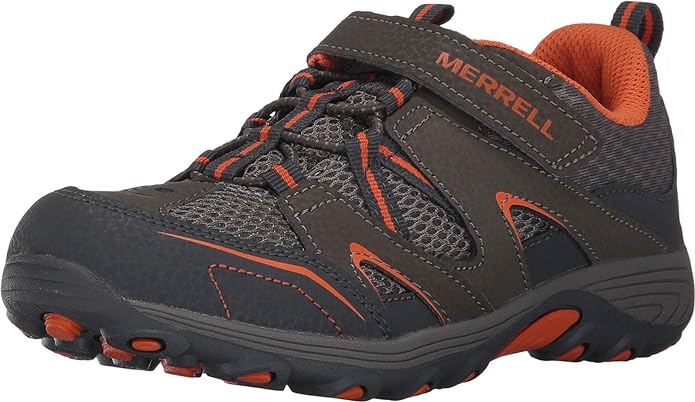
Hiking boots

Kids benefit when they spend time outdoors

We know that children today are not making the same outdoor memories that their parents and grandparents did, and with disastrous side effects. All those little moments in the great outdoors offer some big benefits to kids. Let’s explore a bit about these benefits and recommit to getting our kids outdoors! 

It’s good for their bodies!

Chances are, if your kid is outdoors, your kid is moving! Running, jumping, climbing, skipping, biking, crawling- there are so many opportunities to get moving when engaged in outside play. This movement is good for kids as they naturally develop their gross motor skills while interacting with the world around them. The American Academy of Pediatrics recommends that kids aged 3-5 years old get at least three hours of physical activity per day.

Getting your kids outdoor every day increases the likelihood that you can meet this physical activity recommendation. Playing outside is a great way to build stronger bodies, learn new skills, and get needed exposure to the sun for Vitamin D! Plus, this study shows that a child who plays outdoors tends to sleep better! Sleep deprived parents everywhere grab your sneakers and hit the parks!

Soccer Ball

Football

It’s good for their minds!

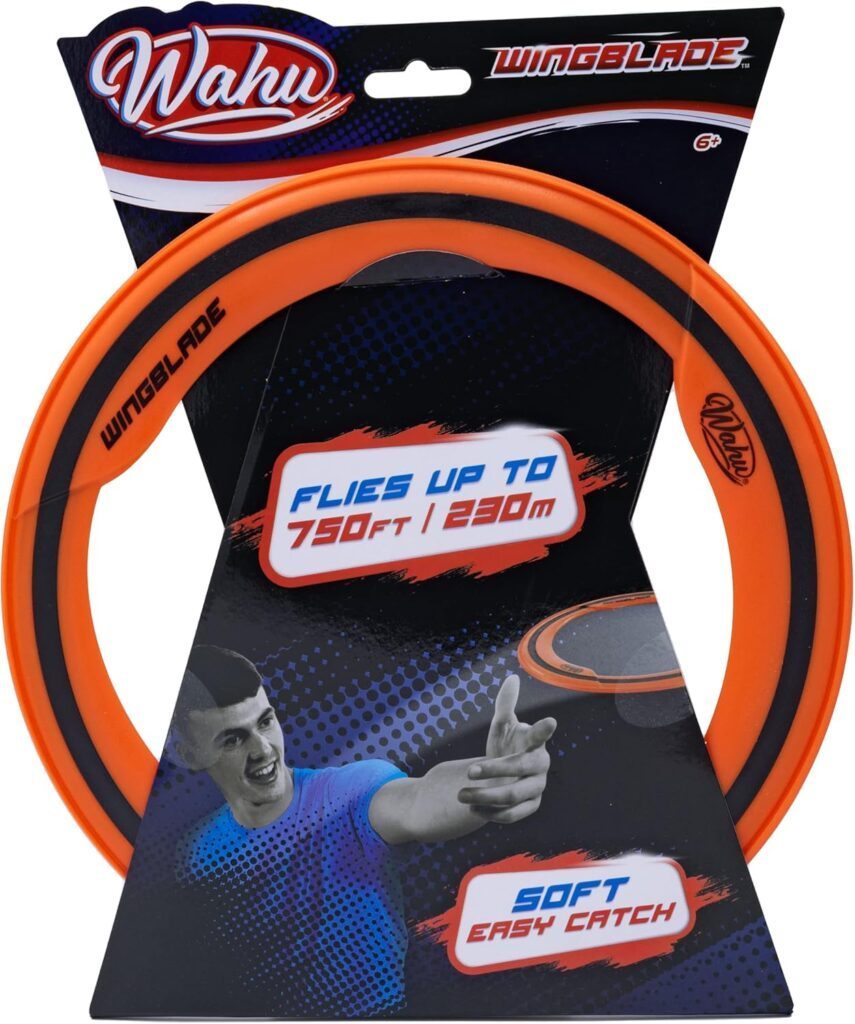
Flying Disk

The physical benefits of getting kids outdoors are significant, but the benefits don’t stop there! Studies show that kids who spend time outdoors experience cognitive benefits as well. These kids tend to have better executive functioning skills and higher academic performance than their peers who spend less time outdoors. Our executive functioning skills are what help us to plan and prioritize, self-monitor, regulate emotions, multitask, and more!

Researchers believe that there is a link between the decreased amount of time children are spending outdoors and the drastic increase in learning and attention issues, as well as hyperactivity problems. Time outdoors helps kids with their ability to concentrate and pay attention for longer amounts of time. 

It’s good for their well-being!

Have you ever noticed how a problem can feel lighter after spending time outdoors? Adults have long realized that time spent outdoors makes them happier people. It is the same with kids! Kids who spend time outside are less likely to be stressed and more likely to be happy! Studies show that kids who spend more time outdoors are less likely to have symptoms of depression and anxiety. 

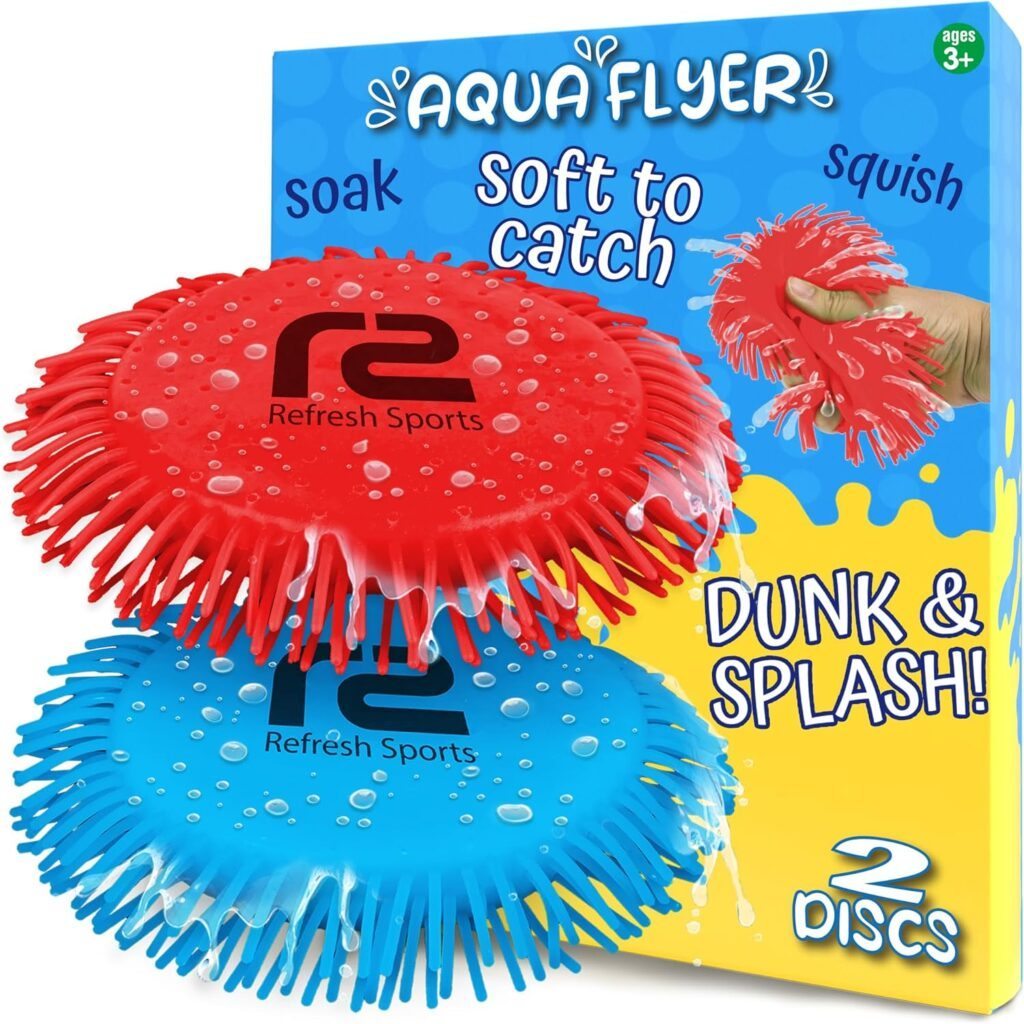
Flyer

Time in nature tends to spark creativity in children. When kids sped time outdoors their imaginations can run wild and their play can become anything! The exploration and adventures that a child can embark on when time outdoors can be a great confidence booster! Children need opportunities for independence.

When our children embark on adventures of their own making, take risks, persevere through challenges, and come out the other side, the resilience, pride, and sense of self they develop are truly priceless. When children are allowed to enjoy unstructured play outside they are building an inner sense of self-confidence that will last them their lifetime. 

It’s good for their social life!

When kids are spending more time outdoors, they are more likely to be playing or interacting with other people. This increased social interaction offers them more opportunities to improve their social skills. Plus, when kids play outside it is often self-directed play, which not only allows them much-needed freedom and independence, it also gives them a chance to practice taking turns, problem solving with friends, and other important social skills. 

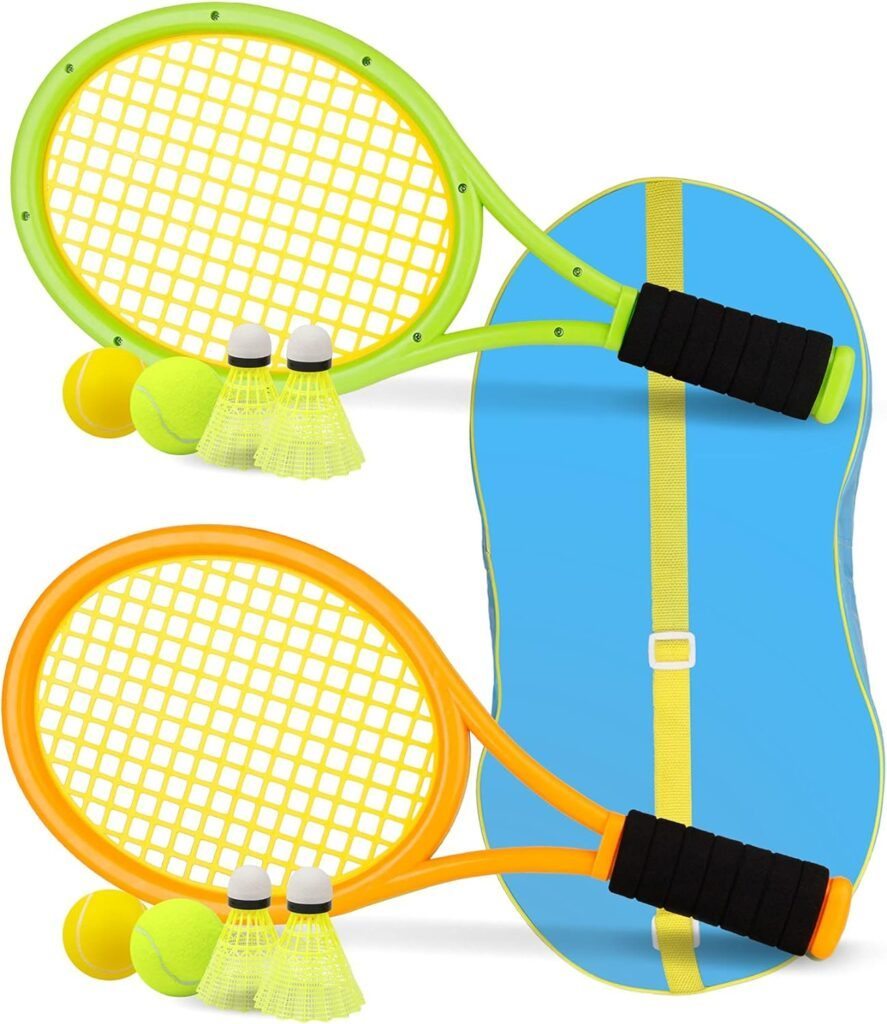
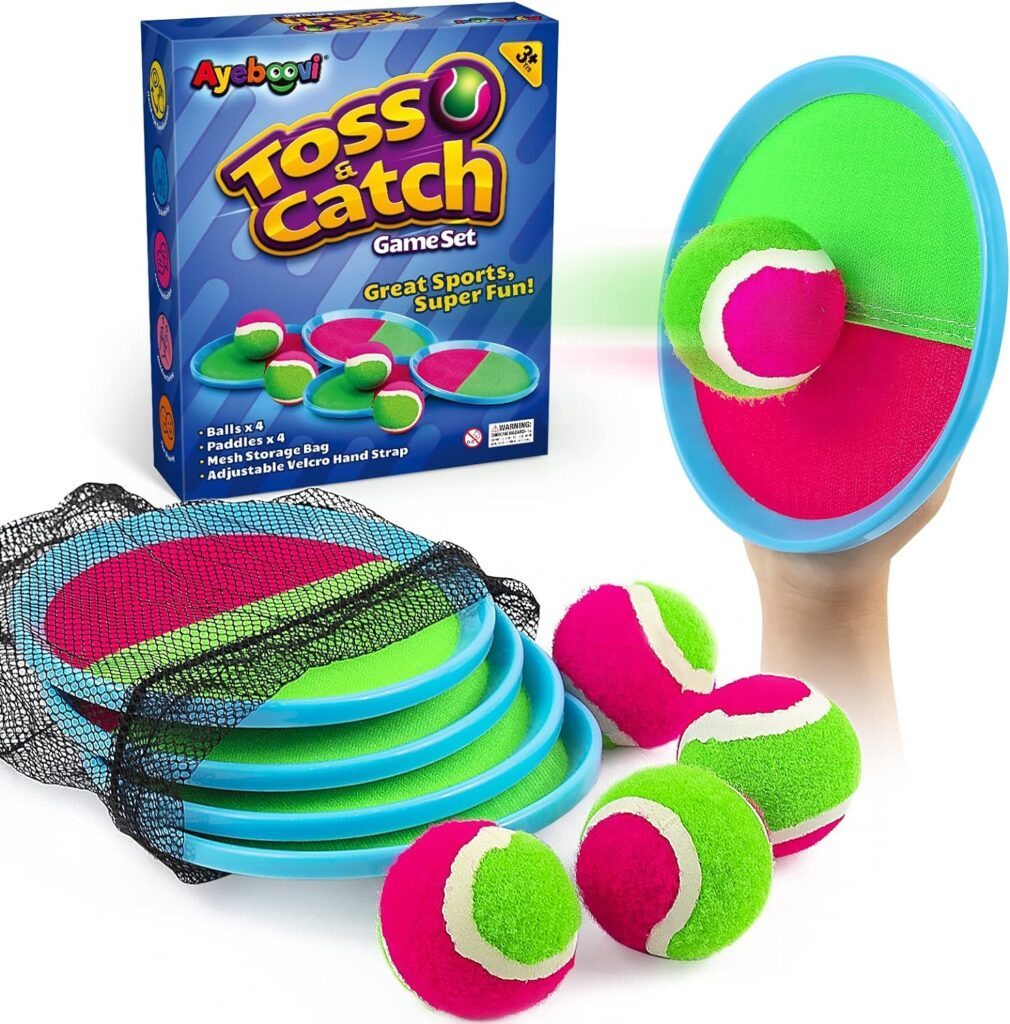
Toss

It’s good for humankind!

When kids grow up appreciating nature, they are more likely to grow into adults who appreciate and care for this earth!

There are clearly many many benefits for our kids when they spend their time outdoors- so what are you waiting for? 

Need some outdoor play ideas?

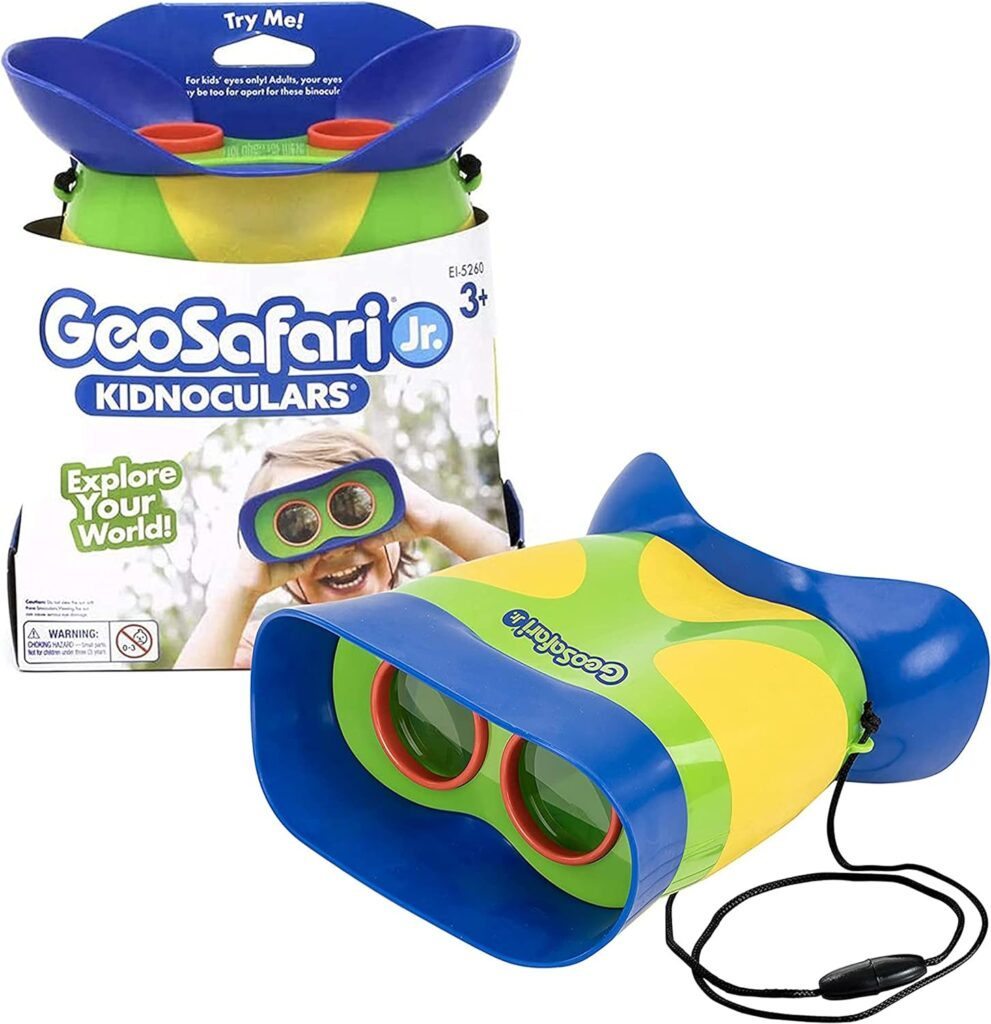
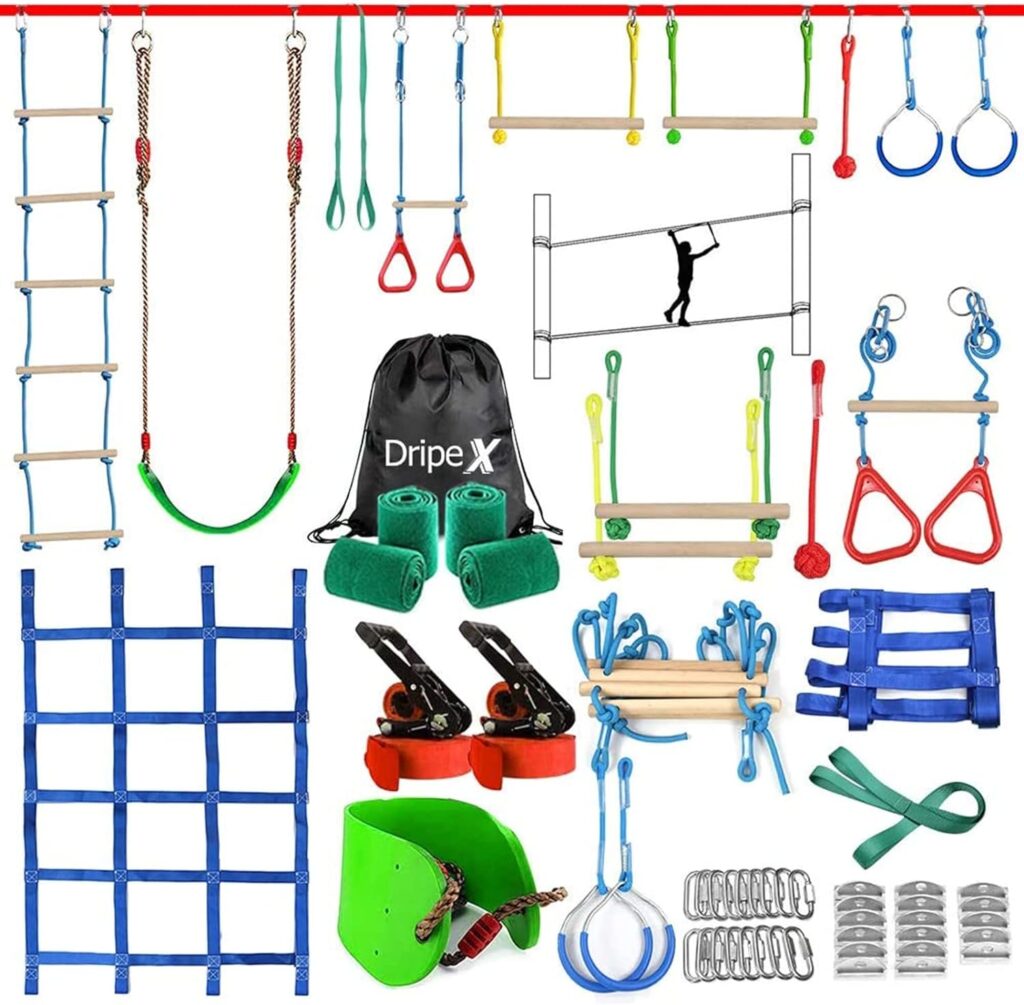
  • Become a nature explorer 

  • Climbing rope and swing

  • Toss and catch game

Disclosure: We use affiliate links to earn a small commission. If you choose to purchase something through one of these links, there is no cost to you. 
Homepage
Homepage
Posted in LifestyleTagged games, kids, parenting

Easter Art for Kids

CHILD, GAMES

Happy Spring! I love this time of year! The weather, the blooms, the baby animals. It’s such a happy season! Spring always means that Easter is around the corner. Easter art for kids is always so colorful and adorable. Here are some top picks of Easter art for kids. 

Easy Easter Art for kids

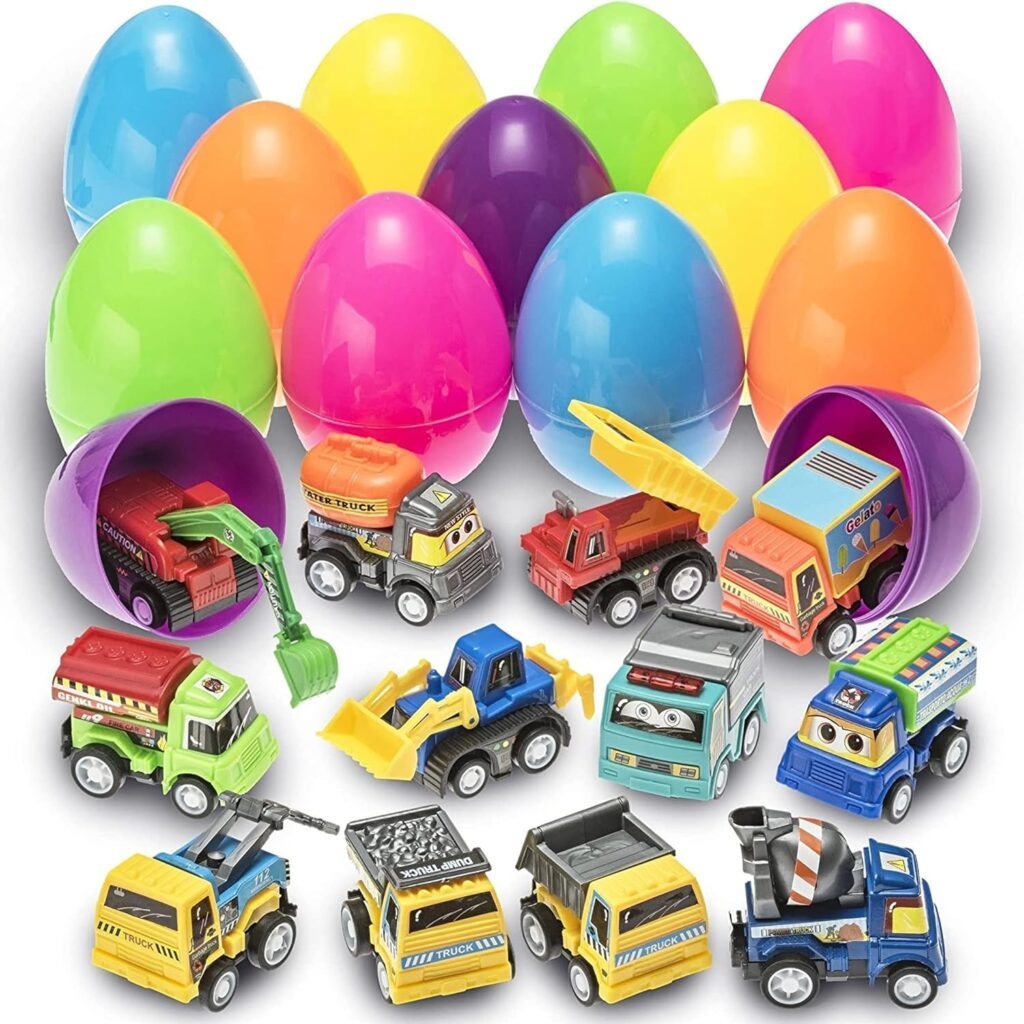
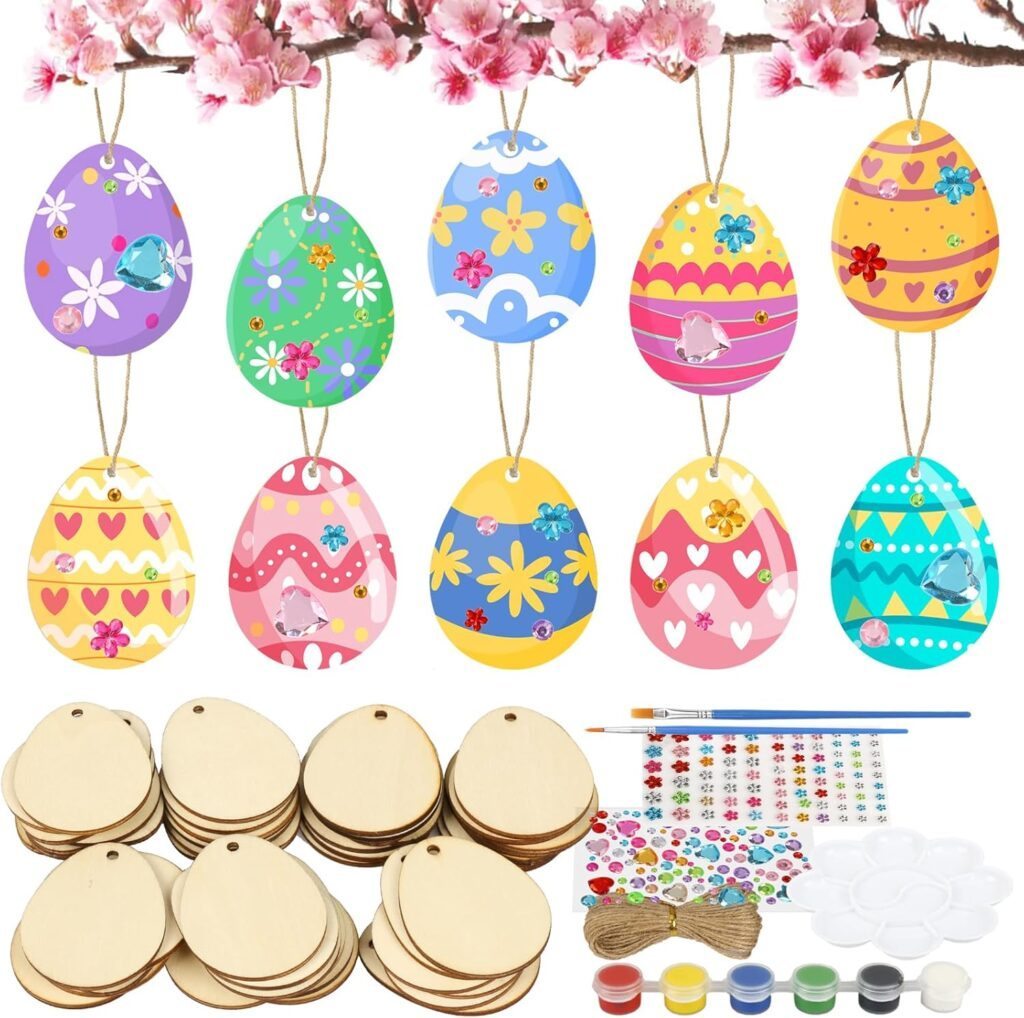
Eastern Eggs

Not every parent is a craft! These ideas are perfect for the busy parent who doesn’t have a lot of bandwidth to craft with their child.  An added bonus–  these Easter art ideas use materials that you likely already have in your home! 

Easter Egg Pom Pom paint 

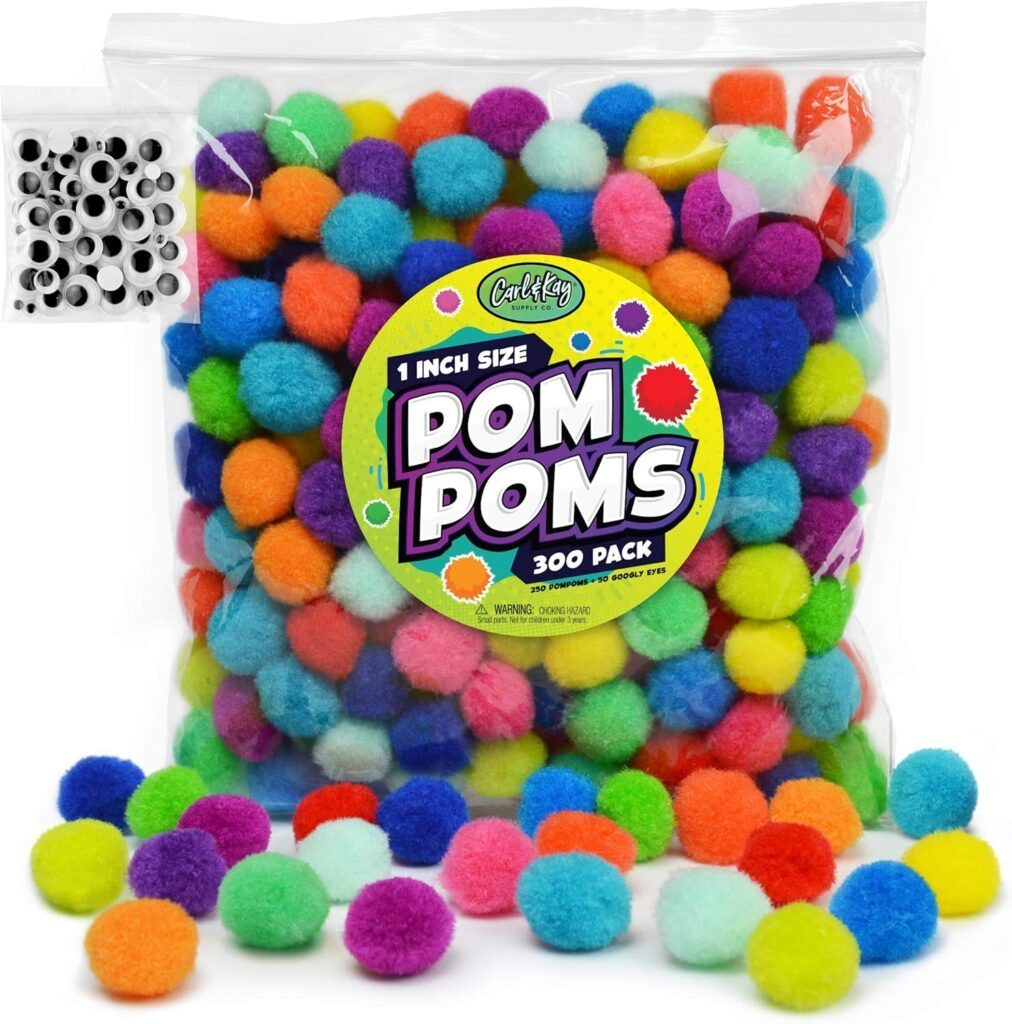
Grab some construction paper and cut in an egg shape. Get out some paints and some little pom poms and let your little little Picasso get to work! If your little one doesn’t like messy fingers, you can use clothespins to hold onto the pom poms. This activity is great for building fine motor skills for younger children! credits: sassydealz.com  

Pom Poms

Easter Bunny Craft 

Goggly Eyes

For this craft you need a paper plate, some cotton balls, glue, and some white and pink paper for the bunny ears! First, have your child cover the paper plate in cotton balls.Then, cut out two ear shapes and tape to the back of the plate. Finally, brainstorm together some materials from around the house that you could use for whiskers and eyes. (Think:pipe cleaners, cotton swabs, yarn, goggly eyes, buttons, etc.). It’s always fun to see what our kids think up! This Easter art could also turn into a mask for kids!  credits: simplytodaylife.com

Handprint Bunny

This handprint bunny is a super easy Easter craft for kids! And it’s also a great keepsake! Simply trace your child’s hand on construction paper, then cut out. Fold down two fingers to create the bunny arms, cut off the middle finger and voila – you have your bunny! Older kids will enjoy creating their own bunny faces, while younger children may need a little help.  credits: www.onelittleprojectatatime.com

Footprint Carrot

Find it on Amazon

This footprint carrot is also a great keepsake! Kids love to look back at their art projects, especially ones where they can see just how much they have grown. For the footprint carrot you need paper orange, green, and white paper and orange paint. Have your child step in paint, or “paint” the bottom of their foot, then have them carefully step on the white piece of paper. Cut out the footprint and glue to orange construction paper in a carrot shape. Add some greenery on top. An adorable and easy Easter craft for kids!   credits: craftymorning.com

Easter Art Projects

The following are Easter art ideas for kids that may be a little more time consuming, or require a two step process. 

Easter Egg Rocks  

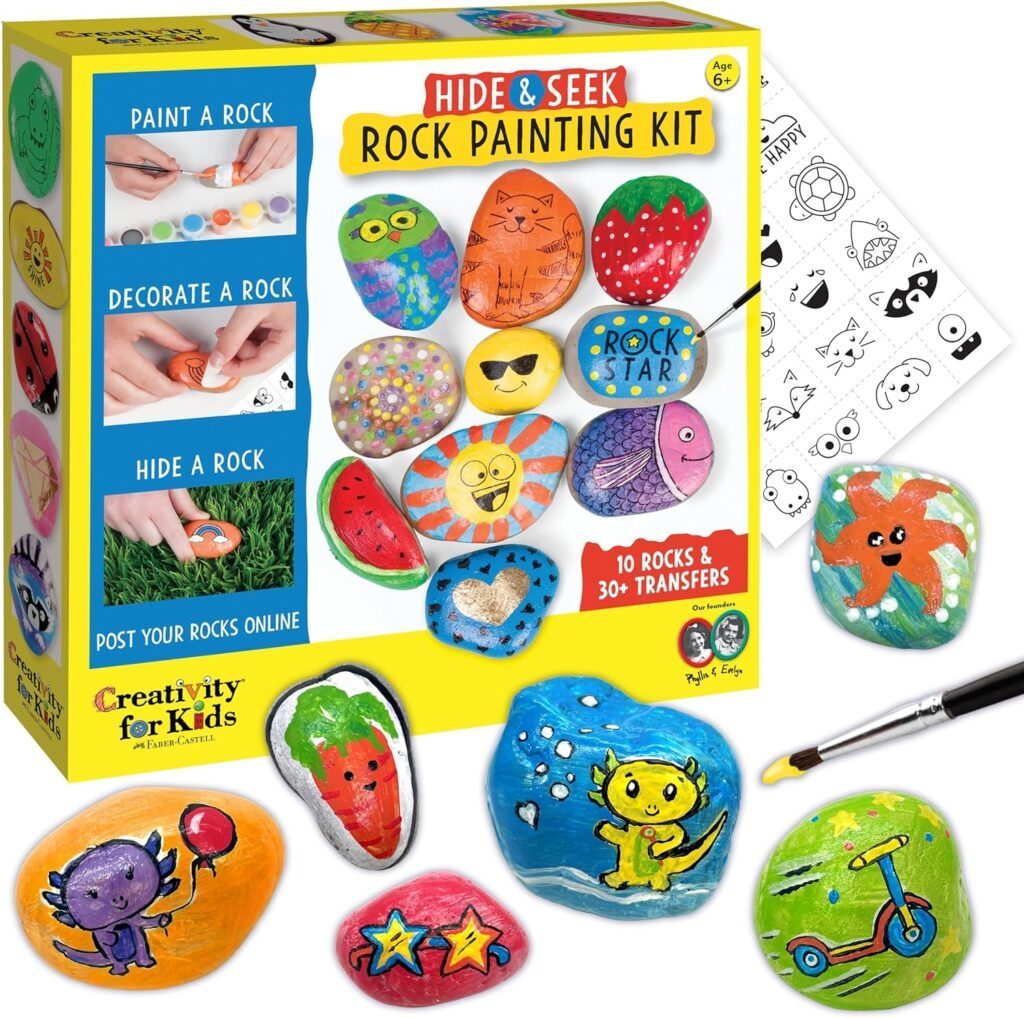
This is a great art project that can keep giving and giving. First, go on a nature walk with your kids, looking specifically for egg shaped rocks. Then, it is time for some water play! Give your rocks a bath to make sure they are clean. While they are drying, pick out pastel colored paints. Choose a color to paint each rock entirely. Once the base color has dried, add designs in other colors! Use q-tips and small paint brushes to create fun and unique designs for each rock. Once the rocks are dry, they can be used as decoration, or can be hidden for an Easter Rock hunt! credits: www.projectswithkids.com

Rock Painting

Salt painted Easter Eggs      

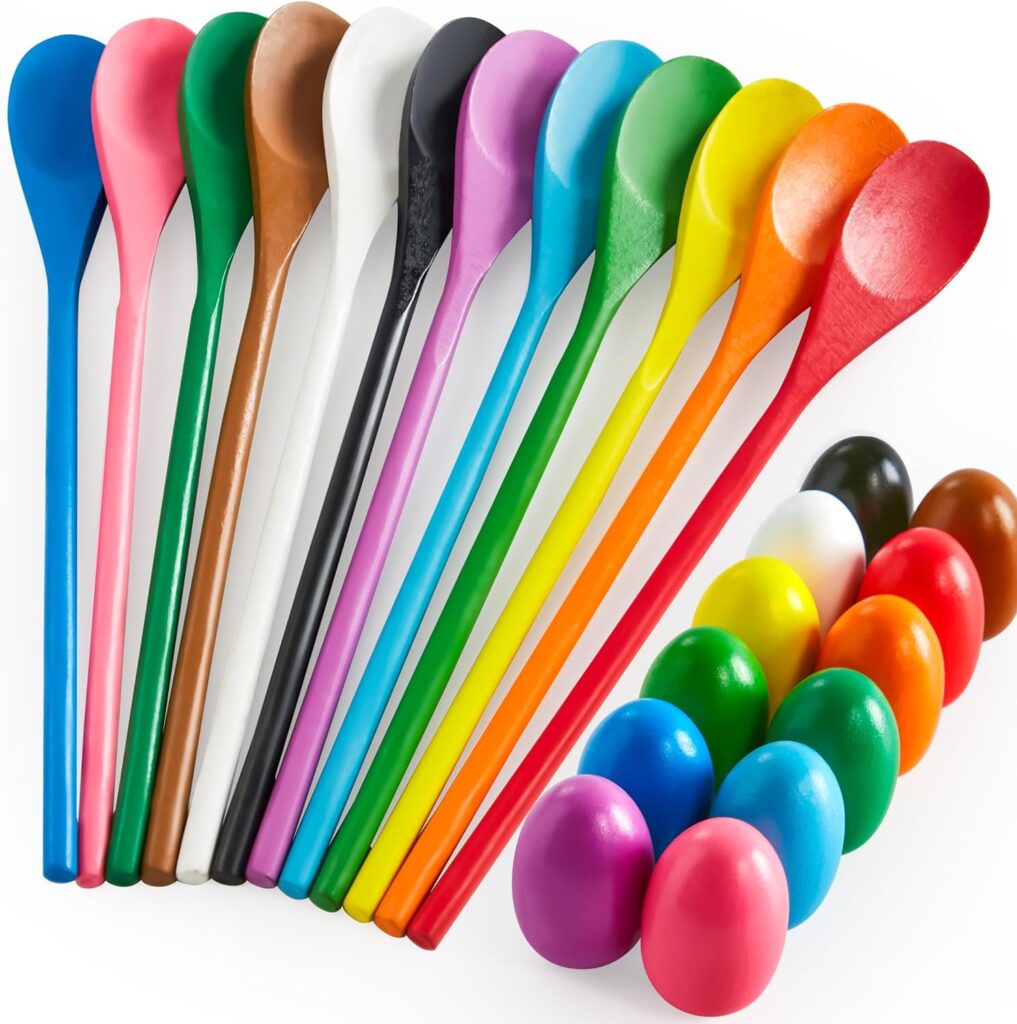
Egg Race

For this art project you need card stock, Elmer’s glue, salt, and watercolors. Draw an egg shape on card stock, including different designs on each egg. Trace over everything with glue, then add a liberal amount of salt, fully covering all of the glue. Allow to dry and gently dump off excess salt. Then dab on watercolor paint to color your eggs! The outcome is a beautiful, puffy looking art piece- a perfect addition to Easter decor for the season! credits: atteslilacsandlullabies.com 

Egg Carton Hatching Chick     

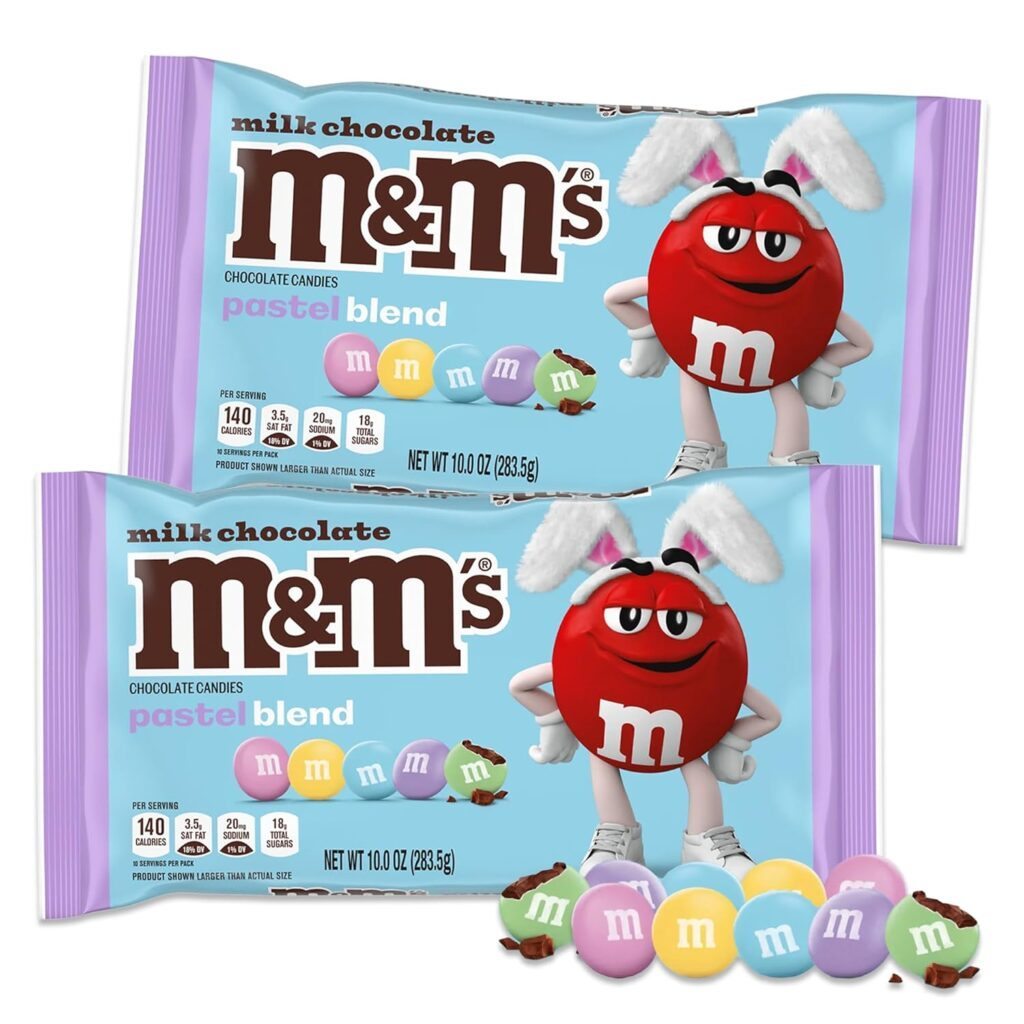
These cute little egg carton chick’s are super simple to make, plus a fun way to recycle egg cartons. Put goggly eyes on pom poms, add beak and feet. Cut egg carton for nest or chicken hat. Stretch this activity by filling these cute chicks with jelly beans or pastel colored m&m’s. Deliver the chicks to neighbors or friends in the area to get them in the spring mood.   credit: craftymorning.com

Amazon Find

Egg Carton Chick Gift   

Another cute little egg carton chick’s idea. Cut egg carton into small shells and glue two together and create cute chicks. Add beak, feet and fill with pastel colored m&m’s. Share the Easter love with the little cute carton Chick. Easy to make and fun to share. credits: practicallyfunctional.com

Edible Easter Art

The following are Easter art ideas for kids that may be a little more time consuming, or require a two step process. 

Easter Bunny    –  Marshmallow craft 

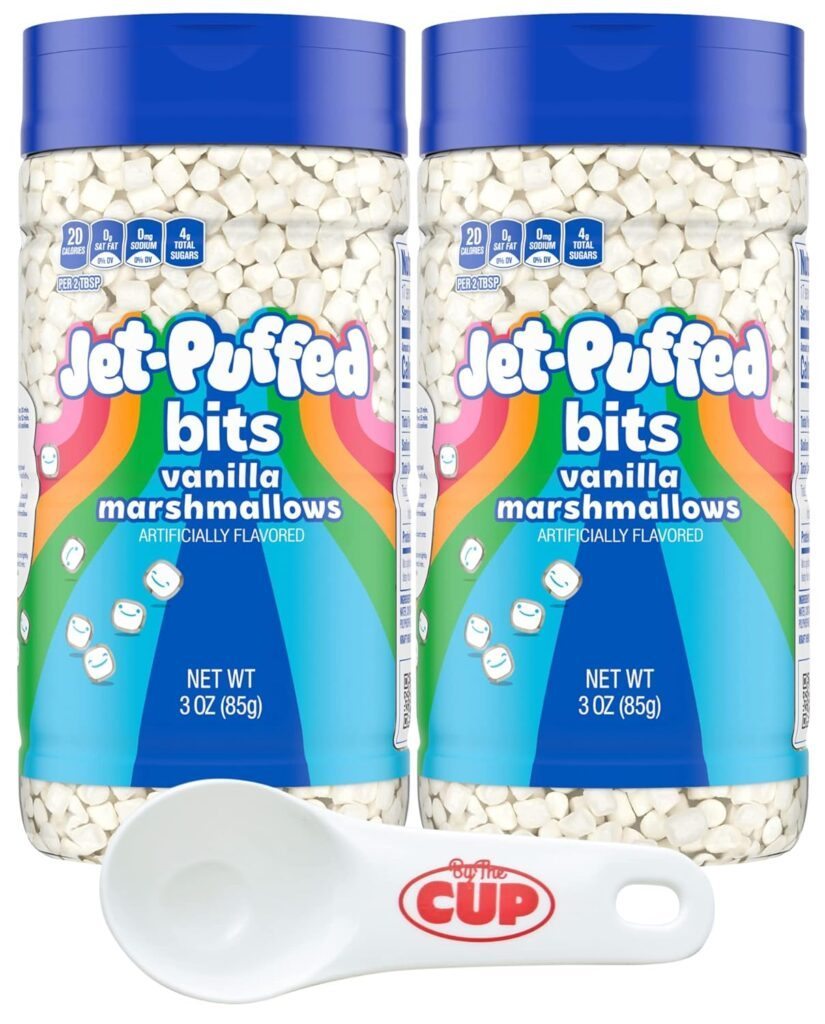
Draw a bunny on a paper. Trace a bunny drawing with glue and add marshmallows! A cute, easy, and yummy way to celebrate Easter with kids! Placing the marshmallows along the line is great fine motor skill practice for young kids, and you can guarantee they will be enthusiastic participants in this craft!  credit: classymommy.com

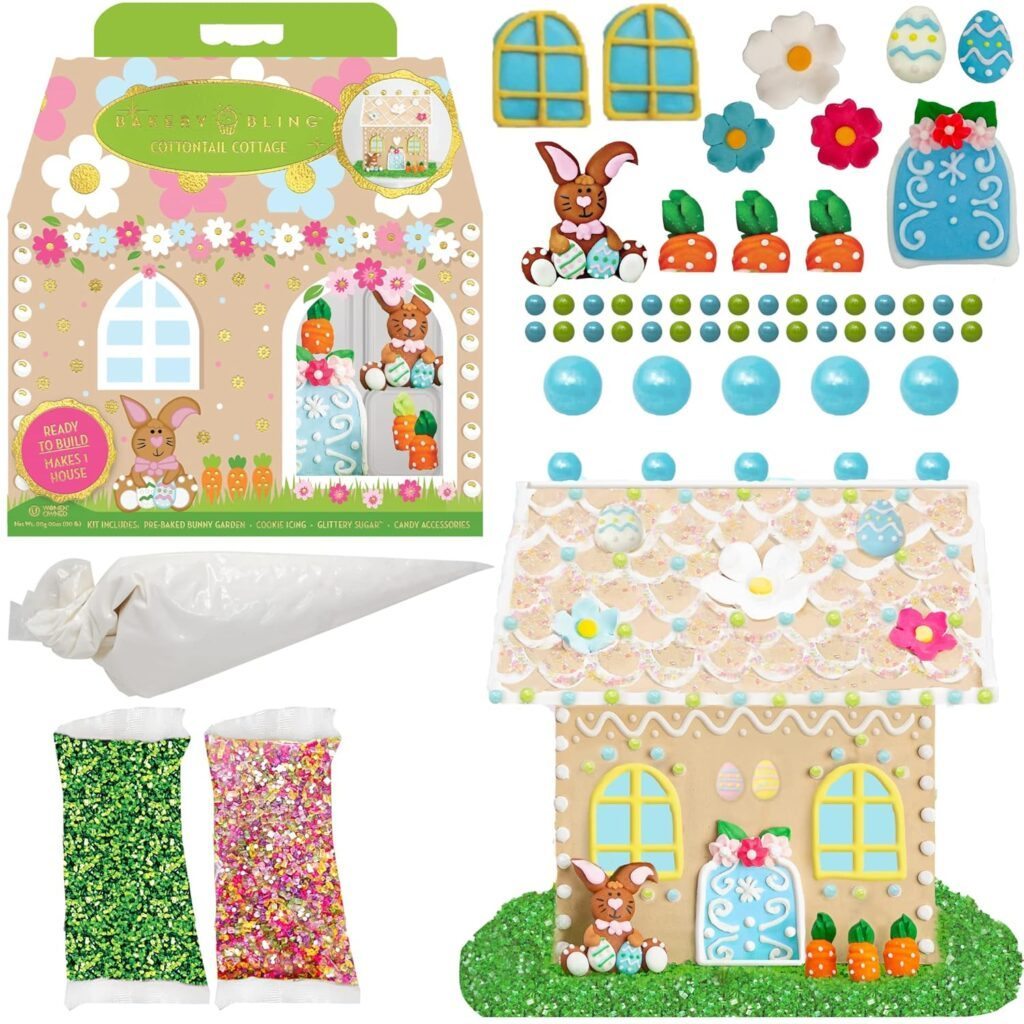
Easter Bunny House

Easter House

We’ve all heard of gingerbread houses, right? This is an Easter version! Use Easter inspired ingredients to make a wonderful house for a peeps bunny! So fun and yummy too! credit: www.itsalwaysautumn.com

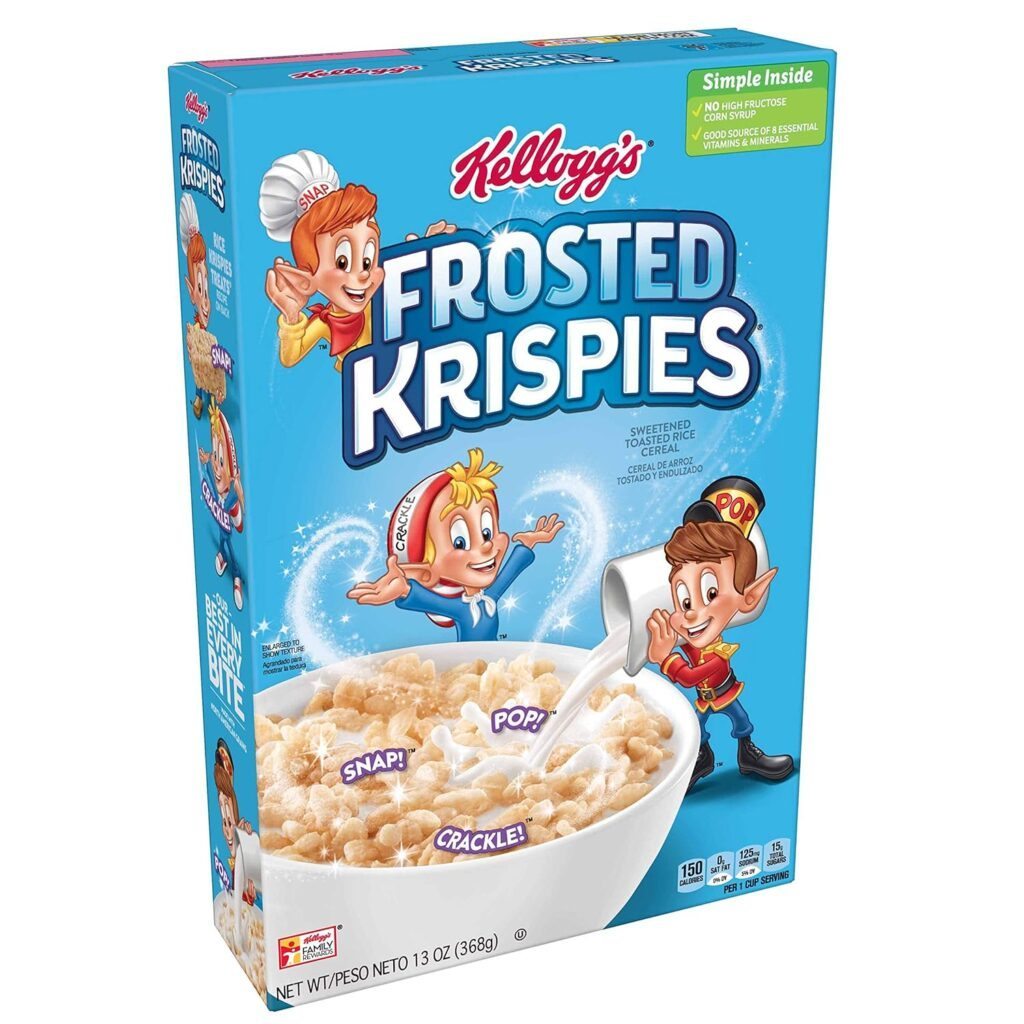
Easter Egg Rice Krispie Treats

Fun idea to make rice krispie treats and form them into an egg shape using a plastic easter egg coated with cooking spray! Hollow out the middle and add yummy treats in the middle of the egg krispie treat. credits:   makelifespecial.com

Frosted Krispies

Bunny Lollipop            

Lolly Pops

This is a super simple Easter craft turned treat for kids! First, grab a package of lollipops. Then simply wrap two together to look like bunny ears and add a bow and fluffy white cottontail (via a pom pom). Such a cute treat to pass to friends or share with classmates at Easter time! credit: www.smartschoolhouse.com

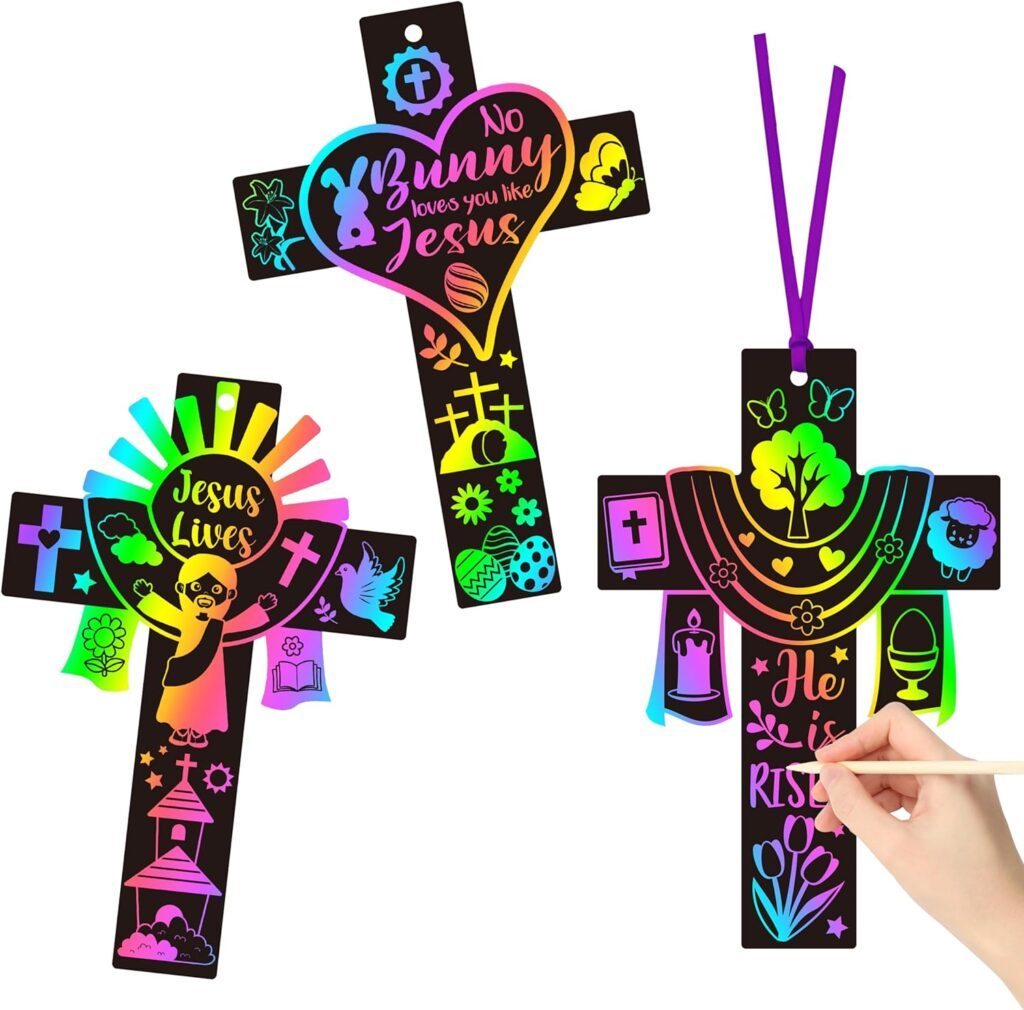
Religious Easter Art 

Easter is an important holiday for those who are religious. A great way to help kids grapple with the Easter story is by engaging them in a tactile way. Easter art for kids that reflect the Easter story can be really powerful. 

He is Risen 

Materials needed for this craft are mainly paper, glue, scissors, a hole punch, and paper fastener.  This is a craft that will likely need some parent support as it can be a little tricky to get just right. Find template: nontoygifts.com 

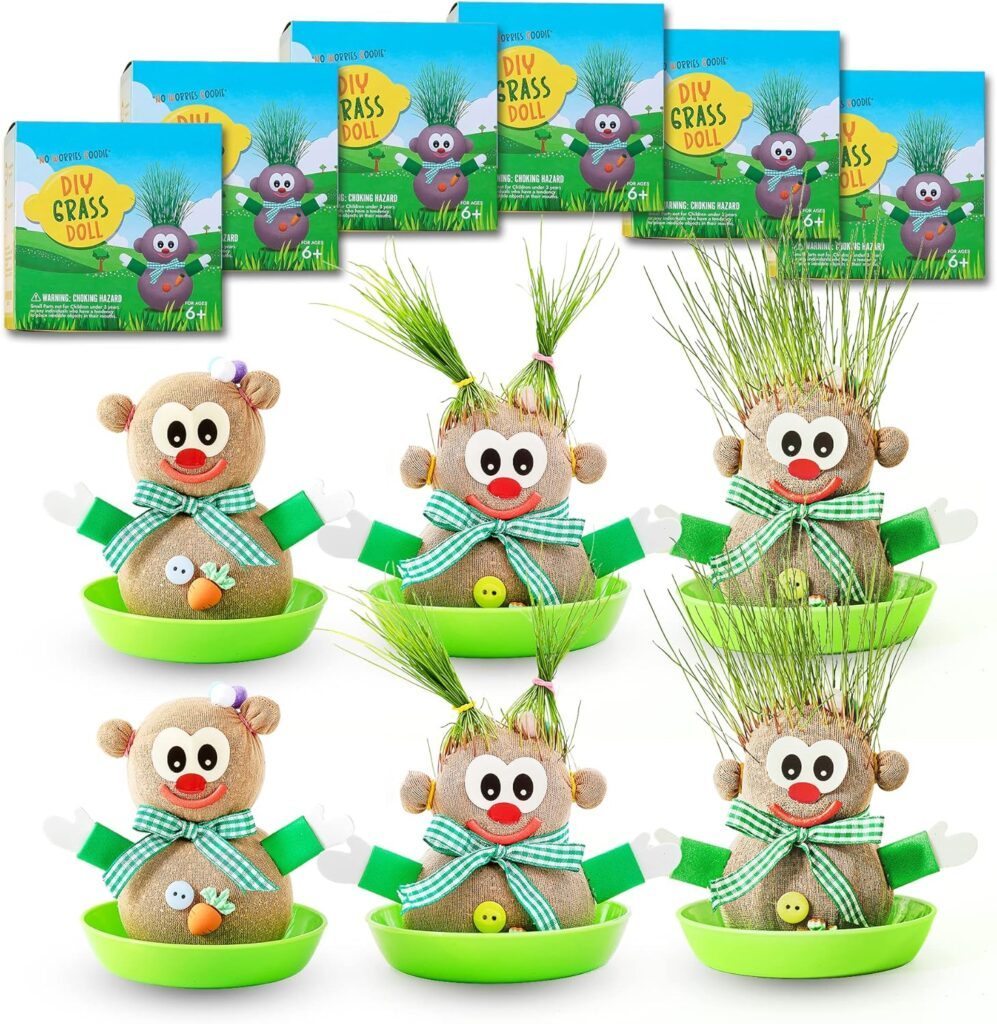
Resurrection Garden        

This Easter art project for kids recreates Christ’s tomb using some basic garden supplies and grass seeds. It’s a tangible and tactile way to discuss new life and growth. credits: sweettmakesthree.com

Easter Art for Kids and Parents too

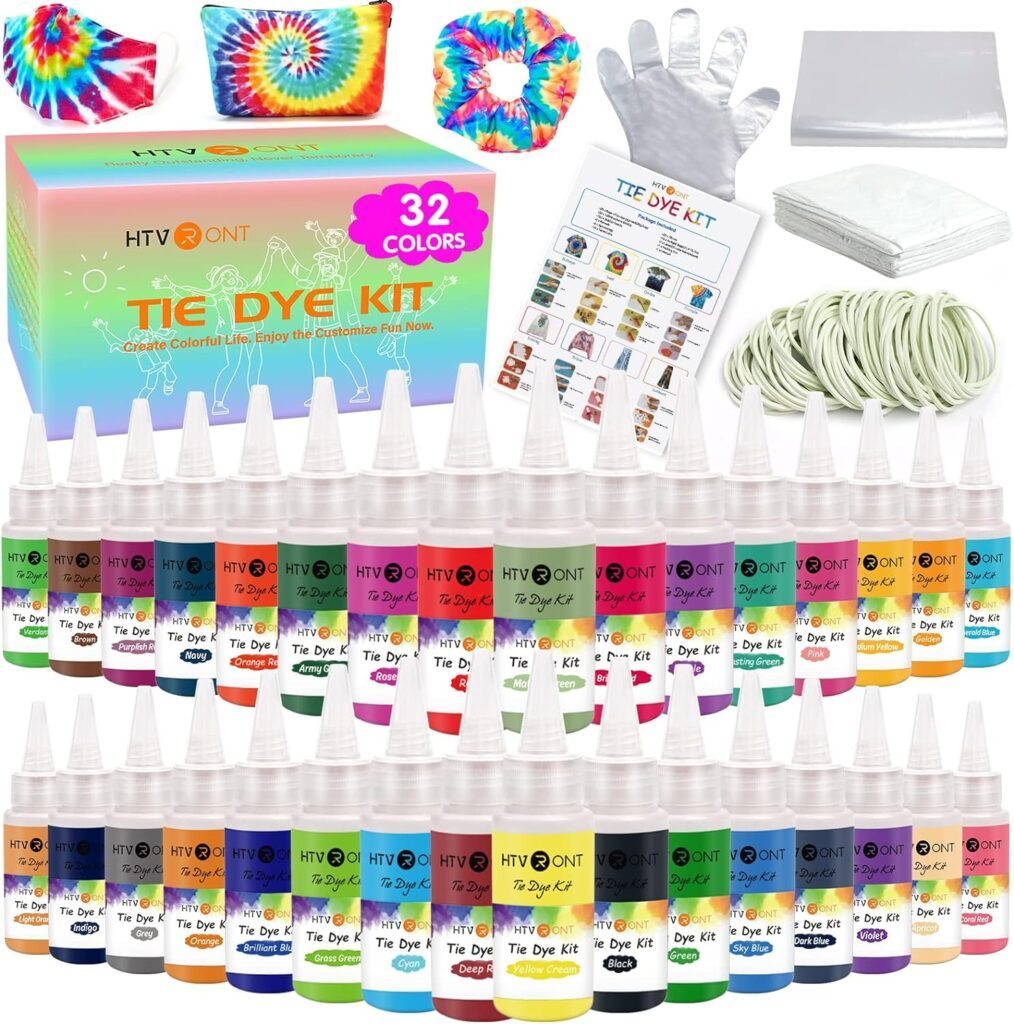
Easter Egg Dye   

(with natural dye colors made with everyday ingredients)  

The ultimate Easter art activity for kids is dyeing eggs! Yes, there are tons of egg dyeing kits out there. And sometimes just buying the box kit is enough! But, if you have a few hours to kill, these Easter eggs dyed with natural ingredients like beet,onion, turmeric, hibiscus, cabbage, ad beet kvass are incredibly gorgeous. Plus- just think of all the learning your kids will get– food exposure, color mixing, etc. credits: mommypotamus.com  

Egg Dye

Easter Egg Dye with Stencils    

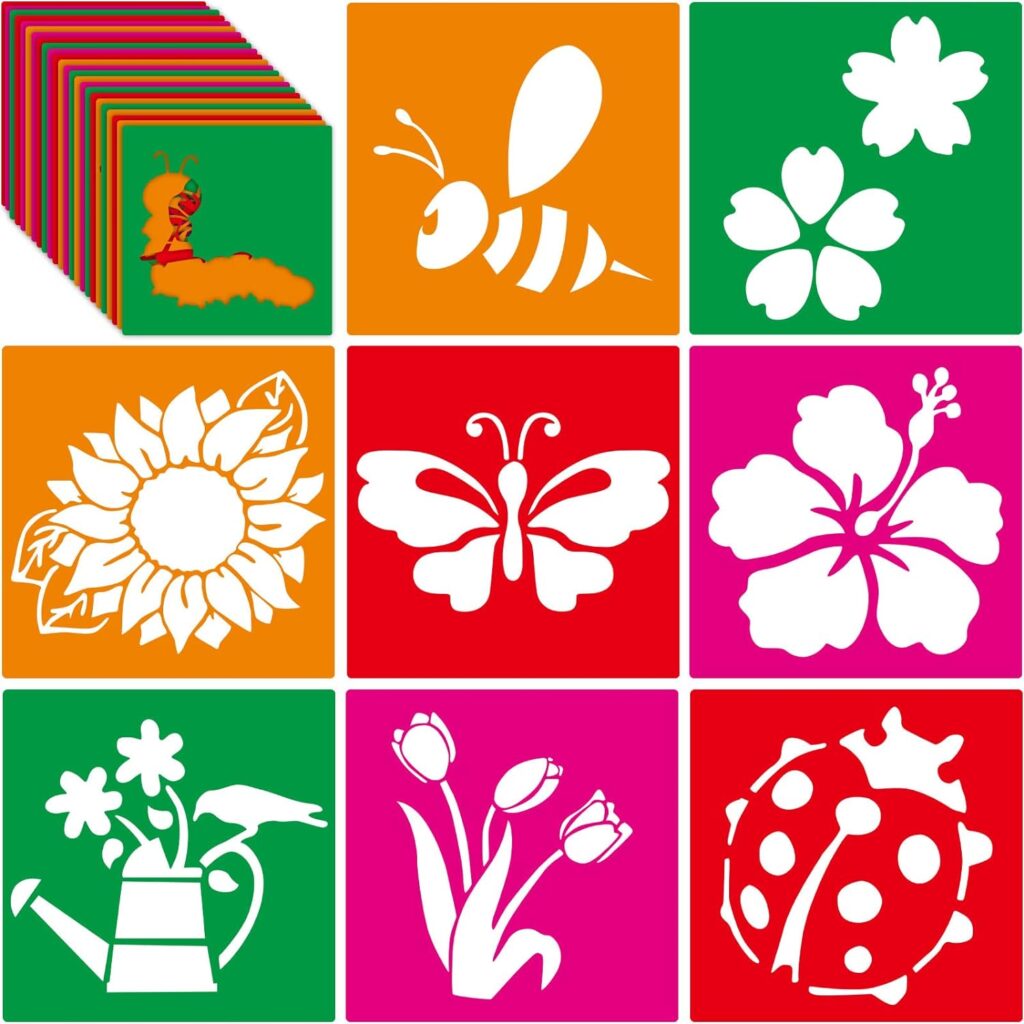
Spring Stencils

(Natural ingredients and flower stencils) 

These Easter eggs dyed with natural ingredients and stenciled with flowers and plants are beautiful! Using flower stencils is perfect for the spring season. This is a great way to get our kids outside, in and interacting with the natural world. Enjoy! credit:  nourishingmyscholar.com

Take what is useful, and leave the rest

Well-there’s the roundup of fun, different, easy, tasty Easter art for kids! Remember that these are suggestions for activities to set up for your child, but if this isn’t your thing, skip it! There are so many suggestions for ways we can “best” mother, and no one has time/energy/interest for it all! 

Happy Spring, Happy Easter!

Disclosure: We use affiliate links to earn a small commission. If you choose to purchase something through one of these links, there is no cost to you.

Homepage
Homepage
Posted in Child, GamesTagged activities, games, kids

Bolster Their Imagination with These 8 Indoor Play Games

CHILD, GAMES

Here are 8 indoor play ideas that you can try with almost any age. A few of them are classic games or activities you might have done as a kid yourself, but some are probably new. As you transform your home into a land of fun and imagination, they’ll practice their creativity and their motor skills.

Indoor play:

Freeze Dance

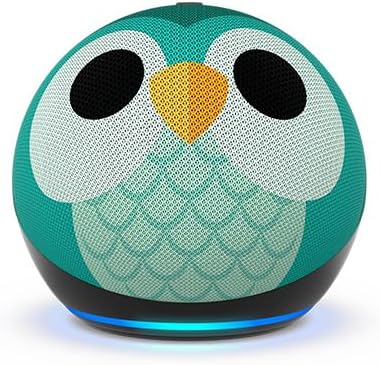
ECHO DOT for kids

You might have played this classic dance before! Play a song and stop the music every now and then. The kids must “freeze” in place whenever the music stops. You can have them freeze in silly poses or with funky faces. 

Older kids might find this a little childish, and if so, you can put them in charge of music while you play with the younger ones. Play their favorite songs and together you can have a dance party! 

Scavenger Hunt

Turn your house into a wonderland of hidden treasures. Choose something to hunt for, like a pattern, color or word around the house. Mark each item off on a list as they find them.

To add a little extra fun, you can have your kids pretend they’re a pirate, an adventurer or a princess stuck in a castle. You can even hide specific items around the house. Remind them of their favorite storybook with a secret letter or candy gold coins. Let theirs (and your!) imagination run wild!

Chocolate Coins

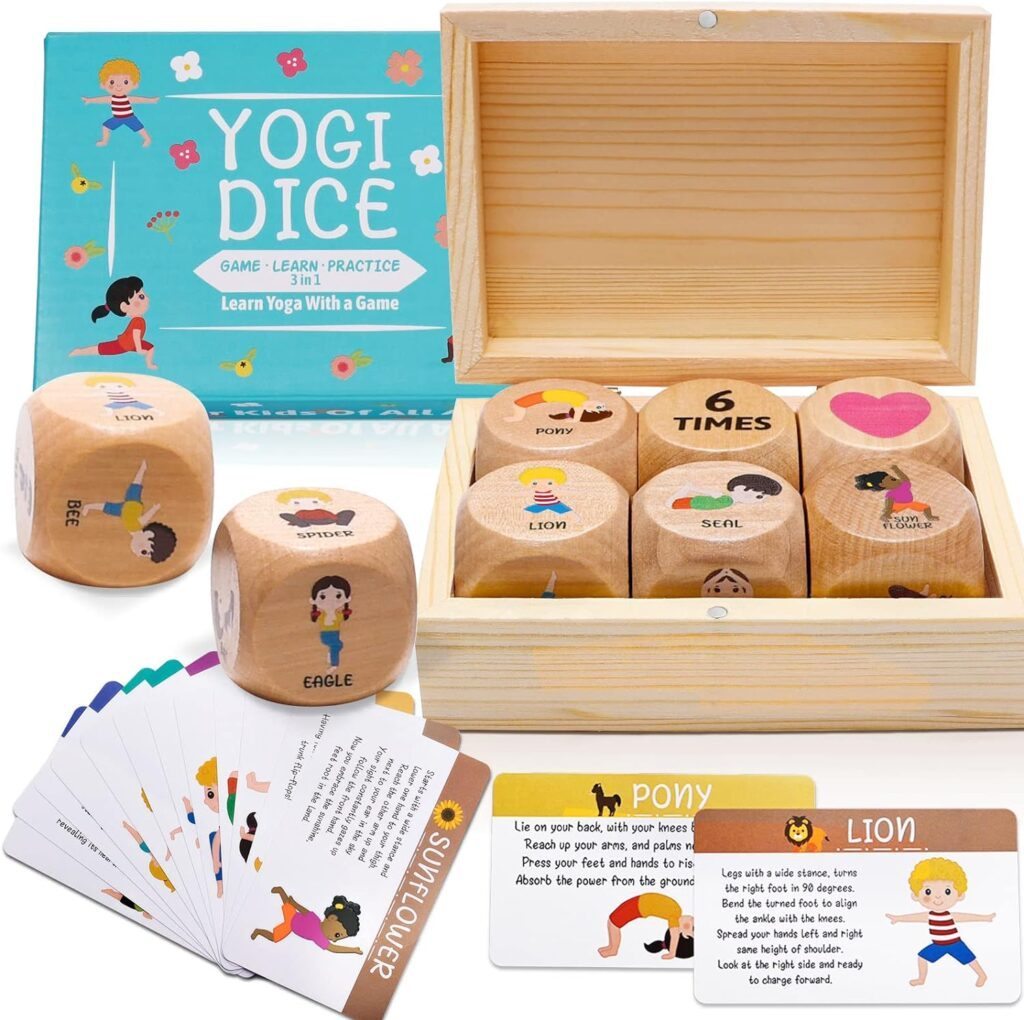
Yoga for Kids

Yoga for kids

You might think of yoga as something only adults can do, but yoga for kids is a great indoor play activity. It’s healthy for them to stretch, use their muscles, and practice calming breaths. You can find many great resources online, such as Yoga with Adrienne. Some online sites have yoga especially made with kids in mind. 

Or you can do it on your own! Have them stretch out on a mat and practice some good poses, like downward dog or warrior. They’ll burn off some energy and hopefully feel relaxed and at ease. 

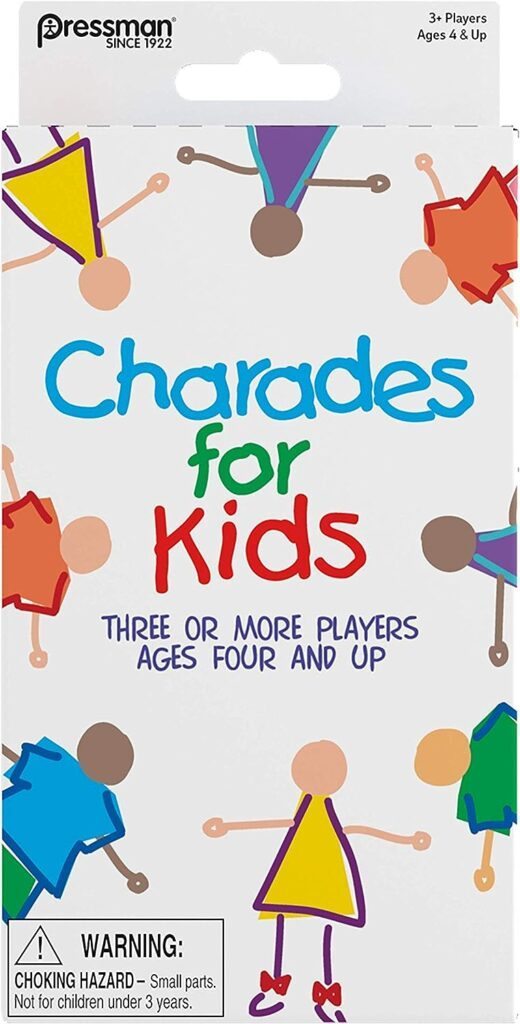
Charades

Charades is fun for the entire family, no matter what age. There are many variations, but the classic way to play is to have one person go up front and pantomime a book, song, celebrity or activity. You can choose specific categories like sports or Disney. 

The others must guess what the word is. First person to guess gets one point! For added fun, you can split players into teams and the first team to guess gets the point. Or you can set a timer and take turns. The possibilities for this indoor playtime are endless! 

Charade for kids

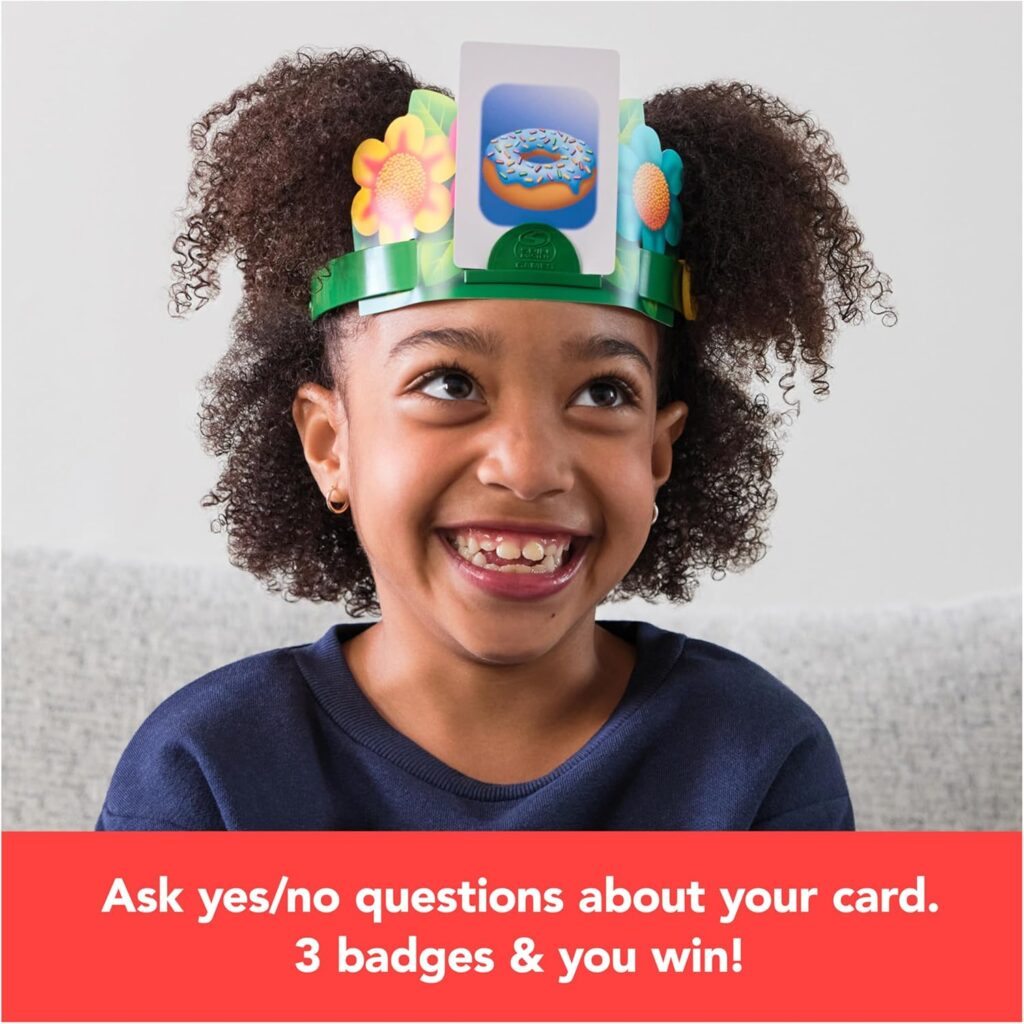
Who Am I? Game

Headbanz

Similar to charades, this classic game can be played many ways. The most common way is to have each person write down a famous person on a post-it note. You can set a category like singers or Disney characters. For very small children who can’t yet read, you can also use pictures instead of names.

Then, have each person pass the post-it to the next player. Remember, it’s a secret! So they shouldn’t know what the post-it says. Then, each player will put the post-it on their forehead. 

You’ll take turns. The first player will ask yes or no questions to figure out who they are, such as “Am I a boy?” or “Can they sing?” After they ask their question, it’s the next player’s turn. The first person to guess correctly wins!

Blanket Fort

Who doesn’t have good memories with a blanket fort? This is one of the most popular indoor play games and for good reason! Together, you can build a great space for reading, movie-watching or cuddling during your nap. 

Choose an area with lots of space. You can build your fort around the couch, table or whatever you can find. To add some extra flair, you can make a theme, such as a pirate ship, spaceship or underwater cave. Add lights, pillows, snacks–and of course, blankets. 

Blanket

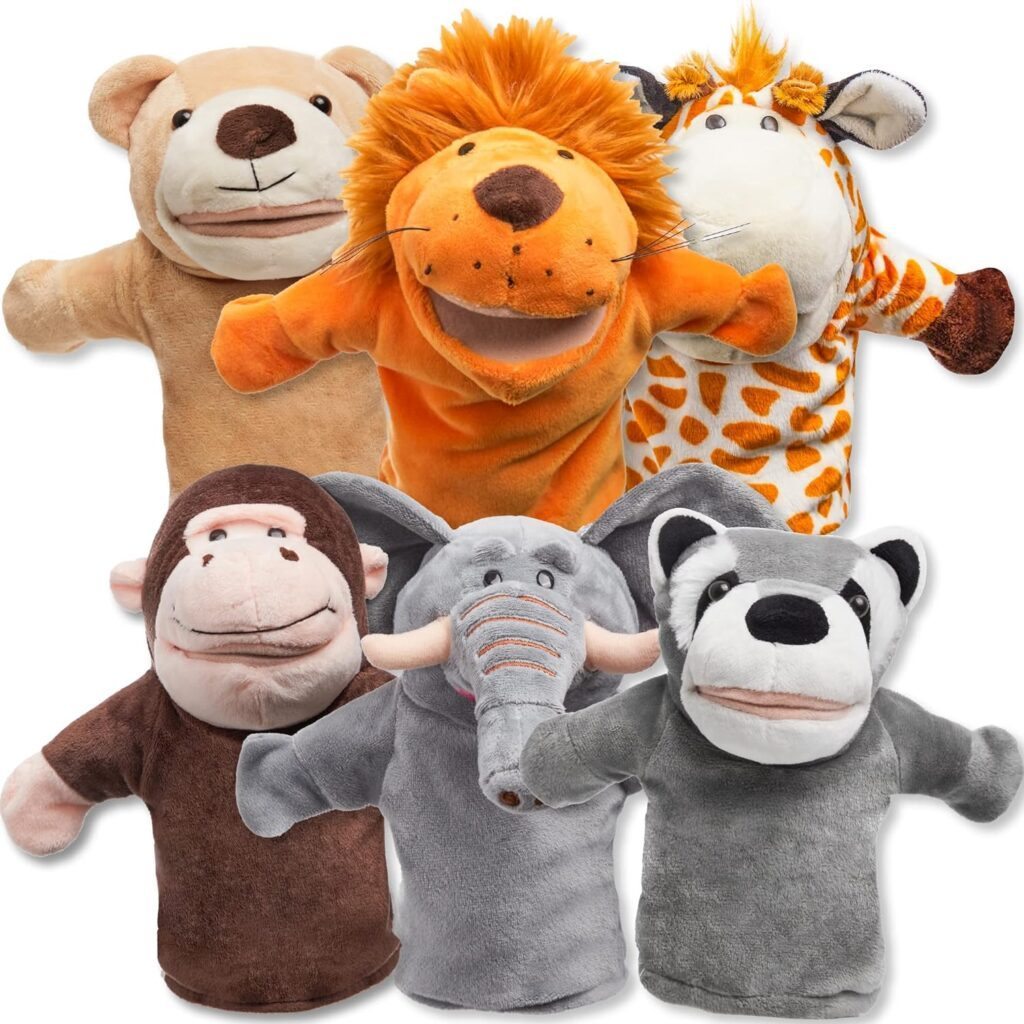
Puppet Show

Puppets

Puppet shows might sound like a lot of work, but they don’t have to be! Use an old sock or wooden spoon and together you can decorate with paper, felt, googly-eyes and pipe-cleaners to create their very own little puppet. Again, you can choose a theme, like fairies, animals or spooky ghosts.

Then you can set up a puppet theater–two chairs and a blanket will do just fine! Put on a show for the family and let their imagination show on stage. 

Mission Impossible Obstacle Course

Test your child’s spy skills by creating an obstacle course in your own hallway. For this indoor play activity, you’ll need crepe paper and tape. 

Tape lines of crepe paper from one wall to the other. You can zig and zag them high and low.

Have you tried these indoor activities? Staying indoors doesn’t have to be boring. In fact, with these indoor play ideas, you can make memories that they’ll look fondly on when they’re older.

Disclosure: We use affiliate links to earn a small commission. If you choose to purchase something through one of these links, there is no cost to you.

Homepage
Homepage
Posted in Child, GamesTagged games, kids, parenting

Spice up the Playground: How to Play with the Chinese Jump Rope

CHILD, FAMILY FUN, GAMES

Jump rope is one of the classic children’s games, but there are more ways to play than you might remember! Read through this guide for instructions on how to play this fun new twist on the old-school game. Mix exercise with skill and luck, no batteries needed!

Find it on Amazon

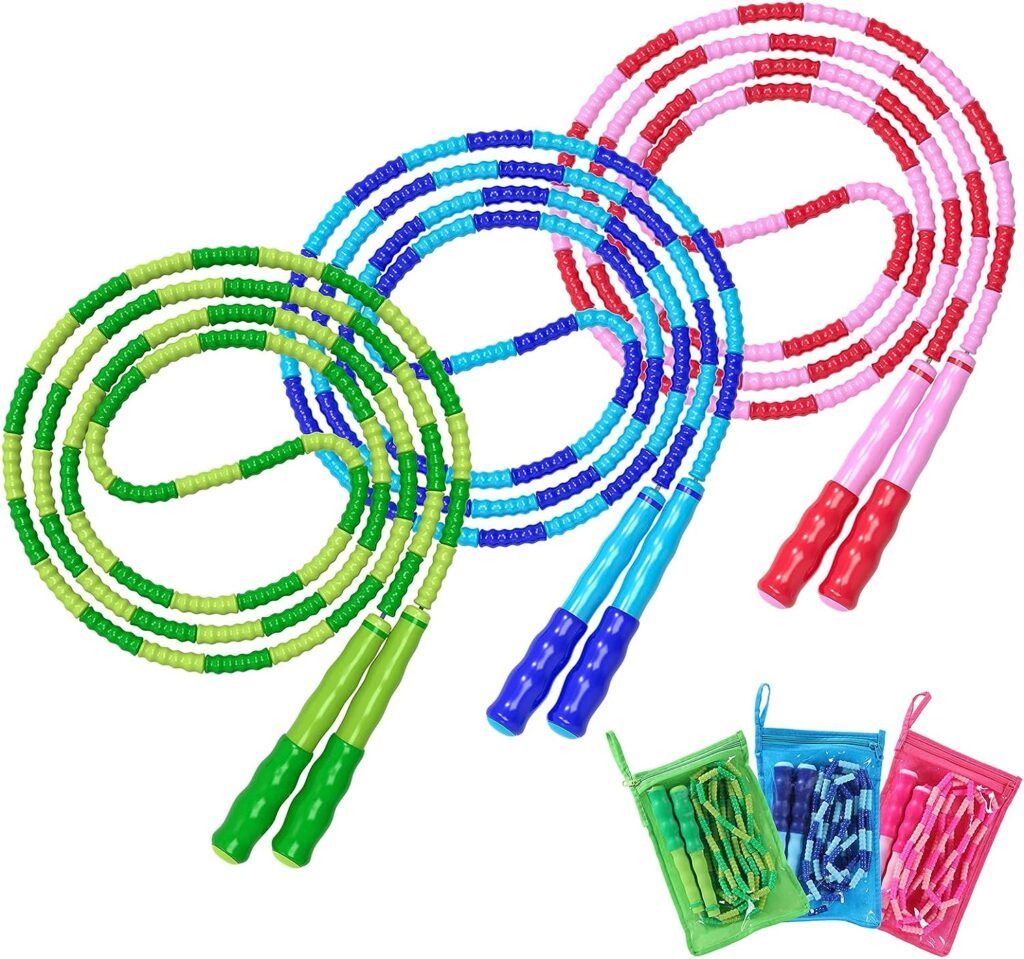
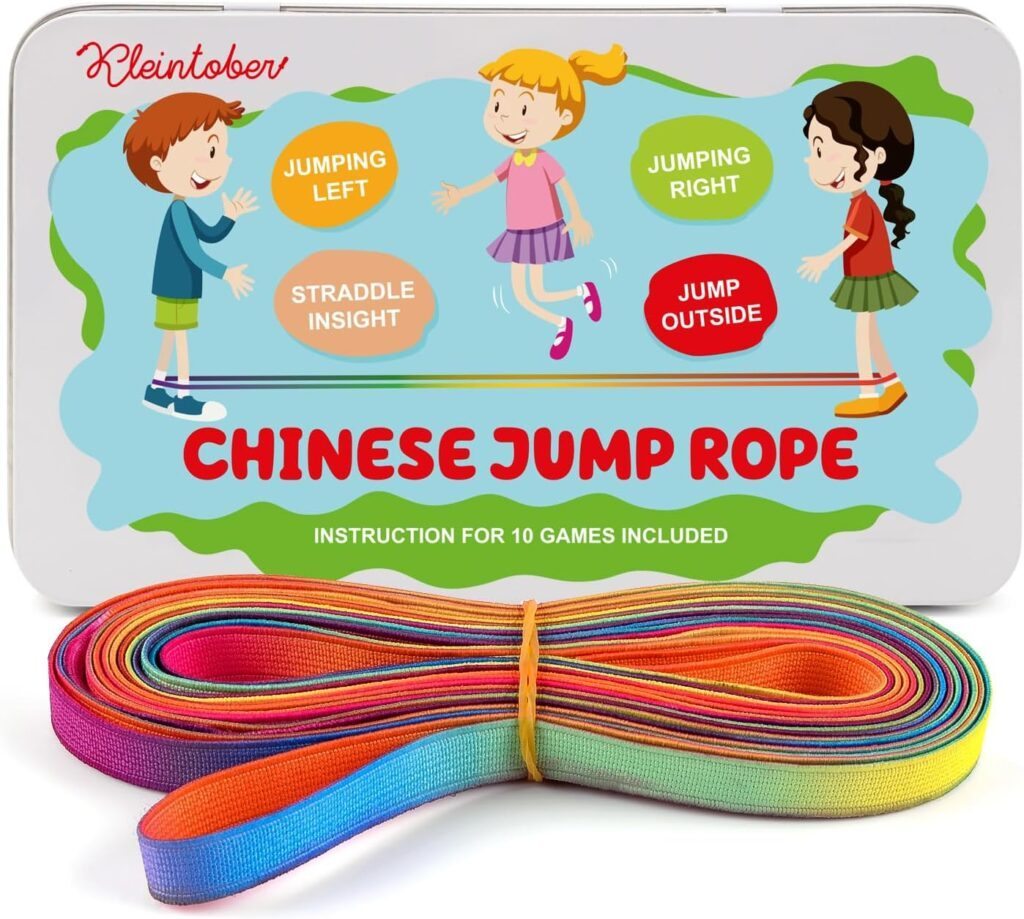
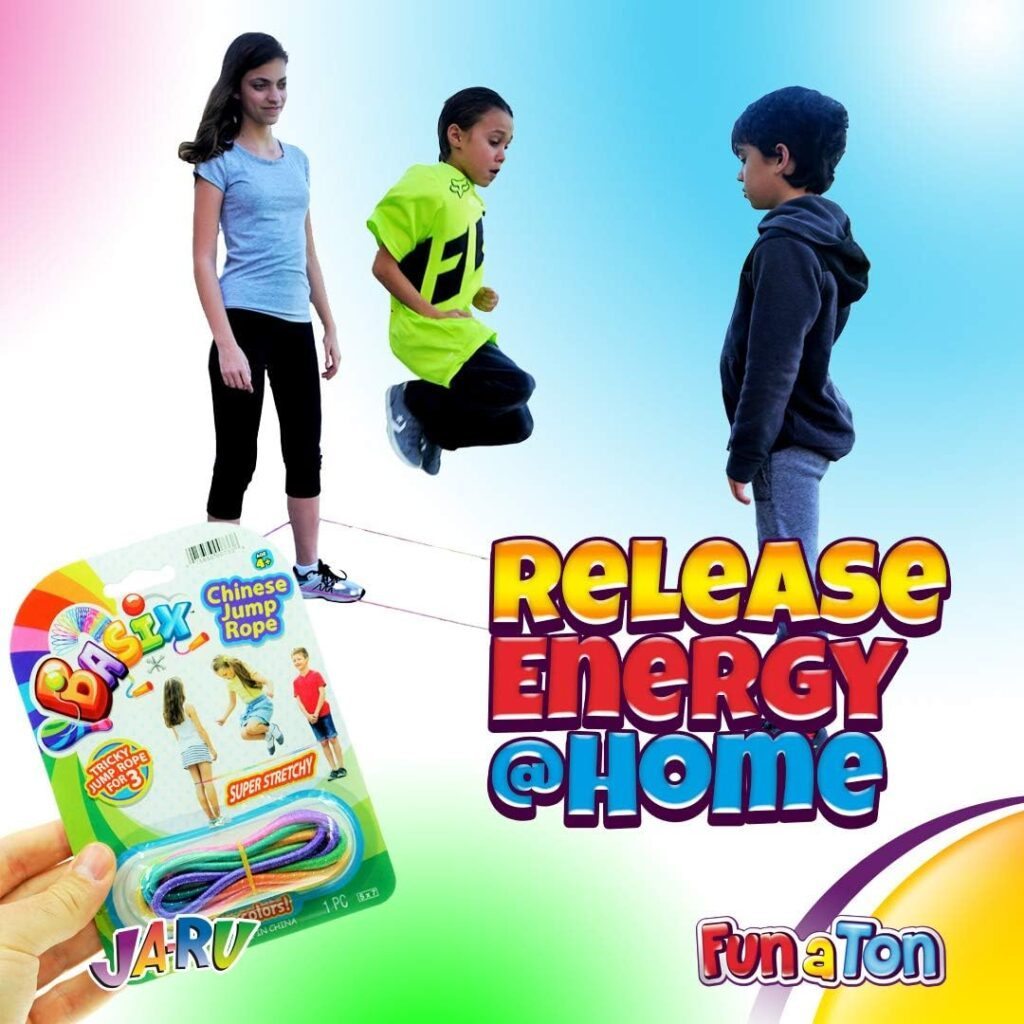
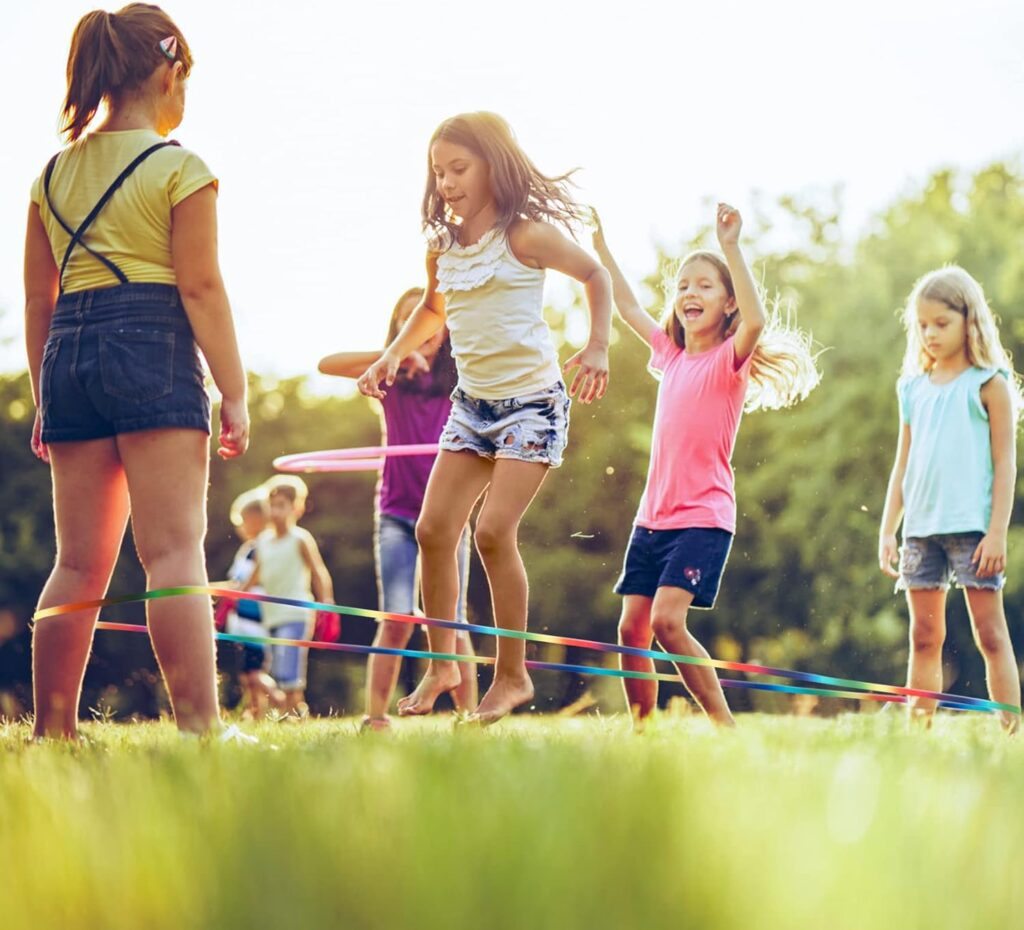
Chinese jump rope and it’s a little different than your average jump rope. This is one long elastic band, about three meters, with no opening. Because there are two ropes, this is like a double-dutch jump rope (with two ropes). 

Step 1: 

  • Begin with at least 3 players, ages up six or up. 
  • Start by having two players stand facing each other.
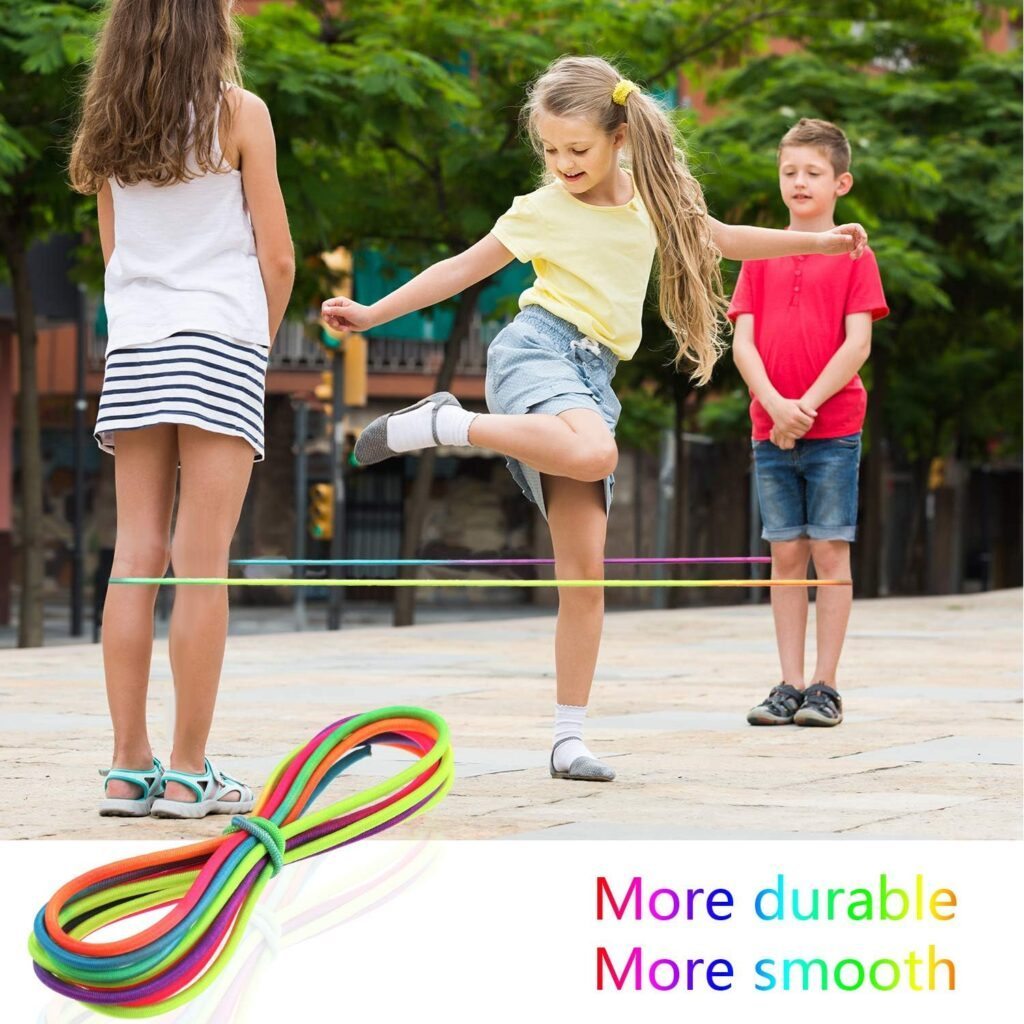
  • Then, they will take the rope, and place it around their ankles. The rope will look like a rectangle.

Chinese Jump Rope

Step 2:

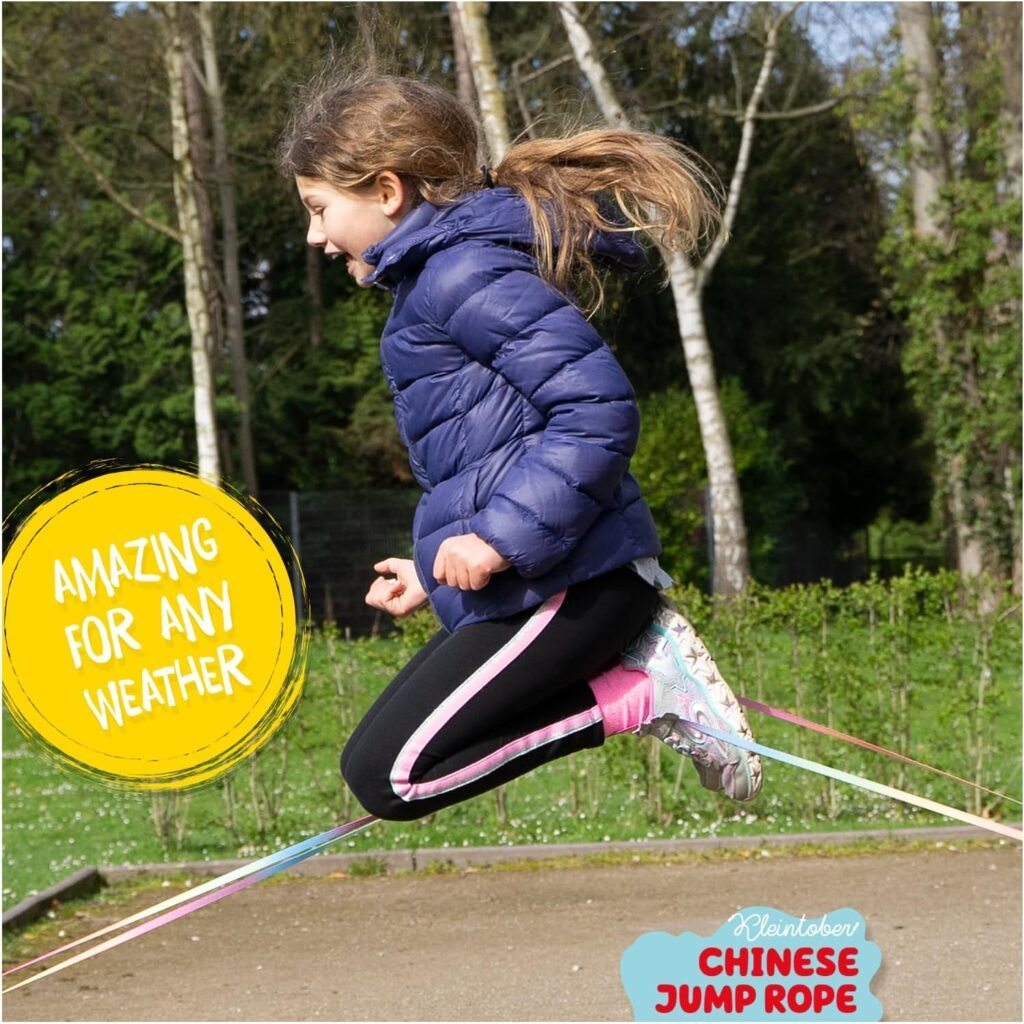
Start Jumping

  • The third player will begin to step into the square, jumping over the lines. 
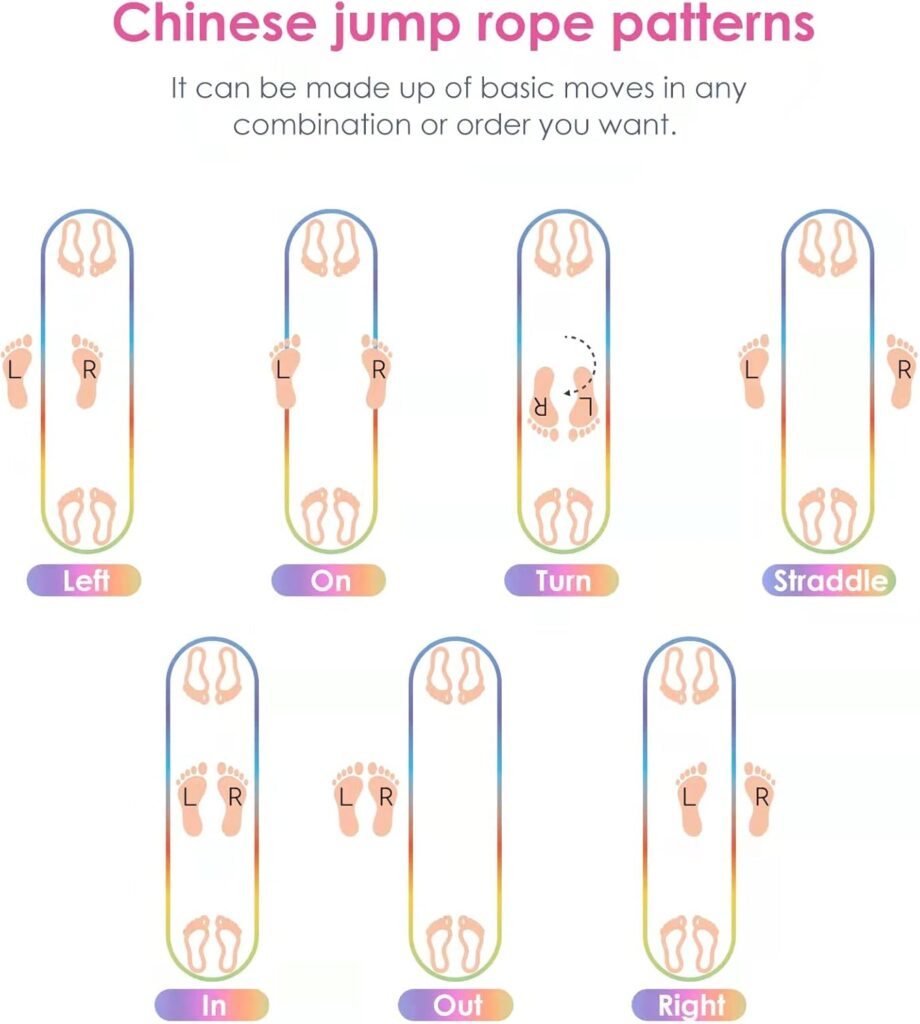
  • How they jump is up to the player! They can jump one side at a time, both ropes, or make their own complex jump patterns.

Some options are:

  • Jumping with both feet at the same time, trying to get the rope in between their feet.
  • Jumping between the ropes, then jumping on the ropes
  • Jumping only on the ropes
  • Turning around and back
  • Twisting the rope around your ankle and then jumping out, landing on the ropes. 

Fun for All

It can get very complex! As players grow more comfortable with the ropes, they can try more difficult patterns. 

Step 3:

Some patterns

Now the other two players can sing or recite nursery rhymes. See how long the third player can last jumping over one or both ropes. 

The jump rope will start to move up the two players’ legs and torsos, making it harder and harder for the third player to keep jumping. 

Challenge each other to see who can last the longest or jump the highest!

Step 4:

Keep going!

This elastic rope is long, making it long enough for more players to jump in. Try with a fourth person or switch places. 

If you’re looking for the perfect outdoor activity that will get them thinking and exercising, look no further. This elastic rope is a great collaborative tool, getting them to work together to think of unique and challenging jump patterns. 

Let’s Jump

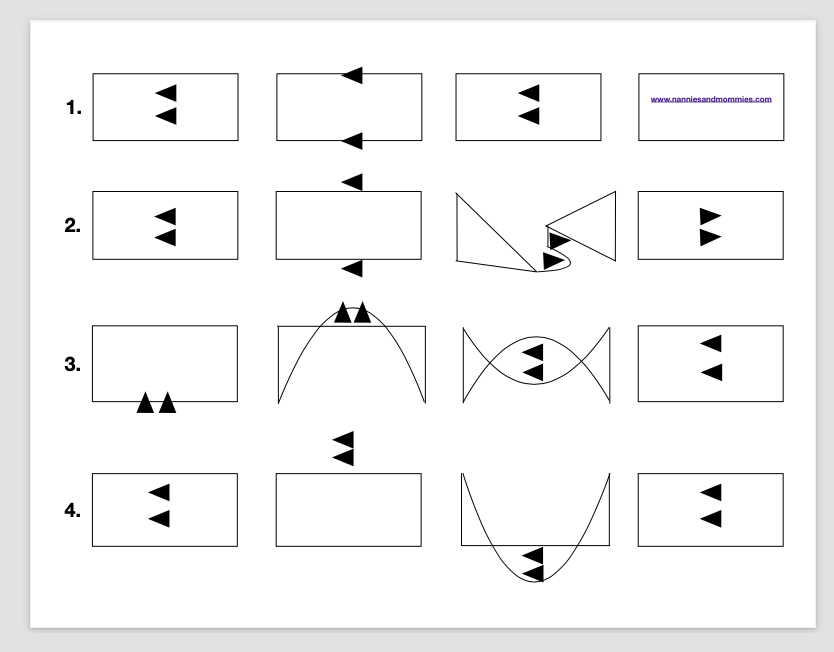
While it’s great for kids, parents can play too! Download some ideas on how to play this Chinese Jump Rope game FREE PDF


Disclosure: We use affiliate links to earn a small commission. If you choose to purchase something through one of these links, there is no cost to you.
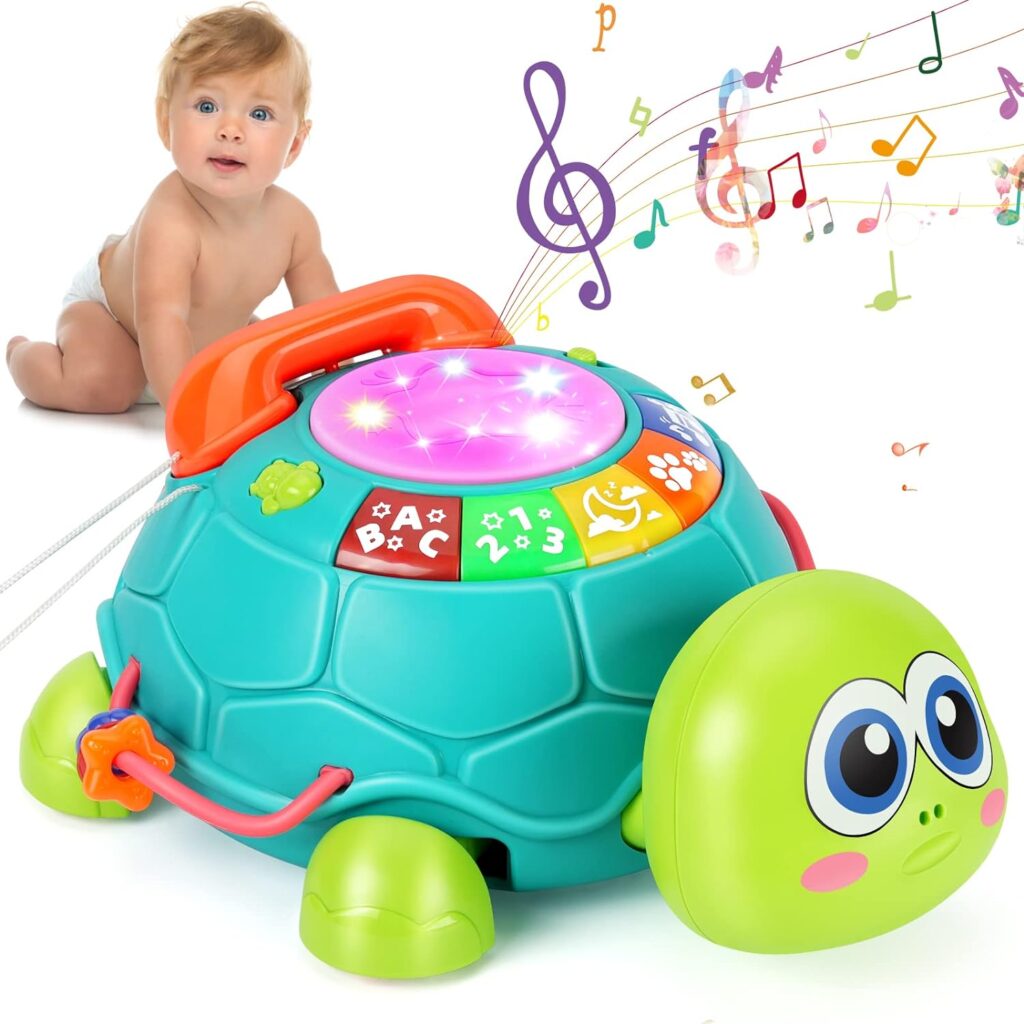
Homepage
Homepage
Posted in Child, Family Fun, GamesTagged activities, games, kids

Posts navigation

Older posts
  • Contact Us
  • Terms and Conditions
  • Privacy Policy

© 2026 Nannies and Mommies, all rights reserved.