Skip to content
  • Home
  • Events
    • Events
    • Event Submission
    • Play Dates
  • Jobs
    • Jobs
    • Post Your Job
    • Job Dashboard
  • Store
    • Store
    • Downloads
    • A Workbook for Creating Healthy Relationships for Children
    • Cart
  • Childcare
    • Childcare
    • Childcare Catalog Submission
  • Blog
    • Blog
    • Video Blog
  • Contact Us
    • Contact Us
    • Advertise
    • Privacy Policy
    • Terms and Conditions
  • My Account
Login/Register

Tag: parenting

Nanny Appreciation

NANNY, PARENTING

Small Gestures, Big Impact: Appreciating Your Nanny. Nannies are the unsung heroes of many households. Showing your appreciation for their hard work doesn’t have to be grand gestures; small acts of kindness can go a long way. Here are some ideas for nanny appreciation:

Verbal Appreciation

  • Say “thank you” often: Genuine gratitude is always appreciated.
  • Specific compliments: Acknowledge their efforts, like “Thank you for being so patient with [child’s name] today.”
  • Share your appreciation with others: Let your nanny know you value their work by mentioning it to friends or family.

Thank you

Thoughtful Gestures

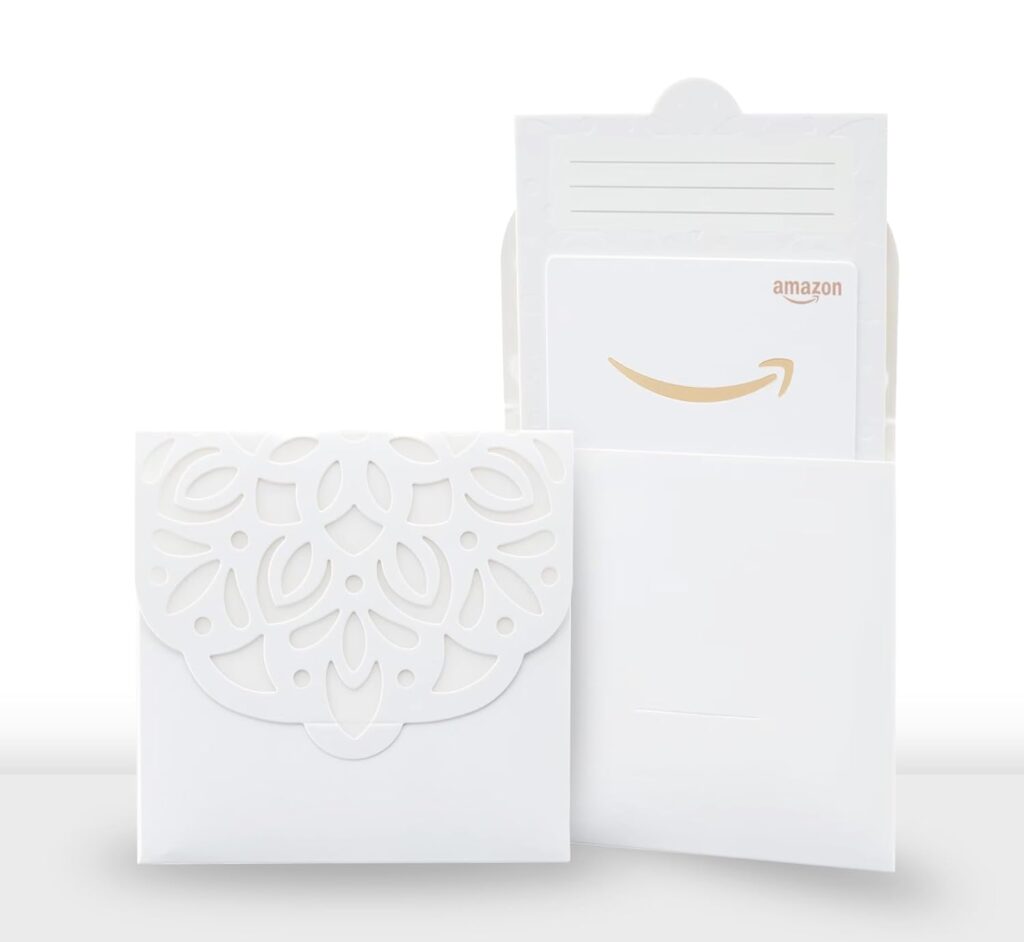
Thank you – Gift Card

  • Small gifts: Surprise them with a coffee gift card, a small plant, wine, or their favorite snack.
  • Handwritten notes: A heartfelt note expressing your gratitude can be incredibly meaningful. Also, ask your children to create special notes for your nanny
  • Involve them in family events: Make them feel like part of the family by including them in special occasions.

Growth Environment

  • Pay for Child Development Classes: Help them stay updated on child development milestones and growth
  • First Aid and CPR: Pay for their current certifications
  • Certified Courses: Help them to become certified professional.

Certification

Gift Ideas:

Gift Basket

  • Create photo memory album for your nanny with children/nanny time
  • Nice massage or tickets to concerts for her time off
  • Gift Baskets filled with her interest small things – art supply for artistic nanny , cosmetic for night outs, chocolate for sweet tooth, notebooks for writers or music books for singers.

Don’t forget to appreciate your nannies on special occasions like Christmas and their birthdays. While many nannies value financial support, thoughtful gifts can also make a significant impact. Small tokens of appreciation can go a long way in showing your gratitude for their hard work and dedication.

Remember, appreciation builds a strong and trusting relationship with your nanny. These small actions can make a significant difference in their job satisfaction and overall well-being.

Disclosure: We use affiliate links to earn a small commission. If you choose to purchase something through one of these links, there is no cost to you.

Homepage
Homepage
Posted in Nanny, ParentingTagged appreciation, nanny, parenting

Gentle parenting: Discipline

CHILD, PARENTING

Gentle parenting, also known as positive discipline, offers a different approach to dealing with discipline when children are misbehaving. Discipline focuses on fostering cooperation and respect and has longer term results rather than relying on punishment that has only monetary solution.

Here are some key points about gentle discipline:

Focus on Teaching, Not Punishment:

FIND IT ON AMAZON

It’s natural for children to explore, and sometimes this exploration leads to behaviors. Remember, they’re trying to understand the world around them and what’s expected.  By focusing on teaching rather than punishing, we can guide this exploration in a positive way.

Instead of yelling or spanking, explain why a behavior is wrong and offer alternatives.

Situation: Your child is throwing toys across the room.

Gentle Discipline: “Whoa! Throwing toys can hurt someone. Let’s find a safe way to play with them. How about we build a tower with these blocks instead?”

Help your child understand the natural consequences of their actions Gentle Discipline: Throwing a toy might mean it gets put away as a natural consequence of their action 

Find it on Amazon

Set Clear Expectations and Boundaries:

Find it on Amazon

Structure is key for children’s development. Clear boundaries provide a safe space for exploration, and well-defined expectations help them understand what’s acceptable. Most importantly, consistency in enforcing these expectations and boundaries is what truly guides their behavior.

Establish age-appropriate rules and routines for your child.

For example, toddlers routines: Establish regular times for waking up, healthy meals, naps, and bedtime. Focus on safety and basic expectations. “No throwing toys,” “Hold onto my hand when crossing the street,” Repeat expectations consistently and use positive reinforcement for good behavior.

Validate Feelings:

Create a safe space for your child’s feelings and emotions. While tears may seem overwhelming, remember they’re a natural way for them to express what’s going on inside them. By acknowledging their emotions with empathy, we can help them navigate difficult moments and develop healthy coping mechanisms.

Find it on Amazon

Acknowledge your child’s emotions, even negative ones. See some examples:

Find it on Amazon

“You seem frustrated. Is there something you’d like to talk about?”

“I see you’re sad. Building that tower can be tricky, would you like me to help?”

“I see you’re throwing your toys because you’re angry. Throwing can hurt someone. Can we find another way to show your anger?”

Help them learn to express their feelings in healthy ways – exercise, communication, walk, art, breathing, meditation, etc. 

Positive Reinforcement:

Catch them being good! Don’t wait for grand gestures.

Look for everyday moments to praise “I see you shared your toys with your friend! That was very kind.”

Use specific praise:  Highlight the specific behavior you want to encourage. “Wow, you listened the first time I asked! Thank you for being such a good listener.”

Talk to your child in a calm and respectful tone.

Find it on Amazon

Gentle Discipline Techniques:

Here are some specific strategies for gentle discipline:

Find it on Amazon

  • Time-in: Offer a quiet space for your child to calm down instead of using a time-out.
  • Redirection: Distract your child from unwanted behavior and offer an alternative activity.
  • Problem-Solving: Work together with your child to find solutions to challenges.
  • Empathy Talks: Help them understand how their actions affect others.

Remember:

Gentle discipline is a journey, not a destination. It takes time, patience, and consistency. 

Be kind to yourself! There will be setbacks, but every interaction is a learning opportunity.

Celebrate your successes, both yours and your child’s.


Disclosure: We use affiliate links to earn a small commission. If you choose to purchase something through one of these links, there is no cost to you.

Homepage
Homepage
Posted in Child, ParentingTagged advice, parenting

7 Gender reveal ideas

BABY

Gender reveal parties have become increasingly popular in recent years as expectant parents seek creative ways to share the news of their baby’s sex with family and friends. There are so many fun ideas for gender reveals that allow everyone to get involved! From classic balloon-popping boxes to unique games, here is a list of creative gender reveal ideas that will make your celebration one to remember.

Here are some 7 Gender reveal ideas for planning your reveal party:

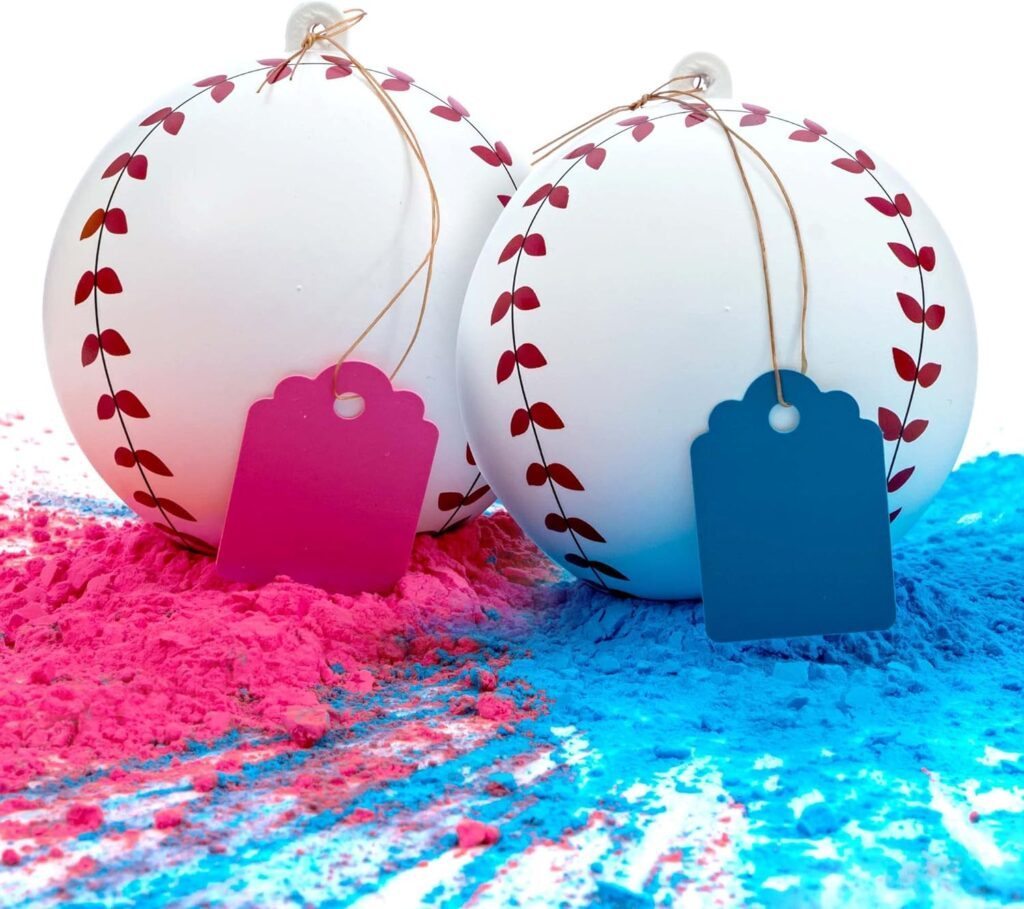
Exploding balls: 

Gender Balls

An exploding golf ball/baseball baby reveal is a fun and unique way to announce the gender of your baby to your friends and family. It is also a great way to incorporate your love of golf/baseball into your gender reveal party.

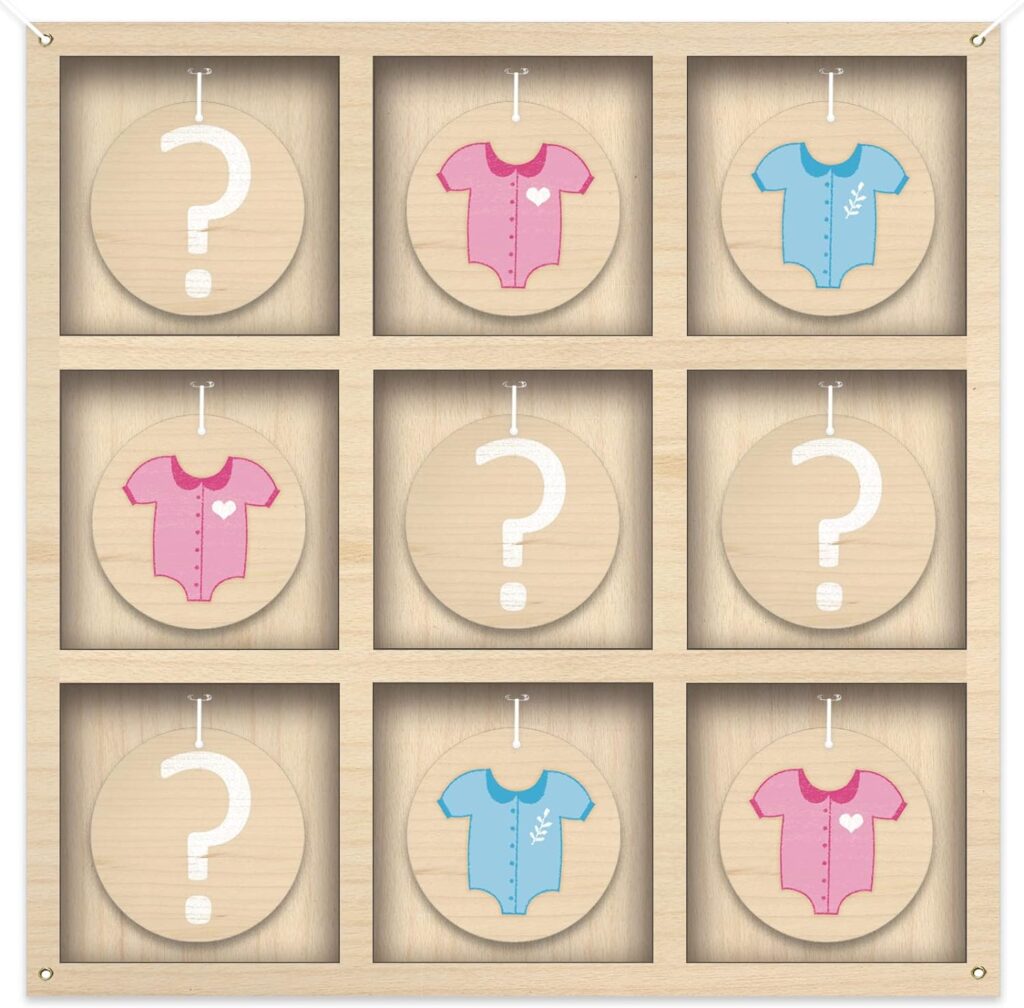
Tic Tac Toe Board

This fun and interactive gender reveal game is perfect for parties of all sizes! Simply hang the board on the wall and have new parents turn cards on the board. Once someone has three in a row, the gender of the baby is revealed!

Tick Tack Board

Edible glitter for drinks

Glitter Drink

To use edible glitter for drinks, simply add a small amount to the bottom of each glass or cup before pouring in the beverage. You can use any type of light color beverage you like, such as water, soda, or even champagne. When the beverage is poured in, the glitter will rise to the top and create a beautiful sparkling effect. The color of the glitter will reveal the gender of your baby.

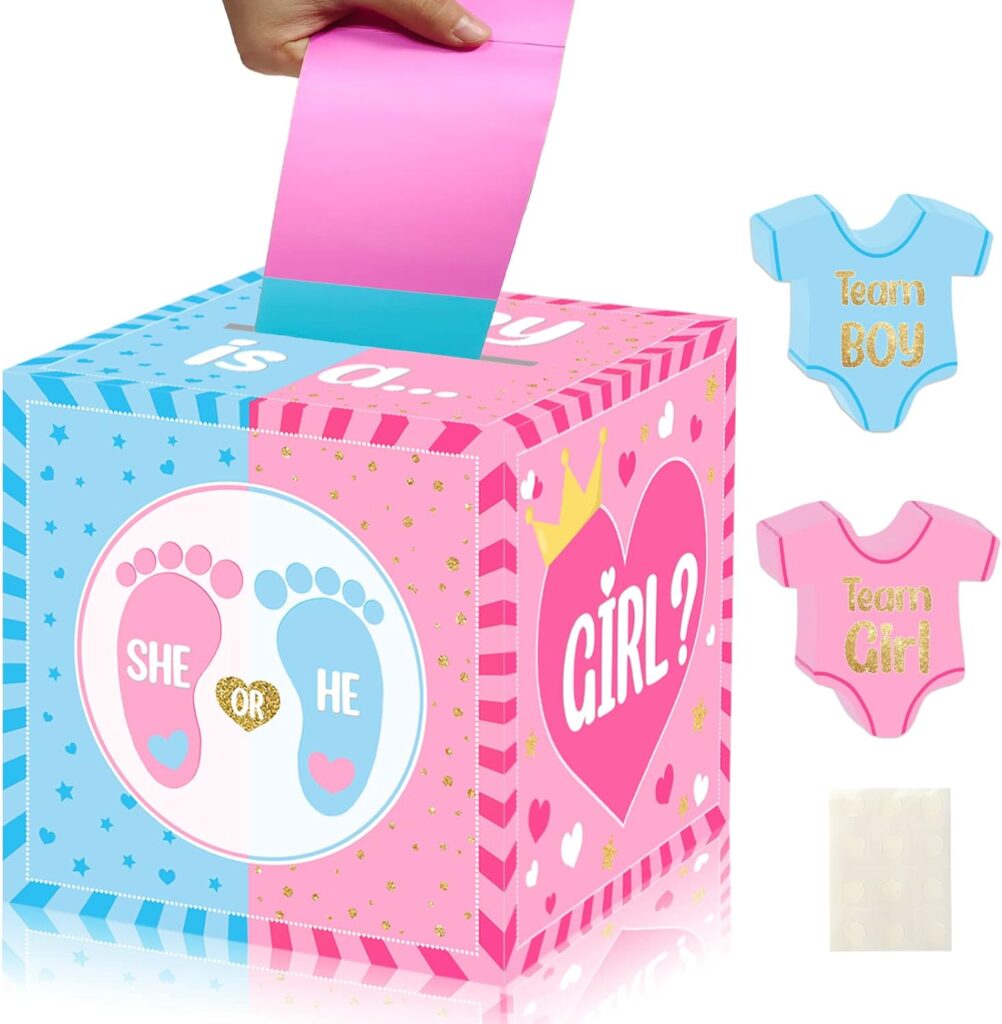
Pull out game

To use a baby gender reveal party kit, simply set up a voting station at your party. Have guests cast their votes. Then, when it’s time to reveal the gender, have mom and dad pull the balloon to reveal the gender 

Pull Out Game

Photoshoot or car exhaust reveals

Powder

fun and exciting way to announce the gender of your baby to your loved ones. It is a safe and easy-to-use powder that can be used in a variety of ways, such as for photoshoot reveal or a tire burnout reveal.

Cupcakes with M&Ms

A baby revealing cupcakes with M&M’s is a fun and creative way to announce the gender of your baby to your loved ones. The cupcakes are filled with M&M’s in either blue or pink, and when they are bitten into, the M&M’s will cascade out, revealing the gender of the baby.

M&M’s

Disclosure: We use affiliate links to earn a small commission. If you choose to purchase something through one of these links, there is no cost to you.
Homepage
Homepage
Posted in BabyTagged baby, parenting

Amazon Baby Registry

BABY, PARENTING

Congratulations on your upcoming arrival!  Whether you’re a first-time parent or welcoming another little one, Amazon Baby Registry simplifies the process and ensures a smooth transition into parenthood. It is your one-stop shop for everything your baby needs.

Visit our store Amazon Baby Registry


Building a Baby Wardrobe

Dressing your little one should be both fun and functional. This essential clothing guide equips you with the key items to ensure your baby stays cozy and comfortable throughout the day and night:

Everyday Essentials:

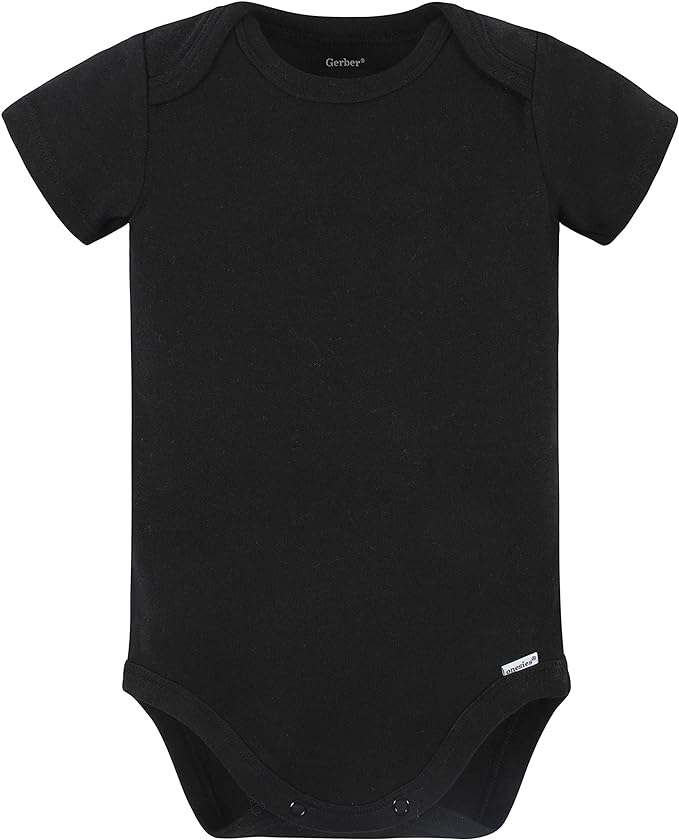
Onesies and Bodysuits: The foundation of your baby’s wardrobe. Look for Onesies that are made from soft, breathable fabrics like cotton, they’re easy to put on and take off, perfect for quick diaper changes.

Pants: Choose a comfy pants with elastic waistbands for easy changes and unrestricted movement during playtime.

Footed Pajamas: A sleepwear must-have, footed pajamas keep your baby warm and snug throughout the night. Choose from various thicknesses to suit the season ensuring a comfortable night’s sleep.

Socks and Booties: Keep those little toes warm. Booties add an extra layer of warmth and protect little feet from the cold, especially in cooler weather.

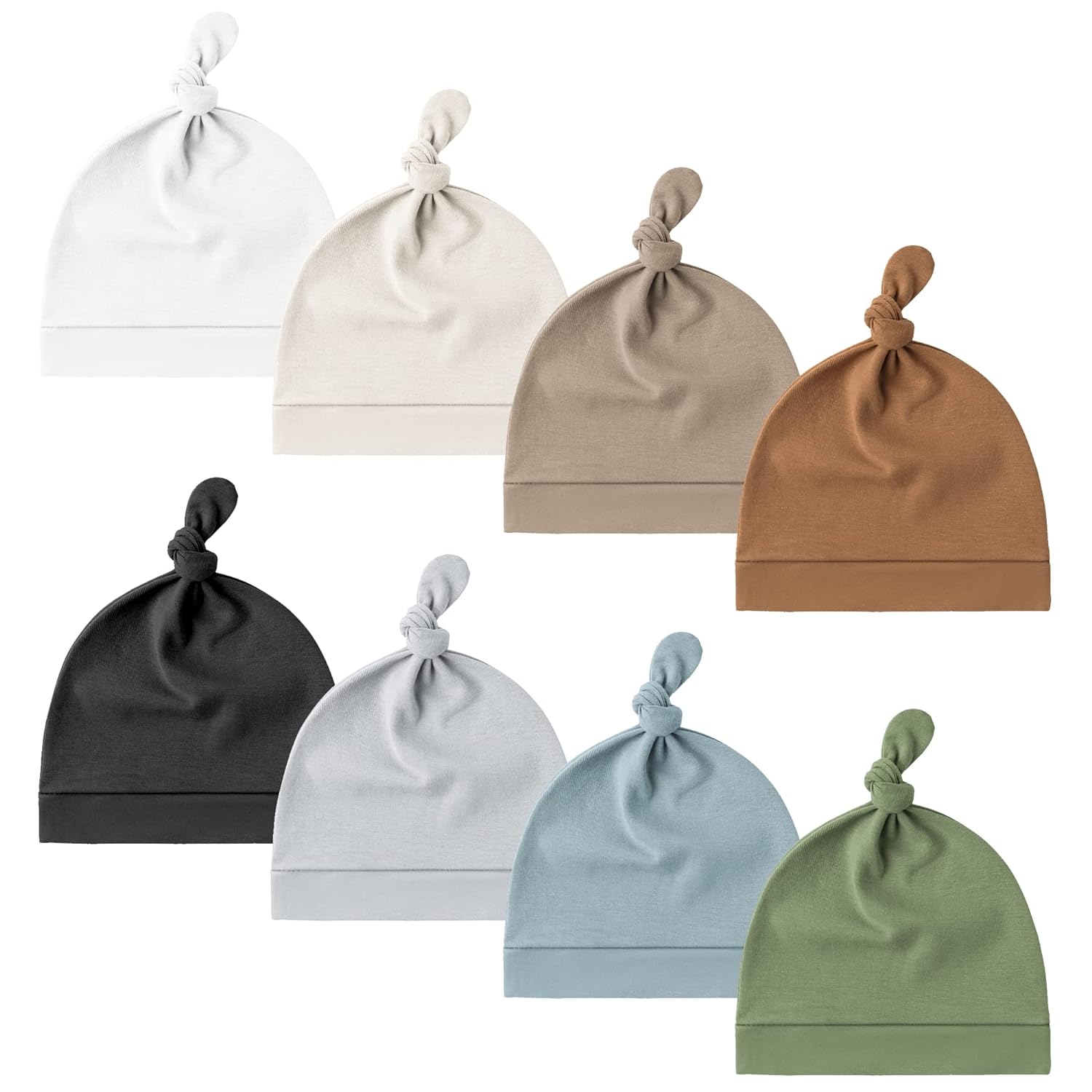
Hats: Newborns lose heat rapidly, so hats made from soft, breathable fabrics are important to regulate body temperature. Look for a snug but comfortable fit to keep your baby warm and cozy.

Sweaters and Jackets: You’ll need a few sweaters or jackets for cooler weather. Choose soft and comfortable materials for maximum comfort during outing or playtime.


Gentle Care for the Most Delicate Skin

Your baby’s skin is delicate and requires special care. Here’s what you need to keep your little one’s skin clean, hydrated, and comfortable:

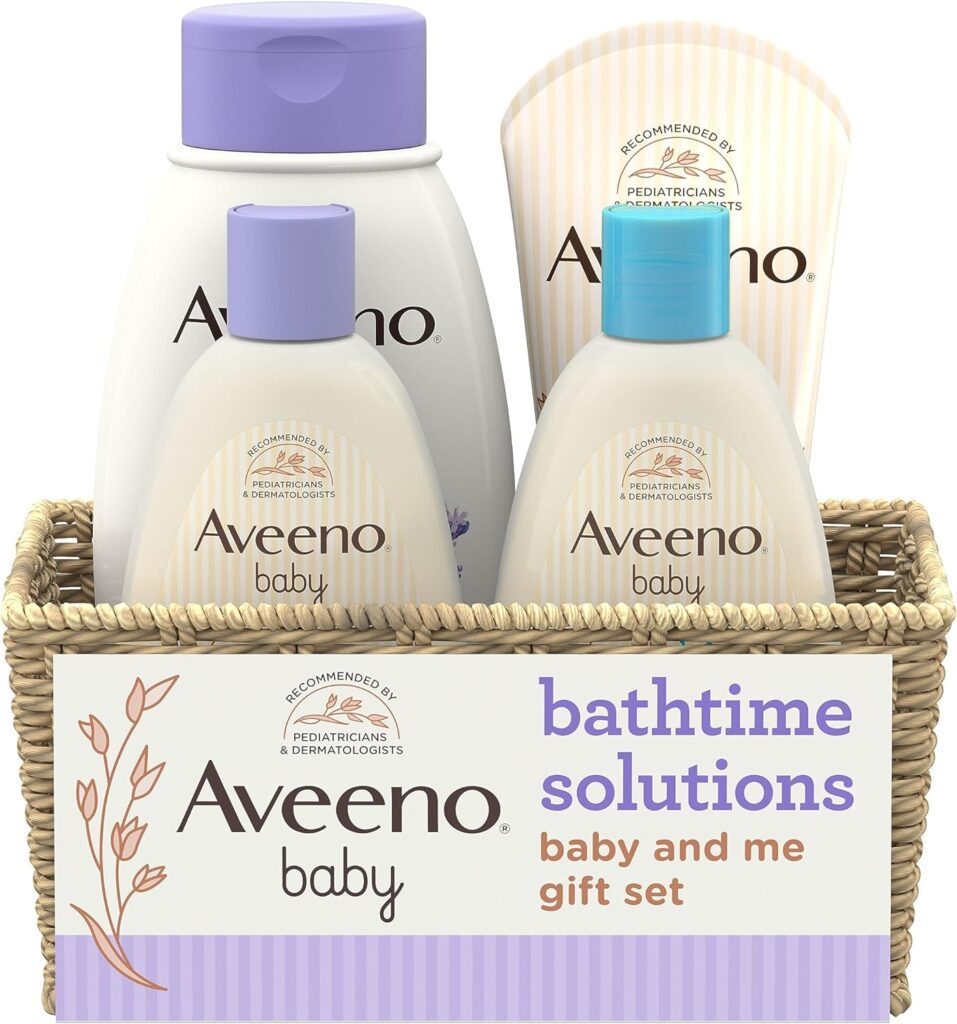
Baby Shampoo & Soap: Specially formulated to be mild and tear-free, these gentle cleansers keep your baby’s soft hair and delicate skin squeaky clean without irritation. Look for fragrance-free, hypoallergenic options that won’t disrupt their natural oils.

Baby Cream: Combat dryness, especially during bath time or cold weather, with a fragrance-free. Look for formulas designed for sensitive skin to provide essential hydration and keep your baby’s skin feeling soft and smooth.

Diaper Cream: Diaper rash is a common for babies. Get a diaper cream containing zinc oxide or petroleum jelly. These ingredients create a protective barrier to shield your baby’s skin from moisture and irritation to prevent and treat diaper rash.

Visit our store Amazon Baby Registry


Essential Gear for Diaper Changes

Diaper changes are a daily part of a parent’s routine. Here’s what you’ll need to ensure these changes are quick, efficient, and comfortable for your baby:

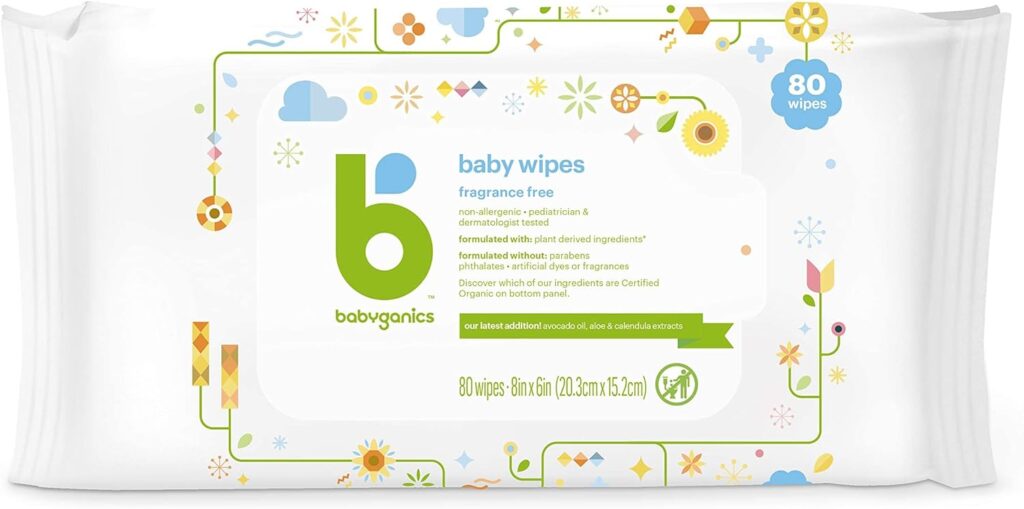
Wipes: Look for wipes that are fragrance-free and hypoallergenic to avoid irritating your baby’s delicate skin.

Diapers: Choose diapers that are absorbent enough to prevent leaks and keep your baby’s skin dry and comfortable.


Creating a Functional and Comfortable Nursery

The nursery is your baby’s space to play, and feel safe. Here’s the essential furniture to create a nurturing environment:

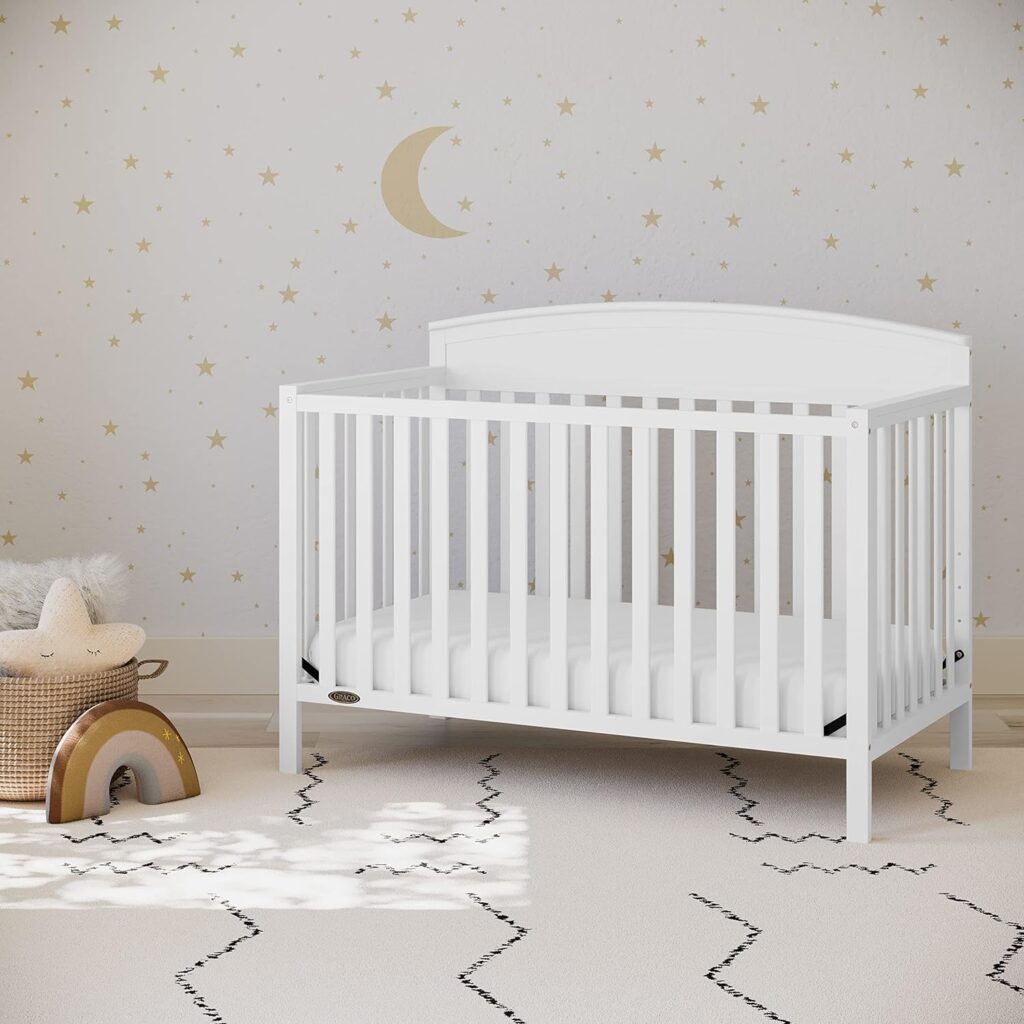
Crib: Choose a crib that meets current safety standards and consider adjustability as your baby grows. Look for adjustable slats that can be lowered as your baby gets older.

Changing Table: Look for one with storage compartments for easy access to diapers, wipes, and ointments, keeping everything within arm’s reach.

Dresser: A spacious dresser provides much-needed storage for clothes, bedding, and other baby essentials. Choose a sturdy dresser with drawers that can accommodate a growing wardrobe.

Rocking Chair: A comfortable rocking chair or glider is a perfect spot for feeding, cuddling, and soothing your baby. The gentle rocking motion can be calming for both you and your infant. Look for a chair with good back and arm support for extended periods of holding your baby.


Sweet Dreams: Creating a Calming Bedtime Routine

Here are some items to create a peaceful slumber:

Pacifier: For many babies, sucking on a pacifier can mimic the feeling of breastfeeding. This provides a sense of comfort and security, helping them drift off to sleep and soothe themselves back to sleep during the night.

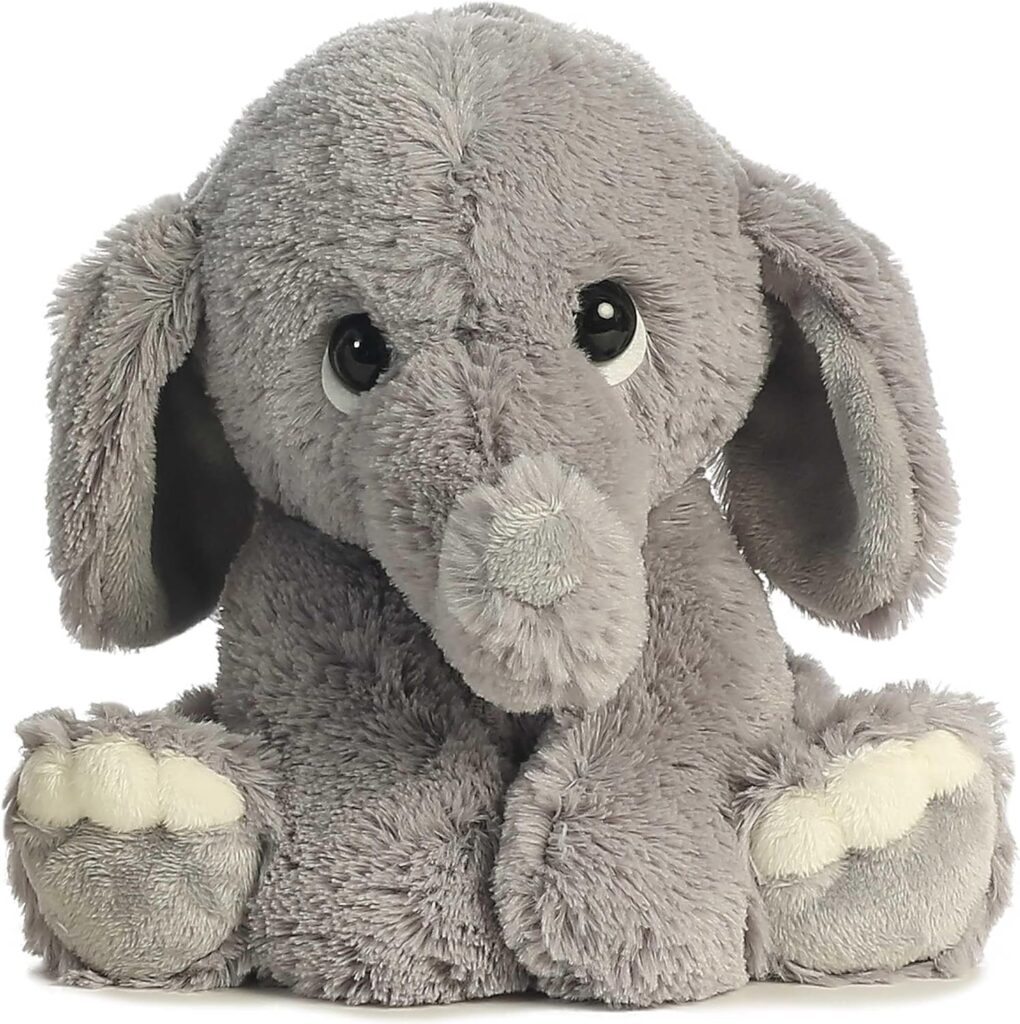
Soft and Cuddly Sleep Toy: A favorite soft toy can become a cherished companion, offering a sense of comfort and familiarity for your baby, especially when they are separated from you at bedtime.

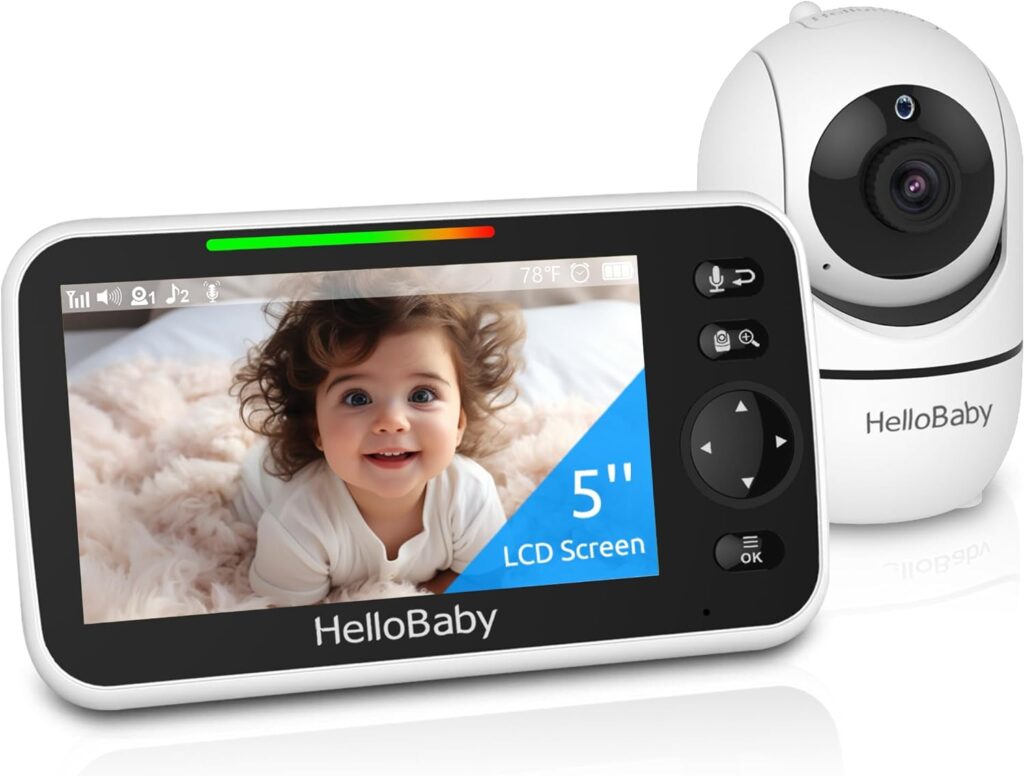
Baby Monitor: A baby monitor can provide peace of mind as you can check on their breathing and movements without having to constantly enter the nursery, ensuring a restful night’s sleep for you too.


Bath Time to Bedtime Essentials

Keeping your baby comfortable throughout the day and night involves having the right linens on hand:

Baby Towel: A soft, absorbent baby towel is a must-have for gently drying your baby’s delicate skin after bath time. The smooth texture minimizes any scratching or discomfort, while the high absorbency keeps them cozy and dry, preventing irritation.

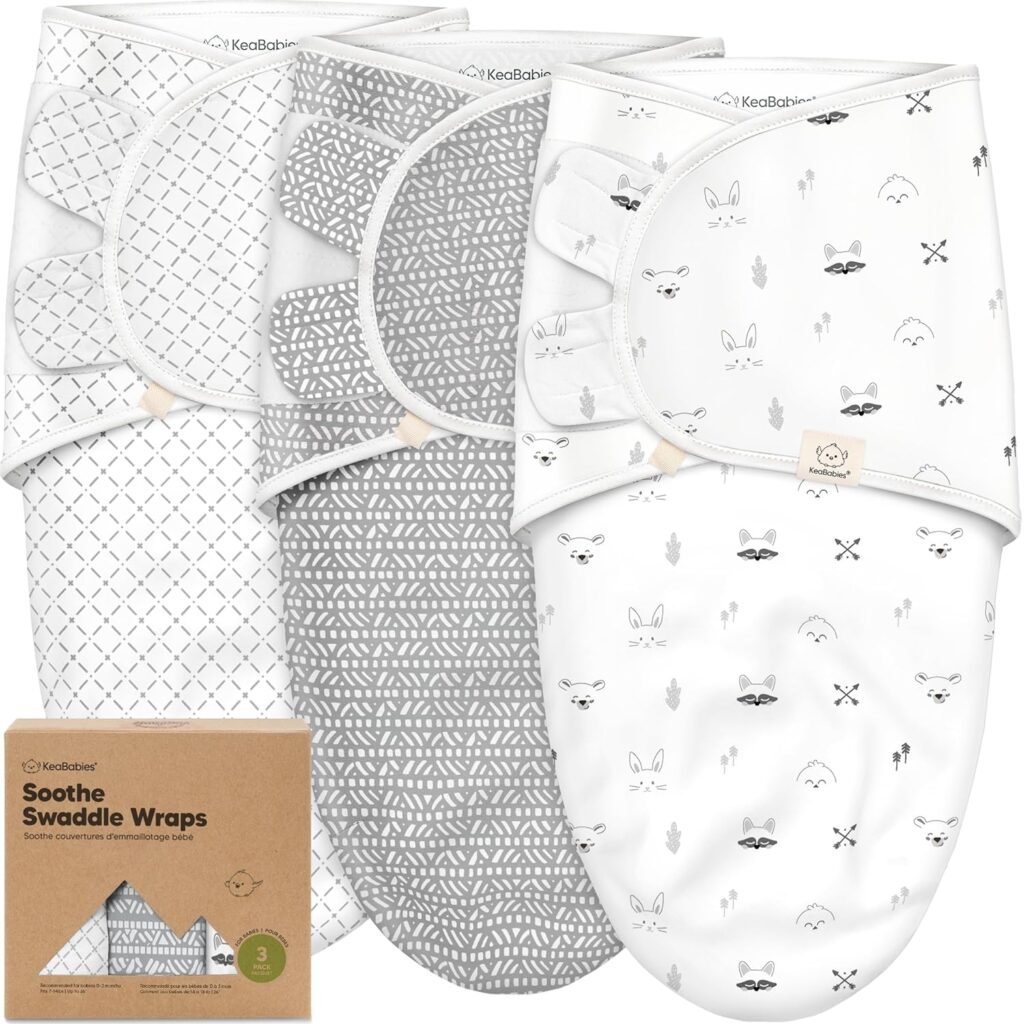
Swaddle: Swaddles are fantastic for newborns, mimicking the feeling of being held close and promoting sounder sleep.

Crib Sheet: Invest in breathable and cooling crib sheets. These allow for optimal airflow throughout the night, keeping your baby comfortable during sleep.


Nourishment Time Must-Haves

Ensuring your baby receives proper nutrition involves having the right feeding tools on hand:

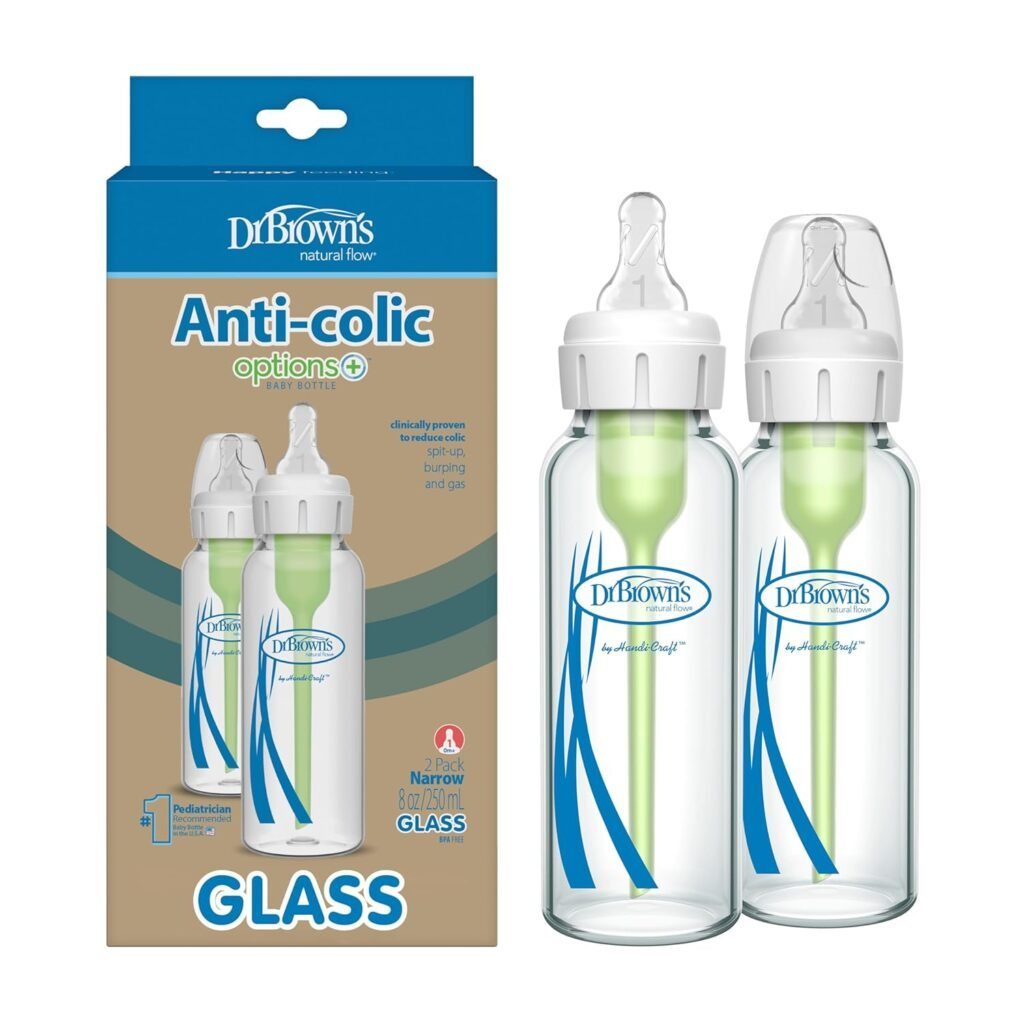
Bottles: Bottles come in various materials, each with pros and cons. Glass bottles are durable and easy to clean, but heavier and breakable. Plastic bottles are lightweight and shatterproof, perfect for travel or on-the-go feedings. Some bottles have anti-colic features to reduce air intake, which can help prevent gas, fussiness, and colic.

Bibs: Bibs come in various materials, including cotton, terry cloth, and waterproof options. Choose a soft, absorbent, and comfortable material for your baby.

Nipples: Nipples come in different shapes and flow rates to mimic the feel and flow of a mother’s breast.


Tiny Adventurers

Strollers: Consider your lifestyle and travel plans. Factor in features like weight capacity, fold size, maneuverability, and comfort for both you and your tiny explorer.

Car seat: Ensure the car seat is compatible with your car and meets current safety standards. Consider your baby’s age, weight, and height, choosing a seat that offers a snug fit and secure installation in your vehicle.

Diaper bags: Look for a diaper bag with multiple compartments to store diapers, wipes, creams, bottles, a change of clothes, and more. Consider features like insulated pockets for bottles, a changing pad for on-the-go diaper changes, stroller straps for easy attachment, and easy-to-clean materials for mess-free travel.


Medicine and Safety:

A baby syringe for giving your infant liquid medications. Always follow your pediatrician’s instructions for both medication dosage and administration.

Nasal Bulb Ear Syringe to help with clearing nose mucus or clean baby’s ears

Baby nail clippers Rounded blades help prevent nicks and scrapes on your baby’s tiny fingers and toes.Some clippers offer a built-in magnifier for better visibility of those small nails.

Fever and Teething Discomfort: Pain relievers can help with fever, teething pain, or other aches and pains.

Bringing Down a Fever: Fever reducers can help lower your baby’s temperature if it becomes too high.

Important Reminder:  Always consult your pediatrician before administering any medication to your baby.


Visit our store Amazon Baby Registry

Disclosure: We use affiliate links to earn a small commission. If you choose to purchase something through one of these links, there is no cost to you.

Homepage
Homepage
Posted in Baby, ParentingTagged baby, parenting

Weaning: A Guide for You and Your Baby

BABY, PARENTING

Remember, always consult your pediatrician for personalized guidance and support throughout your baby’s weaning journey.

Weaning refers to the process of gradually transitioning your baby from breastfeeding or formula feeding to solid foods and eventually, to a diet consisting mainly of table foods. It’s a natural developmental step, and the timing can vary depending on your baby’s individual needs and readiness.

Here’s a breakdown of weaning to help you navigate this important stage:

Signs Your Baby Might Be Ready to Wean:

Find it on Amazon

Age: The American Academy of Pediatrics (AAP) recommends exclusive breastfeeding for the first 6 months, followed by continued breastfeeding along with the introduction of solid foods at around 6 months of age. Most babies are developmentally ready to start weaning sometime between 6 months and 1 year old.

Physical Development: Look for signs like good head control, the ability to sit with some support, and reaching for objects to show they’re interested in exploring food.

Loss of Interest in Breastfeeding: If your baby nurses for shorter durations or seems less interested in breastfeeding sessions, it could be a sign they’re getting more nutrients from solid foods.

Approaches to Weaning:

For babies under 12 months:

You can begin weaning by gradually offering a bottle of infant formula once a day in place of a breastfeeding session. This allows your baby to adjust to the new feeding method while still receiving essential nutrients.

Find it on Amazon

For babies 12 months and older:

Find on Amazon

Once your baby reaches 1 year old, you can explore options like a cup of plain whole cow’s milk or fortified unsweetened soy beverage as replacements for some breastfeeding sessions. It’s important to note that whole cow’s milk shouldn’t be introduced before 12 months.

General weaning advice:

Remember, weaning is a gradual process. Introduce new feeding methods slowly, one step at a time, and always follow your baby’s cues. If you have any concerns, consult your pediatrician for personalized guidance.

Extra Strength Breast Cream for Engorgement, Mastitis, Weaning, and Suppression of Breast Milk 

Tips for Successful Weaning:

Find it on Amazon

Start Slowly: Introduce solid foods one at a time, monitoring for any allergies or sensitivities.

Offer Breastfeeding or Formula Before Solids: This ensures your baby gets the essential nutrients they need for growth and development.

Follow Your Baby’s Cues: Pay attention to your baby’s hunger and fullness signals. Don’t force them to eat or finish a bottle if they seem uninterested.

Offer Comfort and Distraction: If your baby seems frustrated by the change, offer cuddles, singing, or playtime to distract them.

Be Patient: Weaning can take time. Be patient with both yourself and your baby as you navigate this process together.

Additional Resources:

  • The National Institute of Child Health and Human Development (NICHD)
  • Centers for Disease Control and Prevention (CDC)

Remember, consult your pediatrician for personalized guidance and support throughout your baby’s weaning journey.

Disclosure: We use affiliate links to earn a small commission. If you choose to purchase something through one of these links, there is no cost to you.
Homepage
Homepage
Posted in Baby, ParentingTagged advice, parenting

Encourage Healthy Eating Habits

LIFESTYLE, PARENTING

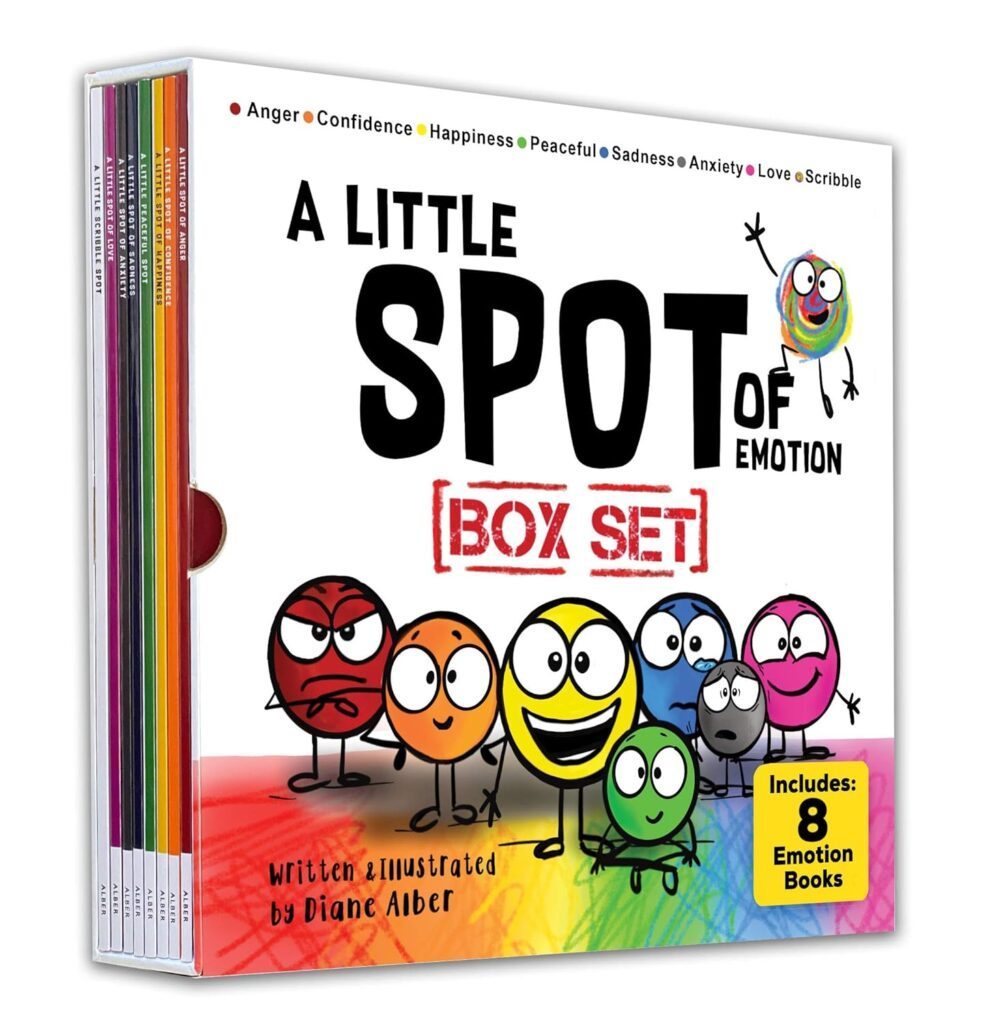
Raising healthy eaters isn’t just about packing lunches with broccoli. It’s about nurturing a positive and playful relationship with food that empowers kids to make good choices and encourage healthy eating habits. Let’s explore some fun, positive ways to encourage healthy eating habits in your little ones!

Encourage Healthy Eating Habits

1. Food is Fun, Not Fear:

Find it on Amazon

Embrace the joy of food! Imagine mealtimes not as a battlefield of negotiations, but as a vibrant celebration of flavors and textures. Talk about food with excitement, describing the vibrant orange of a sweet potato, the satisfying crunch of a fresh apple, or the comforting warmth of a homemade stew.

Let your kids explore the world through their taste buds, trying new cuisines without judgment. Remember, mealtimes are a shared adventure, not a power struggle. Food is about connection, joy, discovery, and embracing the delicious possibilities!

2. Grocery Shopping Adventures:

Transform grocery shopping into a treasure hunt! Bring your kids along and let them help choose fruits and vegetables they find interesting. Encourage them to pick out new grains or proteins to try. This fosters curiosity and ownership over their own food choices.

Empower your tiny treasure hunters. Equip them with a reusable grocery bag and let them be your sous chefs for the day. Challenge them to find the “weirdest” looking vegetable, a fruit with the brightest color, or a grain they’ve never seen before. Let them inspect the different textures, compare sizes, and sniff out the freshest aromas. This isn’t just about filling the cart; it’s about fostering curiosity and sparking an interest in healthy choices.

Find it on Amazon

3. The Tiny Chef is in the Kitchen:

Find it on Amazon

Make cooking a family activity! Give your child age-appropriate tasks like stirring, measuring, or decorating. Let them help choose recipes and personalize their dishes. This builds confidence, introduces them to healthy ingredients, and creates lasting positive memories around food.

Transform your child into a junior chef by entrusting them with age-appropriate tasks. For little ones, stirring batter or adding spices lets them feel like valuable contributors. As they grow older, graduate them to measuring ingredients, cracking eggs (with supervision, of course!), or even chopping vegetables with a kid-safe knife.

4. Rewards Beyond the Bite:

Food shouldn’t be used as a bargaining chip or reward. This creates negative associations and undermines the intrinsic value of healthy choices.

Instead, try creating positive mealtimes with family, focusing on conversation and exploration of different flavors. Celebrate trying new foods, and explain the importance of a balanced diet for their growing bodies. By fostering a positive and informative environment around food, you’ll set your child up for a healthy relationship with eating that goes far beyond rewards and punishments.

Amazon find

5. Options, Options, Options:

Amazon Find

Kids are individuals with diverse preferences. Offer a variety of healthy options across different food groups and let them choose what appeals to them. Don’t force or pressure them to eat something they dislike. This fosters autonomy and encourages them to develop their own tastes.

Encourage your child to become a tiny flavor detective, exploring different textures, tastes, and smells. Offer a variety of healthy options within each food group, from sweet berries to earthy mushrooms, creamy avocado to nutty quinoa. Let them choose what appeals to them, respecting their preferences without judgment.

This isn’t about forcing down unwanted bites; it’s about fostering autonomy and encouraging them to develop their own tastes. By offering choices, you empower them to take ownership of their food journey. Maybe they’ll gravitate towards crunchy carrots one day and creamy yogurt the next. Trust their instincts and celebrate their discoveries, no matter how unexpected.

Remember:

Be a role model: Kids learn by observing. Show them you enjoy eating healthy and make healthy choices yourself.

Don’t sweat the occasional slip-up: Perfection doesn’t exist, especially with kids. Focus on long-term progress and celebrate small wins.

Keep it positive and playful: Make mealtimes and food exploration a fun and enjoyable experience for everyone.

Find it on Amazon

By fostering a positive relationship with food from an early age, you’re setting your child up for a lifetime of healthy eating habits and joyful experiences around the table. So, grab your aprons, and get ready for a delicious adventure with your tiny chefs!

Disclosure: We use affiliate links to earn a small commission. If you choose to purchase something through one of these links, there is no cost to you. 
Homepage
Homepage
Posted in Lifestyle, ParentingTagged advice, kids, parenting

Role Play for Kids

CHILD, PARENTING

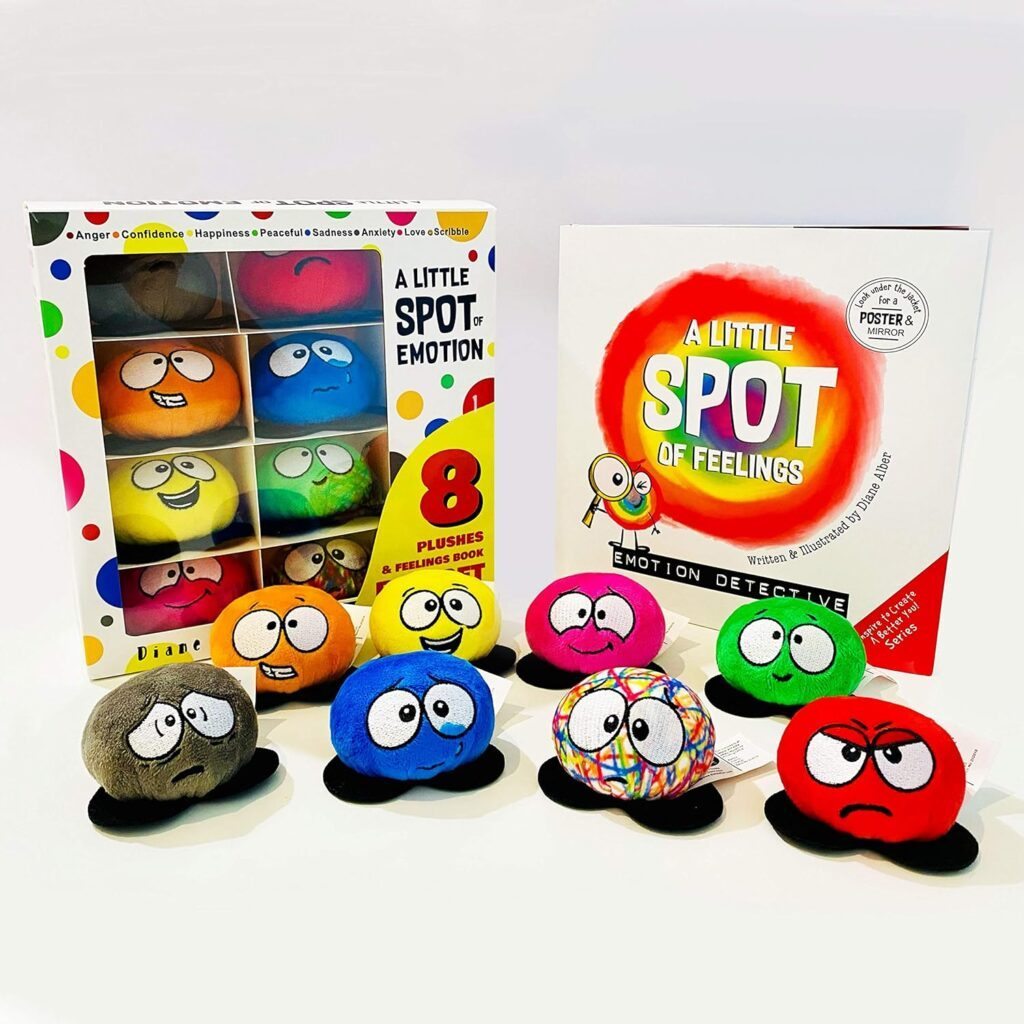
Role play for kids is a fun and engaging way to learn new things, develop their social skills, problem-solving abilities, and use their imaginations. Children naturally master many skills necessary for their development through this form of play. Typically, children choose their own activities, and your role as an adult is primarily to provide support.

Role Play for Kids

Many parents make the mistake of wanting to direct their child’s play. While guidance can be helpful, It’s far more beneficial for your child to be able to develop skills independently.

They learn skills like:

  • Communication: Expressing ideas clearly, actively listening to others, and engaging in collaborative conversations.

  • Problem-Solving: Thinking critically and finding creative solutions to challenges within their chosen scenarios.

  • Connection with the World: Exploring different perspectives and gaining a deeper understanding of the world around them.

Amazon Find

Here’s how you can support your child’s role play:

Find it on Amazon

  • Set the Stage: Provide props and costumes that fuel their chosen role. Specifically, if they’re fascinated by butterflies, create wings or a butterfly garden setting.

  • Become a Listener: Actively listen to their stories and ideas without interrupting or dictating the play. Additionally, ask open ended questions.

  • Follow Their Lead: Let them guide the play and explore their interests without imposing your ideas or expectations. On top of that, become a part of their game.

Tips for Role Play for kids:

  • Let kids take the lead and choose the roles they want to play.
  • Encourage kids to be creative and use their imaginations.
  • Provide props and costumes to make it more fun.
  • Play along with your kids and have fun!

Amazon Find

Ideas:

Find it on Amazon

Chef: Kids can pretend to be chefs and cook different dishes. They can use props like pots, pans, and ingredients to make it more realistic. 

Builder: Kids can pretend to be builders and construct different things. Also, they can use props like blocks, tools, and blueprints to make it more realistic. 

More Role Play for Kids

Fairy Tale Characters: Kids can dress up as their favorite fairy tale characters and act out scenes from the story. They can use props and costumes to make it even more fun. What’s more, you can turn playtime into a creative adventure by letting them change the ending of their favorite story into their own unique fairy tale fantasy!

Superheroes: Kids can create their own superhero characters, moreover alow them to come up with their own superpowers. Furthermore, they can then act out stories about their superheroes saving the day! 

Amazon Find

Find it on Amazon

Find it on Amazon

Animals: Kids can pretend to be different animals and explore their habitats. Surely, they can move like the animal, make animal sounds, and even create a story about their animal character. 

Teacher and Student: Kids can explore different learning environments and practice their communication skills. In addition they can use props like a chalkboard, books, and pencils to make it more fun. 

Doctor and Patient: Kids can take turns being the doctor and examining the patient. On top of that, they can use props like a stethoscope, bandage, and thermometer to make it more realistic. 

Disclosure: We use affiliate links to earn a small commission. If you choose to purchase something through one of these links, there is no cost to you.
Homepage
Homepage
Posted in Child, ParentingTagged activities, kids, parenting

A Parent’s Holiday Guide

PARENTING

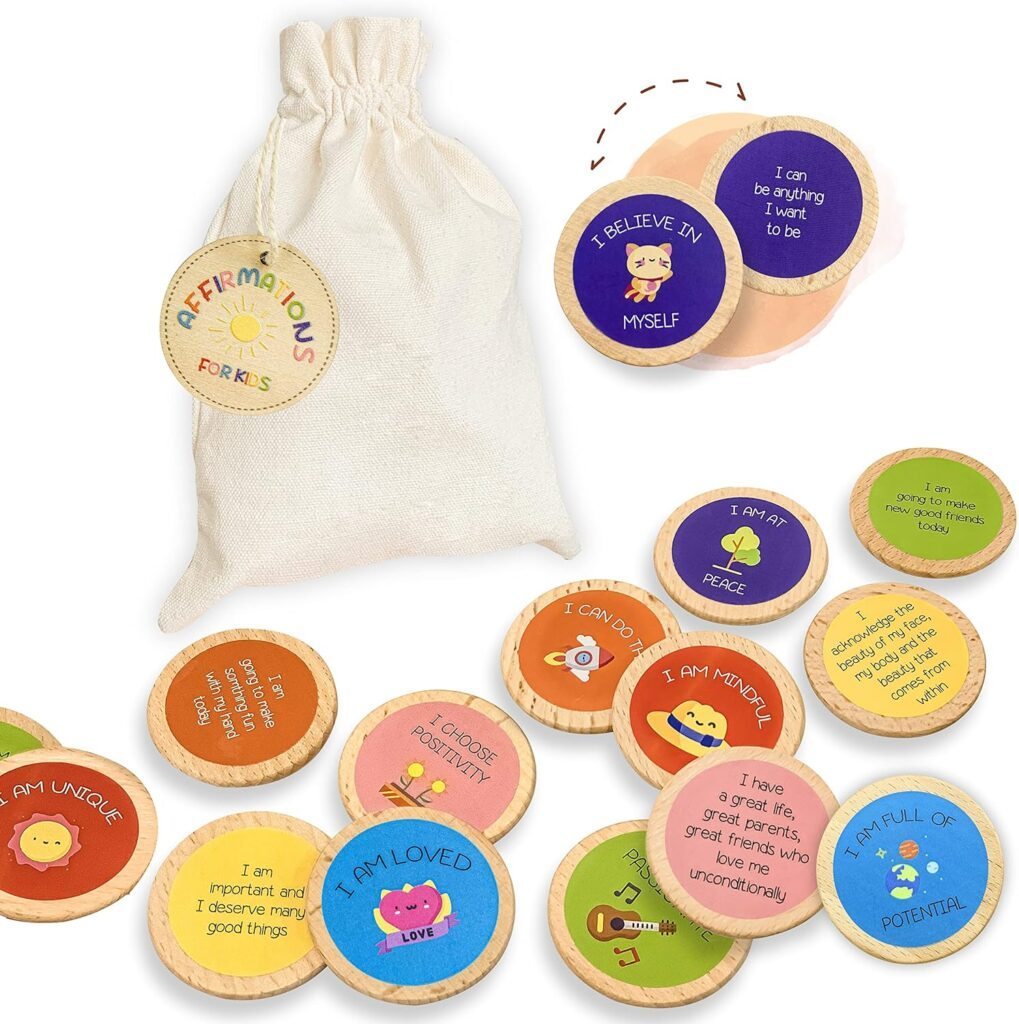
The holidays are a magical time filled with joy and family traditions. However, amidst the excitement, parents often face the pressure of creating a perfect holiday experience. In this Parent’s Holiday Guide find support and practical tips to help you navigate the season with ease and ensure a memorable time for the whole family.

Parent’s Holiday Guide

Planning and Preparation:

Find Amazon pajamas

  • Set realistic expectations: Discuss finances openly and prioritize creating meaningful experiences over expensive gifts.
  • Plan ahead: Create a budget, schedule activities, delegate tasks, and plan meals to avoid last-minute stress.
  • Maintain routines: As much as possible, stick to your children’s regular sleep, meal, and activity routines for better behavior and stress management.
  • Involve children in preparations: Get your children involved in decorating, baking, or choosing gifts to build excitement and create lasting memories.
  • Initiate conversations about traditions: Discuss the different traditions your family celebrates and explore incorporating new ones together.

Managing Stress and Emotions:

  • Prioritize self-care: Take time for yourself to relax and recharge. This could include exercise, meditation, spending time in nature, or pursuing hobbies.
  • Communicate openly and honestly: Express your feelings and needs to your partner, family, and friends.
  • Set boundaries and say no: Don’t feel obligated to attend every event or participate in everything. Prioritize activities that are enjoyable and manageable.
  • Seek support: Don’t be afraid to ask for help from family, friends, or professionals if you’re feeling overwhelmed or struggling.
  • Practice gratitude: Take time to appreciate the positive aspects of the season and the people you love.

Christmas Candle on Amazon

Creating Meaningful Experiences:

Christmas Crackers on Amazon

  • Focus on quality time together: Make time for family traditions, play games, read stories, and simply enjoy each other’s company.
  • Give back to others: Volunteer in your community, donate to charities, or perform acts of kindness to spread holiday cheer.
  • Embrace winter activities: Go sledding, build a snowman, have a snowball fight, or enjoy the beauty of nature.
  • Start new traditions: Create your own family traditions that reflect your values and interests.
  • Focus on experiences over material gifts: Plan fun outings, create handmade gifts, or offer gifts of service.

Additional Tips:

  • Manage sugar intake: Be mindful of how much sugar your children consume to avoid hyperactivity and meltdowns.
  • Stay organized: Keep track of gift lists, travel schedules, and event details to avoid last-minute chaos.
  • Be flexible: Things don’t always go according to plan, so be prepared to adapt and roll with the punches.
  • Focus on the positive: Remember, the holidays are about spending time with loved ones and creating lasting memories.
  • Have fun!: Don’t take things too seriously. Enjoy the laughter, the joy, and the magic of the season.

Snow Globe on Amazon

By following these tips, you can navigate the challenges of the holidays and create a positive and memorable experience for your family. Remember, the most important thing is to relax, enjoy the time together, and create lasting memories. Happy Holiday, Nannies and Mommies.

Disclosure: We use affiliate links to earn a small commission. If you choose to purchase something through one of these links, there is no cost to you.
Homepage
Homepage
Posted in ParentingTagged advice, parenting

Stocking Stuffer Ideas for Kids

HOLIDAY

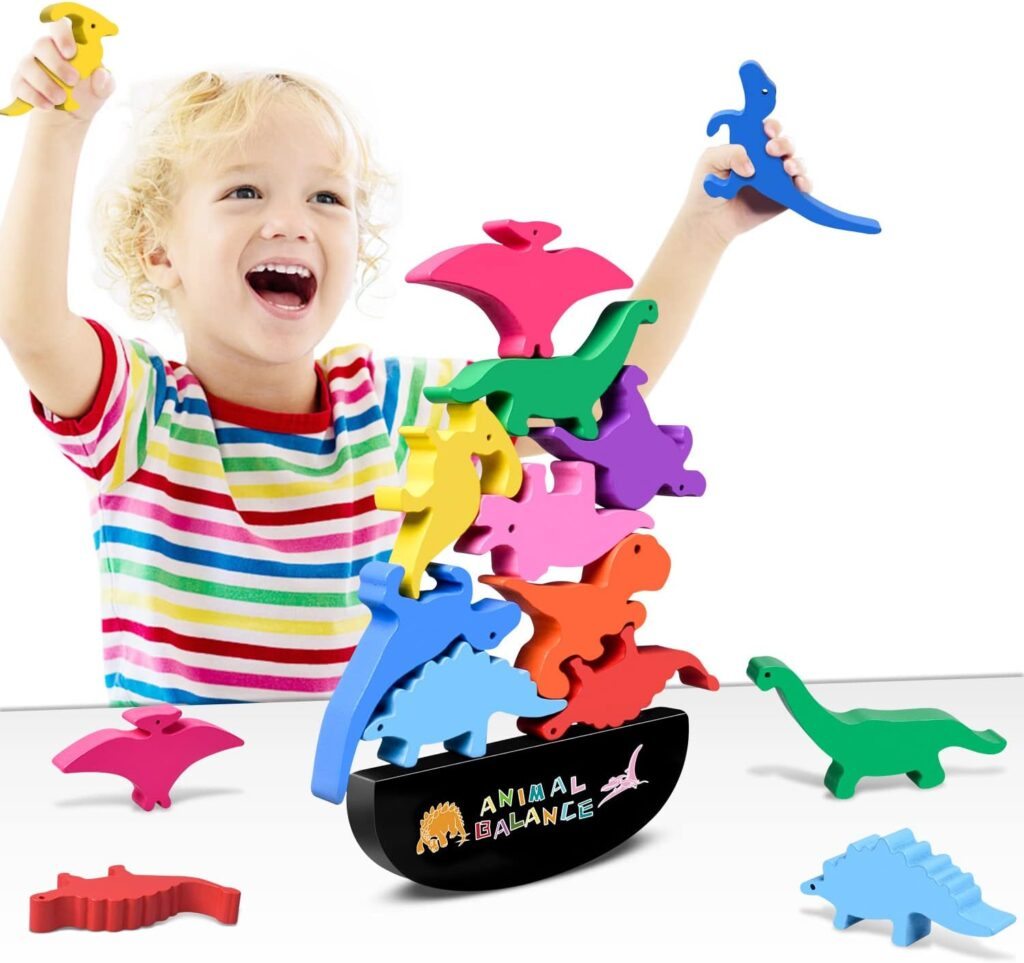
As the holiday season approaches, the anticipation and excitement build, especially for children. While the big gifts under the tree are undoubtedly the highlight, stocking stuffers add an extra layer of fun and surprise to the festivities. These small, thoughtful tokens of appreciation can bring smiles to faces and create lasting memories. Check Stocking Stuffer Ideas for Kids.

When selecting stocking stuffers, consider the child’s age, interests, and personality. For young kids, prioritize age-appropriate toys that stimulate their imagination and encourage development. As children grow older, their interests diversify, and stocking stuffers can reflect their hobbies, passions, and unique personalities.

To ensure a delightful stocking surprise, consider these helpful ideas:

Stocking Stuffer Ideas for Kids

All pictures are clickable, easily choose your favorite to purchase it from Amazon

Get on Amazon
Get on Amazon
Get on Amazon
Get on Amazon
Get on Amazon
Get on Amazon
Get on Amazon
Get on Amazon
Get on Amazon
Get on Amazon
Get on Amazon
Get on Amazon
Get on Amazon
Get on Amazon
Get on Amazon
Get on Amazon
Get on Amazon
Get on Amazon

Remember, stocking stuffers are not just about material items; they represent the joy of giving and the anticipation of discovering hidden treasures. By carefully selecting stocking stuffers that align with the child’s age, interests, and personality, you can create a memorable holiday experience filled with delight and surprise.

www.nanniesandmommies.com

Disclosure: We use affiliate links to earn a small commission. If you choose to purchase something through one of these links, there is no cost to you.
Homepage
Homepage
Posted in HolidayTagged kids, parenting

Hospital bag checklist

BABY, PARENTING

Congratulations on your impending arrival! It’s an exciting time filled with anticipation and preparation. As you approach the end of your pregnancy journey, one essential task on your to-do list is packing your hospital bag. Don’t worry—I’m here to help you navigate through this process and ensure you have everything you need for you, your partner, and your precious little one.

Find it on Amazon

First things first, it’s important to decide when to pack your hospital bag. It’s recommended to have it ready to go by around 36 weeks, just in case your baby decides to make an early entrance. Now, let’s dive into the checklist to ensure you’re well-prepared for your hospital stay.

For you:

  • Photo ID
  • Insurance Card
  • Any paperwork for your doctor
  • Birth Plan
  • Cell Phone 
  • Cell phone Charger
  • Nursing Bra
  • Nursing Pads
  • Nightgown
  • Bathrobe
  • Slippers  
  • Warm Socks 
  • Extra Underwear
  • Going home Outfit
  • Toothbrush
  • Toothpaste
  • Deodorant
  • Hairbrush
  • Shampoo and Conditioner 
  • Lotion 
  • Make up
  • Chapstick
  • Hairdryer
  • Hair clip or Hair tie 
  • Sanitary Pads 
  • Something to Read 
  • Mints or Gums 
  • Sugar hard candy 
  • Snacks
  • Folder for any paperwork you will get from the hospital 
  • Nursing pillow
  • WashCloths
  • Favorite Pillow

Amazon Find

Find it on Amazon

Amazon Find

Hospital bag checklist

For baby:

  • Baby Car Seat
  • Hat
  • Going Home Outfit
  • Socks 
  • Blanket 
  • Mittens
  • Wipes
  • Diapers
  • Baby Book

Amazon Find

Disclosure: We use affiliate links to earn a small commission. If you choose to purchase something through one of these links, there is no cost to you. 
Homepage
Homepage
Posted in Baby, ParentingTagged advice, baby, parenting

Posts navigation

Older posts
Newer posts
  • Contact Us
  • Terms and Conditions
  • Privacy Policy

© 2026 Nannies and Mommies, all rights reserved.