Skip to content
  • Home
  • Events
    • Events
    • Event Submission
    • Play Dates
  • Jobs
    • Jobs
    • Post Your Job
    • Job Dashboard
  • Store
    • Store
    • Downloads
    • A Workbook for Creating Healthy Relationships for Children
    • Cart
  • Childcare
    • Childcare
    • Childcare Catalog Submission
  • Blog
    • Blog
    • Video Blog
  • Contact Us
    • Contact Us
    • Advertise
    • Privacy Policy
    • Terms and Conditions
  • My Account
Login/Register

Tag: kids

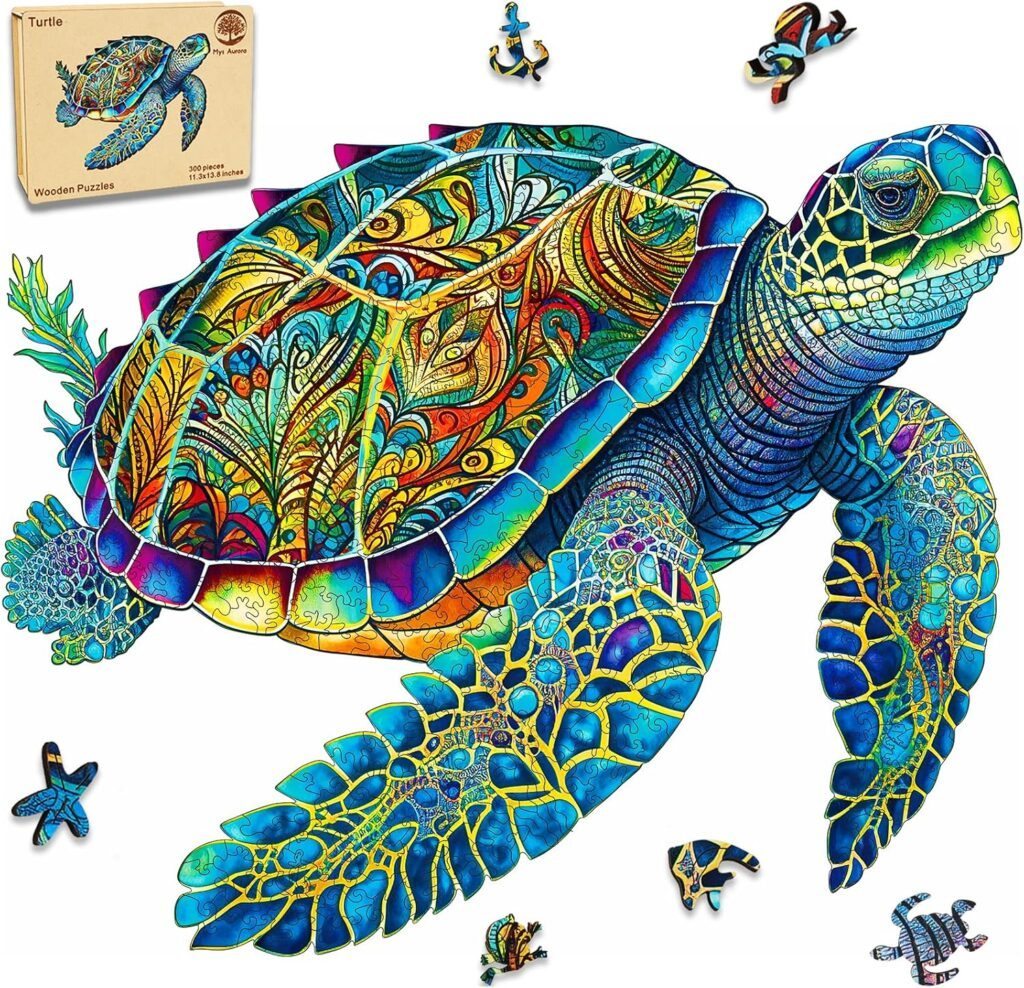
Puzzles for Kids

CHILD, GAMES

Puzzles for kids aren’t just a fun pastime; they are powerful tools for cognitive growth in children. From toddlers mastering their first simple jigsaw to older children tackling intricate 3D puzzles, this engaging activity offers many benefits.  

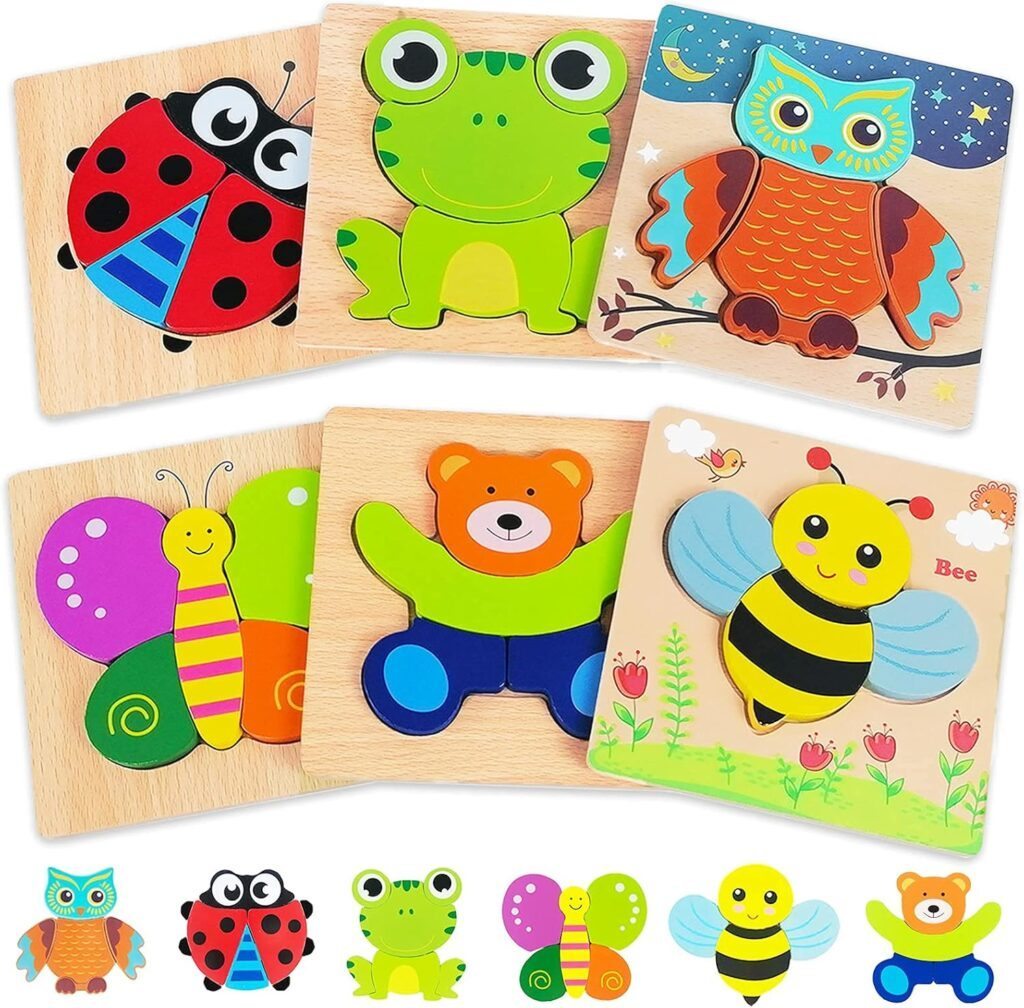
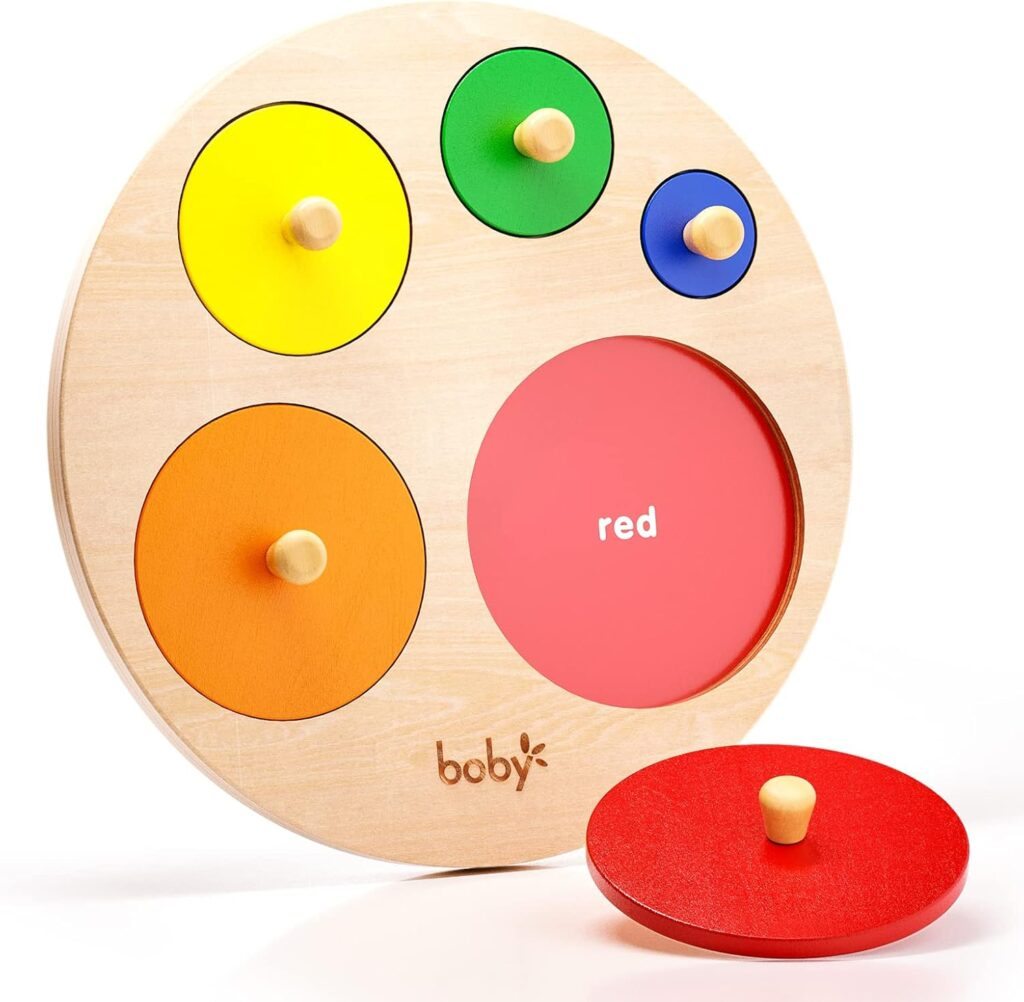
12 – 24 Months Old
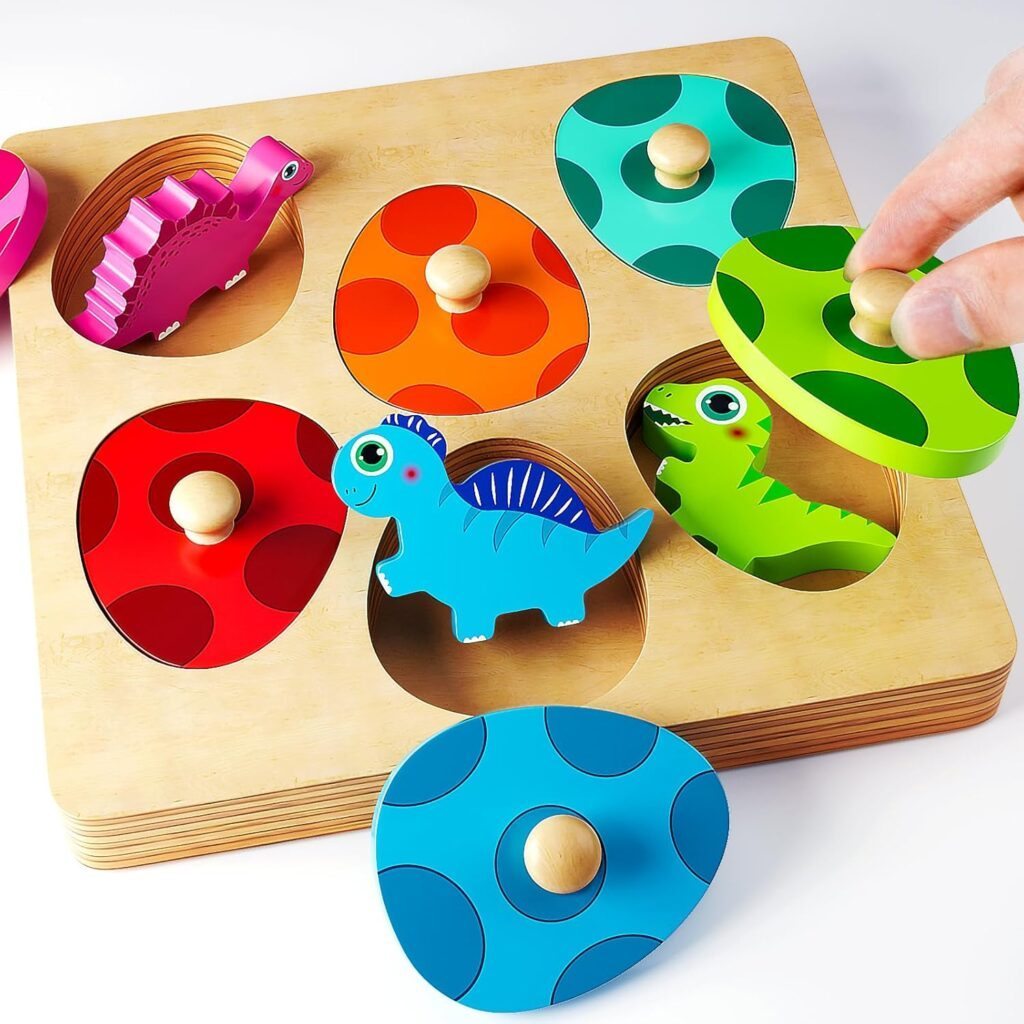
Amazon Find

Use around 3-10 pieces puzzles for babies. These chunky, colorful pieces are easy for little hands to grasp and manipulate, helping to develop fine motor skills. Use puzzles with a different, easily recognizable shape, such as a circle, square, or star, making them perfect for learning about shapes and colors. A great way to introduce young children to the world of learning and play.

Enhanced Cognitive Skills, puzzles sharpen problem-solving, critical thinking, and spatial reasoning abilities.

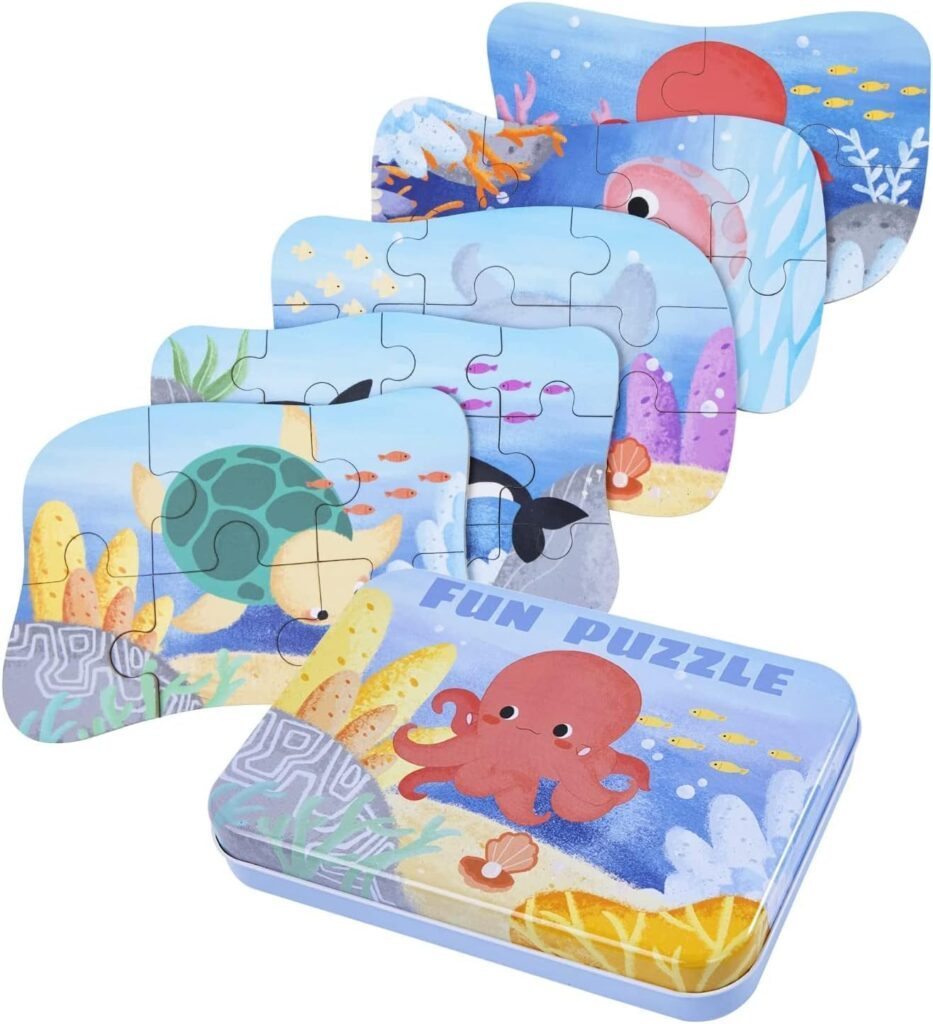
2 – 4 Years Old

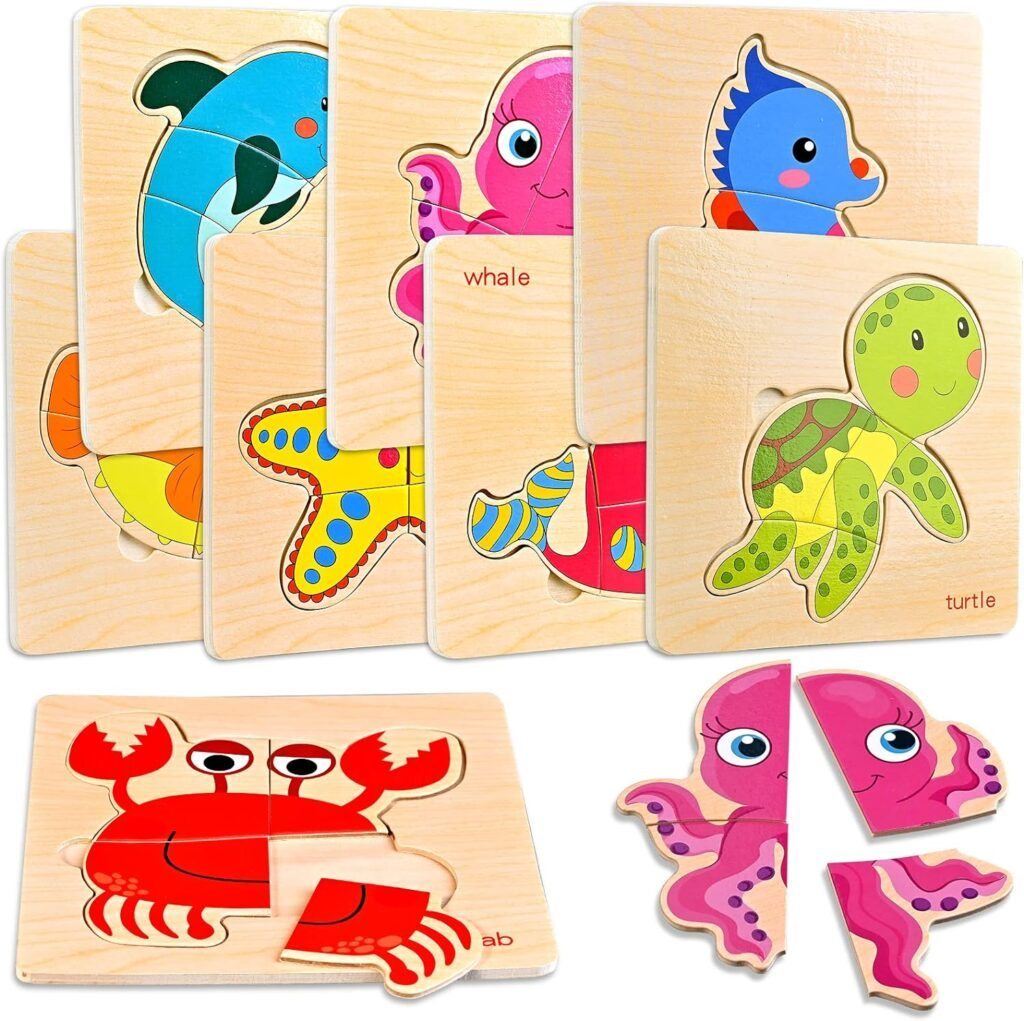
Introduce more complicated puzzles that help develop fine motor coordination, hand-eye coordination, and problem-solving. Many puzzles also encourage language development by introducing colors, shapes, and animal names, while sparking imaginative play as children create stories around the completed scenes.

Find it HERE


Improved Fine Motor Skills: The intricate movements required to manipulate puzzle pieces refine dexterity and hand-eye coordination.  
4 -6 Years Old

Amazon Find

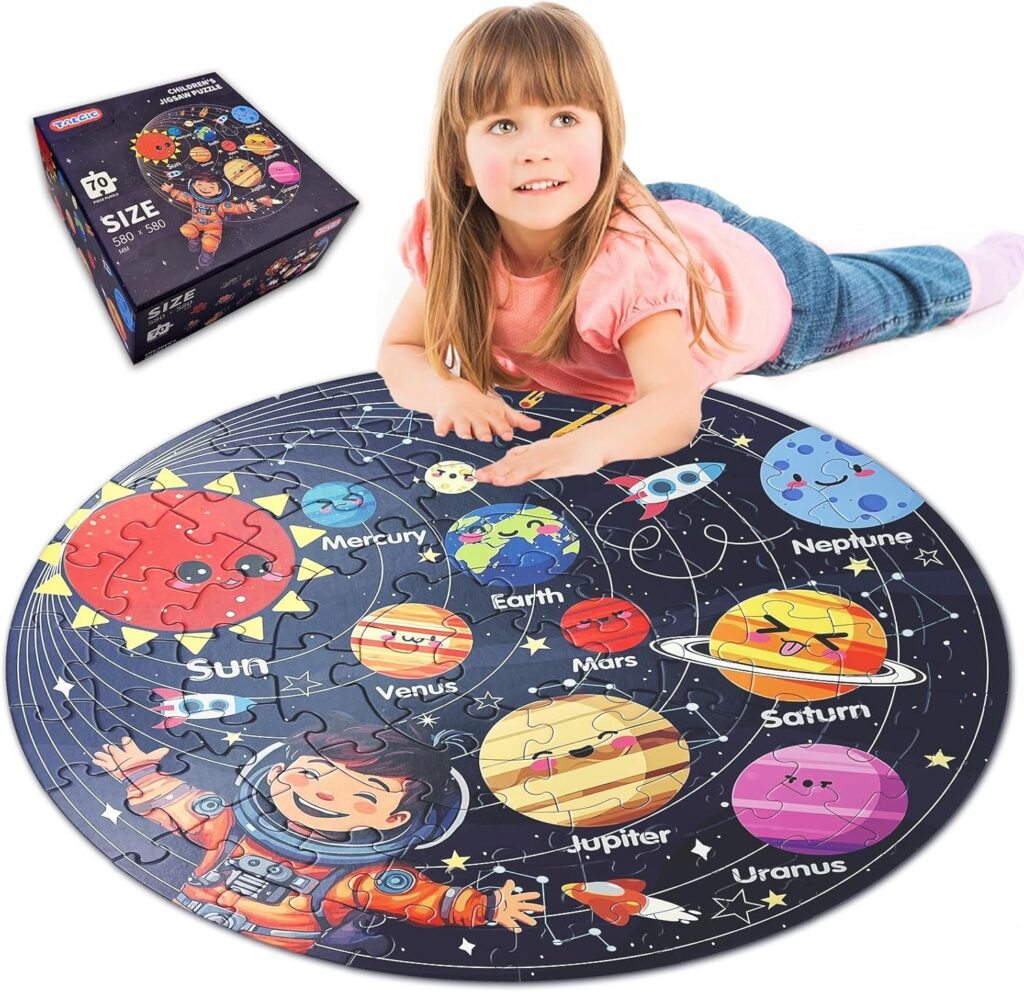
As children grow, their cognitive abilities expand, and they are ready for more challenging puzzles. Puzzles for 4-6 year olds typically range from 12 to 48 pieces, offering a greater level of difficulty and complexity. These puzzles often incorporate educational elements, such as the alphabet, numbers, and simple words. They may also feature themes like animals, vehicles, or everyday objects, making learning fun and engaging. Puzzles at this age continue to develop fine motor skills, problem-solving abilities, and spatial reasoning. They also foster a sense of accomplishment as children successfully complete more challenging tasks.


Boosted Confidence: Completing a puzzle, especially a challenging one, fosters a sense of accomplishment and boosts self-esteem.  
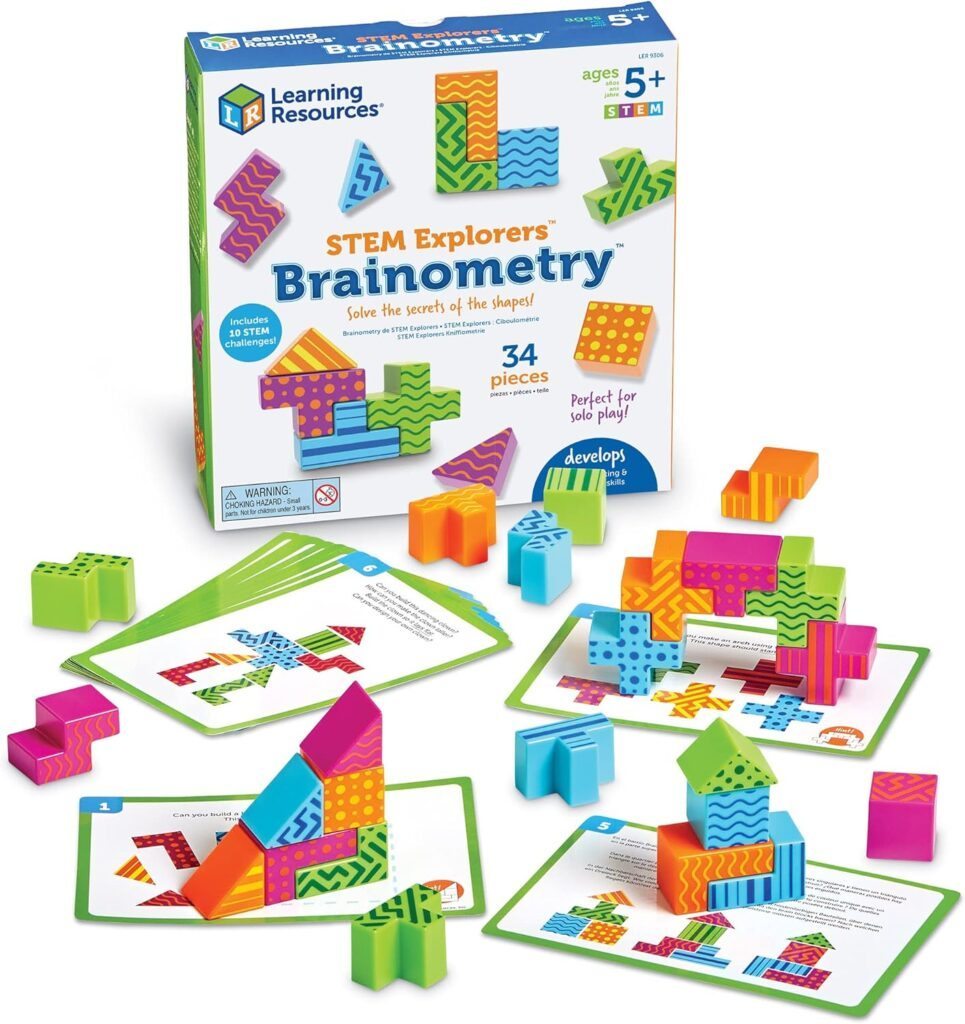
6-8 Years Old

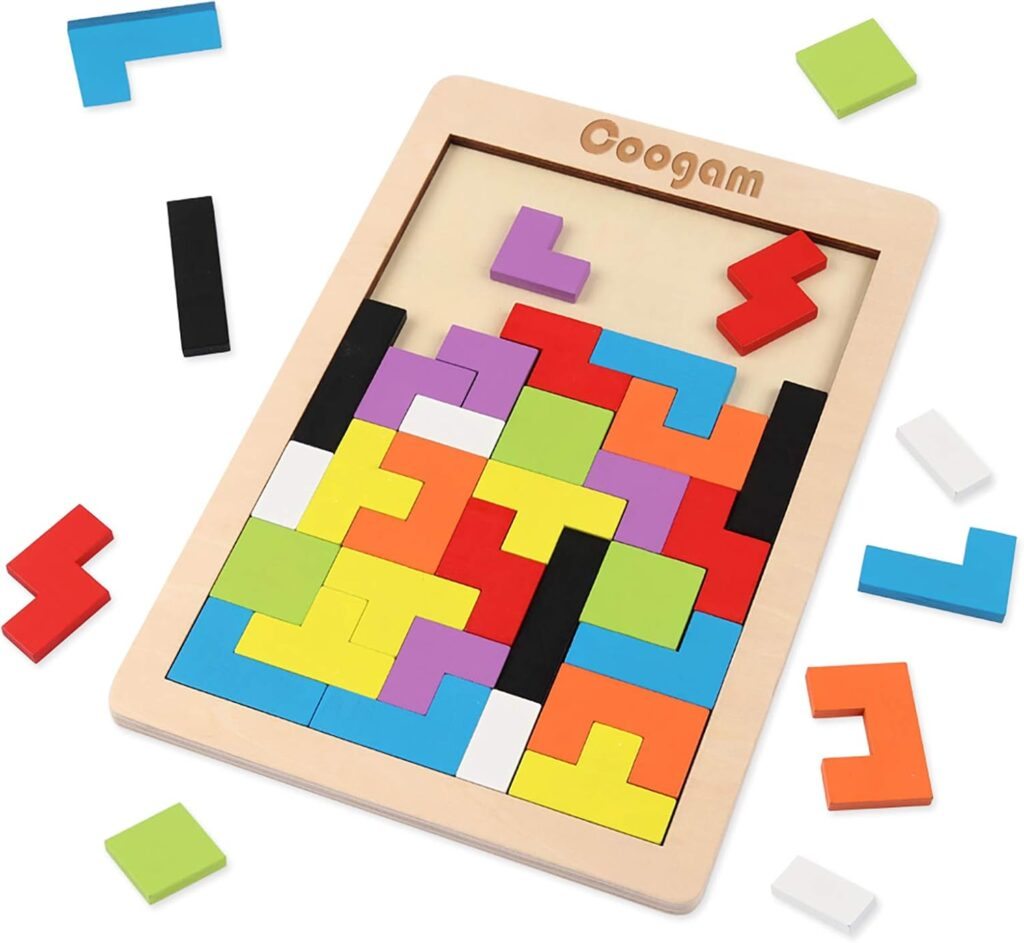
By age 6-8, children are ready for a significant increase in puzzle complexity. Puzzles at this stage typically range from 48 to 200 pieces, demanding greater focus and spatial reasoning skills. Themes may include geography, history, or more intricate scenes from nature or everyday life. These challenges not only enhance cognitive development but also foster a sense of accomplishment and pride as children successfully complete these more demanding puzzles.
Find it here


Increased Patience and Persistence: Puzzles teach children the value of perseverance and the importance of staying focused on a task.  
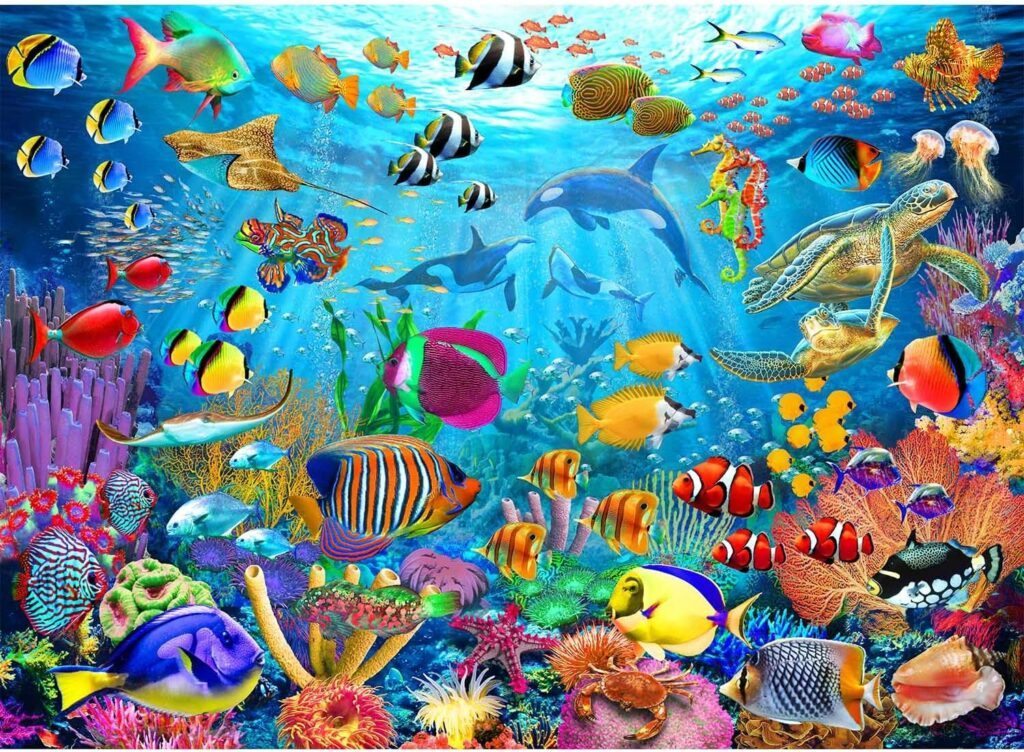
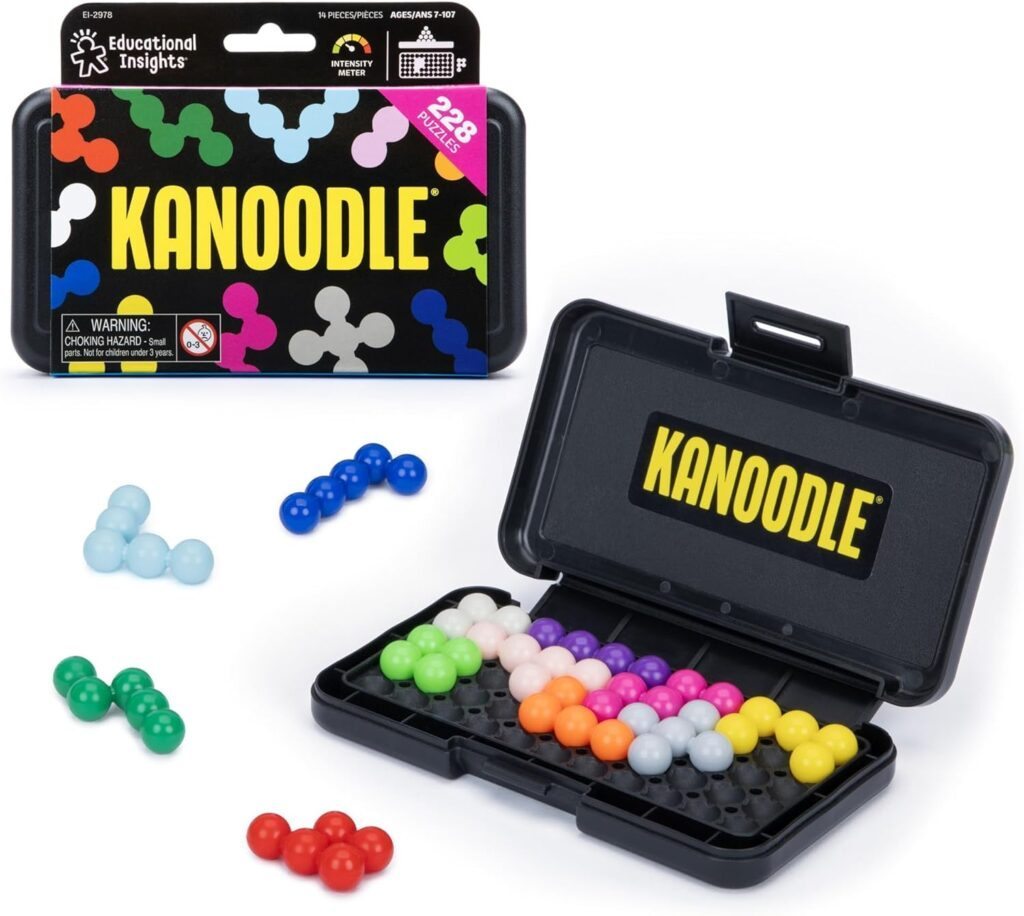
8+ Years Old

For children aged 8 and above, puzzles can become a captivating and intellectually stimulating activity. These puzzles 200+ , and more challenging puzzles. Stimulate their mind with advanced difficulty.
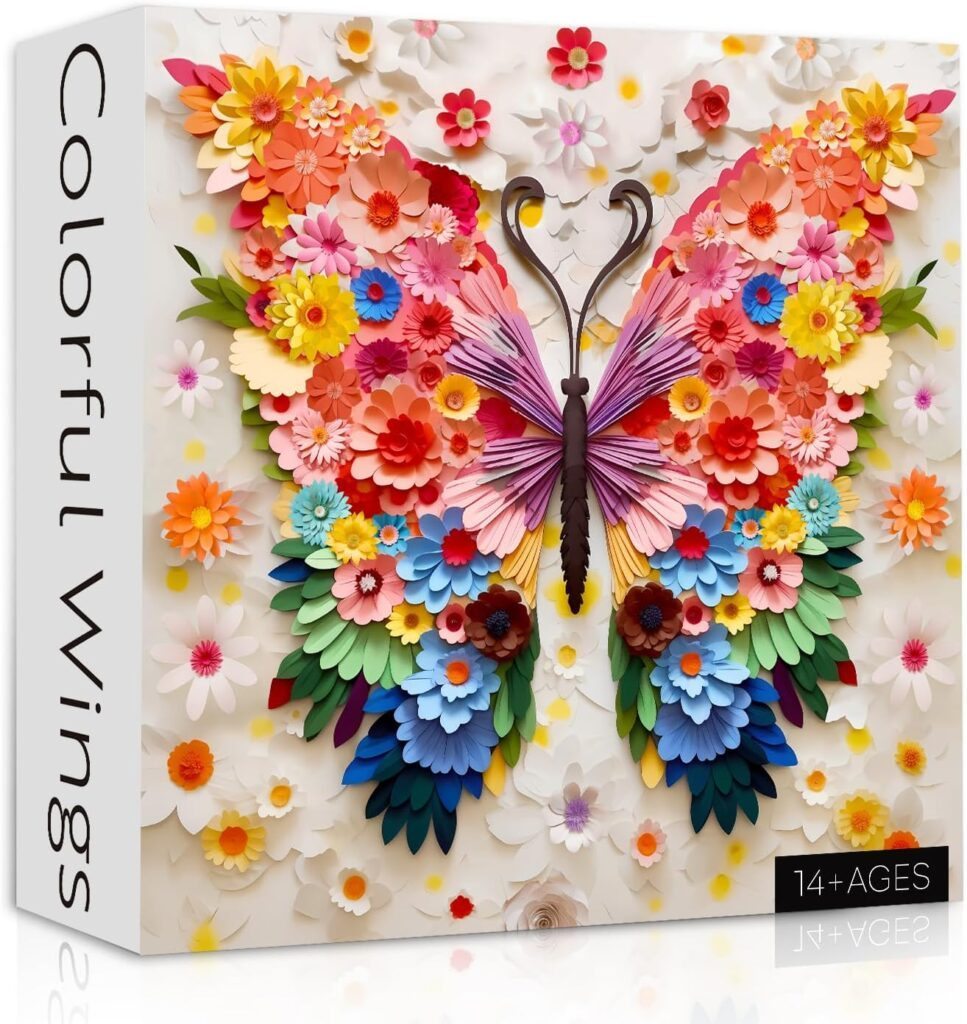
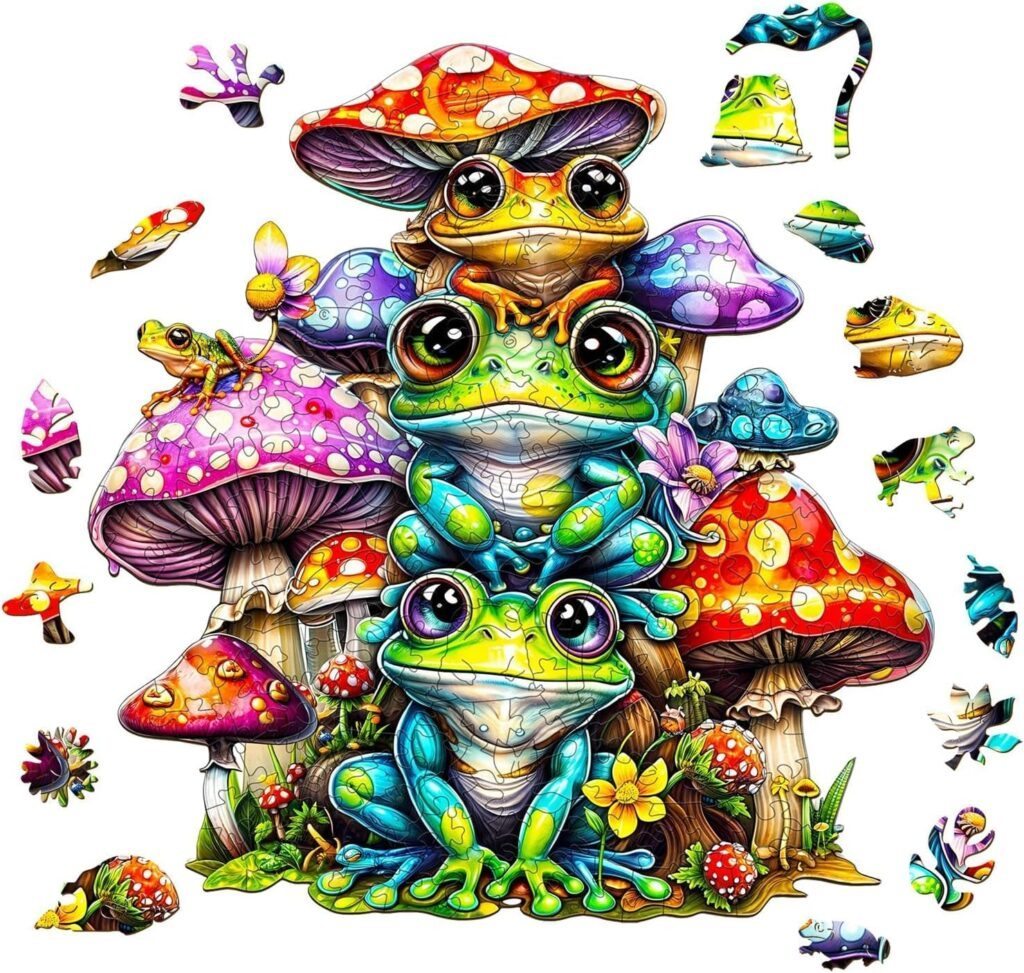
Amazon Link

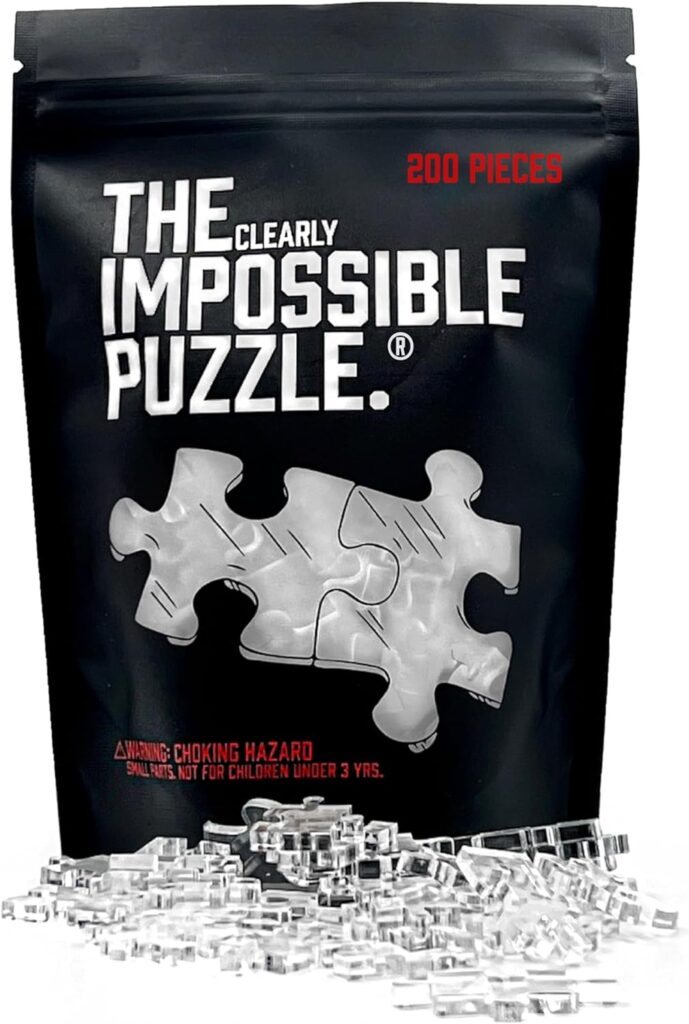
Teen and Adults

Teen and adult puzzles for a mental escape. From detailed landscapes to complex 3D models, these puzzles demand focus, strategy, and attention to detail. Puzzles offers benefits like reduces stress, and sharpens cognitive skills.


Disclosure: We use affiliate links to earn a small commission. If you choose to purchase something through one of these links, there is no cost to you.

Homepage
Homepage
Posted in Child, GamesTagged activities, kids, toys

Preschool Books Every Child Should Read

CHILD, GAMES, PARENTING

Reading to your child is one of the most important things you can do to foster their development. It builds a strong bond, stimulates their imagination, and lays the foundation for a lifelong love of learning. While every child is unique and will enjoy different books, we created a guide of preschool books that every child should experience.

Why Reading to Your Preschooler Matters

Before diving into book recommendations of preschool books, let’s explore the benefits of reading aloud to your child:

Cognitive development: Stories help children understand the world around them, develop critical thinking, and problem-solving abilities. Imagination: Reading sparks creativity and allows children to explore different worlds and possibilities.  

Language development: Exposure to new words and sentence structures expands vocabulary and grammar skills. Emotional development: Books can help children identify and express their emotions, building empathy and resilience. Bonding: Shared reading time creates a special connection between parent and child.  

Preschool Books Every Child Should Read

Classic Tales:

Here are some beloved books that offer a solid foundation for young minds:

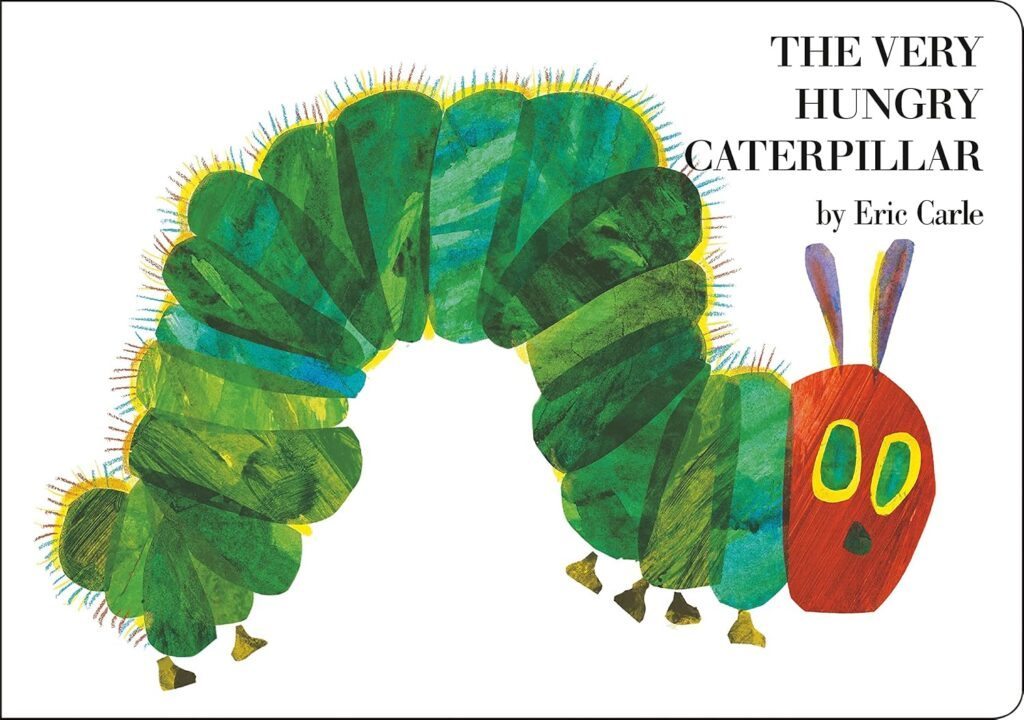
The Very Hungry Caterpillar by Eric Carle: Introduces colors, days of the week, and the life cycle of a butterfly in a captivating way. Kids love naming all the food that the caterpillar eats and you can use it in very interactive way asking questions about what your child likes to eat or what healthy choices caterpillar makes.

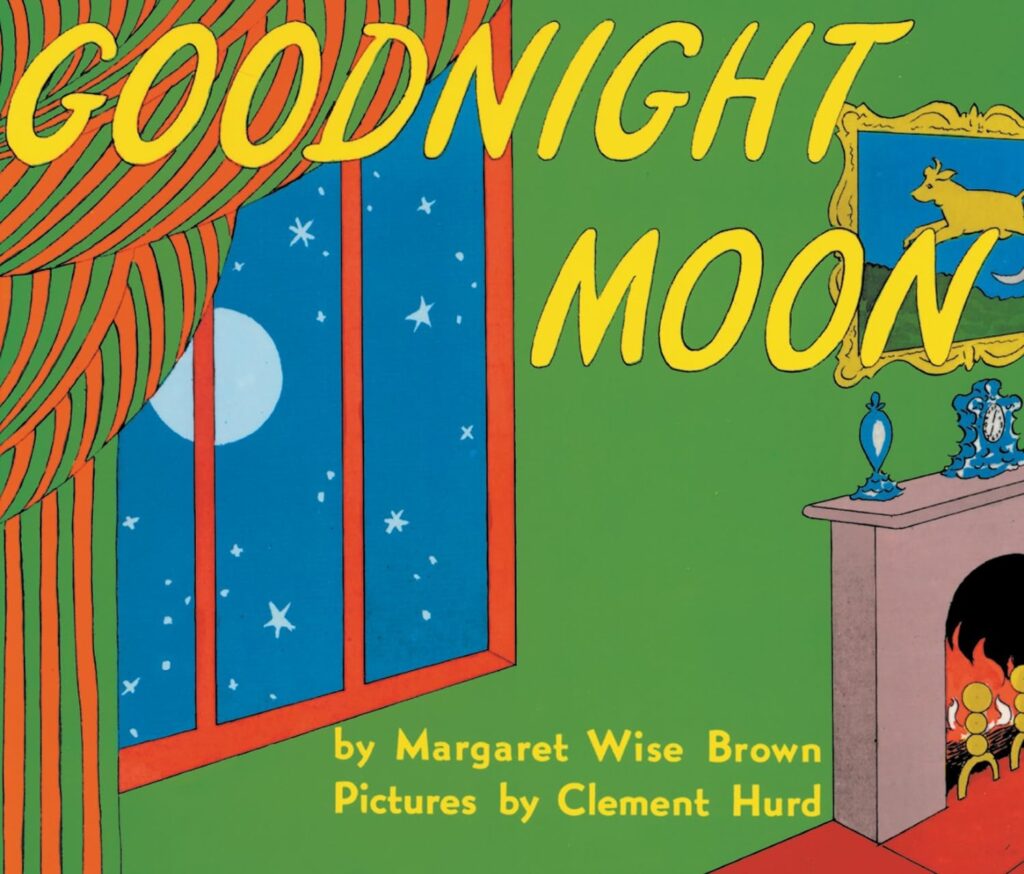
Goodnight Moon by Margaret Wise Brown: A soothing bedtime story with gentle rhymes and capturing illustrations. Kids love to explore this book and find all little details in the room. Help them to notice different things in the room but very soon your child will tell you their favorite things from this book.

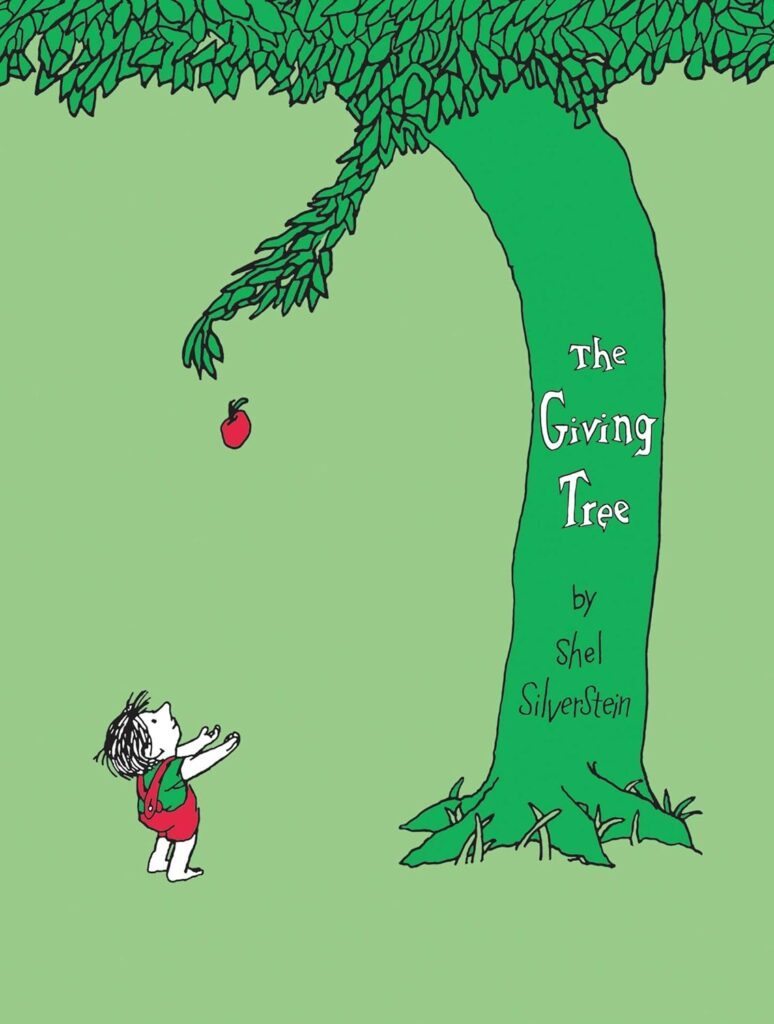
The Giving Tree by Shel Silverstein: A poignant tale about unconditional love and friendship. Great book for children to learn about gifts and life lesson of unconditional love. It is also book that shows sadness with a lot of hope.

Funny and Engaging:

The Cat in the Hat by Dr. Seuss: A playful and rhyming adventure that introduces new words and sounds. Great for kids’ imagination and all the mischief adventures that cat will take you on. Allow kids to have them good laugh and recognize what behavior is right and what is wrong.

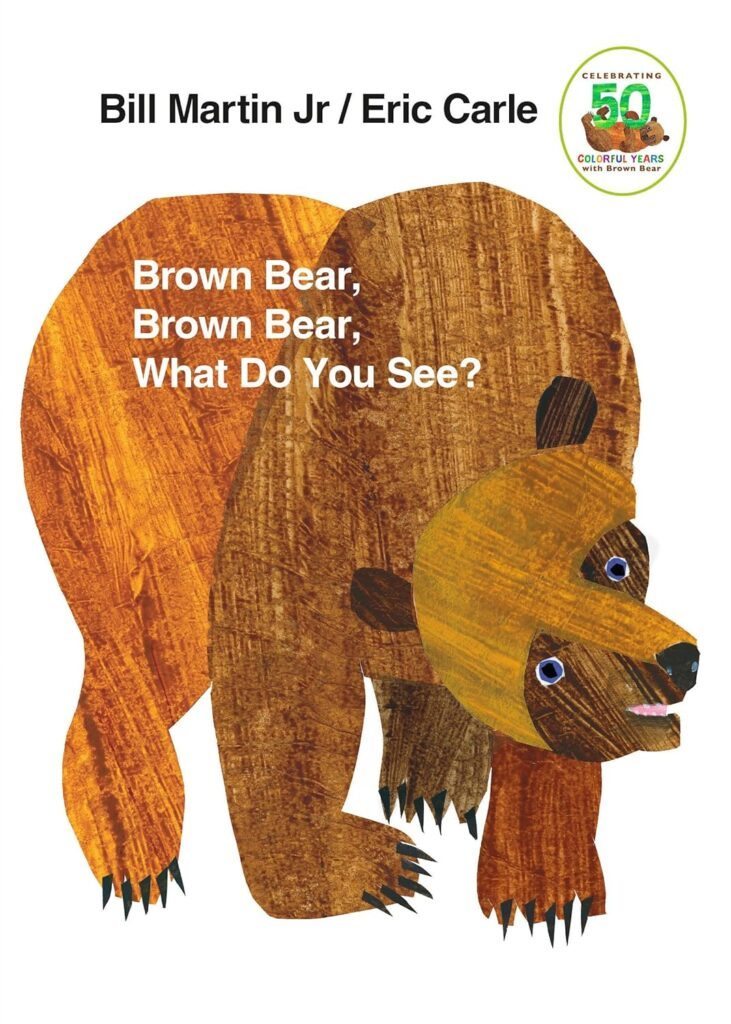
Brown Bear, Brown Bear, What Do You See? by Bill Martin Jr.: Interactive and colorful, this book encourages participation and observation. Interactive and funny way how to have children recognize colors and animals. What colors the real animals are?

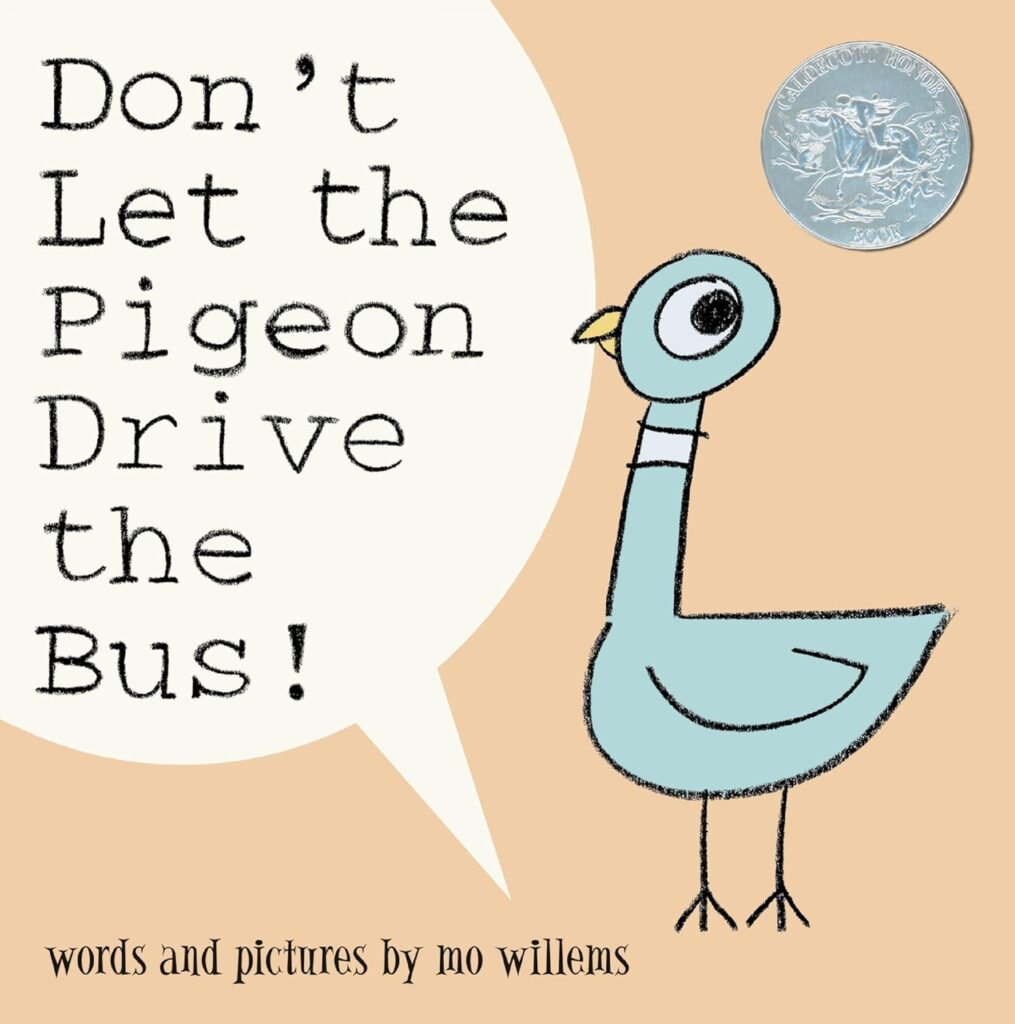
Don’t Let the Pigeon Drive the Bus! by Mo Willems: A hilarious and relatable story that captures the preschooler mindset. Your children will have a lot of laughs and engaging moments with this book. Just don’t let that silly pigeon drive, you know he is sneaky!

Learning and Growing:

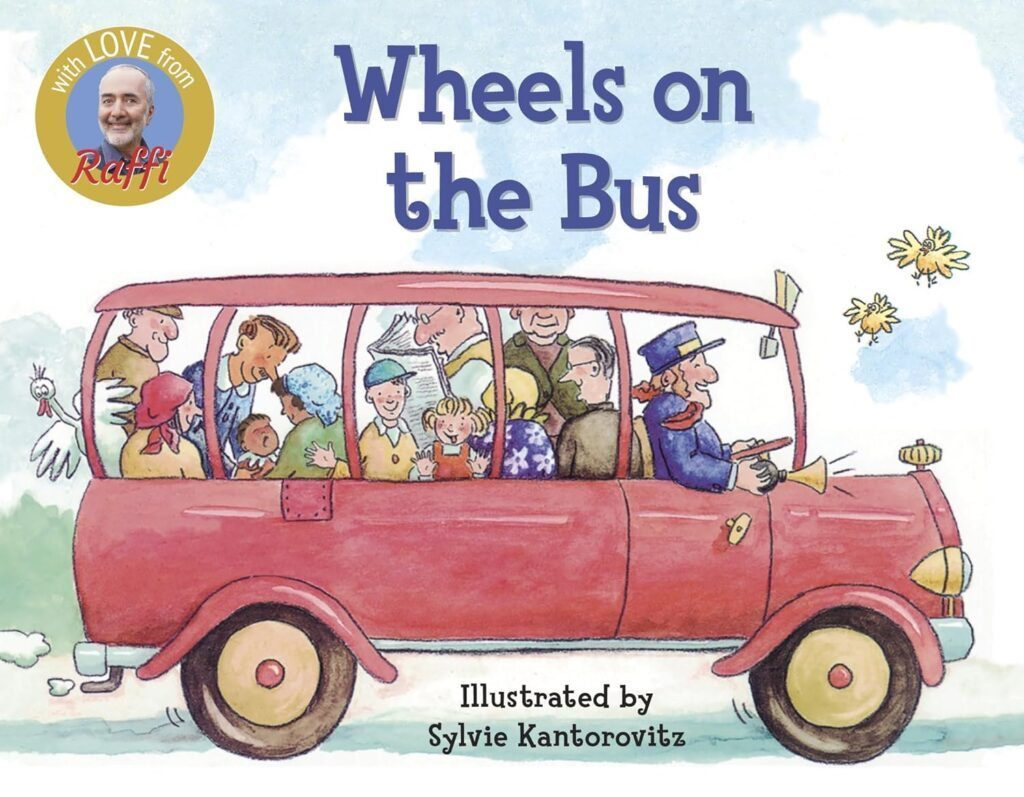
The Wheels on the Bus by Raffi: is more than just a catchy tune; it’s a supercharged learning tool! This vibrant book turns bath time, car rides, or quiet moments into fun-filled language lessons. Your little one will be clapping, singing, and learning in no time!

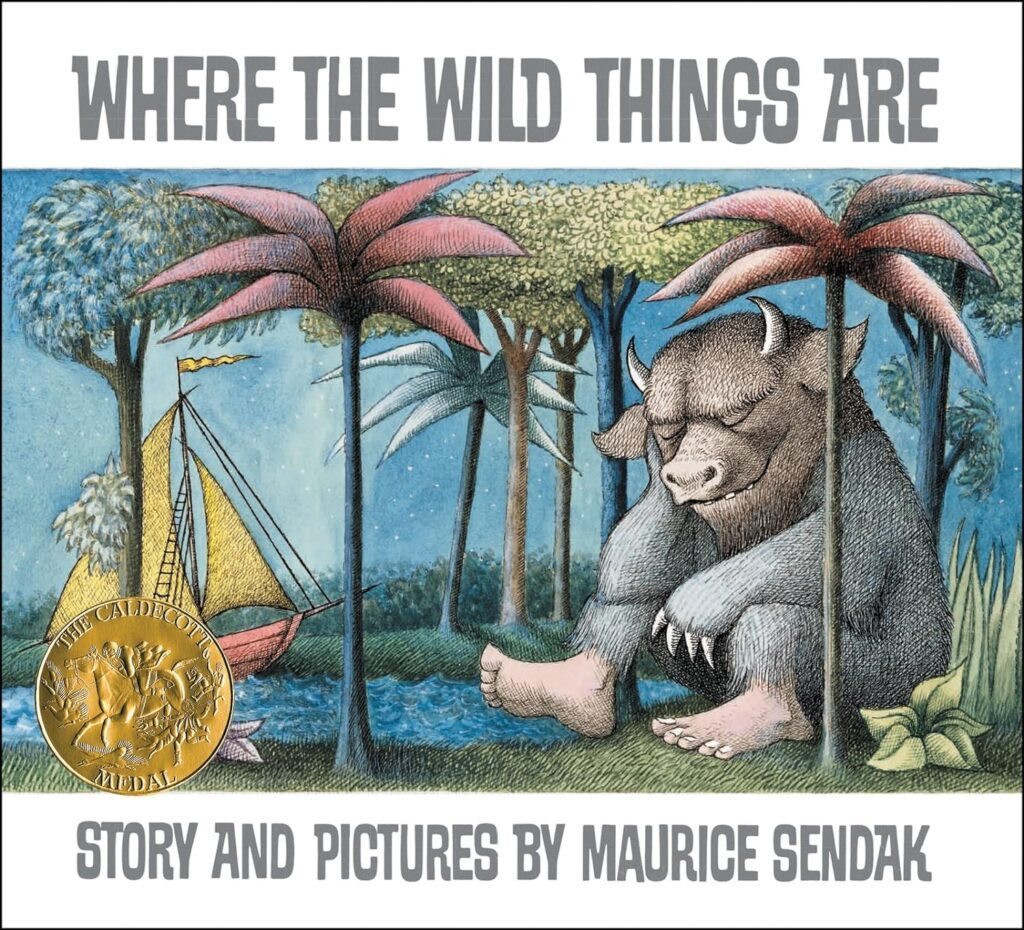
Where the Wild Things Are by Maurice Sendak: A fantastical journey that explores emotions and imagination. When dress up game turns into adventure and imagination. Max is the king of wild things and your child can share same adventure from their room.

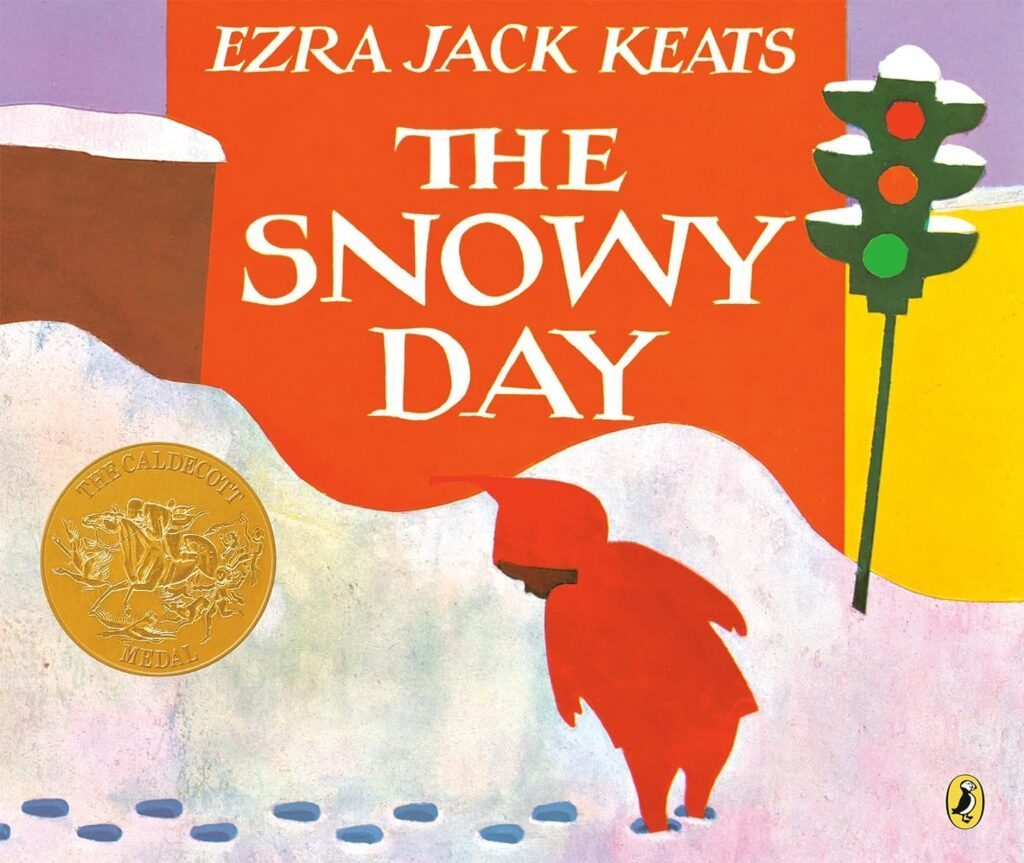
The Snowy Day by Ezra Jack Keats: A beautiful picture book that captures the magic of winter and wonder. With simple text that matches the bright pictures, it’s easy for kids to follow along and remember. Even the busiest toddlers can enjoy.

Remember: The best books are the ones that you and your child enjoy together. Explore different genres, authors, and topics to find stories that spark your child’s interest. Most importantly, make reading a fun and enjoyable experience!

Disclosure: We use affiliate links to earn a small commission. If you choose to purchase something through one of these links, there is no cost to you.

Homepage
Homepage
Posted in Child, Games, ParentingTagged books, kids

Indoor Birthday Party Activities for Kids

GAMES

Planning a birthday party indoors can be a challenge, but it doesn’t have to be boring! With a little creativity, you can transform your space into a fun-filled party zone. Whether you’re dealing with unpredictable weather or simply prefer a cozy indoor setting, this guide is packed with exciting ideas to keep your little guests entertained and happy. Get ready to unleash your inner party planner and create a memorable celebration. Get inspired with Indoor Birthday Party Activities for Kids.

Photo Booth

A photo booth is a great way to capture all the fun and laughter of your child’s birthday party. It’s also a great way to get kids to interact with each other and create some lasting memories.

Here are some tips for creating a photo booth for your kids’ party:

  • Choose a theme. This will help you narrow down your props and decorations. Focus on your kid’s interest – superhero, flowers, animals, trucks, dinosaurs, fairy, bakers, candy, etc.
  • Set up a backdrop. You can use a sheet, white wall a poster, or even a piece of fabric – avoid crazy patterns that do not photograph well.
  • Gather some props. This can include anything from hats and glasses to masks and signs.

Party Props

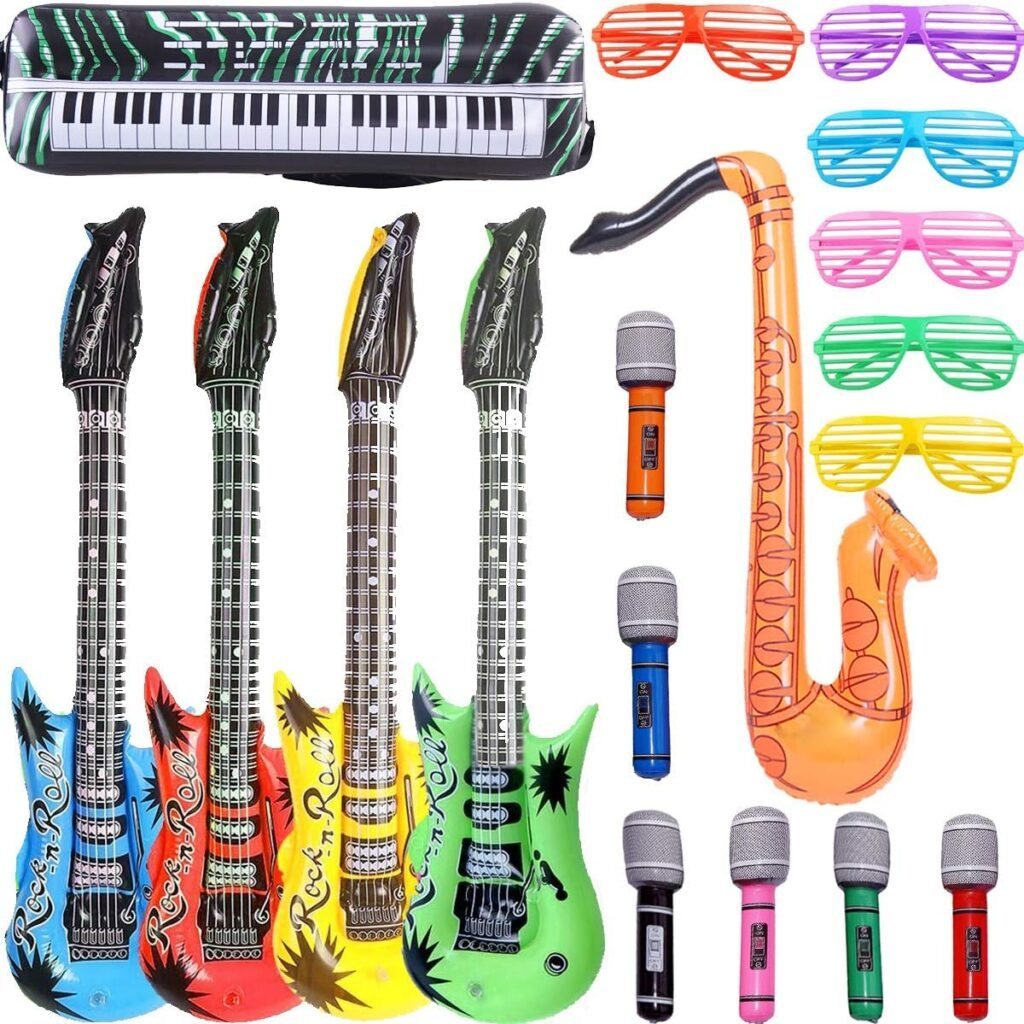
  • Encourage creativity. Let kids get creative with their poses and expressions. You can play a music and allow kids to move
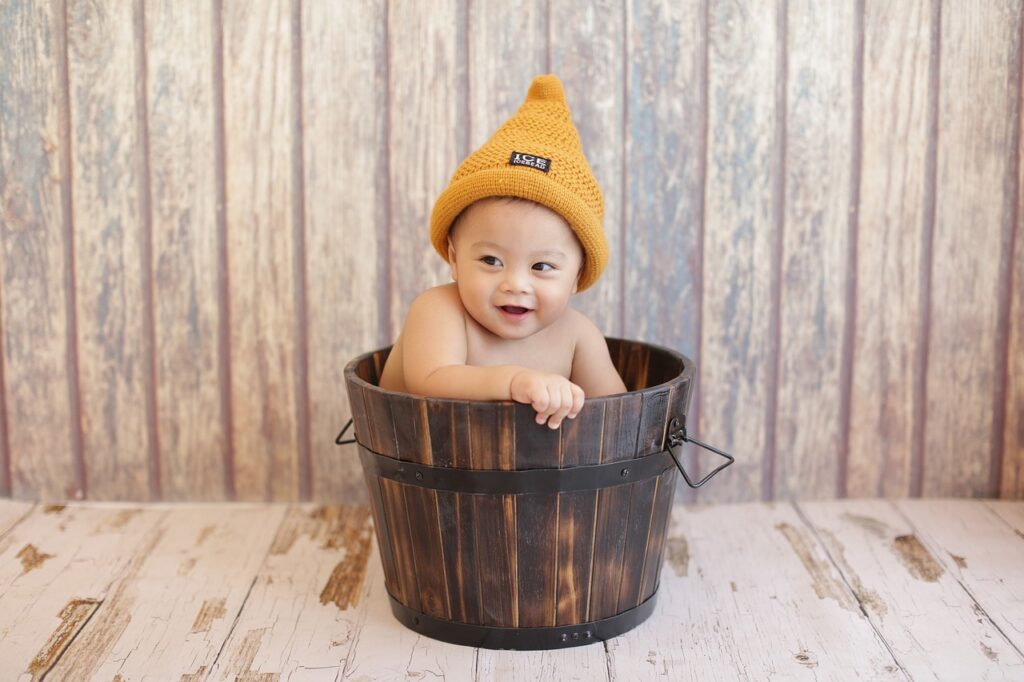
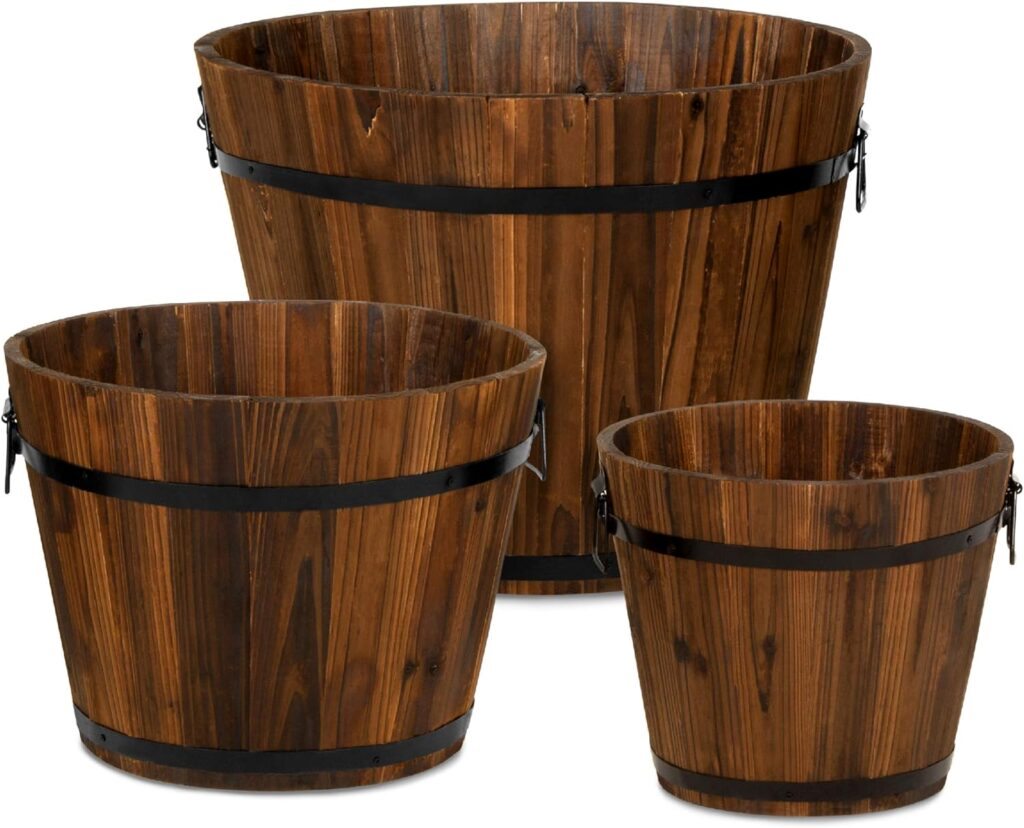
  • Morden Trends: Get inspired by modern photo trends and create a personalized photo keepsake! Provide a simple paper box (you can put it sideway) or bucket and have each child climb in. Capture each photo and at the end combine all the photos together to create a unique and unforgettable party collage.

Create Obstacle Course

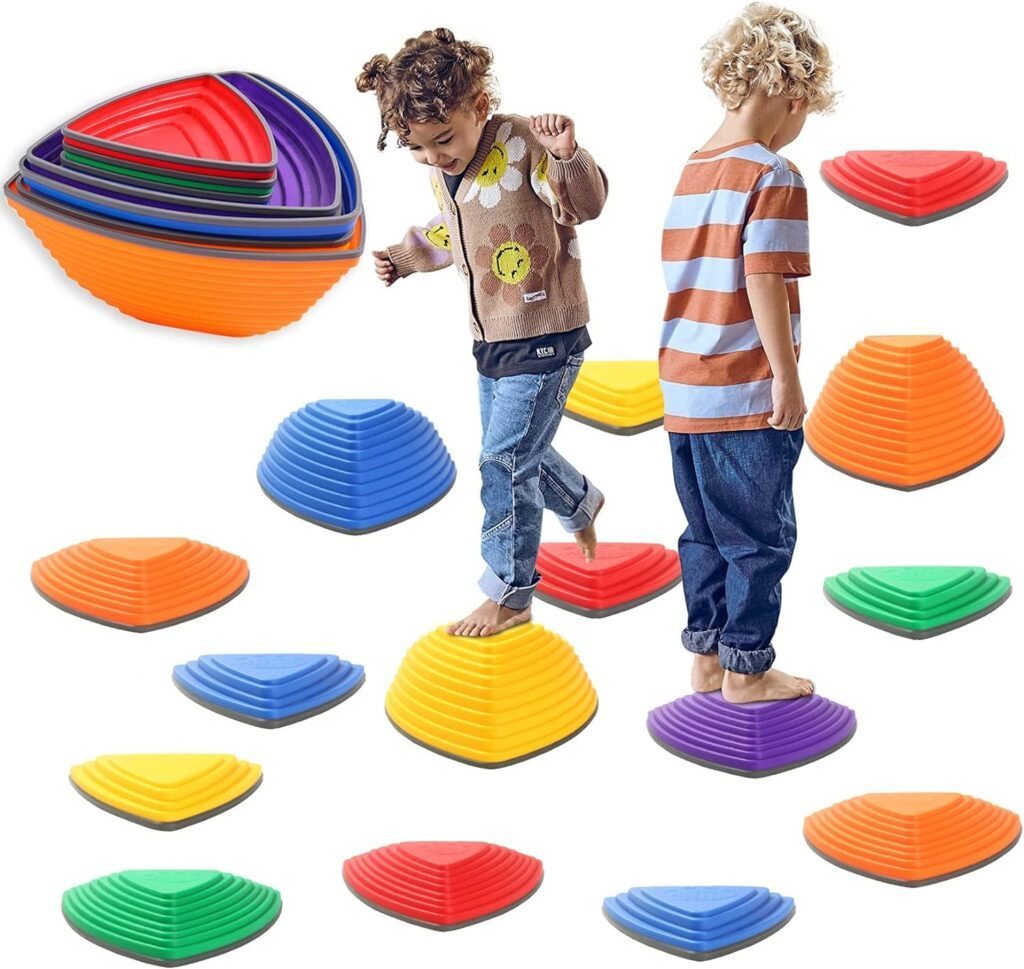
Use masking tape to create stations (you can use stepping stones) by setting out different challenges. For example, have kids hop over pillows, crawl under a table, or balance on a piece of cardboard. You can also set up a “target” for them to throw beanbags or stuffed animals. Don’t forget to add a fun twist, like requiring them to sing a song or tell a joke while completing a specific obstacle.

Stepping Stones

Freeze dance

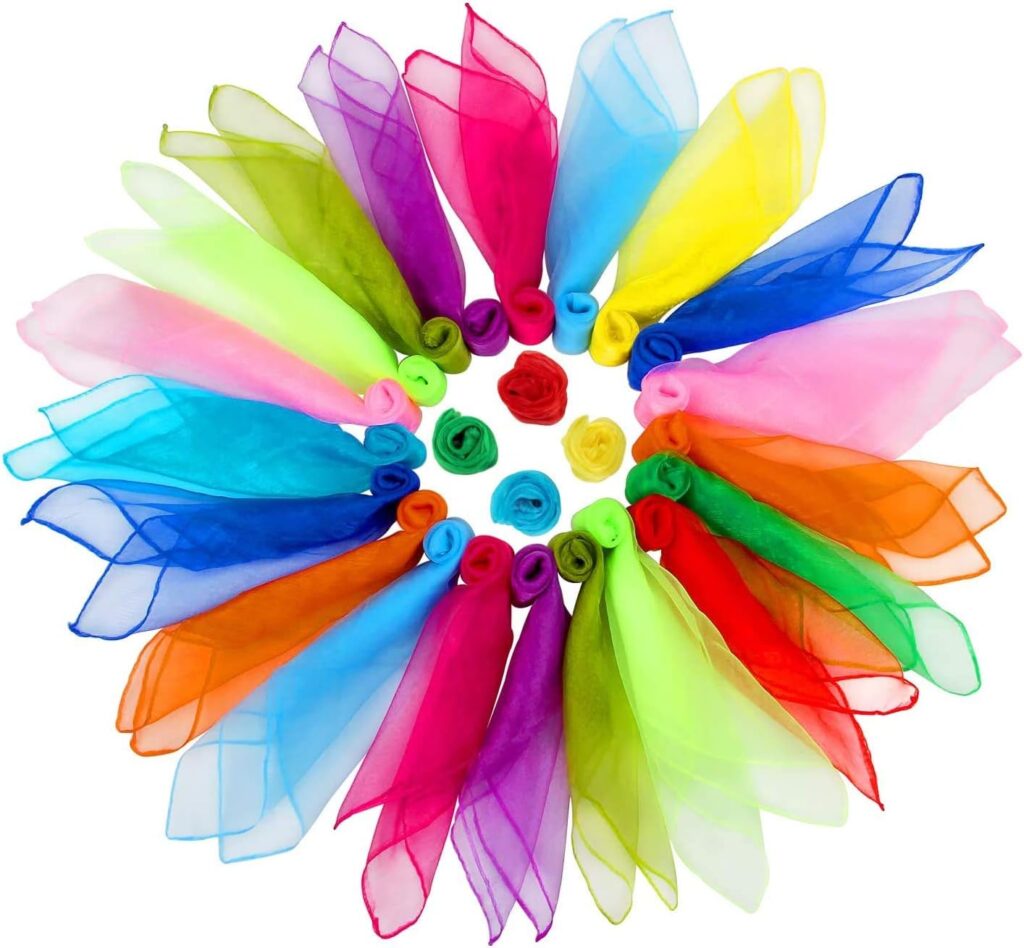
Add a fun twist to the classic freeze dance game. Give each child a colorful scarf to dance with. As the music plays, kids can twirl, sway, and dance freely with their scarves. When the music stops, they must freeze in place, holding their scarves in a creative pose. For an extra challenge, try changing the music tempo from fast to slow, or give specific dance directions like “dance like a robot” or “be a ballerina.”

Treasure Hunt

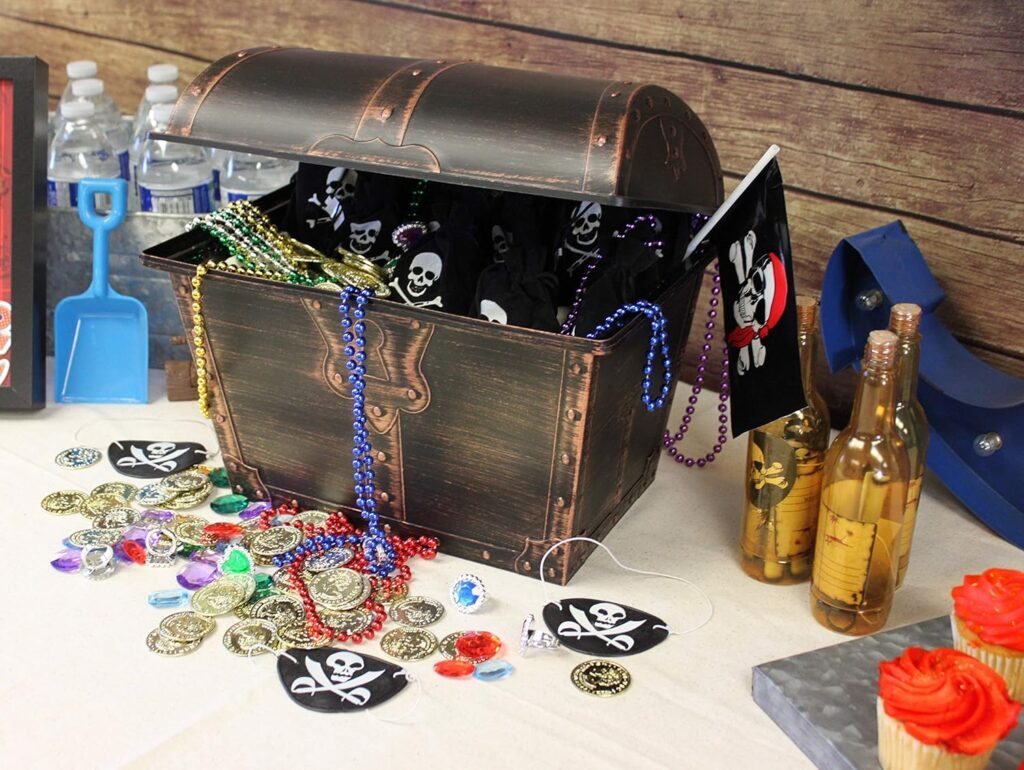
Turn your living room into a treasure hunt. Create a map filled with clues that lead adventurers to hidden treasures throughout your space. Don’t forget for a treasure box! For an extra dose of excitement you can use backyard at night or just a small balcony (always think safety). Incorporate glow-in-the-dark elements or use flashlights to illuminate the path.

What’s in the Box?

Get ready for a sensory adventure with cardboard box, various textured items (like cotton balls, sandpaper, feathers, slime, or anything children will have fun touching.

Cut several small holes in the top of the cardboard box. Place a different item inside each hole, ensuring your child can’t see what’s inside. Have children to guess the items. Have fun and you can even create prize for a winner.

Decorate Own Cupcake

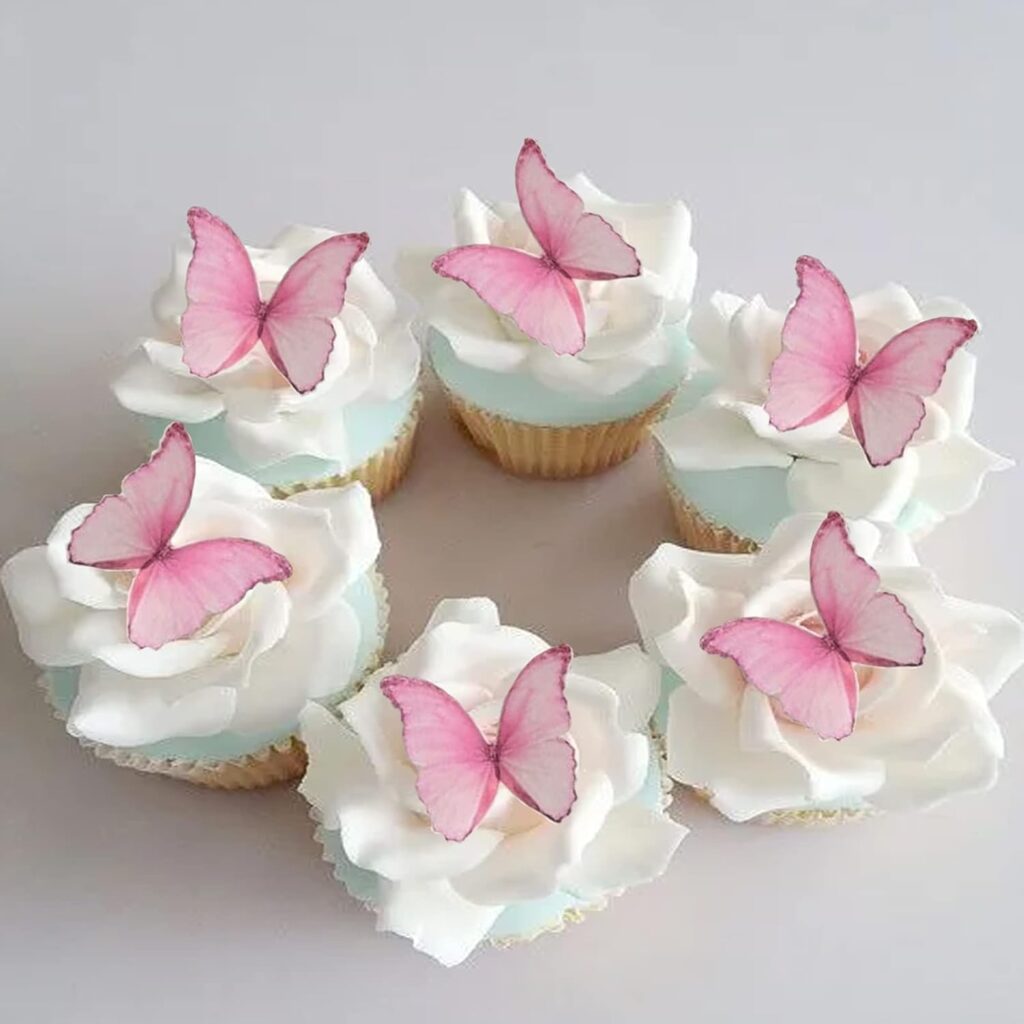
Set up a cupcake decorating station. Bake a variety of cupcakes in advance and arrange a spread of colorful frosting in different piping bags or bowls. Provide a selection of toppings like sprinkles, edible glitter, mini marshmallows, chocolate chips, fruits, or edible butterflies or other edible decoration. Let the kids unleash their creativity.

Donut on String

Tie donuts (Consider gluten free donuts as children have a lot of allergies) with a hole to a same length strings and hung them on a stick. The challenge? Eat your donut without using your hands! Watch as children twist and turn, trying to get to the donut off the string. Let’s see who has the skills (and the stomach) to be crowned the Donut Champion!

Hide and Seek

Let’s spice up the classic game of hide and seek! Once a hider is found they become a team seeker. Instead of being out, they team up with the original seeker to find the remaining players. Think of it as a growing search party! The last person found becomes the next seeker, starting a new round with a fresh team of helpers.

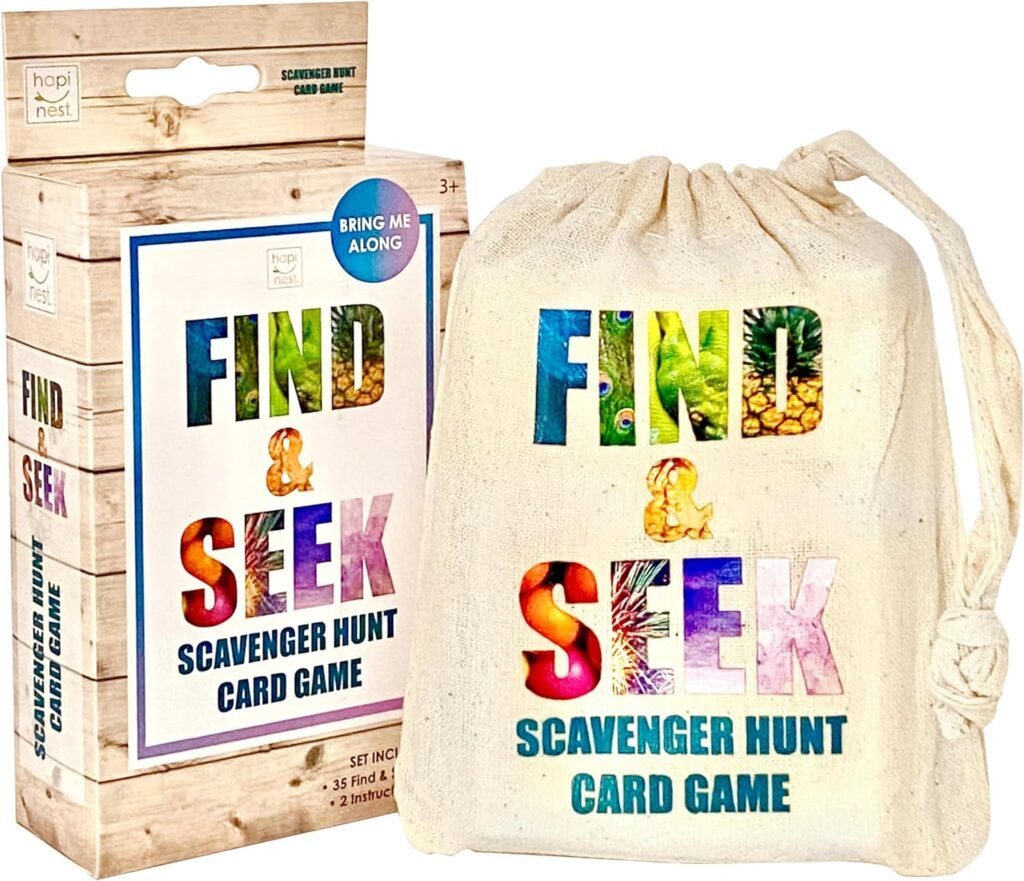
Or Try find and seek game and select cards that can be accomplished to find inside of the house.

Candy Race

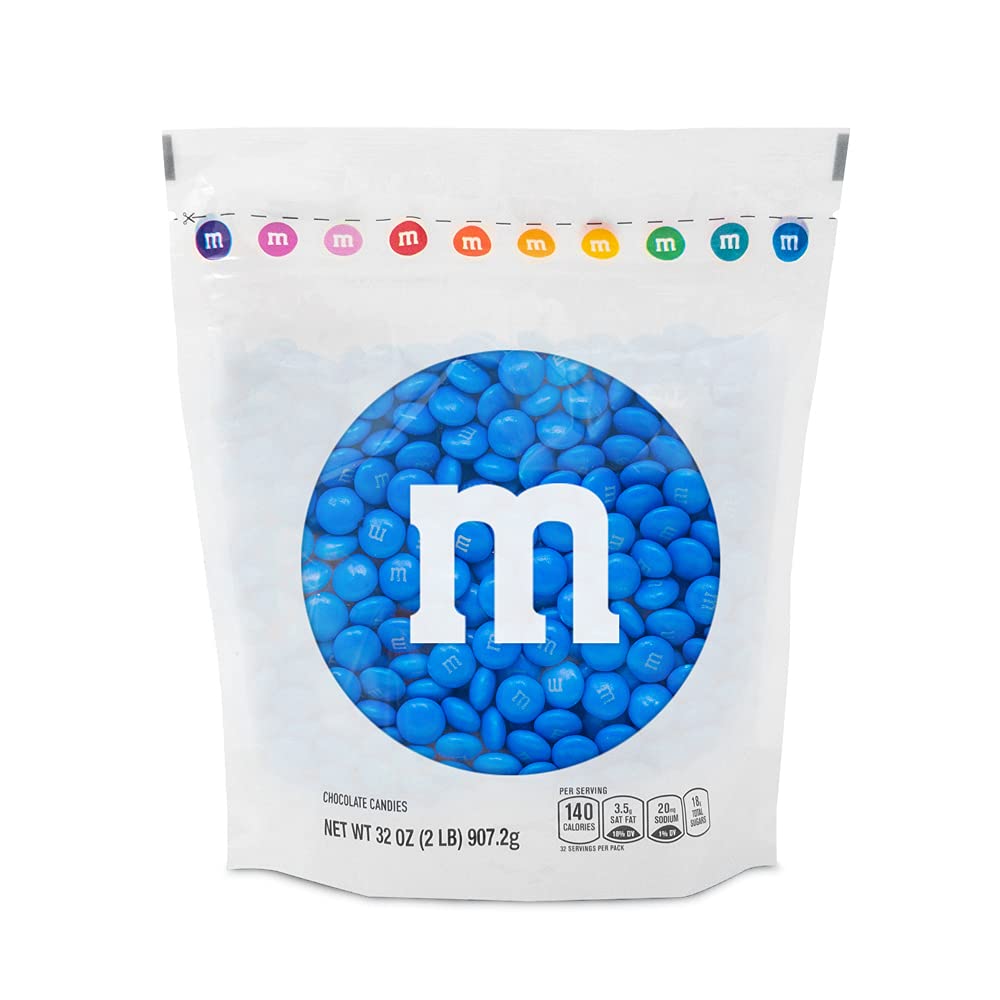
A candy race is a fun and exciting activity for a kids’ party. The race can be set up with different stations, each with a unique candy-related activity. For example, one station could have kids create their own bracelets using colorful candy beads. Another station could have a giant jar of M&Ms, and kids could try to guess how many are inside. The winner of the race is the one who completes all the stations the fastest or with best guesses.


Disclosure: We use affiliate links to earn a small commission. If you choose to purchase something through one of these links, there is no cost to you.

Homepage
Homepage
Posted in GamesTagged activities, games, kids

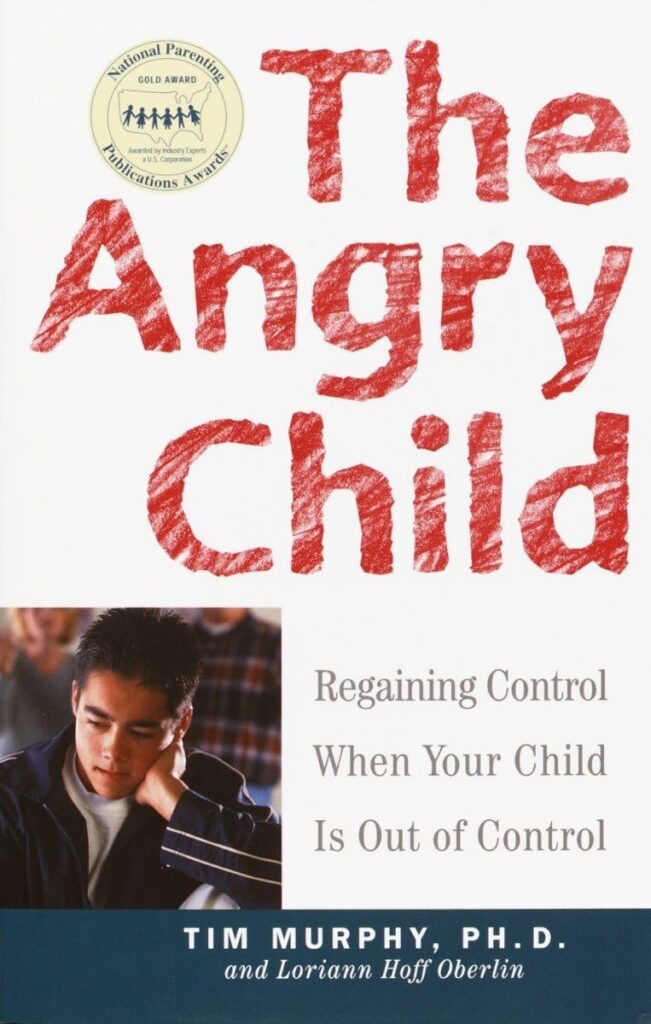
Angry Child: Helping Your Child Manage Anger

PARENTING

Managing a angry child can be challenging. It’s important to remember that children often express anger because they haven’t yet developed effective coping strategies. Here are some techniques to help your child manage their anger.

Understanding Your Child’s Anger

The Angry Child

Identify Triggers

Understanding what sets off your child’s anger is an important step. Pay close attention to the situations that commonly lead to outbursts. Is it feeling overwhelmed, frustrated, or tired? What is the repeating pattern? Identifying these triggers can help you prevent angry episodes. Keep written log of these situations to gain a clearer picture.

Validate Feelings

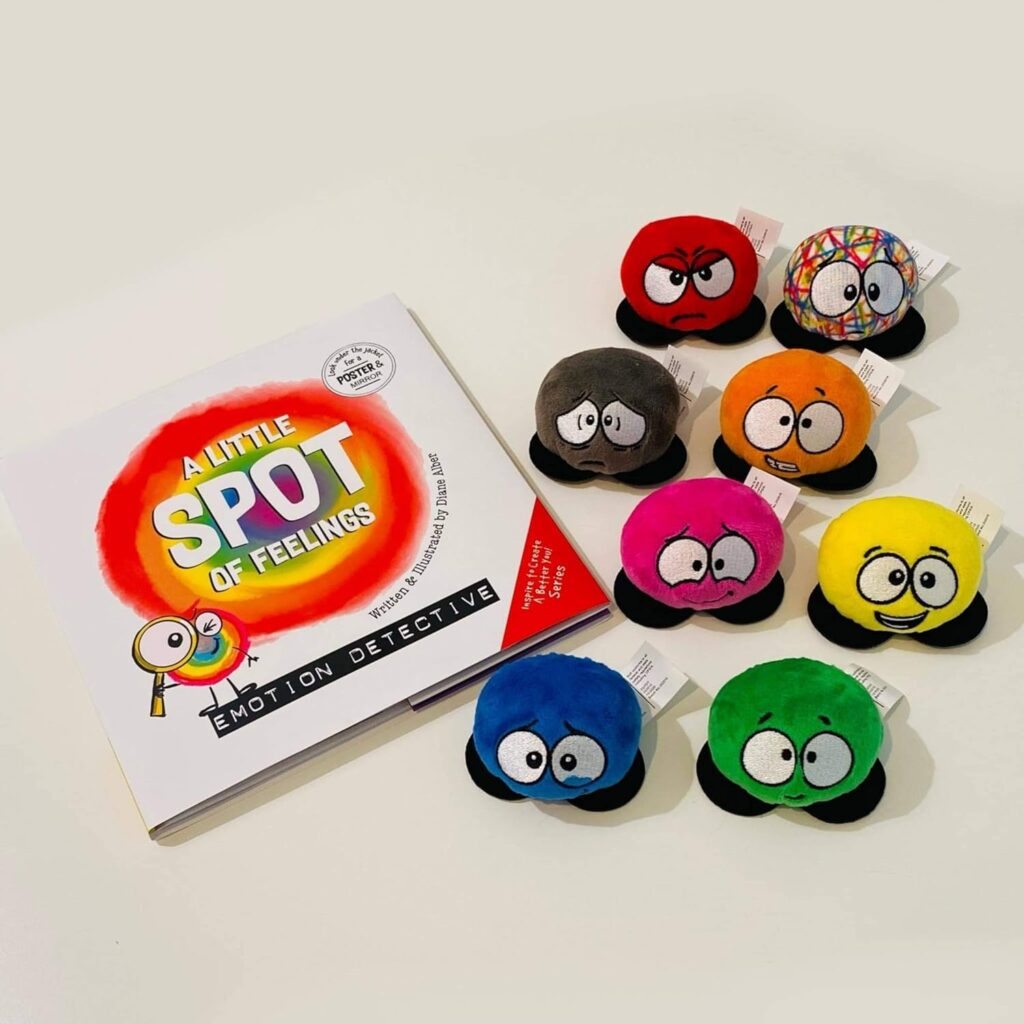
Let your child know that it’s okay to feel frustrated. Validate their emotions by saying, “I understand you’re feeling angry right now.” Explain to your child that it’s okay to feel angry, but hitting, yelling, or throwing things is not acceptable. These actions hurt others and will have consequences. Teach them that there are healthier ways to deal with anger.

Feelings

MEL Science

Communicate Openly

Encourage your child to express their feelings using words. Create a safe space for open communication. Teach them to use “I” statements to express their emotions, such as “I feel angry when…” or “I feel frustrated because…” This helps them develop healthy communication skills and gives them an outlet for their feelings. Be a good listener and show empathy to help them cope with their anger.

Angry Child: Teaching Coping Skills

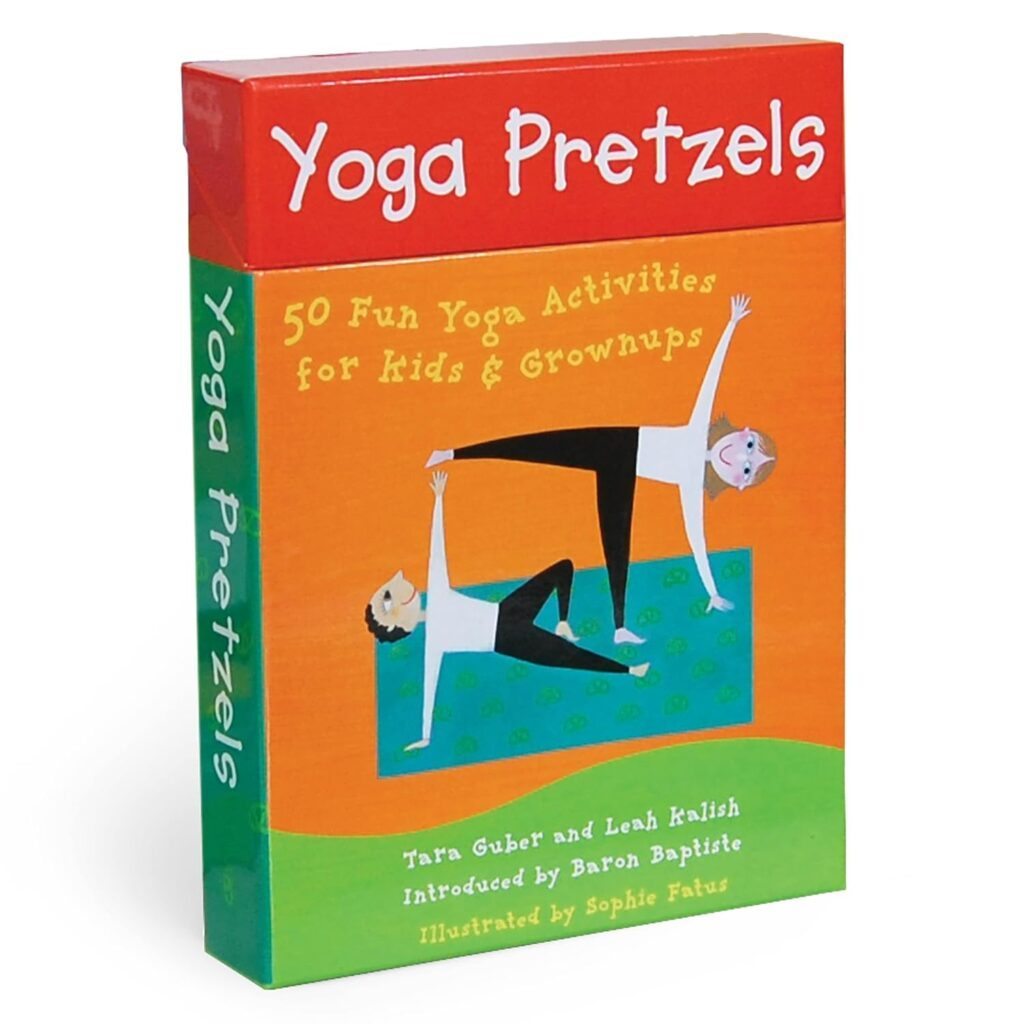
Yoga for Kids

Deep breathing and relaxation techniques

Breath in and breath out – a powerful tool for calming down. Teach your child to take slow, deep breaths when they start to feel angry. This simple practice can help lower their heart rate and reduce feelings of overwhelm. Also, they will be able to evaluate situation better if they are calm. Yoga can be a great tool for learning how to breath.

Time-outs can provide a necessary break

When you need to calm down too, take a break. Create a calm space where they can go to cool down. Explain that the time-out is not a punishment but an opportunity to regain control of their emotions.

Teaching problem-solving skills

It’s not only about calming the situation down but also teach them how to solve a problem a different way. Help your child identify the problem, brainstorm solutions, and choose the best course of action. This empowers them to take control of challenging situations.

Positive reinforcement

Reward your child when they handle anger in a constructive way. This positive feedback will motivate them to repeat these behaviors in the future. Give your attention to a behavior that you want to support.

Problem solving for kids

Physical activity and self-care.

Engaging in sports or other activities can help release pent-up energy and reduce stress. Activities like yoga, self defense, soccer, baseball, journaling, dancing, music, drawing and other can also teach children valuable self-regulation skills.

Setting Limits and Consequences

  • Consistent rules: Establish clear and consistent rules to prevent power struggles. The word consistency is very important as your child need to understand that there is no room for an angry behavior.
  • Natural consequences: Allow your child to experience the natural consequences of their actions when safe.

Social Rules for Kids

Seeking Professional Help

If your child’s anger is severe or impacting their daily life, consider seeking guidance from a child psychologist or therapist. They can provide tailored strategies and support. Remember, it is ok to ask for help. Think about how much it can help your child and your family. Seek support from friends, family, or support groups.

It’s important to remember that every child is different, and what works for one may not work for another. Be patient and consistent in your approach. With time and effort, you can help your child develop healthy ways to manage anger. This is a journey, so please be patient.

Disclosure: We use affiliate links to earn a small commission. If you choose to purchase something through one of these links, there is no cost to you.
Homepage
Homepage
Posted in ParentingTagged advice, kids, nanny, parenting

Best Fidget Toys for Focus and Calm

GAMES

Fidget toys have become increasingly popular as tools to help people improve focus, reduce stress, and manage anxiety. These small devices provide an outlet for nervous energy, allowing the mind to concentrate better. Let’s explore some of the best options available.

Types of Fidget Toys

Fidget toys come in a variety of shapes, sizes, and textures. Here are a few popular categories:

Handheld fidgets:

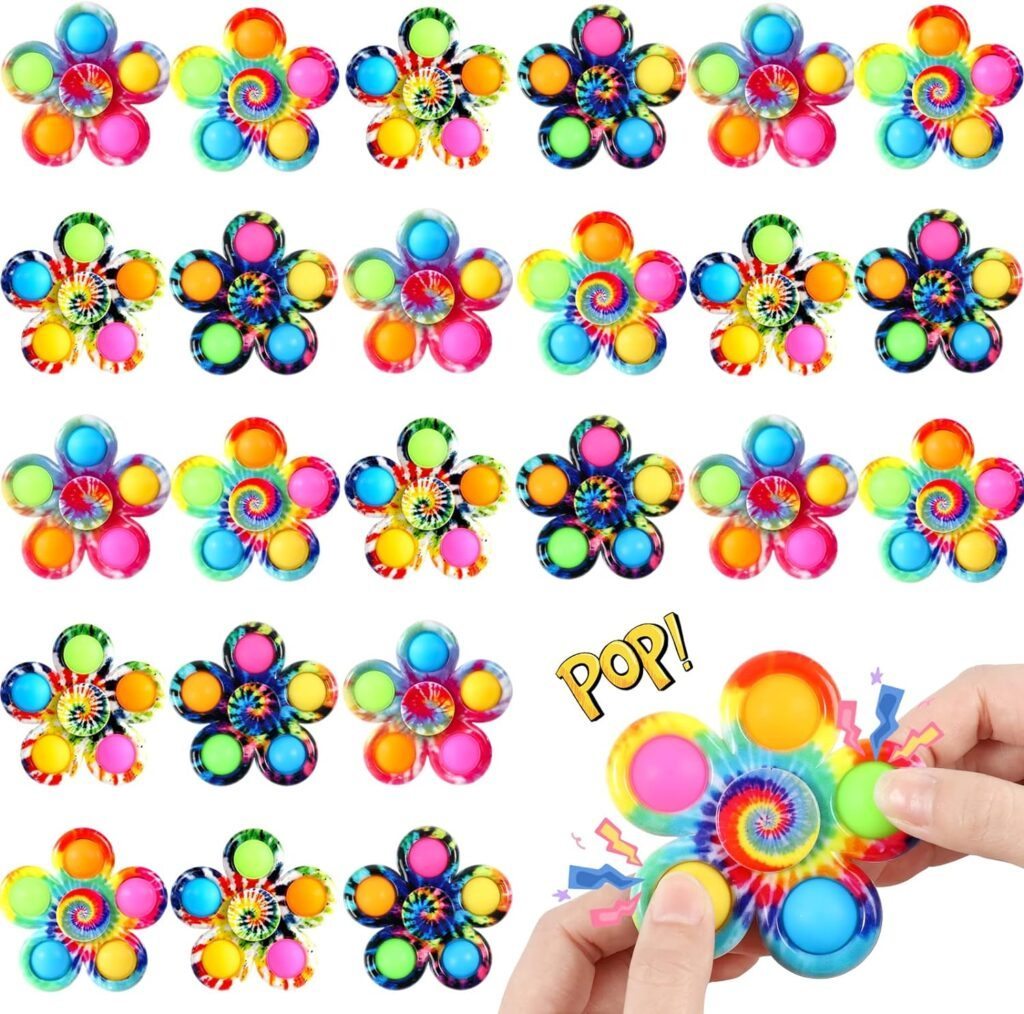
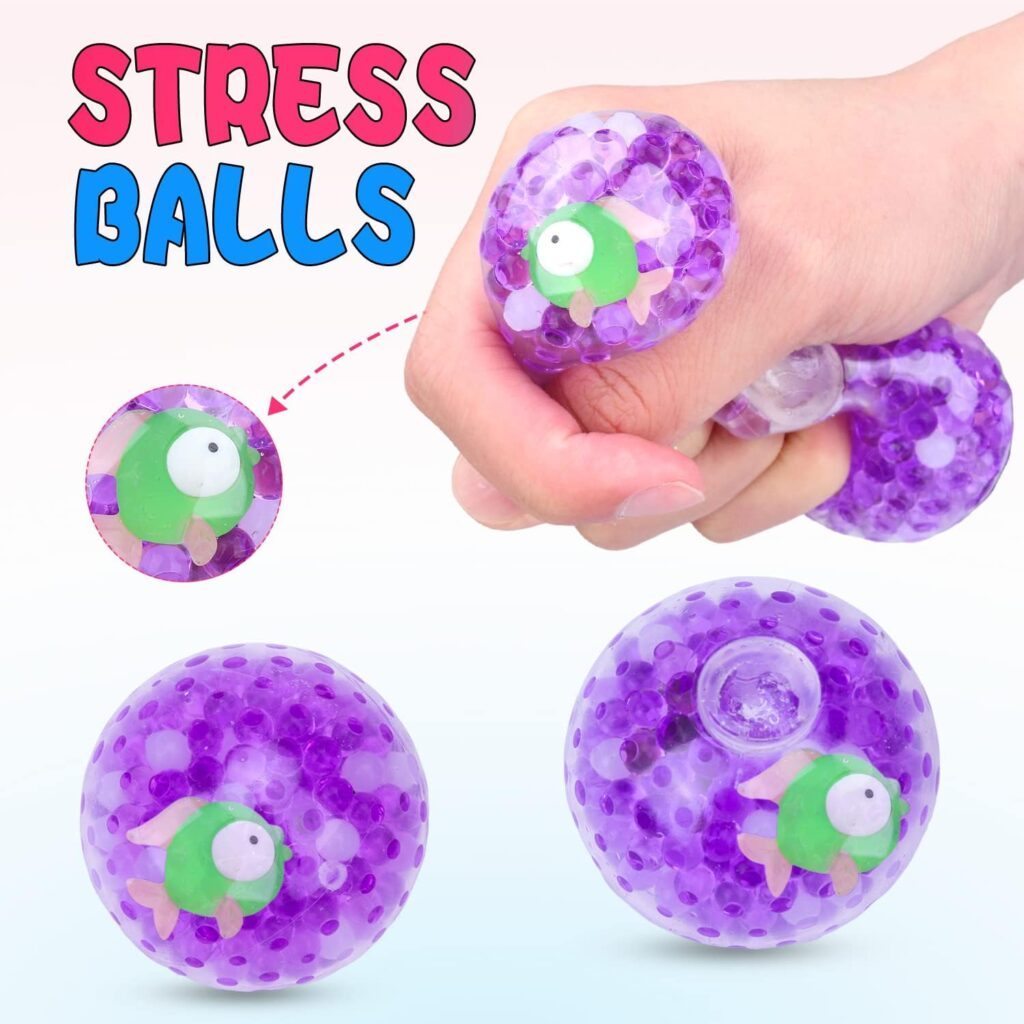
These are small objects designed to be manipulated with the hands. Examples include stress balls, fidget cubes, and spinners. Fidgets provide tactile sensory experiences for children. These small, portable toys offer a calming and engaging outlet for young minds. By manipulating various textures and shapes, kids can focus attention, reduce anxiety, and enhance fine motor skills.

Press Bubble

Cubes

Spinner

Sensory fidgets:

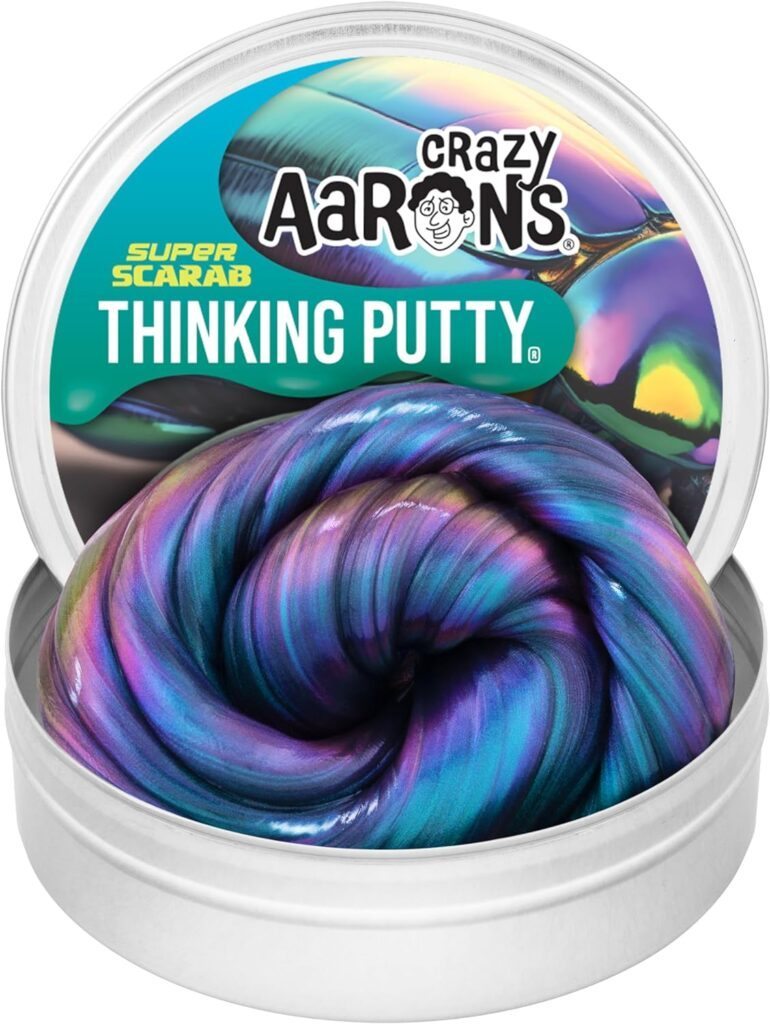
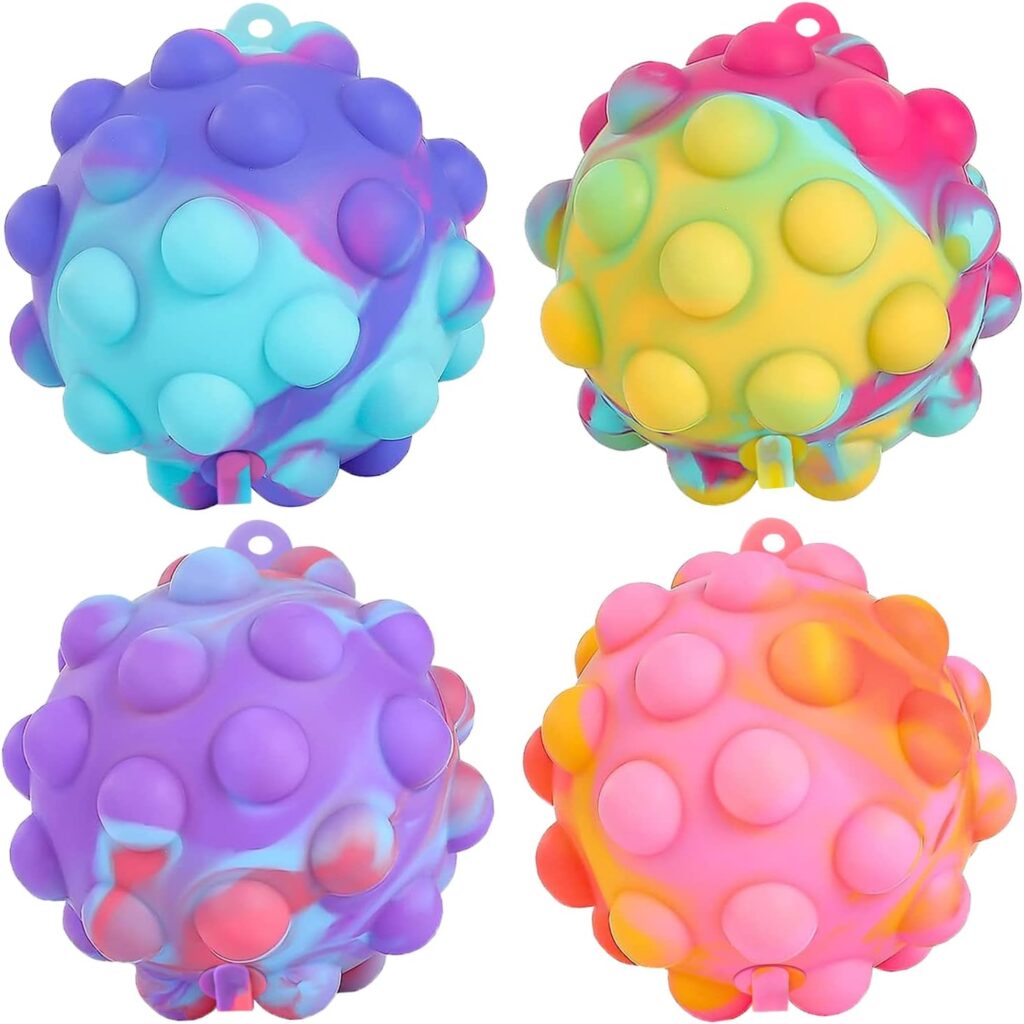
These toys focus on providing sensory stimulation. Think slime, putty, or textured balls. Fidgets offer a fun and calming experience for kids. Designed to engage the senses, these toys can help children focus, reduce anxiety, and develop fine motor skills. Whether it’s the squishy feel of slime, the bright colors of a fidget spinner, or the calming sounds of a liquid timer, sensory fidgets provide a stimulating and enjoyable way to stay engaged.

Fidget Balls

Stringy Balls

Stress Balls

Other fidgets:

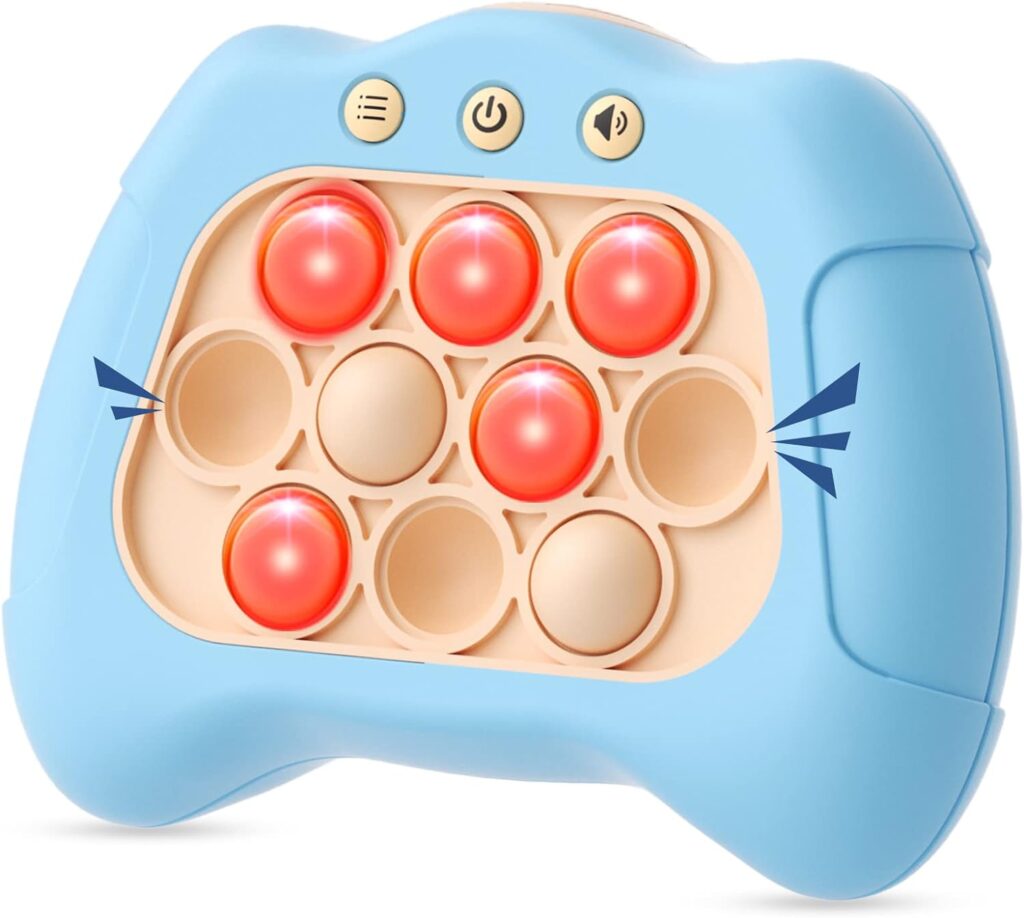
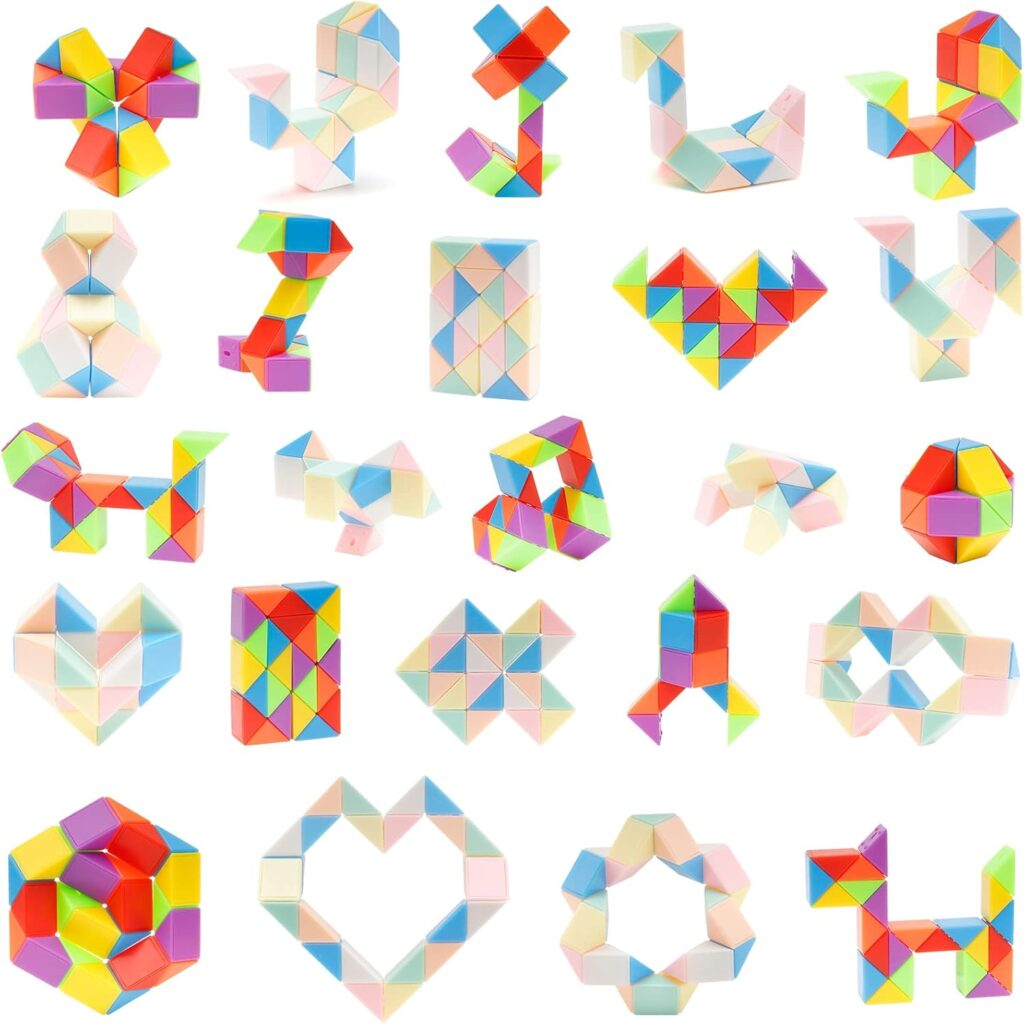
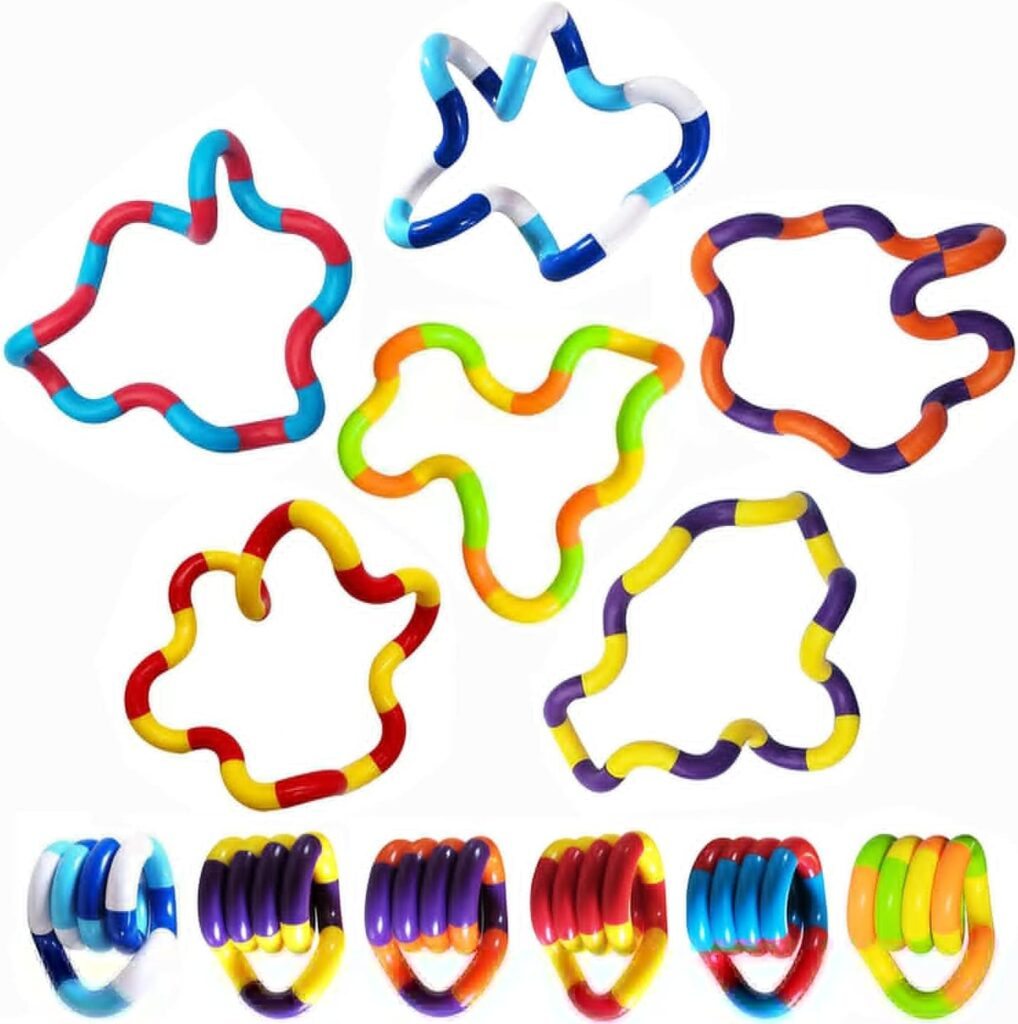
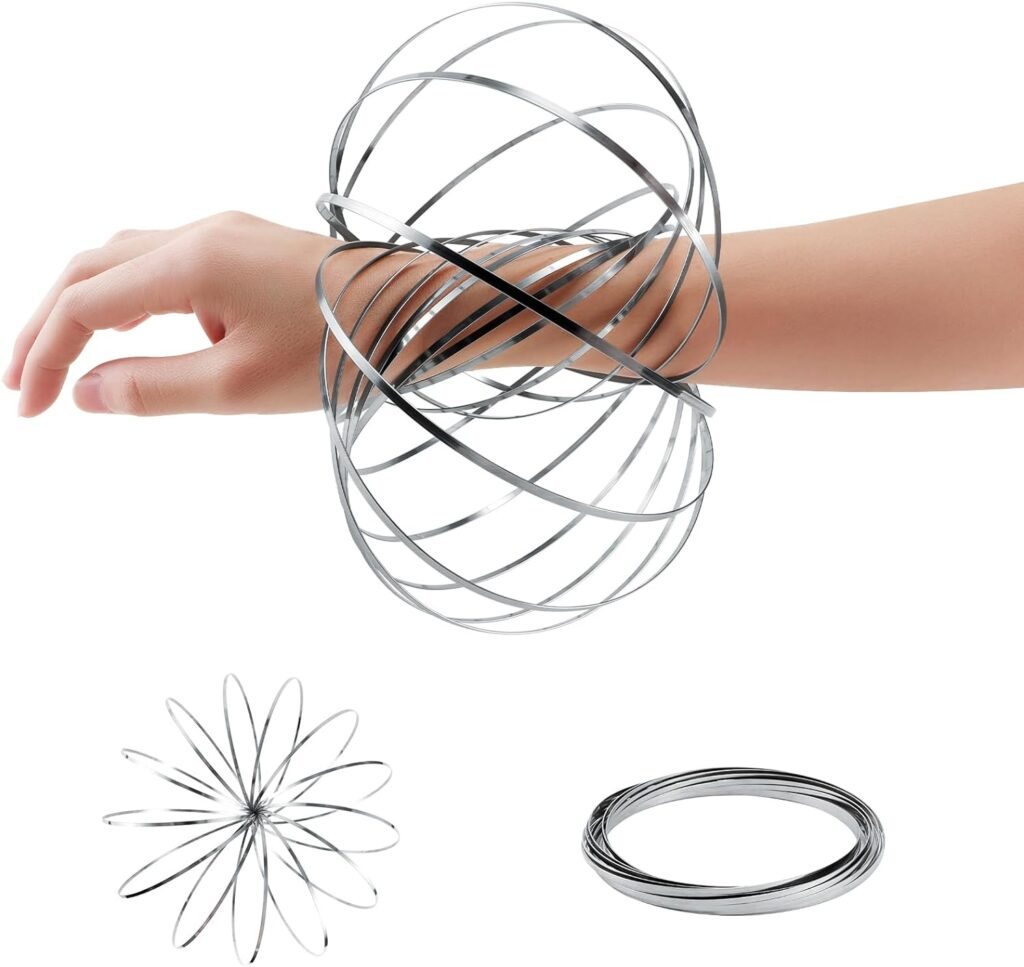
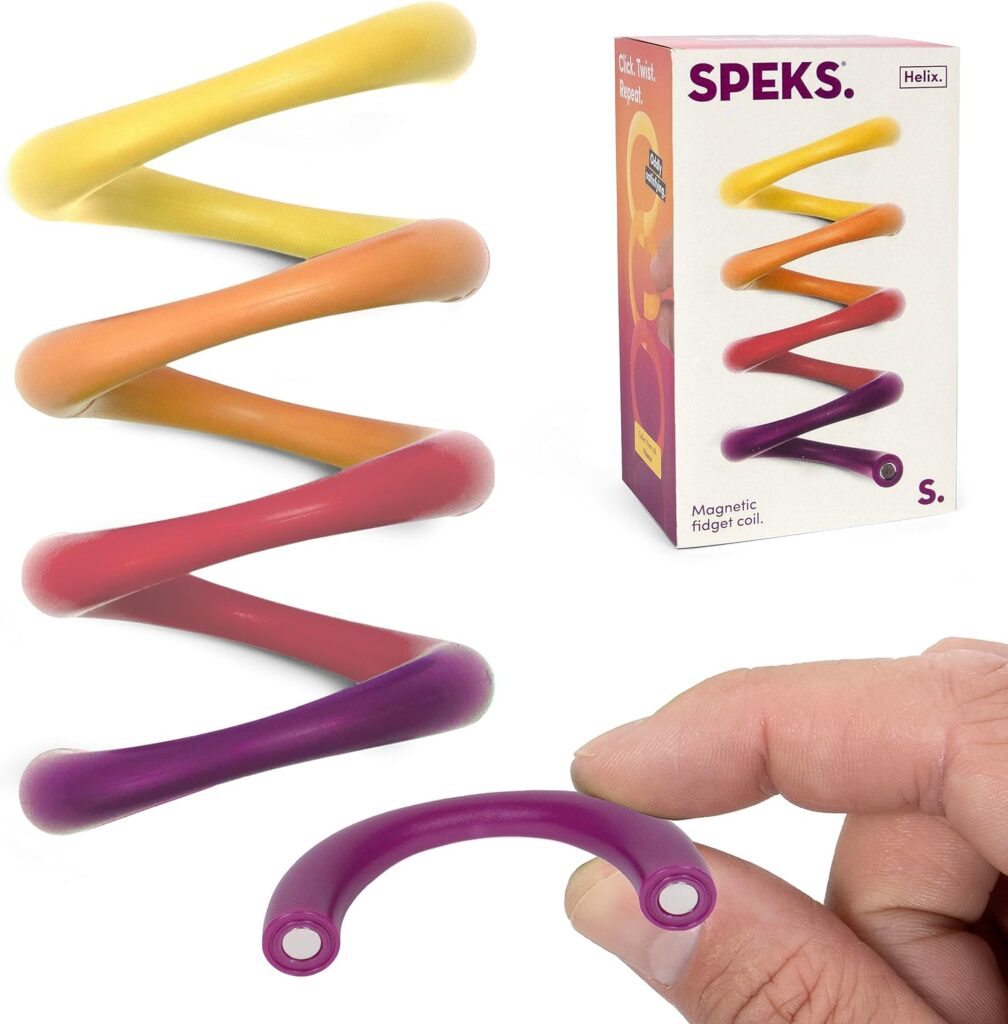
Any other sensory fidgets that you should know about. Other fidget toys offer a diverse range of options for kids. From desk-sized distractions like pop-its and infinity cubes to wearable fidgets like bracelets and necklaces, these toys provide endless entertainment and sensory stimulation. These options often incorporate educational elements, such as number or letter puzzles, making them both fun and beneficial for child development.

Tangles Sensory

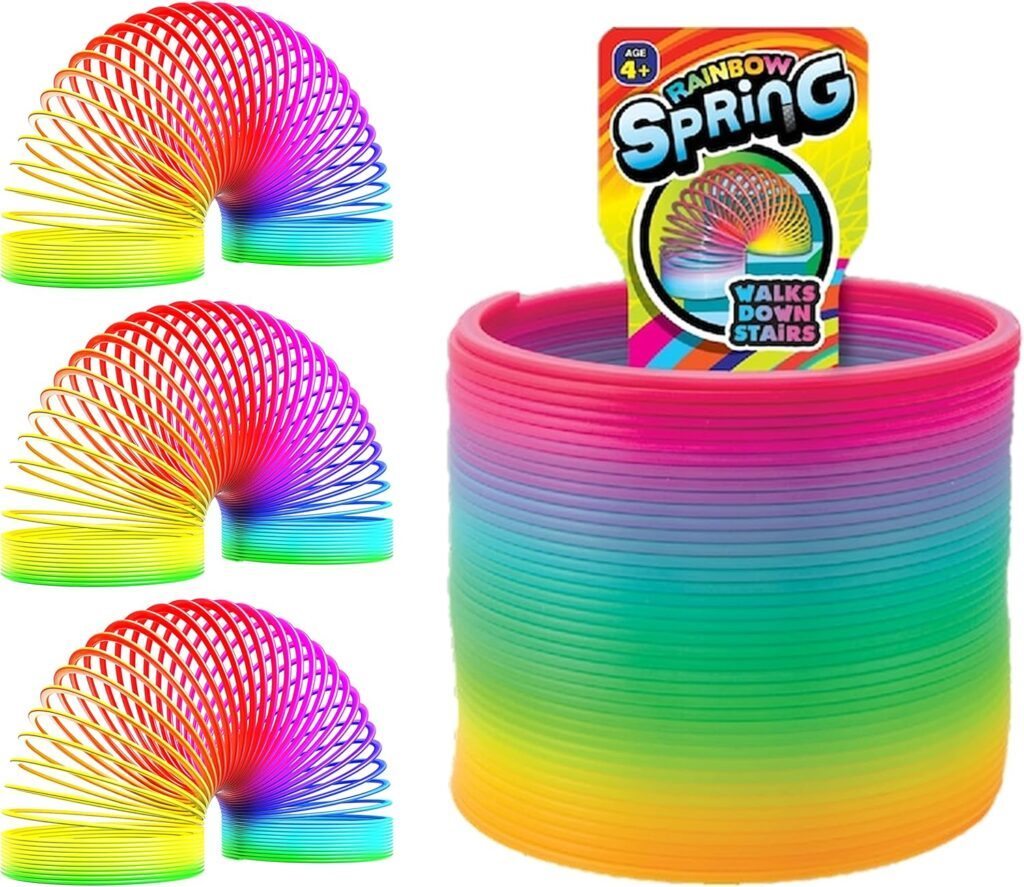
Kinetic Spring

Spiral

Top Fidget Toy Picks

  1. Fidget Cubes: With multiple sides offering different sensory experiences, from clicking buttons to rolling spheres, fidget cubes are a versatile choice.
  2. Stress Balls: Squeezing a stress ball can help release tension and reduce anxiety.
  3. Infinity Cubes: These mesmerizing toys offer endless twisting and turning possibilities.
  4. Pop-its: The satisfying popping sensation can be incredibly calming and focus-inducing.
  5. Sensory Putty: This malleable material provides tactile stimulation and can help reduce stress.

Tips for Choosing the Right Fidget Toy

Spring

  • Consider the Child’s needs: Are you looking for a fidget toy to improve focus, reduce anxiety, or provide sensory stimulation? Different toys cater to different needs.
  • Prioritize safety: Ensure the fidget toy is age-appropriate and free from choking hazards.
  • Experiment with different options: There’s no one-size-fits-all fidget toy. Try various types to find what works best.

Disclosure: We use affiliate links to earn a small commission. If you choose to purchase something through one of these links, there is no cost to you.
Homepage
Homepage
Posted in GamesTagged games, kids, toys

Educational Activities for Kids

PARENTING

Spark Curiosity and Learning: Fun Educational Activities for Kids! Here are some ideas to ignite their curiosity and turn everyday moments into educational adventures:! Looking for ways to make learning fun and engaging for your kids? Here are some ideas to ignite their curiosity and turn everyday moments into educational adventures:

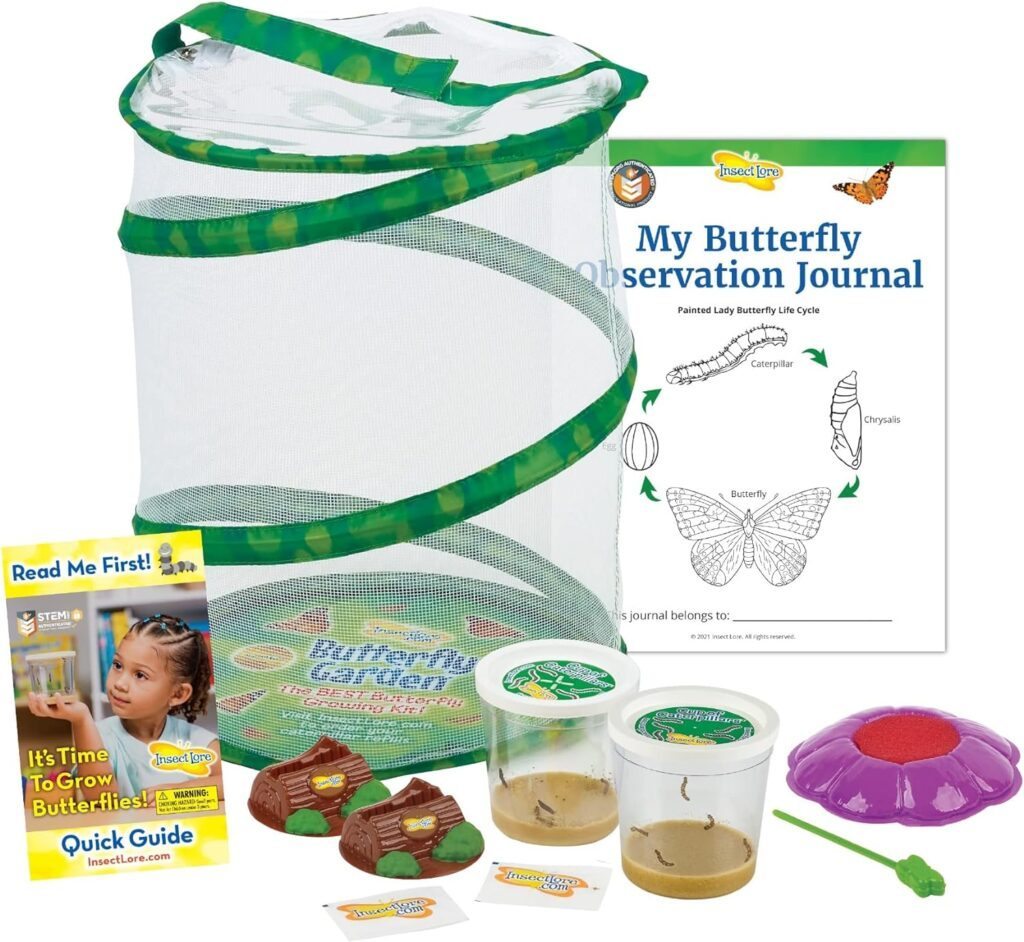
I love to start with a topic that children love. For example, butterflies. You can create a whole set of activities about it. Let’s explore how we can transform this fascination into a fun and educational experience. This can be adjust to any age group and create Fun Educational Activities for Kids:

Butterfly Garden

Math with Butterflies

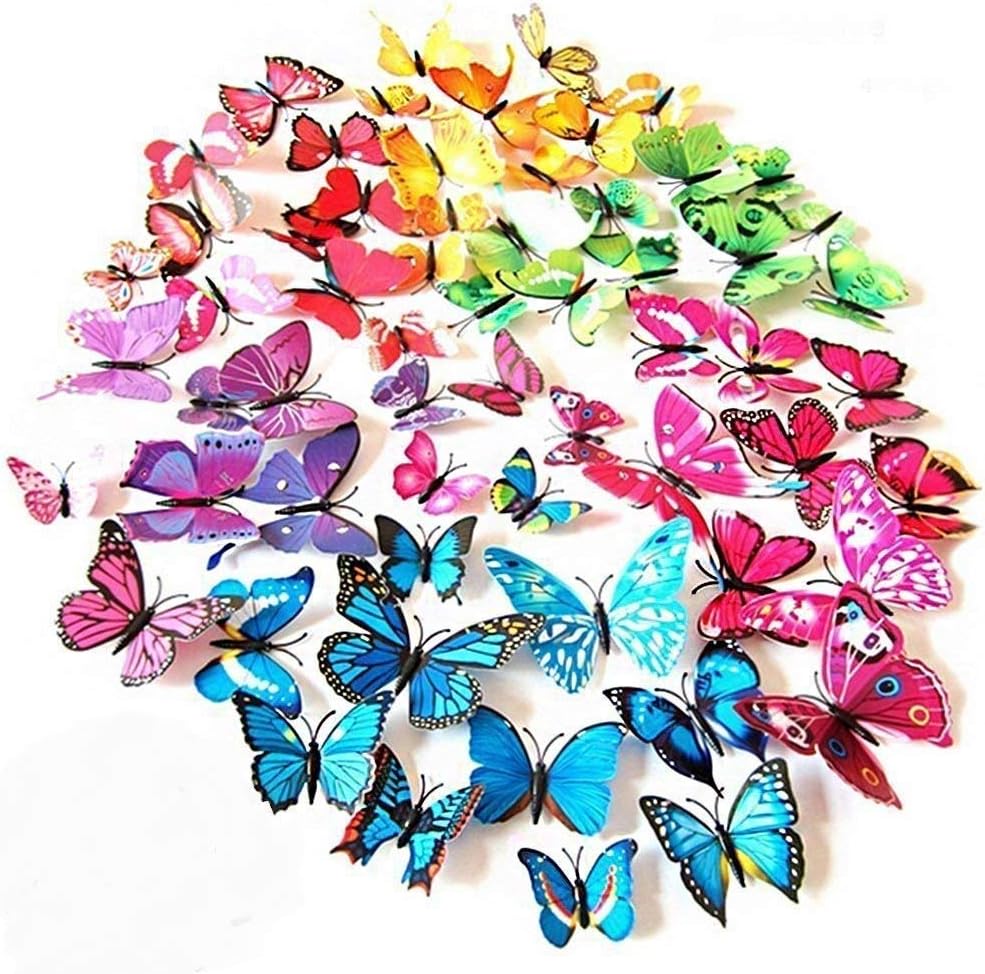
3D Butterflies

  • Counting Wings: How many wings does a butterfly have? Let’s count them together!
  • Patterning Fun: Create butterfly-themed patterns using colors, shapes, or even numbers.
  • Graphing Butterflies: Collect data on favorite butterfly colors or types and create bar graphs.
  • Measurement Mania: Measure the wingspan of different butterfly species or the distance they fly.

Science with Butterflies

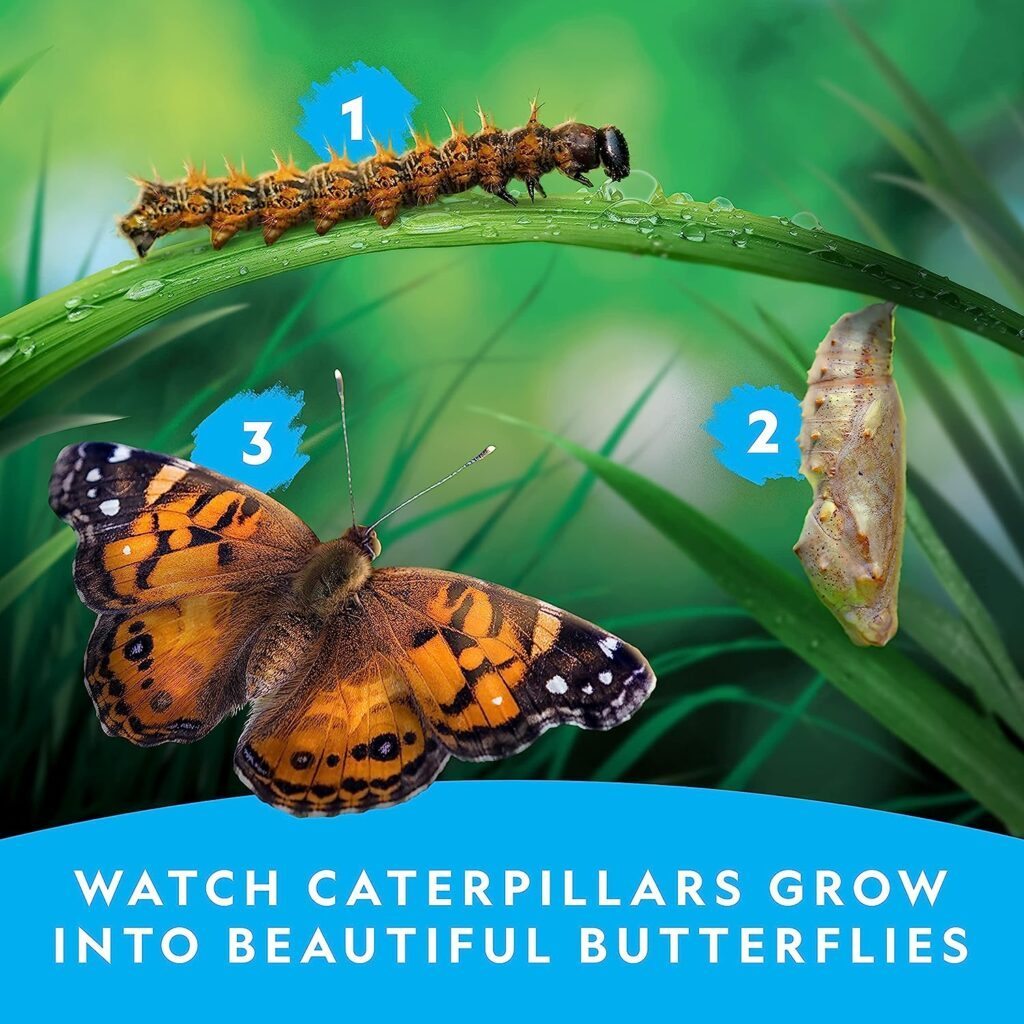
  • Life Cycle Exploration: Learn about the amazing transformation from egg to butterfly.
  • Habitat Study: Discover the plants that butterflies love and create a butterfly garden.
  • Observation Skills: Watch butterflies in action and observe their behaviors.
  • Anatomy Fun: Learn about the different parts of a butterfly’s body.

Science with Butterflies

Let’s Expand Our Butterfly Adventures!

Language Arts with Butterflies

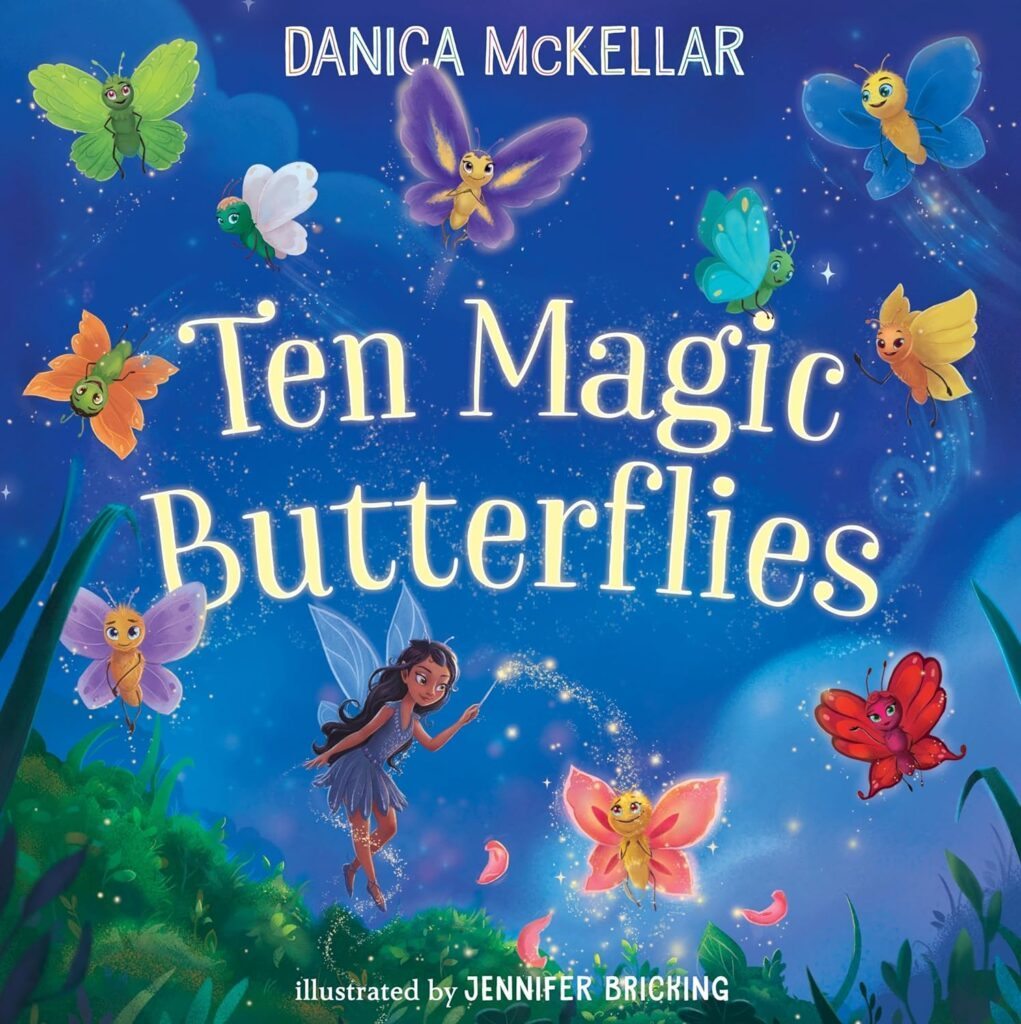
10 Magic Butterflies

  • Storytelling: Create imaginative tales featuring butterflies as main characters.
  • Poetry: Write poems about the beauty and wonder of butterflies.
  • Vocabulary Building: Learn new words related to butterflies and their life cycle.
  • Creative Writing: Write descriptive paragraphs or essays about butterflies.

Art with Butterflies

  • Drawing and Painting: Create colorful butterfly artwork.
  • Crafts: Make butterfly-themed crafts using various materials.
  • Symmetry Exploration: Learn about symmetry through butterfly wing patterns.
  • Color Theory: Explore color combinations found in butterfly wings.

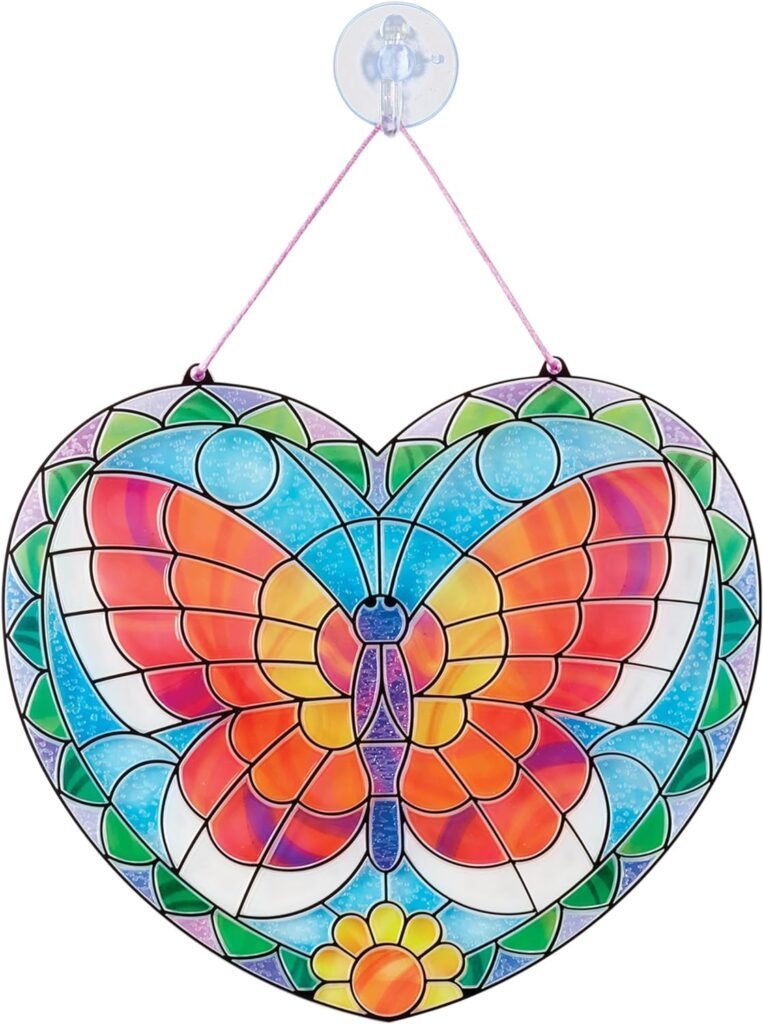
Window Art

Social Studies with Butterflies

Find on Amazon

  • Cultural Connections: Research butterflies in different cultures and traditions.
  • Environmental Awareness: Learn about butterfly habitats and conservation efforts.
  • Geography: Explore where different butterfly species live around the world.
  • History: Discover how butterflies have been studied and documented throughout history.

Physical Education with Butterflies

  • Movement and Imitation: Mimic the graceful movements of a butterfly.
  • Outdoor Exploration: Go on a butterfly-watching hike or nature walk.
  • Dance: Show your butterfly dance
  • Games: Create butterfly-themed games and activities.

Butterfly wings

More Ideas for Educational Activities for kids

Adjust these ideas to your topic needs:

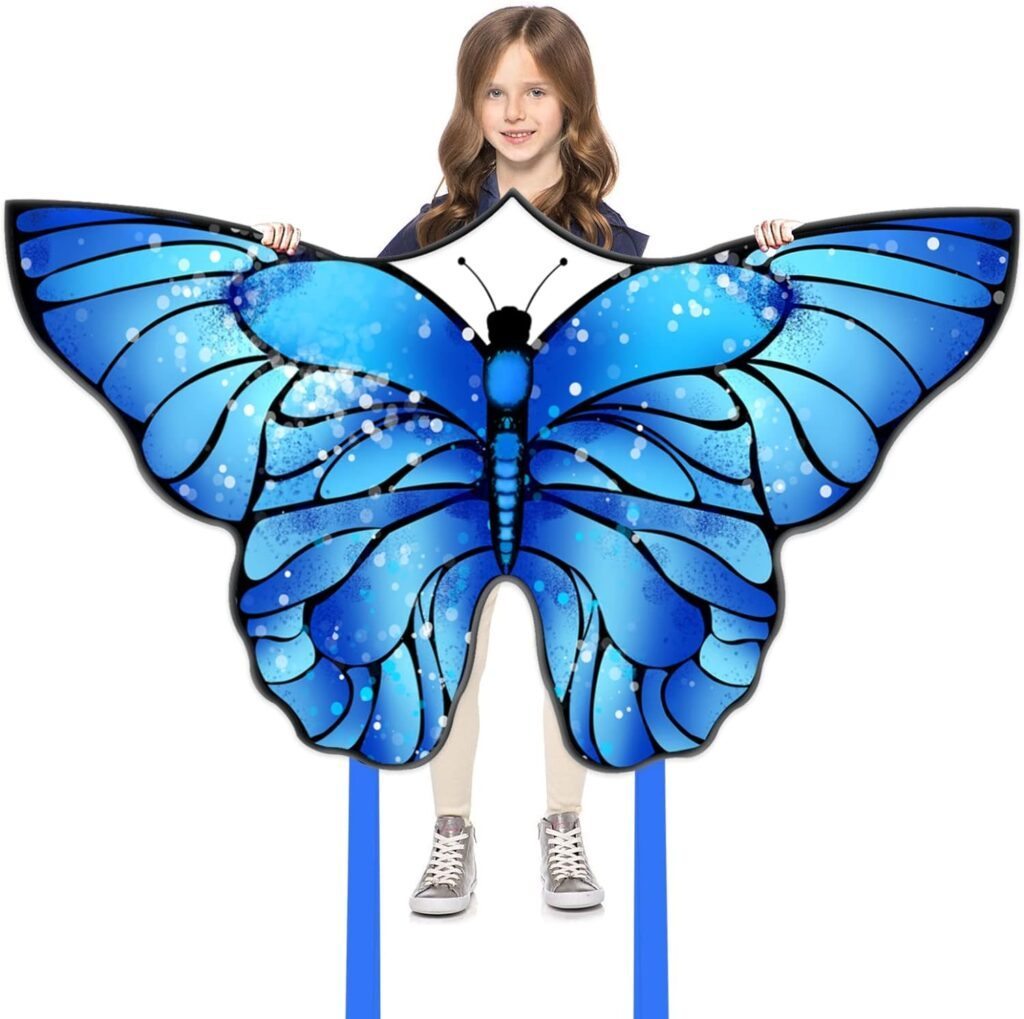
Butterfly Kite

  • DIY Slime Lab: Experiment with different ingredients to create colorful, squishy slime! Explore concepts like texture, viscosity, and chemical reactions.
  • Nature Scavenger Hunt: Head outdoors and create a list of natural treasures to find. Look for different leaf shapes, colorful rocks, or interesting bugs.
  • Museum Adventures: Turn your visit to a museum into an interactive game. Let them find specific exhibits, create scavenger hunt lists, or have them draw their favorite pieces.
  • Themed Obstacle Courses: Build an indoor or outdoor obstacle course with pillows, chairs, and blankets. Assign tasks like crawling, jumping, or balancing to make it educational and fun.
  • Board Game Bonanza: Classic board games can teach counting, strategy, and taking turns. Choose games based on their age and interests.
  • Turn Errands into Adventures: Incorporate learning into everyday tasks. Count groceries at the store, identify traffic signs on car rides, or talk about the weather and seasons.

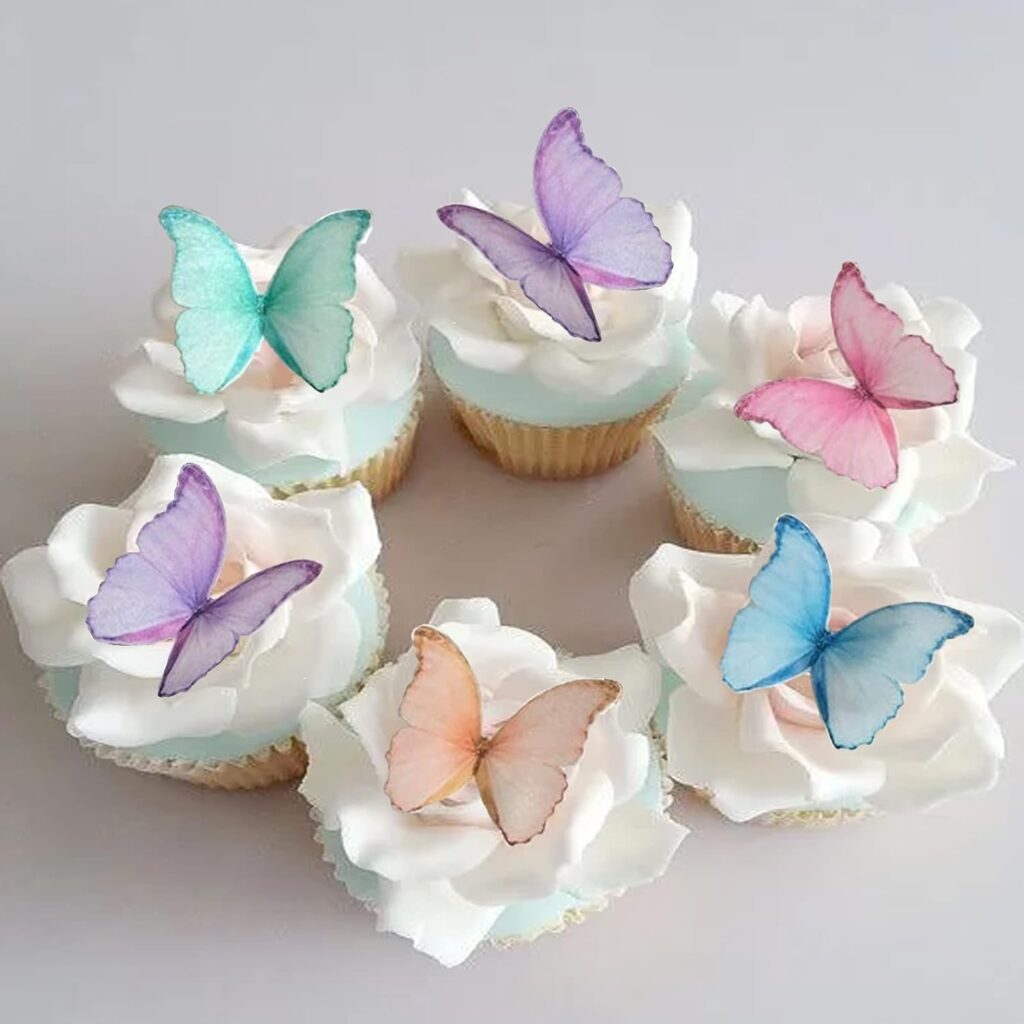
Edible Butterfly Paper

Disclosure: We use affiliate links to earn a small commission. If you choose to purchase something through one of these links, there is no cost to you.
Homepage
Homepage
Posted in ParentingTagged activities, games, kids

Easter Kids Activities

CHILD, FAMILY FUN, GAMES, HOLIDAY

Easter is a time for joy, family, and of course, excitement for the little ones! So, let’s get them hopping with fun and engaging Ester Kids activities that will make this Easter one to remember!

Visit our Easter shop

The Classic: Egg-cellent Egg Decorating

This timeless activity sparks creativity and allows kids to personalize Easter eggs. Get messy with traditional dyes, paints, markers, or even glitter! You can also explore natural options like using onion skins or beet juice for vibrant colors.

This Easter try decorating eggs with:

  • decorator kit
  • onion peal
  • vinegar
  • whipped cream
  • baking soda

Let’s Get Crafty

Craft time is a fantastic way to unleash your child’s inner artist.

Paper Plate Bunnies: Cut out bunny ears from construction paper and attach them to decorated paper plates for adorable bunny faces.

Sock Bunnies: Upcycle old socks into cuddly bunny friends! Fill them with rice or cotton, tie a ribbon around the “neck,” and add felt ears and googly eyes.

Egg Carton Chicks: Transform empty egg cartons into a charming chick family. Paint them yellow, glue on construction paper beaks and eyes, and add fluffy cotton tails for extra cuteness.

Visit our Easter shop

Get Active: Easter Egg Hunt Extravaganza – Easter Kids Activities

An Easter egg hunt is a guaranteed crowd-pleaser! Hide eggs around the house, garden, or local park, and let the hunt begin.

Some fun ideas you might like

Add an educational twist by writing clues on the eggs leading to the next hidden one.

Create a bunny map with all hidden eggs

Count all the eggs and make your little ones count while they collect the eggs

Sensory Play: Exploring the Easter Basket

Fill a sensory bin with shredded paper, Easter-themed toys, plastic eggs, and colorful beans. Encourage your child to explore the textures, hide and find objects, and use their imagination to create Easter-themed stories. What a great Easter Kids Activities!

Bake & Decorate: Bunny-Shaped Treats

Bonding over baking is a perfect way to celebrate Easter. Use cookie cutters to make bunny-shaped cookies or cupcakes, and let your kids unleash their creativity with frosting and sprinkles.

Planting Seeds: Growing Joy

Get your kids excited about spring by planting seeds! Choose vegetables, herbs, or flowers, and let them experience the joy of nurturing life. This activity teaches responsibility and connects them to nature’s cycle.

Remember, the key is to have fun and create joyful memories with your little ones.

Happy Easter!

Visit our Easter shop

See more Easter Art

Disclosure: We use affiliate links to earn a small commission. If you choose to purchase something through one of these links, there is no cost to you.

Homepage
Homepage
Posted in Child, Family Fun, Games, HolidayTagged activities, kids

Encourage Healthy Eating Habits

LIFESTYLE, PARENTING

Raising healthy eaters isn’t just about packing lunches with broccoli. It’s about nurturing a positive and playful relationship with food that empowers kids to make good choices and encourage healthy eating habits. Let’s explore some fun, positive ways to encourage healthy eating habits in your little ones!

Encourage Healthy Eating Habits

1. Food is Fun, Not Fear:

Find it on Amazon

Embrace the joy of food! Imagine mealtimes not as a battlefield of negotiations, but as a vibrant celebration of flavors and textures. Talk about food with excitement, describing the vibrant orange of a sweet potato, the satisfying crunch of a fresh apple, or the comforting warmth of a homemade stew.

Let your kids explore the world through their taste buds, trying new cuisines without judgment. Remember, mealtimes are a shared adventure, not a power struggle. Food is about connection, joy, discovery, and embracing the delicious possibilities!

2. Grocery Shopping Adventures:

Transform grocery shopping into a treasure hunt! Bring your kids along and let them help choose fruits and vegetables they find interesting. Encourage them to pick out new grains or proteins to try. This fosters curiosity and ownership over their own food choices.

Empower your tiny treasure hunters. Equip them with a reusable grocery bag and let them be your sous chefs for the day. Challenge them to find the “weirdest” looking vegetable, a fruit with the brightest color, or a grain they’ve never seen before. Let them inspect the different textures, compare sizes, and sniff out the freshest aromas. This isn’t just about filling the cart; it’s about fostering curiosity and sparking an interest in healthy choices.

Find it on Amazon

3. The Tiny Chef is in the Kitchen:

Find it on Amazon

Make cooking a family activity! Give your child age-appropriate tasks like stirring, measuring, or decorating. Let them help choose recipes and personalize their dishes. This builds confidence, introduces them to healthy ingredients, and creates lasting positive memories around food.

Transform your child into a junior chef by entrusting them with age-appropriate tasks. For little ones, stirring batter or adding spices lets them feel like valuable contributors. As they grow older, graduate them to measuring ingredients, cracking eggs (with supervision, of course!), or even chopping vegetables with a kid-safe knife.

4. Rewards Beyond the Bite:

Food shouldn’t be used as a bargaining chip or reward. This creates negative associations and undermines the intrinsic value of healthy choices.

Instead, try creating positive mealtimes with family, focusing on conversation and exploration of different flavors. Celebrate trying new foods, and explain the importance of a balanced diet for their growing bodies. By fostering a positive and informative environment around food, you’ll set your child up for a healthy relationship with eating that goes far beyond rewards and punishments.

Amazon find

5. Options, Options, Options:

Amazon Find

Kids are individuals with diverse preferences. Offer a variety of healthy options across different food groups and let them choose what appeals to them. Don’t force or pressure them to eat something they dislike. This fosters autonomy and encourages them to develop their own tastes.

Encourage your child to become a tiny flavor detective, exploring different textures, tastes, and smells. Offer a variety of healthy options within each food group, from sweet berries to earthy mushrooms, creamy avocado to nutty quinoa. Let them choose what appeals to them, respecting their preferences without judgment.

This isn’t about forcing down unwanted bites; it’s about fostering autonomy and encouraging them to develop their own tastes. By offering choices, you empower them to take ownership of their food journey. Maybe they’ll gravitate towards crunchy carrots one day and creamy yogurt the next. Trust their instincts and celebrate their discoveries, no matter how unexpected.

Remember:

Be a role model: Kids learn by observing. Show them you enjoy eating healthy and make healthy choices yourself.

Don’t sweat the occasional slip-up: Perfection doesn’t exist, especially with kids. Focus on long-term progress and celebrate small wins.

Keep it positive and playful: Make mealtimes and food exploration a fun and enjoyable experience for everyone.

Find it on Amazon

By fostering a positive relationship with food from an early age, you’re setting your child up for a lifetime of healthy eating habits and joyful experiences around the table. So, grab your aprons, and get ready for a delicious adventure with your tiny chefs!

Disclosure: We use affiliate links to earn a small commission. If you choose to purchase something through one of these links, there is no cost to you. 
Homepage
Homepage
Posted in Lifestyle, ParentingTagged advice, kids, parenting

Role Play for Kids

CHILD, PARENTING

Role play for kids is a fun and engaging way to learn new things, develop their social skills, problem-solving abilities, and use their imaginations. Children naturally master many skills necessary for their development through this form of play. Typically, children choose their own activities, and your role as an adult is primarily to provide support.

Role Play for Kids

Many parents make the mistake of wanting to direct their child’s play. While guidance can be helpful, It’s far more beneficial for your child to be able to develop skills independently.

They learn skills like:

  • Communication: Expressing ideas clearly, actively listening to others, and engaging in collaborative conversations.

  • Problem-Solving: Thinking critically and finding creative solutions to challenges within their chosen scenarios.

  • Connection with the World: Exploring different perspectives and gaining a deeper understanding of the world around them.

Amazon Find

Here’s how you can support your child’s role play:

Find it on Amazon

  • Set the Stage: Provide props and costumes that fuel their chosen role. Specifically, if they’re fascinated by butterflies, create wings or a butterfly garden setting.

  • Become a Listener: Actively listen to their stories and ideas without interrupting or dictating the play. Additionally, ask open ended questions.

  • Follow Their Lead: Let them guide the play and explore their interests without imposing your ideas or expectations. On top of that, become a part of their game.

Tips for Role Play for kids:

  • Let kids take the lead and choose the roles they want to play.
  • Encourage kids to be creative and use their imaginations.
  • Provide props and costumes to make it more fun.
  • Play along with your kids and have fun!

Amazon Find

Ideas:

Find it on Amazon

Chef: Kids can pretend to be chefs and cook different dishes. They can use props like pots, pans, and ingredients to make it more realistic. 

Builder: Kids can pretend to be builders and construct different things. Also, they can use props like blocks, tools, and blueprints to make it more realistic. 

More Role Play for Kids

Fairy Tale Characters: Kids can dress up as their favorite fairy tale characters and act out scenes from the story. They can use props and costumes to make it even more fun. What’s more, you can turn playtime into a creative adventure by letting them change the ending of their favorite story into their own unique fairy tale fantasy!

Superheroes: Kids can create their own superhero characters, moreover alow them to come up with their own superpowers. Furthermore, they can then act out stories about their superheroes saving the day! 

Amazon Find

Find it on Amazon

Find it on Amazon

Animals: Kids can pretend to be different animals and explore their habitats. Surely, they can move like the animal, make animal sounds, and even create a story about their animal character. 

Teacher and Student: Kids can explore different learning environments and practice their communication skills. In addition they can use props like a chalkboard, books, and pencils to make it more fun. 

Doctor and Patient: Kids can take turns being the doctor and examining the patient. On top of that, they can use props like a stethoscope, bandage, and thermometer to make it more realistic. 

Disclosure: We use affiliate links to earn a small commission. If you choose to purchase something through one of these links, there is no cost to you.
Homepage
Homepage
Posted in Child, ParentingTagged activities, kids, parenting

Stocking Stuffer Ideas for Kids

HOLIDAY

As the holiday season approaches, the anticipation and excitement build, especially for children. While the big gifts under the tree are undoubtedly the highlight, stocking stuffers add an extra layer of fun and surprise to the festivities. These small, thoughtful tokens of appreciation can bring smiles to faces and create lasting memories. Check Stocking Stuffer Ideas for Kids.

When selecting stocking stuffers, consider the child’s age, interests, and personality. For young kids, prioritize age-appropriate toys that stimulate their imagination and encourage development. As children grow older, their interests diversify, and stocking stuffers can reflect their hobbies, passions, and unique personalities.

To ensure a delightful stocking surprise, consider these helpful ideas:

Stocking Stuffer Ideas for Kids

All pictures are clickable, easily choose your favorite to purchase it from Amazon

Get on Amazon
Get on Amazon
Get on Amazon
Get on Amazon
Get on Amazon
Get on Amazon
Get on Amazon
Get on Amazon
Get on Amazon
Get on Amazon
Get on Amazon
Get on Amazon
Get on Amazon
Get on Amazon
Get on Amazon
Get on Amazon
Get on Amazon
Get on Amazon

Remember, stocking stuffers are not just about material items; they represent the joy of giving and the anticipation of discovering hidden treasures. By carefully selecting stocking stuffers that align with the child’s age, interests, and personality, you can create a memorable holiday experience filled with delight and surprise.

www.nanniesandmommies.com

Disclosure: We use affiliate links to earn a small commission. If you choose to purchase something through one of these links, there is no cost to you.
Homepage
Homepage
Posted in HolidayTagged kids, parenting

Posts navigation

Older posts
  • Contact Us
  • Terms and Conditions
  • Privacy Policy

© 2026 Nannies and Mommies, all rights reserved.